Quick Answer: In most cases, you should not remove healthy okra flower buds — doing so directly reduces your pod count. What does help is selective pruning of lower leaves, suckers, and spent growth to improve airflow and redirect the plant’s energy. Topping the main stem mid-season is the one deliberate bud-removal technique worth considering, as it encourages lateral branching and extends your harvest window.
If you’ve been staring at your okra plant wondering should I prune my okra buds?, you’re not alone. Okra grows fast, gets tall, and produces an almost overwhelming amount of foliage — and it’s tempting to reach for the pruning shears. But not all pruning is equal. Removing the wrong growth at the wrong time can tank your harvest, while the right cuts can keep plants productive well into the season.
This guide walks you through exactly what to prune, what to leave alone, and when to do it.
Understanding Okra Buds, Flowers, and Growth Habit
How Okra Plants Grow and Flower
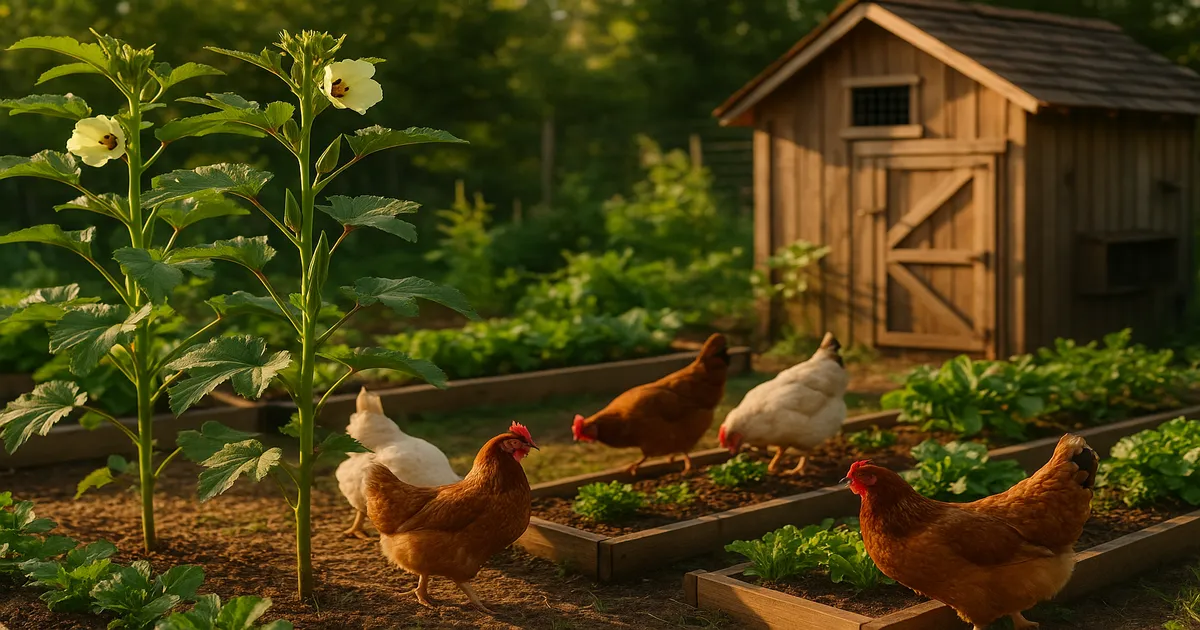
Okra (Abelmoschus esculentus) is a fast-growing warm-season annual in the mallow family — the same family as hibiscus and hollyhock, which explains those gorgeous yellow blooms. It grows on a single central stalk, putting out leaves, buds, flowers, and pods sequentially up the stem as the season progresses. In warm climates, a single plant can easily reach 6–8 feet tall by midsummer.
Each flower bud sits in a leaf axil — the junction between the leaf stem and the main stalk. That bud becomes a flower, and that flower becomes a pod within days of pollination. The process is remarkably fast.
What Are Okra Buds and Why They Matter
Okra flower buds are the small, pointed structures that appear before the showy yellow-and-red blooms open. Each one is a potential pod. This is why randomly removing buds is such a bad idea — you’re not thinning the plant, you’re eliminating your harvest before it even starts.
The Difference Between Buds, Suckers, and Lateral Shoots
Before you prune anything, make sure you know what you’re looking at:
- Flower buds — small, torpedo-shaped, appear in leaf axils; these become pods and should generally stay
- Suckers — vigorous shoots emerging from the base or lower stem, competing with the main stalk for energy
- Lateral branches — side shoots that develop higher up the plant, especially after topping; these can produce pods
- Lower foliage — the oldest leaves near the base, often yellowing or touching the soil; prime candidates for removal
Should I Prune My Okra Buds? Here’s the Honest Answer
Why Removing Healthy Buds Usually Hurts Yield
A healthy okra bud is a future pod. Removing it is removing yield — full stop. There’s no horticultural reason to strip buds from a healthy, well-spaced okra plant. Every bud you pull is one fewer pod on your kitchen counter.
Situations Where Bud Removal Makes Sense
There are a couple of narrow exceptions worth knowing:
- Diseased or damaged buds — if a bud shows signs of pest damage or disease, remove it before the problem spreads
- End-of-season seed saving — if you’re letting a specific pod mature for seed, removing surrounding buds can direct energy to that one pod
That’s about it. Bud removal as a general productivity strategy simply doesn’t hold up.
Topping Okra: Cutting the Growing Tip to Force Branching
Topping is different from bud removal — and it’s worth understanding. When you cut the apical growing tip (the very top of the main stem), you remove the plant’s dominant upward growth signal. The plant responds by pushing energy into lateral branches, which can each produce their own flowers and pods.
This technique works best mid-season on tall varieties that are already producing well. It keeps plants at a manageable height and can trigger a fresh flush of growth. It’s not for every garden or every variety, but in the right situation it genuinely pays off.
What to Prune on Okra Plants and How to Do It
Removing Lower Leaves and Yellow Foliage
Start at the bottom. The lowest leaves are the oldest, the most shaded, and the most prone to fungal issues. Remove any leaf that is yellowing or browning, touching or close to the soil, or showing spots and signs of disease.
Use a clean cut at the base of the leaf stem. Don’t tear — tearing leaves ragged wounds that invite infection. A good pair of bypass pruning shears makes this much easier and cleaner than scissors or a knife.
Cutting Back Suckers and Unwanted Side Shoots
Suckers emerge from the base of the plant or from low on the main stem. Pinch or cut them off as close to the main stem as possible when they’re small — they’re much easier to deal with early. Once they’ve grown several inches, use sharp pruning shears and cut flush to the stem.
How to Top an Okra Plant Correctly
Topping is straightforward, but timing matters:
- Wait until the plant is actively producing and has reached a height that’s becoming difficult to manage — typically 4–5 feet
- Identify the growing tip: the soft, leafy terminal bud at the very top of the main stem
- Cut 3–4 inches below the tip, just above a leaf node, at a slight angle to shed water
- Expect lateral shoot development within 1–2 weeks
Don’t top more than once per plant, and avoid topping during a heat wave or drought.
Tools and Hygiene: Preventing Disease Spread
Sharp, clean tools are non-negotiable. Dull blades crush tissue rather than cutting cleanly, and dirty blades spread bacterial and fungal pathogens between plants. Wipe your blades with isopropyl alcohol or a 10% bleach solution between plants — it takes seconds and can save an entire bed.
Best Timing for Pruning Okra Buds and Foliage
Early Season vs. Mid-Season Pruning
Early in the season — when plants are knee-high — focus on removing suckers and the lowest leaves. This is light work and sets the plant up well. Mid-season is when you’d consider topping tall varieties and clearing any diseased or spent foliage that’s accumulated.
Pruning After a Harvest Flush
After a heavy production period, okra plants often slow down noticeably. This is a good moment to remove spent growth and tired leaves. Think of it as clearing the decks for the next round of pods.
Late-Season Hard Pruning to Extend Yield Before Frost
In USDA zones 7–10, where the growing season stretches into fall, a harder cut in late summer can trigger a second productive flush before the first frost. Cut the plant back by no more than one-third of its total height, remove lower foliage, and give it a feed of balanced fertilizer. (Espoma Garden-Tone Herb & Vegetable Food) You’ll often get several more weeks of pods from what looked like a tired plant.
In shorter-season zones (5–6), this technique has limited value — there simply isn’t enough warm weather left for new growth to mature.
Variety-Specific Pruning Considerations
Tall Varieties: Clemson Spineless, Burgundy, and Cow Horn
These are the varieties that most benefit from height management and topping. Clemson Spineless is the most widely grown okra in the US and regularly hits 6–7 feet. Burgundy and Cow Horn can go even taller. For all three, regular lower-leaf removal and mid-season topping are both worth doing.
Compact Varieties: Jambalaya, Baby Bubba, and Dwarf Green
Compact bush varieties top out at 2–4 feet and rarely need aggressive pruning. Light maintenance — removing yellowing leaves and the occasional sucker — is usually all they need. Over-pruning a small plant is an easy way to stress it unnecessarily.
Handling Spined Varieties Safely
Spined varieties like Cow Horn and many heirloom types have fine, irritating hairs on the pods, leaves, and stems. Always wear gloves when pruning these — the hairs cause genuine skin irritation for many people. A pair of lightweight nitrile-coated garden gloves works well and still gives you enough dexterity to make precise cuts. Spineless varieties like Clemson Spineless and Jambalaya are much more comfortable to work with bare-handed.
Common Okra Pruning Mistakes to Avoid
Over-pruning. Never remove more than one-third of the plant’s total foliage at one time. Taking too much at once sends the plant into stress mode — it redirects energy to survival rather than production, and your pod count drops.
Pruning during heat stress or drought. When temperatures climb above 95°F (35°C), pruning is the last thing your okra needs. Open wounds under extreme heat heal slowly and become entry points for disease. Wait for a cooler morning or a cloudy day.
Stripping healthy green leaves. Leaves are the plant’s solar panels. Focus on foliage that’s already compromised — yellow, diseased, or deeply shaded — not healthy growth that’s still doing its job.
Confusing pest damage with pruning needs. Ragged, chewed, or stippled leaves aren’t a pruning problem — they’re a pest problem. Aphids, caterpillars, and stink bugs all cause leaf damage that can look like it needs cutting away. Identify the pest first and deal with it directly. Pruning around an active infestation doesn’t solve anything.
Frequently Asked Questions About Pruning Okra Buds
Should I prune my okra buds to get more pods?
No. Removing healthy flower buds reduces your yield directly — each bud is a pod in waiting. Strategic pruning of leaves, suckers, and spent growth can improve overall plant health and indirectly boost production, but pulling buds is counterproductive.
When should I top my okra plant?
Top mid-season when the plant is actively producing and has reached an unmanageable height, typically 4–5 feet. Avoid topping during extreme heat or drought. It works best on tall heirloom varieties and is rarely necessary for compact bush types.
Why is my okra tall but not producing pods?
A few things can cause this. Temperatures consistently above 95°F can cause flower drop. Inconsistent watering is another common culprit. High-nitrogen fertilizer is also worth checking — it promotes leafy growth at the expense of flowering. Switch to a fertilizer with more phosphorus to encourage blooming.
Can I cut okra plants back hard to encourage new growth?
Yes, within reason. A late-season cut of up to one-third of the plant’s height can trigger a fresh flush of growth and extend your harvest — particularly effective in zones 7–10. Cutting back more than one-third at once risks stressing the plant beyond recovery.
How do I know if a bud should be removed?
Remove a bud only if it shows clear signs of pest damage or disease, or if you’re deliberately saving seed from a specific pod. Healthy, intact buds should stay on the plant.