Quick Answer: A hen that is puffed up, lethargic, has a pale or discolored comb, abnormal droppings, labored breathing, or has suddenly stopped laying is telling you something is wrong. Most problems fall into one of five categories: disease, parasites, nutritional deficiency, environmental stress, or reproductive disorder. Use this guide to work through her symptoms systematically and figure out what you’re dealing with.
If you’ve ever stood in front of your flock thinking what is wrong with my hen, you’re not alone — and the answer is usually closer than you think. Hens are surprisingly expressive. They show illness through posture, color, droppings, and behavior long before things become critical. A methodical head-to-tail check usually points you in the right direction within minutes.
Quick Answer: How to Tell If Something Is Wrong With Your Hen
The 60-Second Visual Health Check
Before you even catch her, just watch. A healthy hen holds her tail up, moves purposefully, and keeps pace with the flock. A sick hen often announces herself immediately.
Red flags to spot at a glance:
- Puffed-up feathers and hunched posture
- Tail held low or pumping repeatedly
- Standing apart from the flock with eyes closed
- Pale, blue, purple, or black-tipped comb
- Open-mouthed breathing or audible wheezing
- Watery, bloody, foamy, or bright-green droppings
- Sudden drop in egg production with no seasonal explanation
When to Act Immediately vs. Monitor Closely
Some situations are emergencies. Others give you a 24–48 hour window to observe.
Act immediately — same day:
- Suspected egg binding: straining, wide-legged stance, no egg in 24 hours
- Bloody droppings in chicks under 8 weeks (possible coccidiosis)
- Blue or purple comb (circulatory failure or severe respiratory distress)
- Seizures, collapse, or complete inability to stand
Monitor closely for 24–48 hours:
- Mild lethargy with no other symptoms
- Occasional soft-shelled eggs
- Slight reduction in laying
- Minor sneezing without discharge
Step-by-Step Hen Diagnostic Checklist
Catch your hen calmly and work from head to tail. Good lighting helps enormously.
Posture and Body Language
A hen standing hunched with puffed feathers is trying to conserve heat — her body’s response to fever, pain, or illness. Tail-down posture often signals weakness or a reproductive problem. A hen that has separated herself from the flock is particularly concerning. Chickens are social animals and instinctively hide vulnerability, so by the time she’s isolating herself, she’s usually been struggling for a while.
Eyes, Comb, and Wattles
| Sign | What It May Indicate |
|---|---|
| Pale pink or white comb | Anemia, illness, or heavy parasite load |
| Blue or purple comb | Circulatory failure, severe respiratory distress |
| Black comb tips | Frostbite |
| White crusty patches | Favus (fungal infection) |
| Swollen, closed eyes | Respiratory infection (Mycoplasma, IB) |
| Foamy eye discharge | Mycoplasma gallisepticum |
| Grey iris or irregular pupil | Ocular Marek’s disease |
Breathing and Nasal Discharge
Normal breathing is silent. Any audible sound — gurgling, clicking, rattling, or wheezing — points to a respiratory infection. Open-mouthed breathing during cool weather is never normal. Check for nasal discharge by gently pressing just above the nostrils. Clear discharge is less alarming than yellow or bloody mucus.
Droppings: A Color and Consistency Guide
Droppings are one of your best diagnostic tools.
- Brown/tan with white urate cap — normal
- Cecal droppings (dark brown, mustard-like, pungent) — normal, produced several times daily
- Watery or clear — stress, heat, or high water intake; monitor
- Green and watery — not eating (starvation droppings) or Marek’s disease
- Yellow or sulfur-colored — possible liver disease or Histomoniasis (blackhead)
- Foamy yellow-white — possible Infectious Bronchitis or reproductive infection
- Bloody — coccidiosis (especially in chicks) or intestinal injury; treat urgently
Crop Check: Impacted, Sour, or Normal?
Check the crop — the pouch on the right side of the chest — first thing in the morning before she’s eaten. It should be empty or nearly flat by dawn.
- Hard and doughy — impacted crop; she may need massage and supportive care
- Soft, squishy, and sour-smelling — sour crop (yeast overgrowth); requires antifungal treatment
- Empty all day — not eating, which is itself a red flag
Abdomen, Legs, Feet, and Feathers
Press gently on the lower abdomen below the vent. A firm, slightly rounded belly is normal in a laying hen. A fluid-filled abdomen that feels like a water balloon suggests egg yolk peritonitis or ascites — both serious conditions requiring veterinary attention.
Check the feet for swollen pads or black scabs (bumblefoot) and raised, crusty leg scales (scaly leg mites). Patchy feather loss — especially around the vent, back, or neck — points to mites, lice, or feather pecking.
The Keel Bone Test
Run your fingers along the breastbone. In a healthy hen it’s barely detectable under a cushion of muscle. If it feels sharp and prominent, she’s lost significant muscle mass — a sign of chronic illness, internal parasites, or a disease like Marek’s.
What Is Wrong With My Hen? Common Problems and How to Identify Them
Marek’s Disease: Paralysis, Tumors, and Eye Changes
Marek’s is caused by a highly contagious herpesvirus that survives in feather dander for years. Silkies and Polish are genetically more susceptible than most breeds. Classic signs include one leg stretched forward and one back (the “splits” position), drooping wings, and grey or irregular pupils. There is no cure — supportive care and isolation are your options. Vaccination at hatch is the only reliable prevention, though vaccinated birds can still carry and spread the virus.
Coccidiosis: The Number-One Killer of Chicks
Coccidiosis is caused by Eimeria protozoa and hits chicks hardest between 3–6 weeks old. Bloody or very watery droppings combined with lethargy and puffed feathers in young birds should be treated as coccidiosis until proven otherwise.
Treatment: Mix 9.5 ml of Corid (amprolium 9.6% solution) per gallon of water and offer as the sole water source for 5–7 days. Adults can develop immunity through gradual exposure, but wet, muddy conditions overwhelm even immune birds.
Respiratory Infections: Bronchitis, Mycoplasma, and ILT
Respiratory disease in chickens rarely has a single cause, which makes home diagnosis frustrating. The three most common culprits:
- Infectious Bronchitis (IB): Sneezing, rattling breathing, dramatic egg drop, misshapen eggs. Supportive care only — add electrolytes to water and keep birds warm and dry. (Sav-A-Chick Electrolyte & Vitamin Supplement)
- Mycoplasma gallisepticum (CRD): Swollen sinuses, foamy eye discharge, chronic rattling. Tylosin (Tylan) or doxycycline suppresses symptoms but does not eliminate the infection. Birds become lifetime carriers.
- Infectious Laryngotracheitis (ILT): Severe gasping, bloody mucus, head shaking. This is a veterinary emergency.
Egg Yolk Peritonitis and Internal Laying
⚠️ High-Production Breed Alert: ISA Browns, Golden Comets, and Black Sex-Links face disproportionately high rates of reproductive disorders by age 2–3.
Egg yolk peritonitis occurs when yolk material leaks into the abdominal cavity, causing infection and fluid buildup. The hen develops a penguin-like stance, a distended abdomen, and stops laying. Internal laying is a related condition where eggs are deposited into the body cavity instead of the oviduct. Both require veterinary diagnosis. Some hens respond to hormone implants or antibiotics, but the prognosis is often guarded.
Egg Binding: A 24-Hour Emergency
🚨 Emergency: A hen that cannot pass an egg will die within 24–48 hours if untreated.
Signs include straining with a pumping tail, a wide-legged stance, and visible distress. First aid: place her in a warm bath (85–90°F / 29–32°C) for 20–30 minutes to relax the muscles, then apply a small amount of lubricant — coconut oil or KY Jelly — around the vent. If she hasn’t passed the egg within a few hours, get to a vet. A broken egg inside her is life-threatening.
Bumblefoot: Swollen, Infected Feet
Bumblefoot is a staph infection that enters through cuts or abrasions on the foot pad, often caused by hard roost bars, wire flooring, or rough landings from height. Look for a swollen foot with a black or brown scab on the pad. Mild cases respond to soaking, debridement, and bandaging with a veterinary antiseptic. Severe or deep infections need antibiotics and sometimes surgical debridement.
Mites and Lice: External Parasites That Drain Hens
Red mites (Dermanyssus gallinae) hide in coop cracks during the day and feed on birds at night, causing anemia, pale combs, and restlessness. Northern fowl mites live on the bird continuously. Check around the vent and under the wings for tiny moving specks, eggs clustered at feather shafts, or reddish-brown debris. Treat birds with a permethrin-based poultry dust or spray and treat the coop at the same time. Without treating both, reinfestation is guaranteed.
Worms and Internal Parasites
Roundworms, cecal worms, and gapeworms are the most common internal parasites in backyard flocks. Symptoms are often vague — weight loss despite a good appetite, dull feathers, and reduced production. Gapeworm is the exception: an infected hen stretches her neck and gasps repeatedly, which is where the term “gapes” comes from. Fenbendazole (Safe-Guard) is an effective broad-spectrum dewormer; consult your vet for dosing by weight. A fecal float test is the most reliable way to confirm a worm burden before treating.
Egg Production Changes as a Health Indicator
Normal Egg Production Ranges by Breed
| Breed | Eggs/Week | Eggs/Year |
|---|---|---|
| ISA Brown | 6–7 | 300–320 |
| Leghorn | 5–6 | 280–300 |
| Rhode Island Red | 5–6 | 250–300 |
| Australorp | 5–6 | 250–300 |
| Plymouth Rock | 4–5 | 200–250 |
| Easter Egger | 4–5 | 200–250 |
| Buff Orpington | 3–4 | 175–200 |
| Marans | 3–4 | 150–200 |
| Silkie | 2–3 | 100–120 |
Sudden Drop in Laying: Causes and Solutions
A drop of more than 20% over one to two weeks warrants investigation. Common causes include stress (new flock members, a predator scare, handler changes), illness, molt, and reduced daylight. Hens need 14–16 hours of light to maintain peak production. In winter, natural daylight drops well below that threshold, causing a normal 40–60% production slowdown. Supplemental lighting on a timer can maintain production through winter if that’s a priority.
Soft-Shelled, Shell-Less, and Misshapen Eggs
Occasional soft shells happen. Frequent soft or shell-less eggs point to calcium deficiency — offer oyster shell free-choice in a separate container so hens can self-regulate. Misshapen eggs with ridges, wrinkles, or unusual elongation often indicate that Infectious Bronchitis has scarred the oviduct, even if the respiratory symptoms were mild or went unnoticed.
Blood on Eggs and Vent Problems
A little blood on an egg from a pullet just starting to lay is usually normal — her vent is still adjusting. Recurring blood on eggs in a mature hen suggests vent injury from feather pecking, mite damage around the vent, or a small prolapse. Investigate promptly. A bloody, exposed vent attracts aggressive pecking from flockmates and can escalate quickly.
When Broodiness Is Normal vs. a Warning Sign
A broody hen sits tight on a nest, flattens herself when approached, and growls. That’s normal behavior — especially in Buff Orpingtons, Silkies, and Cochins. Broodiness in breeds not known for it, such as Leghorns, can signal a reproductive problem rather than genuine maternal instinct. A broody hen that also looks unwell — pale comb, weight loss, or abnormal droppings — should be evaluated as a sick bird, not simply managed as broody.
Could Your Coop Be Making Your Hen Sick?
Overcrowding and Ventilation
The minimum space requirement is 4 sq ft per standard bird inside the coop and 10 sq ft per bird in the run — and those are minimums, not ideals. Crowded birds stress each other constantly, which suppresses immune function, drives feather pecking, and accelerates disease transmission. If you’re seeing unexplained illness, aggression, or feather damage, overcrowding is always worth ruling out first.
Ventilation matters just as much. If you can smell ammonia when you walk into the coop, the concentration is already dangerously high for your birds — chickens are sensitive to it at far lower levels than humans. Ammonia damages respiratory tissue and makes hens far more vulnerable to infection. Position vents high on the walls near the roofline so moisture and ammonia escape without creating drafts at bird level.
Roost Bar Design and Nesting Box Hygiene
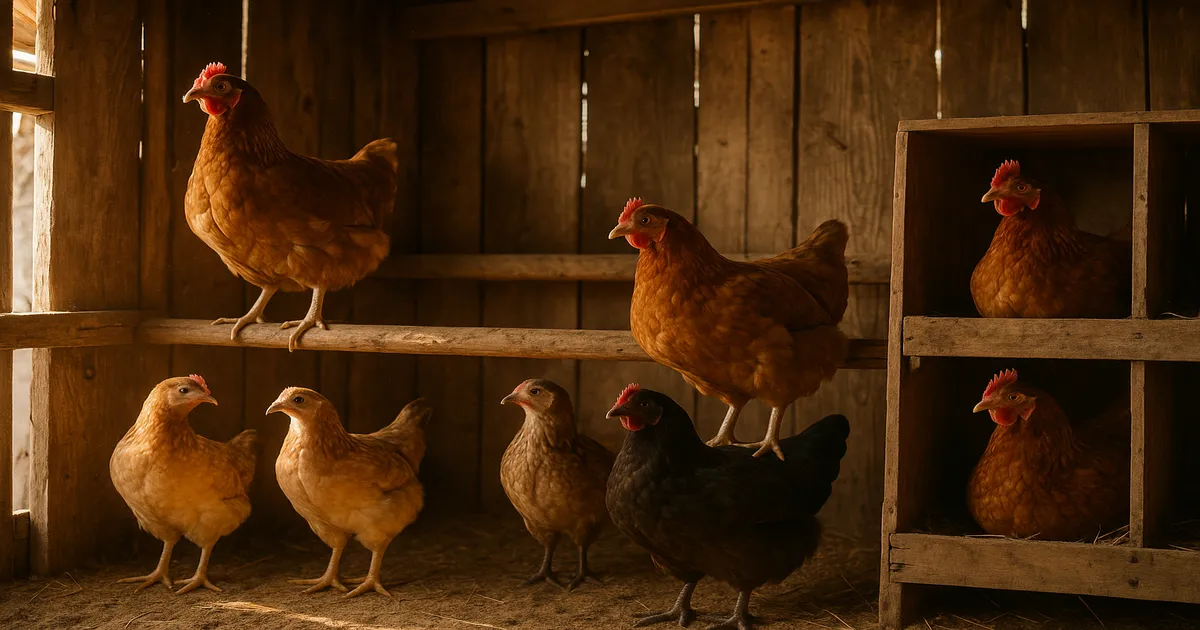
A 2×4 board laid flat side up is the gold standard roost bar. The flat surface lets hens cover their toes with their body heat overnight, dramatically reducing frostbite risk. Round dowels and narrow bars force hens to grip, increasing pressure on the foot pads and contributing to bumblefoot over time. Allow 8–12 inches of roost space per bird.
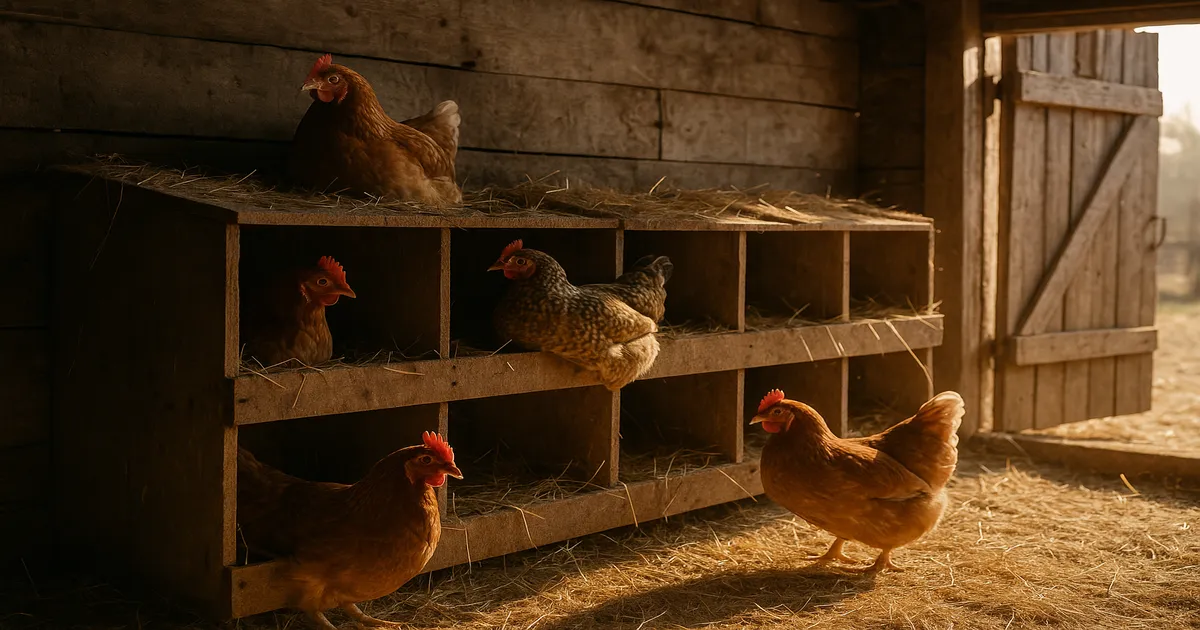
Aim for one nesting box per 3–4 hens. Replace soiled bedding promptly — damp, dirty nesting material is a breeding ground for bacteria and mites. Inspect the corners and underside of nest liners regularly, as lice and mites frequently concentrate there.
Temperature Extremes by Breed
Heat stress begins at around 90°F (32°C) and becomes life-threatening above 104°F (40°C). Heavy breeds like Buff Orpingtons and Brahmas hit their limits sooner than slender Mediterranean breeds. Shade, cool water, and good airflow are essential on hot days. (Harris Farms 5-Gallon Plastic Poultry Waterer)
On the cold side, most standard breeds handle 20–32°F (-7 to 0°C) comfortably in a dry, draft-free coop. Mediterranean breeds like Leghorns are less cold-hardy and can show stress below 40°F (4°C). Bantams lose body heat faster than large fowl and need extra attention in winter.
Nutritional Deficiencies That Mimic Illness
Calcium, Protein, and the Treat Problem
Layer feed contains 3.5–4.5% calcium, which is usually sufficient for laying hens. If you’re seeing frequent soft or shell-less eggs, add free-choice oyster shell. Never feed layer feed to chicks under 18 weeks — the high calcium load stresses developing kidneys.
Feathers are almost entirely protein. A molting hen needs 20–22% protein to regrow her plumage efficiently, and standard layer feed at 16–18% often isn’t enough. Supplement with dried mealworms or black soldier fly larvae, or switch to a higher-protein flock raiser during molt.
Scratch grains run 8–10% protein — fine as an occasional treat, not as a feed replacement. Too much scratch dilutes the nutritional value of the diet, causes obesity, reduces egg production, and can lead to fatty liver syndrome. Keep all treats, including scratch, to no more than 10% of daily intake.
Foods That Are Toxic to Hens
- Avocado (persin toxin — can be fatal)
- Chocolate
- Onions (in large amounts)
- Raw or dried beans (phytohaemagglutinin)
- Rhubarb leaves
- Green potato skins (solanine)
- Moldy food of any kind
Grit: Why It Matters More Than You Think
Hens that eat anything beyond commercial pellets — scratch, whole grains, grass, or bugs — need insoluble grit to grind food in the gizzard. Without it, food cannot be properly digested, and you may see weight loss, lethargy, and a crop that never fully empties. Offer granite grit free-choice in a separate container from oyster shell, since the two serve different functions.
Frequently Asked Questions
How do I know if my hen is sick or just molting? Molt causes significant feather loss and a drop in laying, but a molting hen is otherwise alert, eating well, and active. A sick hen typically shows additional signs — hunched posture, pale comb, abnormal droppings, or lethargy. If she’s losing feathers and looks unwell, don’t assume it’s just molt.
What is wrong with my hen if she’s eating and drinking but not laying? Several things can cause a hen to eat and drink normally while not laying: molt, reduced daylight, stress, age, or a reproductive disorder like internal laying. Check her abdomen for swelling and her comb for color changes. If she’s otherwise bright and active, start with lighting and stress as the most likely culprits.
My hen is sitting on the floor of the coop and won’t move. What should I do? This is a red flag. Check for egg binding first — feel gently around her vent and lower abdomen for a stuck egg. Also check her comb color, crop, and droppings. A hen that won’t move is usually seriously ill. Isolate her in a warm, quiet space and contact a vet if she doesn’t improve within a few hours.
Can a hen recover from Marek’s disease? Some hens with mild Marek’s symptoms do stabilize, but they remain carriers for life. There is no cure. Supportive care — warmth, easy access to food and water, and separation from the flock to reduce stress — gives the best chance of survival. Prevention through vaccination at hatch is far more effective than treatment.
How quickly does egg binding become fatal? A hen that cannot pass an egg can die within 24–48 hours. The egg puts pressure on internal organs and can rupture, causing fatal infection. If warm baths and lubrication don’t produce results within a few hours, treat it as a veterinary emergency.