Quick Answer: The most common parasites on chickens are northern fowl mites, red poultry mites, chicken lice, scaly leg mites, and internal worms or coccidia. You can identify most external parasites by parting feathers near the vent and looking for moving specks, egg clusters, or crusty leg scales. Caught early, virtually all chicken parasites are treatable — and with the right housing and inspection routine, most are preventable too.
What Is This Parasite on My Chicken? External vs. Internal Types Explained
Chicken parasites fall into two broad categories. Ectoparasites (external) live on the skin, feathers, or in the surrounding environment — think mites and lice. Endoparasites (internal) live inside the body, in the gut or respiratory tract — think worms and coccidia.
Every breed can be affected, but some are more vulnerable than others. Feather-footed breeds like Silkies, Cochins, and Brahmas are especially prone to scaly leg mites, while heavily feathered breeds like Buff Orpingtons and Australorps give lice and mites more places to hide. High-production breeds such as Rhode Island Reds and Leghorns can show more severe symptoms when their immune resources are already stretched by laying.
The good news: early identification almost always leads to fast, full recovery.
Symptom-to-Parasite Quick Reference Chart
| Symptom | Likely Parasite |
|---|---|
| Tiny moving specks on feathers or skin | Northern Fowl Mite or Chicken Lice |
| Bugs in coop cracks, not on bird during day | Red Poultry Mite |
| Crusty, raised, distorted leg scales | Scaly Leg Mite |
| Feathers breaking at the base, excessive preening | Depluming Mite or Lice |
| White worms in droppings | Roundworms or Tapeworm segments |
| Gasping, neck stretching, head shaking | Gapeworm |
| Bloody or rust-colored droppings (young birds) | Coccidiosis |
| Pale comb, weight loss, dropping egg production | Heavy mite/lice burden or internal worms |
Identifying External Parasites on Your Chicken
Northern Fowl Mite
Northern fowl mites are tiny — about 0.5–1 mm — and dark red to black after a blood meal. They spend their entire life cycle on the bird, so populations can explode from a handful to thousands within a couple of weeks. Look for them clustered around the vent, tail base, and under the wings, where you’ll see moving specks and grayish-white debris (eggs) stuck to feather bases.
To inspect, hold the bird firmly and part the feathers near the vent. Dirty, scabby-looking skin with tiny crawling dots is a strong sign of northern fowl mites.
Red Poultry Mite
Red poultry mites are sneaky. During the day they hide in coop cracks, roost bar joints, and nesting box corners. At night they crawl onto birds to feed. If your chickens seem restless after dark or reluctant to enter the coop, this parasite is a prime suspect.
To confirm, run a white cloth along roost bar joints and coop crevices after dark. Tiny gray or reddish dots that smear red when crushed mean you’ve found them. Smooth metal or plastic roost bars are significantly harder for these mites to colonize than rough-cut lumber with exposed end grain. The Omlet Freestanding Chicken Perch is a good example of a smooth, easy-to-clean option .
Chicken Lice
Chicken lice are flat, fast-moving, pale yellow insects ranging from 1–6 mm depending on species. Unlike mites, they feed on skin debris and feather material rather than blood — but a heavy infestation still causes serious stress. Look for adults moving quickly along feather shafts and clusters of eggs (nits) cemented to feather bases near the vent and under the wings.
Nits are easy to mistake for feather debris, but they won’t brush off — they’re firmly glued to the shaft. Heavy-feathered breeds need a more thorough parting of the plumage to find them.
Scaly Leg Mite
Scaly leg mites (Knemidocoptes mutans) are microscopic and burrow under the leg scales, causing a characteristic crusting and lifting. Healthy chicken legs are smooth and flat. If the scales look raised, thickened, or encrusted — especially in feather-footed breeds — scaly leg mite is the likely culprit.
Early cases are easy to miss because the changes are gradual. Check leg scales monthly as part of your regular inspection routine, and pay extra attention to Silkies, Cochins, and Frizzles.
Depluming Mite
Depluming mites burrow into feather quills, causing feathers to break off at the base or be pulled out by the bird during frantic preening. The result looks a lot like a partial molt — patchy feather loss, often around the head and neck. If your bird is preening obsessively but you can’t find lice or northern fowl mites on the skin surface, examine the quill bases closely with a magnifying glass.
Identifying Internal Parasites in Chickens
Roundworms
Roundworms (Ascaridia galli) are the most common internal parasite in backyard flocks. They’re 2–4.7 inches (5–12 cm) long, white to cream in color, and occasionally visible in droppings — though most infestations are confirmed by a fecal float test. Symptoms include weight loss, diarrhea, reduced laying, and pale combs in heavily infected birds.
Cecal Worms and Blackhead Disease
Cecal worms (Heterakis gallinarum) are small — up to 0.6 inches (1.5 cm) — and rarely cause serious harm on their own. Their real danger is that they carry the protozoan Histomonas meleagridis, the cause of blackhead disease, which is deadly in turkeys. If you keep a mixed flock, cecal worm management matters more than most keepers realize.
Tapeworms
Tapeworms can grow up to 10 inches (25 cm) and are transmitted through intermediate hosts like earthworms, beetles, and snails — common finds in free-ranging flocks. You may see small, flat, rice-like segments in the droppings. Infected birds often lose weight despite eating normally.
Gapeworm
Gapeworm (Syngamus trachea) lives in the trachea, where male and female worms lock together in a red, Y-shaped pair. The result is a bird that gasps, stretches its neck repeatedly, and shakes its head as if trying to dislodge something — sometimes called “the gapes.” If multiple birds show these signs, treat urgently. Severe infestations can cause suffocation.
Coccidiosis
Coccidiosis is caused by Eimeria protozoa that destroy the intestinal lining. The hallmark symptom is bloody or rust-colored droppings, usually in chicks and young birds under 6 months old. Adult birds often develop immunity through gradual exposure, but stressed hens can still be affected. A vet fecal test is the gold standard for confirming any internal parasite — don’t guess when it comes to treatment.
How Parasites Affect Egg Production
Know Your Baseline
Before you can spot a parasite-driven production drop, you need to know what healthy output looks like for your breed:
- Rhode Island Red: 5–6 eggs/week, ~250–300 eggs/year
- Leghorn: 6–7 eggs/week, ~280–320 eggs/year
- ISA Brown: 6–7 eggs/week, ~300–320 eggs/year
- Plymouth Rock (Barred Rock): 4–5 eggs/week, ~200–250 eggs/year
- Buff Orpington: 3–4 eggs/week, ~150–200 eggs/year
Mites, Lice, and Laying
Northern fowl mites alone can reduce egg production by 10–15% in moderate infestations and up to 25–40% in severe cases. Red poultry mites feed nightly, and a hen losing 3–5% of her blood volume per night will redirect energy away from egg production within just 7–10 days. When a hen’s hemoglobin drops below 7 g/dL — normal is 9–13 g/dL — she stops laying entirely. That is a veterinary emergency.
Heavy lice burdens cause a similar but slower drain, typically reducing production by 15–20% through chronic stress.
Internal Worms and Shell Quality
Roundworm infestations compete directly with the hen for absorbed nutrients. Research shows infected hens lay eggs with thinner shells and reduced yolk quality. Supplementing calcium alone won’t fix this — treat the worms first, then reassess shell quality over 3–4 weeks as the gut heals.
Seasonal Pressure
Mite and lice populations can double every 7–10 days in temperatures above 70°F (21°C), making summer the peak pressure season. Red poultry mites go dormant below 40°F (4°C), but northern fowl mites remain active year-round, causing quietly damaging winter infestations. During molt — typically August through November — birds are already nutritionally stressed. A parasite burden at this time can extend the molt by 2–4 weeks and push your return-to-laying date well into winter.
Treating Chicken Parasites
External Treatments: Permethrin, Pyrethrin, and Spinosad
Permethrin dust or spray (0.25%) is the most widely used treatment for northern fowl mites and lice. Apply directly to the vent area, under the wings, and along the back. A second application 7–10 days later is essential to kill newly hatched mites that survived the first round. Durvet Permethrin 10% concentrate is a cost-effective option for treating both birds and coop surfaces .
Spinosad, sold as Elector PSP, is highly effective and approved for use around food animals. A single treatment applied to both birds and coop surfaces is often sufficient, though a follow-up is wise in heavy infestations .
Ivermectin and Selamectin: Off-Label Options
Ivermectin (0.2 mg/kg orally or topically) is widely used off-label for both external and some internal parasites. It is not FDA-approved for poultry in the US, and you must observe a minimum 14-day egg withdrawal period — no eating those eggs during that time. Always consult a vet before using it. Selamectin (Revolution) is a topical spot-on option that’s effective but expensive and also off-label.
Dewormers for Internal Parasites
- Fenbendazole (Safeguard Aquasol) treats roundworms, cecal worms, and tapeworms; dosing and withdrawal periods vary, so follow veterinary guidance
- Piperazine is effective against roundworms specifically and is available over the counter in many regions
- Levamisole works for roundworms and cecal worms but requires careful dosing
A fecal float test from your vet tells you exactly which worms are present, so you’re treating the right thing rather than guessing.
Treating Coccidiosis
Amprolium (sold as Corid) is the standard treatment for coccidiosis. It’s added to drinking water and works by blocking thiamine uptake in the coccidia, starving the parasite. Treatment typically runs 5–7 days. Remove all other water sources during treatment to ensure birds receive the full dose .
Natural and Supportive Remedies
Food-grade diatomaceous earth (DE) in dust baths and nesting boxes acts as a physical desiccant, damaging the exoskeletons of mites and lice. It’s a useful preventive tool but won’t clear a heavy infestation on its own. Apple cider vinegar, garlic water, and pumpkin seeds have mild or anecdotal antiparasitic properties — treat them as supportive measures, not replacements for proven treatments. Pumpkin seeds contain cucurbitacin, which has mild anthelmintic properties; offer 1–2 tablespoons per bird weekly as a preventive.
When to Call a Vet
Call a vet if you see:
- Severe anemia (very pale comb, weakness, inability to stand)
- Gasping or labored breathing in multiple birds
- Bloody droppings spreading rapidly through young chicks
- Multiple bird deaths with no obvious cause
- No improvement after two full rounds of treatment
Coop and Housing: Reducing Parasite Risk
Space and Stocking Density
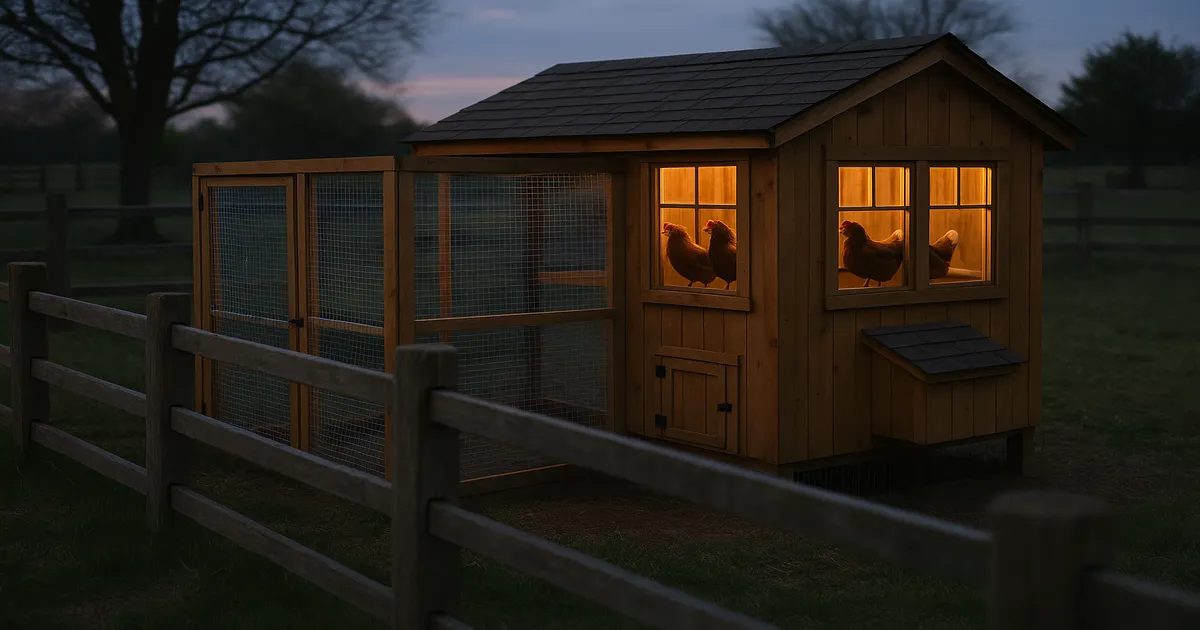
Overcrowding is the single biggest housing factor that accelerates parasite spread. The minimum indoor space is 4 sq ft per standard bird, but 6–8 sq ft is far better for parasite prevention. Outdoors, aim for at least 10 sq ft per bird in the run — ideally 20–25 sq ft, which dramatically reduces ground-borne pressure from coccidia and worms.
Roost Bar Design
Rough-cut lumber with cracks and end grain gives red poultry mites ideal harborage. Smooth, round metal or PVC roost bars are much harder for mites to colonize. Aim for a 1.5–2 inch diameter, space birds 8–10 inches apart, and position bars 18–36 inches off the floor.
Nesting Box Hygiene
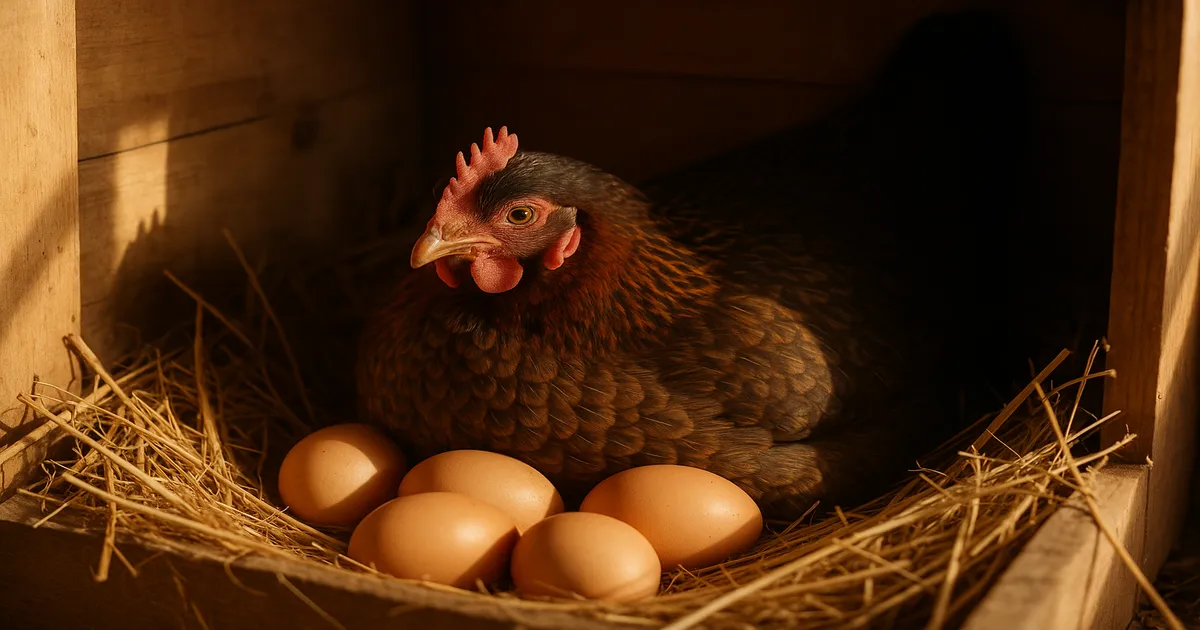
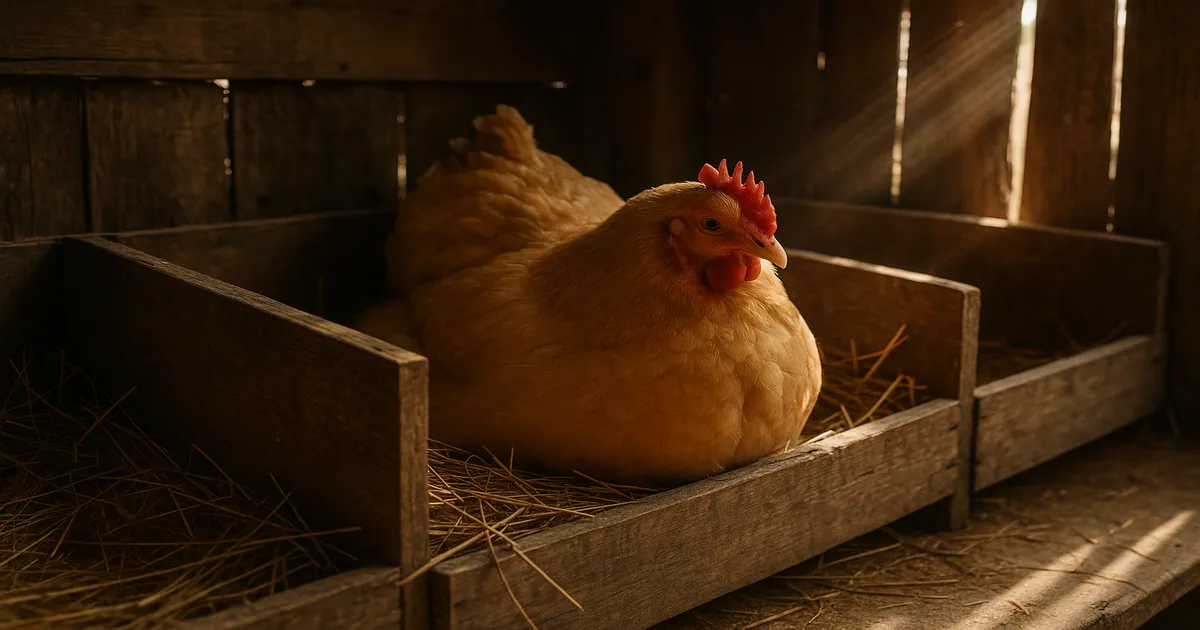
Replace nesting box bedding every 2–3 weeks under normal conditions. During an active infestation, do a full replacement and dust the corners lightly with food-grade DE. Mites and lice lay eggs in nesting material, so leaving old bedding in place during treatment undermines everything else you’re doing.
Ventilation and Humidity
Provide at least 1 sq ft of ventilation per 10 sq ft of coop floor space, positioned high on opposite walls for cross-ventilation. Ammonia above 25 ppm weakens respiratory immunity, making birds more susceptible to every parasite and pathogen. Keep relative humidity below 70% — high humidity speeds up mite egg hatching and coccidia oocyst development.
Dust Baths
A well-maintained dust bath is genuinely effective at suppressing mites and lice. Provide at least a 2×2 ft area per 4 birds and fill it with a 2:1:1 mix of fine dirt, wood ash, and food-grade DE. Chickens will self-treat daily if the bath is accessible and dry. Keep it covered or sheltered from rain.
Sealing Cracks and Rodent Control
Red poultry mites can squeeze through gaps as small as 0.5 mm. Seal all cracks and crevices — especially around roost bar mounts and nesting box corners — with caulk or wood filler. Elevate the coop 12–18 inches off the ground to eliminate rodent harborage, since rodents are a major vector for bringing mites and lice into your flock. A hardware cloth skirt extending 12 inches outward stops burrowing entirely.
The deep litter method, when managed correctly (turned weekly, maintained at 6–12 inches depth), supports beneficial microorganisms that actively suppress coccidia oocyst populations — a genuinely useful passive prevention tool.
Nutrition During and After Parasite Treatment
Boost Protein for Recovery
During and after a parasite infestation, temporarily switch to a feed with 18–20% protein — a flock raiser or grower formula works well. This supports feather regrowth, immune function, and red blood cell production in anemic birds. Standard layer feed at 16–18% protein is often not enough when birds are actively recovering.
Iron-Rich Foods for Mite-Anemic Birds
For birds recovering from blood-sucking mite infestations, add iron-rich foods to the diet:
- Cooked egg yolk
- Dark leafy greens (spinach, kale)
- Black soldier fly larvae, such as Grubblies, which are also high in calcium
These won’t replace medical treatment but meaningfully support red blood cell recovery alongside it.
Calcium and Shell Quality After Worm Treatment
If you’re seeing thin-shelled or shell-less eggs and suspect roundworms, supplementing oyster shell won’t solve the problem until the worms are treated. The worms interfere with nutrient absorption, so no amount of calcium will compensate. Treat the infestation first, then offer oyster shell free-choice and reassess shell quality over 3–4 weeks.
Frequently Asked Questions About Chicken Parasites
Q: What is this parasite on my chicken — how do I tell mites from lice? Mites are arachnids (eight legs) and are usually smaller and rounder; many species also feed on blood. Lice are insects (six legs), flatter, and feed on feather material and skin debris rather than blood. Both are visible to the naked eye if you part the feathers near the vent, but a magnifying glass helps. Mites often leave sooty debris; lice leave nit clusters glued to feather shafts.
Q: Can chicken parasites spread to humans or pets? Most poultry-specific parasites — including northern fowl mites, chicken lice, and scaly leg mites — cannot complete their life cycle on humans or dogs and cats. However, red poultry mites can bite humans and cause temporary skin irritation if you handle heavily infested birds or spend time in an infested coop. They won’t establish on you, but the bites are unpleasant.
Q: How often should I check my chickens for parasites? Do a hands-on inspection at least once a month. Part the feathers near the vent, check under the wings, and examine the legs. During summer — peak mite and lice season — inspect every two weeks. Any time a bird looks off (pale comb, weight loss, reduced laying, excessive preening), check immediately rather than waiting for your next scheduled inspection.
Q: Are there parasites that are dangerous to my whole flock quickly? Yes. Gapeworm can cause suffocation in severe cases, and coccidiosis can kill young chicks within days if untreated. A rapid northern fowl mite explosion can push multiple hens into life-threatening anemia within weeks. If several birds show symptoms at once, treat urgently and call a vet.
Q: Do I need to treat the coop as well as the birds? Always, for external parasites. Red poultry mites live primarily in the coop, not on the bird, so treating only the birds will fail. Even for northern fowl mites and lice — which do live on the bird — treating coop surfaces, nesting boxes, and roost bars at the same time prevents rapid reinfection.