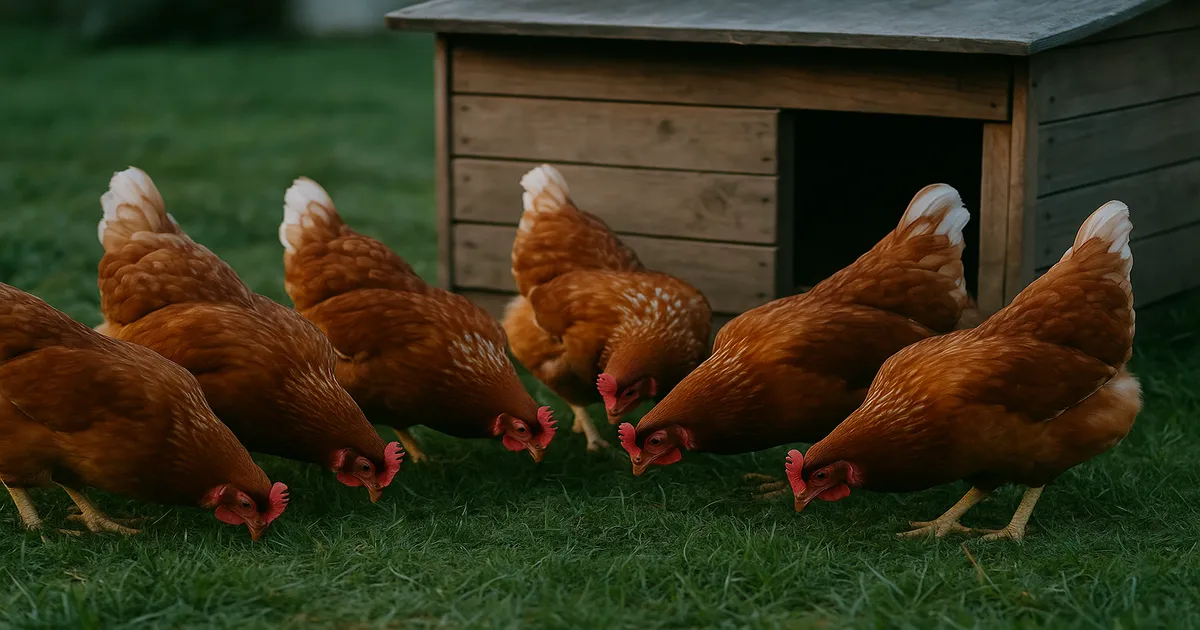
Quick Answer: ISA Browns are friendly, low-maintenance hybrid hens that lay an extraordinary 300–350 eggs per year — more than almost any other chicken. They thrive on 16–18% protein layer feed, need a minimum of 4 sq ft of indoor coop space per bird, and start laying as early as 16 weeks old. Get their housing, nutrition, and health basics right, and they’ll reward you with eggs nearly every day.
If you’re figuring out how to take care of ISA Brown chickens, you’ve chosen one of the most rewarding birds a backyard keeper can own. They’re gentle, prolific, and genuinely enjoy human company. That said, their intense egg production comes with specific needs — particularly around calcium, coop space, and reproductive health — that are worth understanding before your first flock arrives.
ISA Brown Chicken Care at a Glance
| Care Area | Requirement |
|---|---|
| Indoor coop space | 4 sq ft minimum; 6–8 sq ft recommended |
| Outdoor run space | 10 sq ft minimum; 15–20 sq ft preferred |
| Layer feed protein | 16–18% crude protein |
| Daily feed per hen | 110–150 g (¼–⅓ lb) |
| Daily water per hen | 1–2 cups (doubles above 85°F/29°C) |
| Egg production (Year 1) | 300–350 eggs (6–7 per week) |
| Laying onset | 16–18 weeks |
| Lifespan | 5–8 years; peak lay in Years 1–2 |
What Makes ISA Browns Different from Other Chickens?
ISA Browns aren’t a true breed — they’re a proprietary sex-link hybrid developed in France in 1978 by Institut de Sélection Animale (ISA, now part of Hendrix Genetics). The parent breeds are a trade secret, but Rhode Island Reds, Rhode Island Whites, and possibly White Leghorns are widely believed to be involved. Because they’re an F1 hybrid cross, hatching ISA Brown eggs won’t produce consistent ISA Brown offspring.
The result is a hen engineered almost entirely for egg production. At 300–350 eggs per year, they significantly outpace heritage breeds like Rhode Island Reds (200–280) and Buff Orpingtons (175–200). They also start laying at just 16–18 weeks — several weeks ahead of most traditional breeds.
At feed stores, ISA Browns may be sold under names like Hubbard ISA, Shaver Brown, or simply “brown egg layers.” Always ask for the specific hybrid name so you know exactly what you’re getting.
Temperament and Appearance
ISA Browns are among the most people-oriented chickens you can keep. They’re often called “lap chickens” — they’ll follow you around the yard, tolerate handling from children, and rarely show aggression toward flockmates or humans. Their docile nature does mean they can be bullied by more assertive breeds, so keep that in mind when mixing flocks.
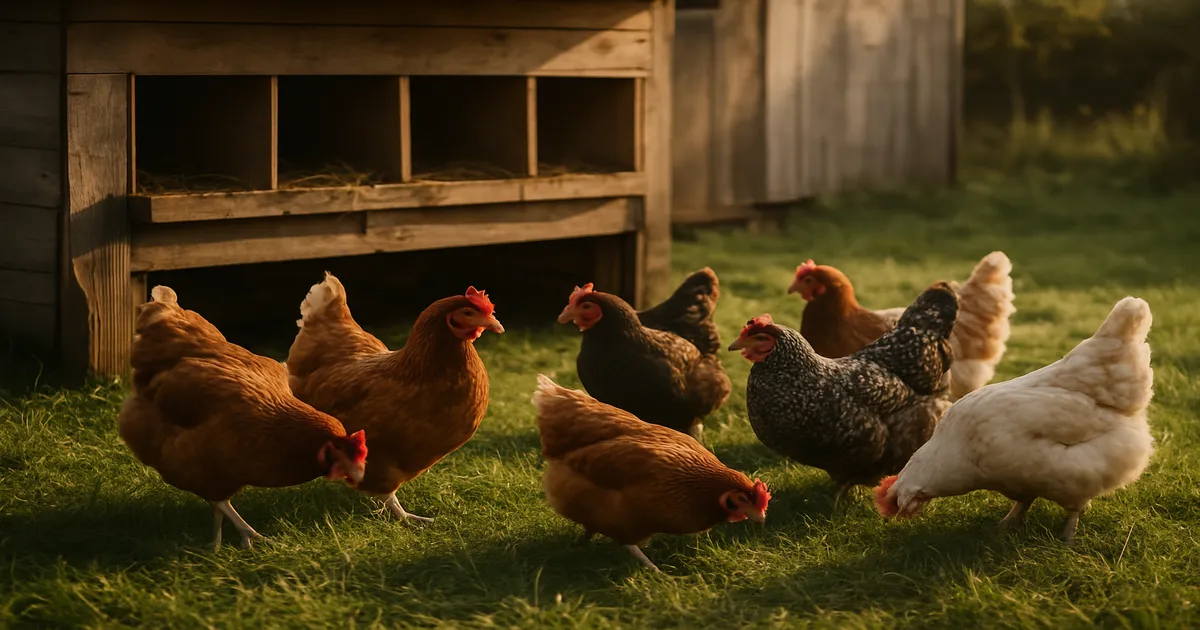
Hens are a warm reddish-brown to chestnut, often with cream or white tipping around the neck and tail. Males hatch white or cream — this sex-link coloring allows near-100% accurate sexing at hatch, which is a big part of their commercial appeal. Mature hens weigh 4.5–5.5 lbs and have a single red comb, yellow legs, and orange-red eyes.
Lifespan and What to Expect Over the Years
ISA Browns typically live 5–8 years, but their productive life is front-loaded. Years 1 and 2 deliver peak performance. By Year 3, production usually drops to 150–200 eggs annually and continues declining from there. Many commercial operations cull at 18 months for this reason. Backyard keepers, however, often keep hens as pets long after production slows — and that’s a perfectly reasonable choice.
ISA Brown Egg Production: What to Realistically Expect
Output, Timing, and Egg Quality
At peak, ISA Browns produce 6–7 eggs per week per hen. A flock of six can realistically deliver 35–42 eggs weekly. Most hens begin laying at 16–18 weeks, with summer-hatched pullets sometimes starting as early as 15 weeks due to longer daylight hours. The first few eggs will be small — that’s completely normal. Egg size stabilizes within 4–6 weeks of the first lay.
Expect large to extra-large brown eggs, typically grading 24–27 oz per dozen by USDA standards. Hens that free-range produce noticeably richer, more orange yolks — a nice bonus if you can give them outdoor access.
How Production Changes Year by Year
- Year 1: 300–350 eggs
- Year 2: 200–280 eggs (roughly 20–30% decline)
- Year 3+: 150–200 eggs, declining 15–20% annually
Without supplemental lighting, production can drop 30–50% during months with fewer than 14 hours of daylight. A simple timer-controlled coop light can largely prevent this — more on that in the seasonal care section.
Do ISA Browns Go Broody?
Rarely. The broody instinct has been almost entirely bred out through commercial selection. Only about 1–5% of hens will ever attempt to go broody, and those that do often abandon the nest partway through. If you want to hatch eggs, use a Buff Orpington or Silkie as your broody hen instead.
How to Take Care of ISA Brown Chickens: Coop and Housing
Space, Roosts, and Nesting Boxes
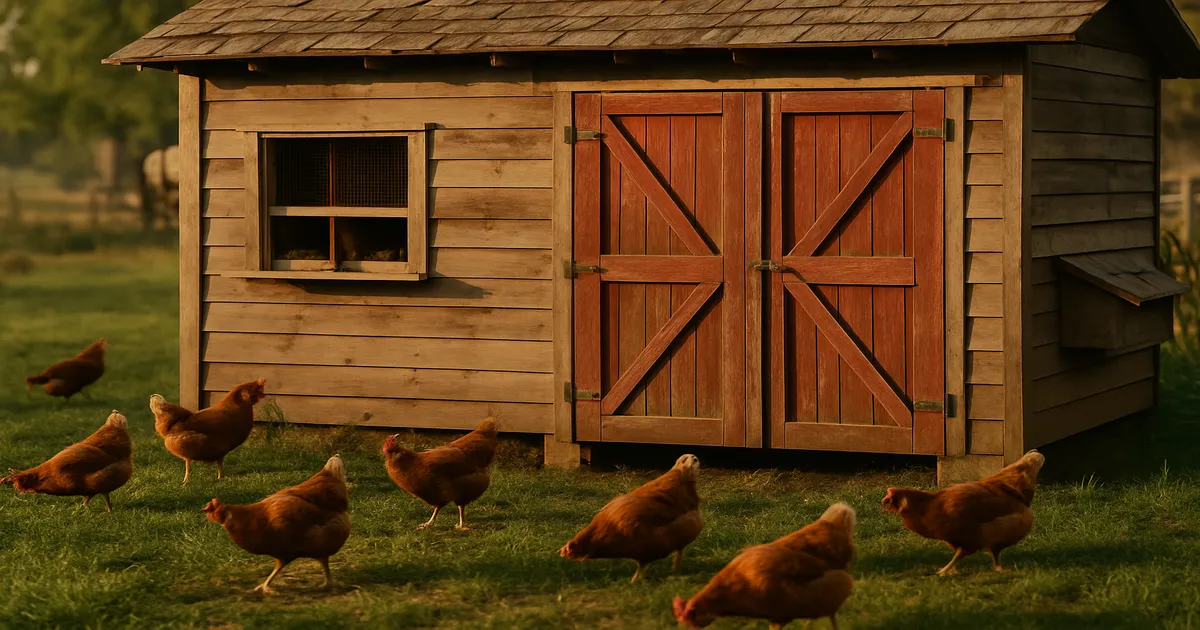
The absolute minimum is 4 sq ft per bird indoors, but 6–8 sq ft is strongly recommended. Overcrowding is the leading cause of feather pecking, vent pecking, and disease spread — don’t cut corners here. For the outdoor run, plan for at least 10 sq ft per bird, and ideally 15–20 sq ft. ISA Browns are active foragers and will use every inch you give them.
Give each bird 8–12 inches of linear roost space. Bars should sit 2–4 feet off the ground and be 2–4 inches in diameter — wide enough for hens to cover their feet with their breast feathers while sleeping, which helps prevent frostbite. Avoid narrow round dowels. Space multiple bars at least 12–18 inches apart horizontally so birds on upper bars aren’t contaminating those below.
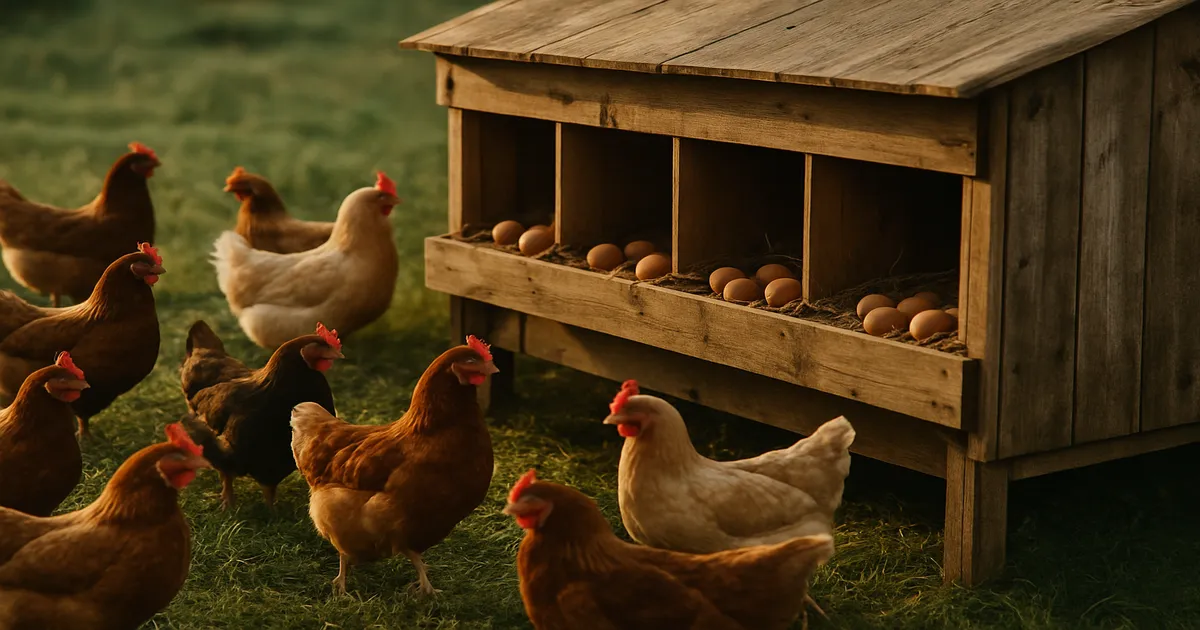
Use one 12×12×12-inch nesting box per 3–4 hens. For a flock of six, that means two boxes minimum, three preferred. Line them with 3–4 inches of pine shavings, straw, or hemp bedding. Position nesting boxes lower than roost bars — hens always prefer the highest perch for sleeping, and you don’t want them roosting (and pooping) in the boxes. Rollaway nesting boxes are worth considering for ISA Browns specifically, since their high output makes daily egg collection a priority.
Ventilation, Insulation, and Cold Weather
Aim for roughly 1 sq ft of ventilation opening per 10 sq ft of floor space. Position vents high on the walls or in the eaves — above roost level — so moisture and ammonia escape without creating drafts on sleeping birds. If you can smell ammonia when you walk in, ventilation is inadequate. Cover all vents with ½-inch hardware cloth; standard window screen tears too easily under predator pressure.
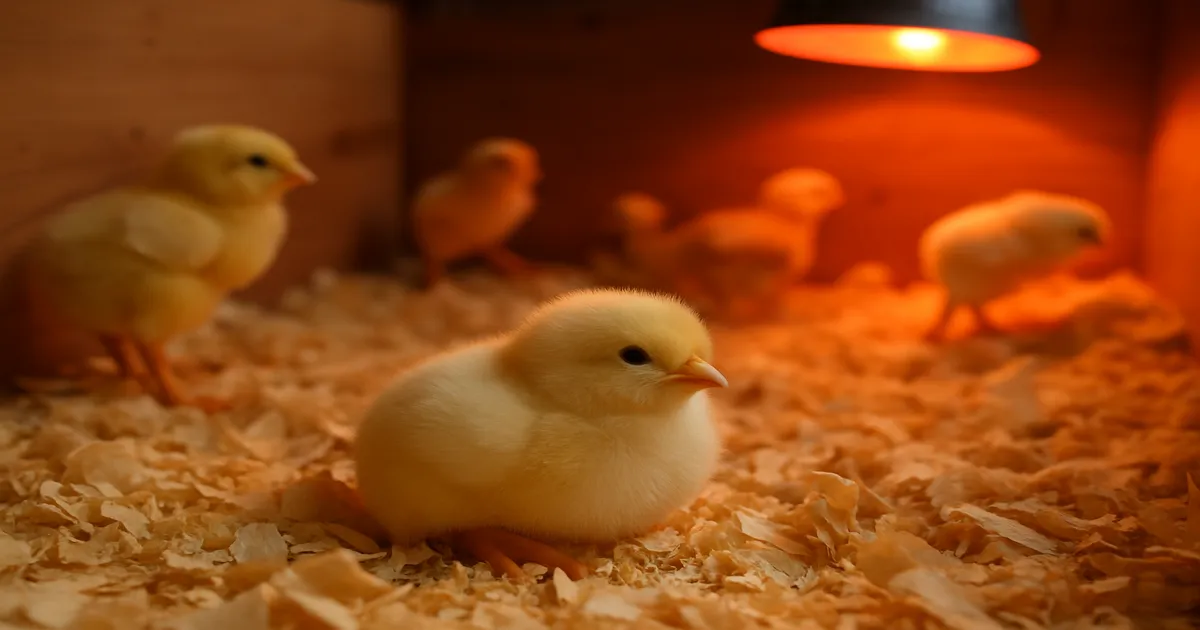
ISA Browns are moderately cold-hardy but not as robust as heavy heritage breeds. In colder climates, insulate your coop walls and ceiling and aim to keep interior temps above 20°F (-7°C). A flock of six or more generates significant body heat, and a well-insulated coop usually stays safe without supplemental heating. When temperatures consistently drop below 0°F (-18°C), a flat-panel radiant heater is a much safer choice than a heat lamp — coop fires from heat lamps are a real and preventable tragedy.
Predator-Proofing
- Hardware cloth: Use ½-inch galvanized hardware cloth on all openings and run walls. Chicken wire keeps chickens in — it does not keep predators out.
- Apron skirt: Extend hardware cloth 12–18 inches horizontally outward from the run base, pinned flat to the ground, to stop digging predators like foxes and raccoons.
- Covered run: Roof the run with hardware cloth or welded wire to block hawks and climbing predators.
- Secure latches: Use carabiner clips or padlocks — raccoons can open standard hook-and-eye latches.
- Automatic coop door: A timer- or light-sensor-activated door is one of the highest-value predator investments you can make. One forgotten evening is all it takes.
Feeding ISA Brown Chickens for Health and Egg Production
Layer Feed, Protein, and Calcium
Transition pullets to layer feed at 16–18 weeks — not before. High calcium in layer feed can damage young kidneys. Pellets are the most efficient format: least waste, easiest to manage, and ideal for production flocks. Crumbles work well for pullets making the switch from chick starter.
Standard layer feed runs 15–18% crude protein. For ISA Browns, aim for the higher end — 16–18% — especially during peak lay. During molt, temporarily bump protein to 18–20% by switching to a flock raiser feed and adding high-protein treats like mealworms, black soldier fly larvae, or scrambled eggs. Feather regrowth is protein-intensive, and skimping will slow the process noticeably.
Laying hens need 4–5 grams of calcium per day to produce strong shells. Always offer free-choice oyster shell in a separate container — hens self-regulate and take what they need. Crushed eggshells (baked at 250°F for 30 minutes, then crushed) are a free alternative. Thin, soft, or shell-less eggs are a clear sign calcium intake is falling short.
Grit, Treats, and Water
Grit and oyster shell are not the same thing. Oyster shell provides calcium; insoluble grit — granite or flint — stays in the gizzard and physically grinds food. Any hen eating treats, scratch, or forage needs access to grit. Offer hen-sized granite grit in a separate container, free-choice. Hens with access to natural soil and gravel often self-supplement, but confined hens cannot.
Keep treats to 10% or less of the daily diet — excess treats dilute the protein and calcium your hens need.
Safe options: leafy greens, berries, watermelon, cooked squash, oats, mealworms
Never feed: avocado (the compound persin causes cardiac failure in birds), chocolate, onions, raw beans, rhubarb leaves, or heavily salted foods
Each hen drinks 1–2 cups of water per day under normal conditions — that doubles above 85°F (29°C). In winter, use a heated waterer to keep water liquid and accessible. Dehydration tanks egg production faster than almost anything else, so don’t underestimate this.
Common Health Problems in ISA Brown Chickens
Marek’s Disease
Marek’s is a highly contagious herpesvirus that spreads through airborne dander. Symptoms include progressive leg or wing paralysis, a gray iris (“gray eye”), tumors, and sudden death. There’s no treatment — vaccination at hatch is the only protection. Most reputable hatcheries vaccinate ISA Brown chicks automatically, but always confirm when you purchase.
Coccidiosis
Coccidiosis, caused by Eimeria protozoa, hits hardest between 3–6 weeks of age. Watch for bloody or watery diarrhea, lethargy, hunched posture, and a pale comb. Treat immediately with Amprolium (Corid) at 1½ teaspoons of the liquid (or ½ teaspoon of the soluble powder) per gallon of water as the sole water source for 5–7 days. Important: don’t combine medicated chick starter with a coccidiosis vaccine — the amprolium in the feed neutralizes the vaccine.
Mites and Lice
Check your birds weekly by parting feathers around the vent and under the wings. Look for tiny moving specks, feather damage, or dark “pepper” residue at the feather base. For red roost mites, run a flashlight along roost bars after dark — the mites are easier to spot when they’re active. Treat affected birds with a permethrin-based poultry dust or spray and clean the coop thoroughly. A dust bath area with food-grade diatomaceous earth helps hens maintain their own parasite defense between checks.
Reproductive Health Issues
ISA Browns’ extraordinary laying rate comes with a trade-off: they’re more prone to reproductive problems than lower-production breeds. The three to watch for are:
- Egg yolk peritonitis — yolk material enters the body cavity, causing infection; symptoms include lethargy, a swollen abdomen, and a “penguin” posture
- Internal laying — eggs are deposited internally rather than passing through the oviduct normally
- Prolapsed vent — part of the oviduct protrudes outside the body after laying; requires immediate veterinary attention
These conditions become more common after Year 2. Knowing the warning signs early can make the difference between a recoverable situation and a loss.
Weekly Health Checks
A quick two-minute scan each week can catch problems before they escalate:
- Comb and wattles: Bright red is healthy; pale or purple signals a circulation or health issue
- Weight: Pick each bird up regularly — sudden weight loss is often the first sign of illness
- Droppings: Normal is brown/tan with white urates; bloody, very watery, or foamy droppings need investigation
- Feather condition: Broken or missing feathers outside of molt suggest parasites or pecking
- Vent area: Should be clean and moist; dirty, swollen, or pecked vents need attention
- Eyes and nostrils: Clear, bright, and discharge-free
- Behavior: A hen standing apart from the flock, hunched, or unusually quiet is telling you something’s wrong
Seasonal Care for ISA Brown Chickens
Winter
The single comb on an ISA Brown is moderately vulnerable to frostbite. In extreme cold, apply a thin layer of petroleum jelly to combs and wattles. Keep waterers thawed — hens won’t drink icy water, and dehydration drops egg production fast. Don’t seal the coop airtight trying to keep it warm; moisture and ammonia buildup are more dangerous than cold air.
To maintain winter production, add a low-wattage bulb on a timer to bring total daily light exposure to 14–16 hours. This mimics longer days and keeps hens laying through the darker months.
Summer
Heat stress hits ISA Browns above 85°F (29°C). Watch for panting, wings held out from the body, and pale combs. Provide deep shade, increase ventilation, and offer cool fresh water multiple times a day. Frozen treats like watermelon chunks or frozen berries genuinely help. Water intake doubles in hot weather, so check waterers more frequently than you think you need to.
Managing the Annual Molt
Molt typically happens in fall and lasts 8–12 weeks. Egg production stops or drops sharply during this time — that’s completely normal. Hens are redirecting protein toward feather regrowth, so boost their diet to 18–20% protein during this period. Once new feathers are fully in, switch back to standard layer feed and production will resume.
Frequently Asked Questions About ISA Brown Chicken Care
How long do ISA Brown chickens live? ISA Browns typically live 5–8 years. Peak egg production occurs in Years 1 and 2, after which output declines steadily. Many backyard keepers keep hens well past their prime laying years as pets.
Are ISA Browns good for beginners? Yes — they’re one of the best starter chickens available. They’re calm, easy to handle, rarely aggressive, and their high egg output makes the learning curve feel very rewarding very quickly.
Can ISA Browns handle cold winters? They’re moderately cold-hardy. Their single comb is susceptible to frostbite in extreme cold, so apply petroleum jelly during freezing snaps and ensure the coop stays above 20°F (-7°C). They are not as cold-tolerant as heavy dual-purpose breeds like Wyandottes or Dominiques.
Why has my ISA Brown stopped laying? The most common reasons are molt, reduced daylight hours, heat stress, illness, or a nutritional deficiency — particularly calcium or protein. Rule these out in order before assuming something more serious is wrong.
Can I hatch ISA Brown chicks from my hens’ eggs? Technically yes, but the offspring won’t be true ISA Browns. Because ISA Browns are an F1 hybrid, their chicks will be genetically inconsistent — you won’t get the same high production or sex-link coloring in the next generation.