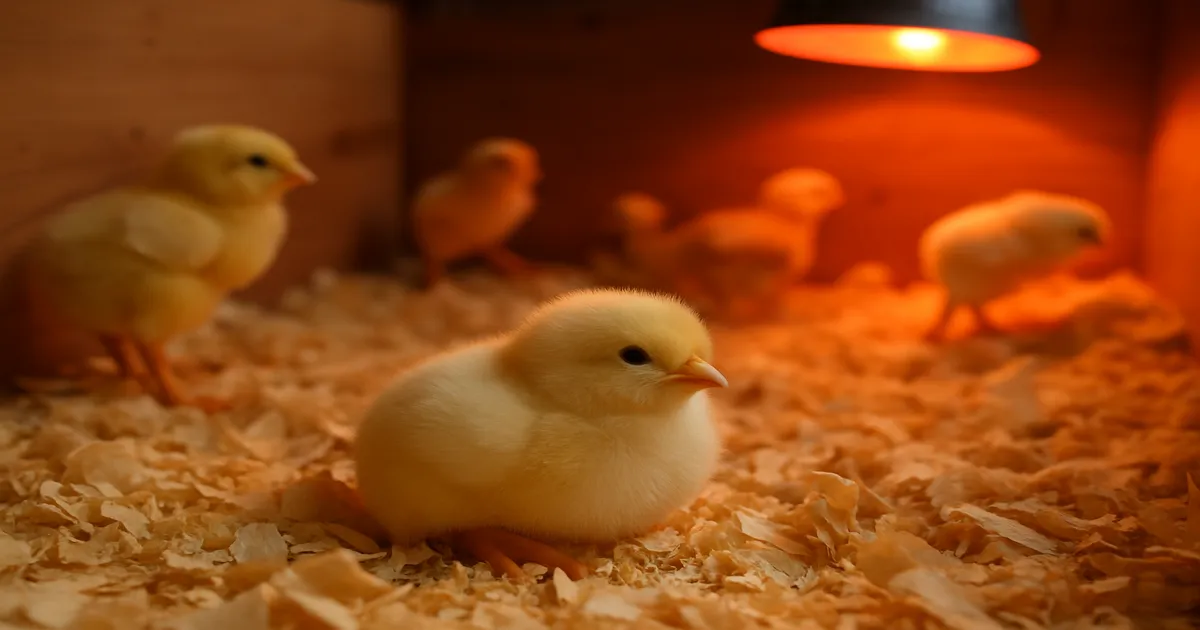
Quick Answer: Learning how to grow chickens at home comes down to five essentials — picking the right breed, setting up a safe coop, feeding correctly at each life stage, staying on top of health, and understanding when and how much your hens will lay. Most backyard hens start laying at 18–24 weeks, eat about ¼ lb of feed per day, and need at least 4 sq ft of indoor coop space each.
Raising backyard chickens is one of the most rewarding things you can do with a small patch of outdoor space. But knowing how to grow chickens at home the right way makes all the difference between a thriving flock and an expensive learning curve. This guide covers everything from choosing your first breed to keeping hens healthy through summer and winter.
Realistic expectations upfront: Startup costs typically run $300–$700 for a small flock of 4–6 hens, covering coop, chicks, feed, and basic supplies. Plan for roughly 15–30 minutes of daily chores plus a deeper clean every one to two weeks. In return, you get fresh eggs, natural pest control, and genuinely entertaining backyard companions.
Choosing the Right Breed When Growing Chickens at Home
This is the single most important decision you’ll make as a new keeper. The wrong breed for your climate, space, or goals creates headaches from day one.
Best Beginner Breeds: Rhode Island Red, Buff Orpington, and Plymouth Rock
These three are the classic starter trio for good reason. Rhode Island Reds are confident, productive layers of 5–6 brown eggs per week, and they handle almost any climate. Buff Orpingtons are calm, cold-hardy, and wonderful with kids — though they’ll give you only 3–4 eggs per week. Plymouth Rocks (Barred Rocks) split the difference: friendly, cold-tolerant, and reliably productive at 4–5 eggs per week.
Top Egg-Laying Breeds: Leghorn, Australorp, and Sex-Links
If maximum egg output is your goal, these are your birds. Leghorns are lean, active, and can produce 5–7 white eggs per week — up to 320 per year — but they’re flighty and don’t enjoy being handled. Australorps are calmer and nearly as productive (250–300 brown eggs per year), and they handle both heat and cold well. Sex-links (Golden Comet, Black Star, Red Star) are hybrid crosses that deliver 5–6 brown eggs per week with impressive consistency. They’re easy to sex at hatch, which makes them a practical choice for beginners who want results fast.
Family-Friendly Breeds: Easter Egger and Silkie
Easter Eggers lay blue and green eggs — which never gets old — and they’re gentle enough for children to handle. Silkies are more pet than poultry. They lay just 2–3 small cream eggs per week, but their fluffy appearance and docile personality make them a favorite for families with young kids.
Standard vs. Bantam: Which Size Is Right for You?
Bantam breeds are roughly one-quarter to one-half the size of standard birds. They eat less, need less space (around 2 sq ft per bird indoors), and are easier for children to handle. The trade-off is smaller eggs and lower production. If you’re tight on space but still want a small flock, bantams are worth considering — just don’t expect to replace your grocery store egg habit with them.
Heritage Breeds vs. Commercial Hybrids
Heritage breeds like Wyandottes and Dominiques grow slower and lay fewer eggs, but they’re hardier, longer-lived, and better foragers. Commercial hybrids hit peak production fast, but output drops off more sharply after years two and three. If eggs are the priority, go hybrid. If you want a flock that sustains itself for years, go heritage.
| Breed | Eggs/Week | Eggs/Year | Egg Color | Temperament |
|---|---|---|---|---|
| Rhode Island Red | 5–6 | 250–300 | Brown | Confident |
| Buff Orpington | 3–4 | 150–200 | Light brown | Very calm |
| Plymouth Rock | 4–5 | 200–280 | Brown | Friendly |
| Leghorn | 5–7 | 280–320 | White | Active/flighty |
| Australorp | 4–5 | 250–300 | Light brown | Calm |
| Easter Egger | 3–4 | 150–200 | Blue/green | Gentle |
| Silkie | 2–3 | 80–120 | Cream | Very docile |
| Golden Comet | 5–6 | 250–330 | Brown | Friendly |
Setting Up Your Coop and Run
How Much Space Do Chickens Really Need?
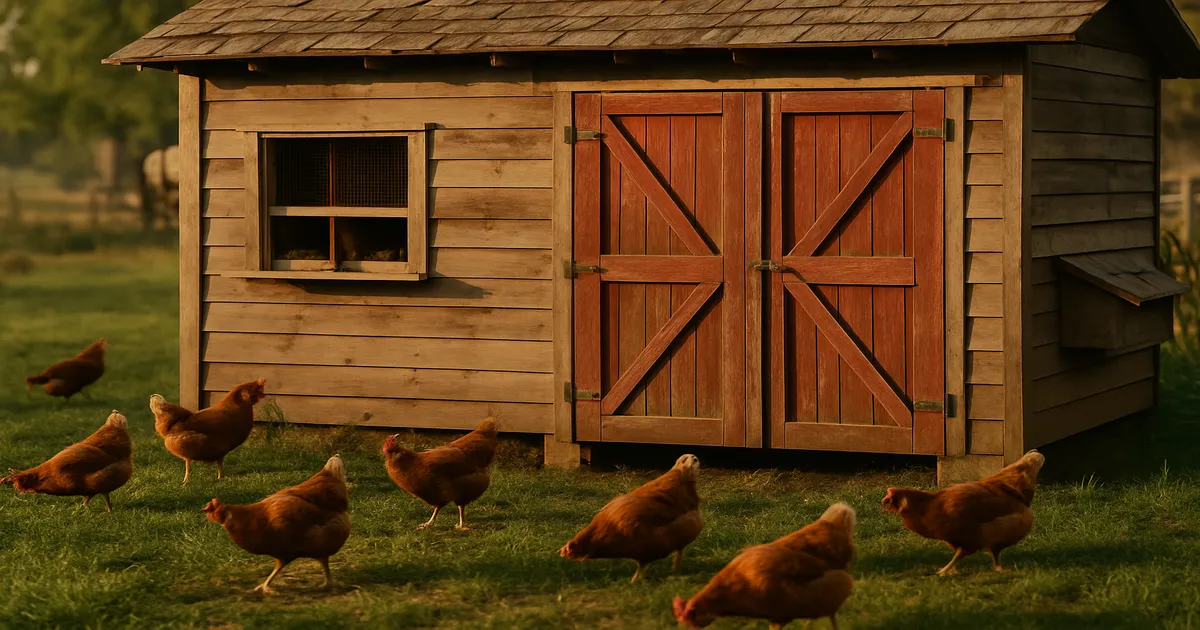
The numbers matter: 4 sq ft per bird inside the coop (6–8 sq ft is better), and 10 sq ft per bird in the run at minimum — ideally 15–20 sq ft. Overcrowding is the leading cause of feather pecking, stress, and disease. If you’re free-ranging, aim for 250 sq ft or more per bird when possible.
Roost Bars, Nesting Boxes, and Ventilation
Skip the round dowels for roost bars. Flat 2×4 lumber laid wide-side up lets hens cover their toes with their breast feathers on cold nights, which prevents frostbite and reduces bumblefoot risk. Give each standard bird 8–10 linear inches of roost space (12 inches for heavy breeds), position bars 18–24 inches off the floor, and space multiple tiers 12–18 inches apart.
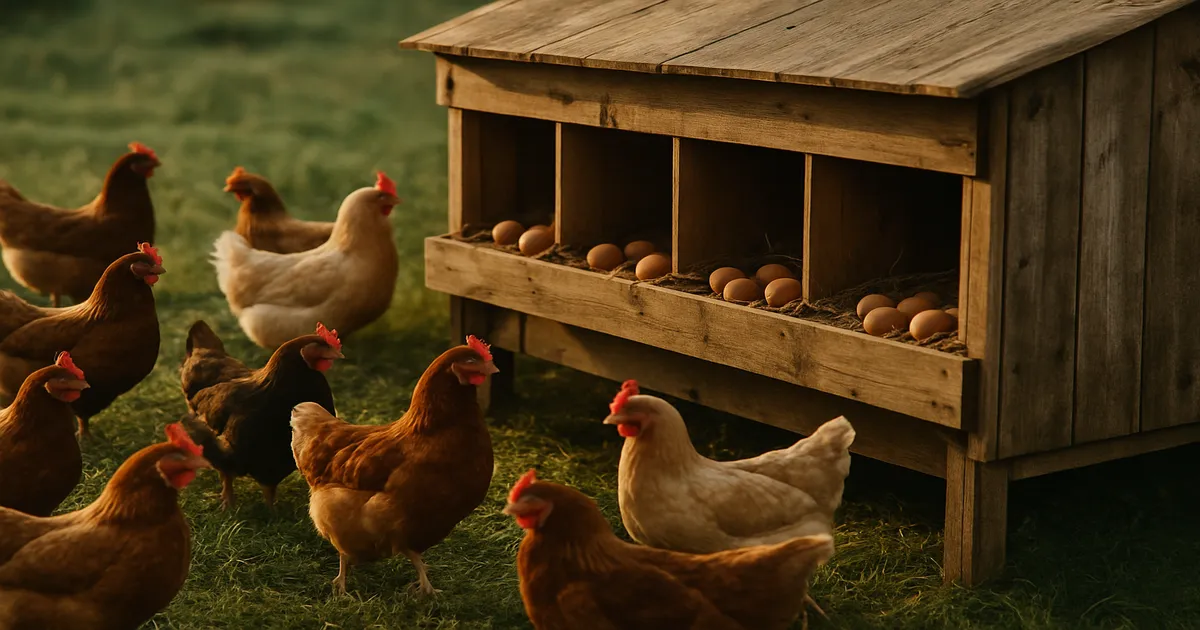
For nesting boxes, one box per 4–5 hens is plenty — hens share and tend to favor the same box anyway. Standard size is 12×12×12 inches; go up to 14×14×14 for heavier breeds. Place boxes below the roost bars and 18–24 inches off the floor, filled with 3–4 inches of pine shavings or straw. If boxes sit higher than the roosts, hens will sleep in them and you’ll collect dirty eggs every morning.
Ventilation is where many new keepers go wrong. Moisture and ammonia buildup kill far more birds than cold temperatures do. Aim for at least 1 sq ft of ventilation per 10 sq ft of coop floor. Place vents high on the walls or in the roofline so damp air escapes without creating drafts at bird level. If you can smell ammonia when you walk in, ventilation is inadequate.
Predator-Proofing Your Coop
Chicken wire keeps chickens in — it does not keep predators out. Use ½-inch hardware cloth on all openings. Raccoons can work a standard hook-and-eye latch open in minutes, so upgrade to carabiner clips or two-step latches. To stop digging predators, bury hardware cloth 12 inches straight down or lay it flat 12–18 inches outward from the run’s base. Cover the top of the run with netting or hardware cloth to block hawks. For added convenience, an automatic coop door opener removes the need to manually lock up every night.
How to Feed Your Chickens at Every Life Stage
Chick Starter, Grower, and Layer Feed
| Life Stage | Feed Type | Protein % | Age |
|---|---|---|---|
| Chicks | Chick Starter | 18–22% | 0–8 weeks |
| Pullets | Grower/Developer | 16–18% | 8–18 weeks |
| Laying hens | Layer Feed | 15–18% | 18+ weeks |
| Molting hens | Flock Raiser | 20–22% | During molt |
High protein in the starter phase fuels rapid growth and feather development. Layer feed contains added calcium for eggshell production — don’t feed it to chicks, as excess calcium can damage their developing kidneys.
Calcium, Grit, and the 10% Treat Rule
Laying hens need 4–5 grams of calcium per day. Layer feed covers most of that, but offering oyster shell free-choice in a separate container lets hens top up as needed — they’re surprisingly good at self-regulating. Baked crushed eggshells work as a free alternative: rinse, bake at 250°F for 30 minutes, then crumble. Thin-shelled or shell-less eggs are your first sign that calcium is running low.
Chickens have no teeth, so they grind food in their gizzard using small stones. If your hens eat anything beyond commercial pellets — scratch, treats, or forage — they need coarse granite grit offered free-choice. Chicks eating anything beyond starter feed need fine chick grit from week one.
Treats should make up no more than 10% of daily diet. Good options include mealworms, leafy greens, watermelon, berries, and cooked squash. Keep these away from your flock entirely:
- Avocado (all parts — contains persin, toxic to birds)
- Chocolate
- Raw or dry beans (contain hemagglutinin)
- Onions
- Green potato skins (solanine)
- Moldy food of any kind
Scratch grains are a treat, not a complete feed. They’re high in carbs and low in protein — fine as an afternoon snack, but not a diet staple.
Water: How Much and How Often
Each hen drinks ½ to 1 pint of water per day under normal conditions — that doubles above 85°F. Always keep waterers clean and full; egg production drops noticeably within 24 hours of water deprivation. Check water twice daily in summer. In winter, break ice every morning or use a heated waterer base.
Egg Production: What to Expect and When
When Do Hens Start Laying?
- Leghorns and sex-links: 16–18 weeks
- Most standard breeds: 18–24 weeks
- Heavy heritage breeds (Brahma, Cochin): 28–32 weeks
- Silkies: 7–9 months
The first eggs are often small and irregular — called pullet eggs. Expect full-size, consistent eggs by weeks four to six of laying.
Seasonal Drops, Molting, and Long-Term Production
Hens need 14–16 hours of light to maintain peak production. As days shorten in fall, most flocks drop 50–80%. A simple LED bulb on a timer, set to add light in the morning hours before sunrise, keeps production steady year-round. Add morning light rather than evening light — sudden darkness at the end of an artificially extended day can disorient birds at roost time.
Every fall, hens also shed and regrow their feathers in a process called molting. It halts egg production entirely for 8–16 weeks. Switch to a higher-protein feed (20–22%) during this period to speed feather regrowth. The bare patches look alarming but fill back in quickly.
Most hens lay productively for 3–4 years, with production declining roughly 10–15% each year after peak. Hens can live 5–10 years, so many keepers keep older birds as flock companions even after production drops.
Keeping Your Chickens Healthy
Marek’s Disease and Coccidiosis
Marek’s disease is a herpesvirus spread through feather dander — it’s present almost anywhere chickens have been kept. Symptoms include leg paralysis, wing drooping, and weight loss, most often in birds 6–30 weeks old. There’s no treatment, but there is a vaccine given at day one of life. When ordering chicks, always confirm the hatchery vaccinates for Marek’s.
Coccidiosis, caused by Eimeria protozoa, is most dangerous in chicks aged 3–6 weeks. Watch for bloody or watery diarrhea, lethargy, ruffled feathers, and a pale comb. Treat immediately with Amprolium (Corid) — 1½ teaspoons of the 9.6% liquid solution per gallon of drinking water for 5–7 days. Do not use Corid and medicated chick starter at the same time, as both contain Amprolium and the combined dose can cause thiamine deficiency.
Accuracy note: The standard Corid dosage for the 9.6% liquid solution is 1½ teaspoons per gallon for a moderate outbreak (the original article stated 2 teaspoons — verify current label directions before treating, as formulations vary).
Mites, Lice, and Respiratory Illness
Check your birds monthly by parting feathers near the vent and under the wings. Look for tiny moving specks or clusters of white eggs at the feather base. Northern Fowl Mites live on the bird; Red Mites hide in coop cracks and feed at night; Scaly Leg Mites burrow under leg scales, causing crusty, raised scales. Treat with permethrin dust or spray for the bird and coop, or apply petroleum jelly to legs for scaly leg mites. A clean, dry coop with access to a dust bath area is your best prevention.
Rattling or gurgling sounds, nasal discharge, swollen faces, and labored breathing are all red flags for respiratory illness. It spreads fast. Isolate affected birds immediately, improve ventilation, and consult a vet — some respiratory diseases are reportable and can’t be treated with over-the-counter products.
Quarantine Every New Bird for 30 Days
Thirty days, minimum, every time. New birds can carry diseases they show no symptoms of, and introducing them directly to your flock can wipe out birds you’ve raised from chicks. Keep new arrivals in a completely separate space — different airspace if possible — observe them daily, and only integrate once you’re confident they’re healthy.
Seasonal Care: Summer and Winter
Winter: Preventing Frostbite Without a Heat Lamp
A flock of just six hens generates enough body heat to raise coop temperature 10–15°F above the outside air. For most cold-hardy breeds, a well-insulated, draft-free but ventilated coop is all they need. Heat lamps are a genuine fire risk — if you feel supplemental heat is necessary, use a flat-panel radiant heater instead. Those flat 2×4 roost bars earn their keep in winter by letting hens tuck their toes under their feathers while sleeping.
Summer: Keeping Chickens Cool Above 85°F
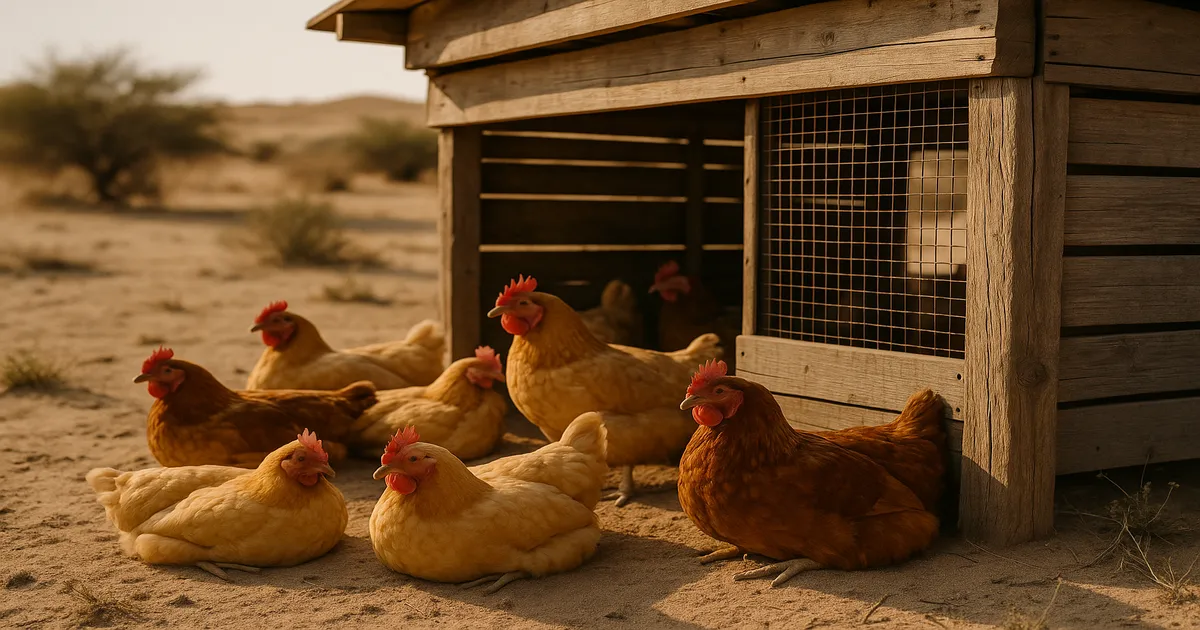
Heat stress sets in above 85°F and becomes dangerous above 100°F. Shade, airflow, and cold water are your main tools. Freeze watermelon chunks or make ice blocks with corn and peas — hens love them and the cooling effect is real. Check water twice daily in peak summer. Cut back on scratch grains in hot weather, since carbohydrate metabolism generates extra body heat.
Managing Broodiness
A broody hen sits on a nest, refuses to leave, and stops laying entirely — sometimes for weeks. Silkies, Buff Orpingtons, and Cochins are most prone to it. The most reliable way to break the cycle is the wire-bottom cage method: place the hen in a wire-bottomed cage elevated off the ground with food and water but no nesting material for 3–7 days. The airflow underneath her lowers her body temperature and breaks the hormonal drive to sit.
Frequently Asked Questions
How many chickens do I need for a family of four? Three to four hens is usually enough for a family of four. At peak production, three good layers can produce 15–20 eggs per week — more than most households use. Start small; you can always add birds later.
Do I need a rooster for hens to lay eggs? No. Hens lay eggs without a rooster. You only need a rooster if you want fertilized eggs for hatching. Many urban and suburban ordinances ban roosters outright, so check local rules before adding one.
How do I know if my chicken is sick? Early warning signs include a pale or discolored comb, lethargy, loss of appetite, unusual droppings, labored breathing, or a hen sitting fluffed up and separate from the flock. Any of these warrants a closer look and possible vet contact.
Can I grow chickens at home in a small backyard? Yes, but breed and flock size matter. A small flock of three to four bantams or calm standard breeds like Buff Orpingtons can thrive in a modest backyard with a well-designed coop and run. Check local zoning laws first — many municipalities cap flock size.
How long do backyard chickens live? Most backyard hens live 5–10 years, though productive laying typically peaks in years one and two and declines steadily after that. Heritage breeds tend to live longer than commercial hybrids.