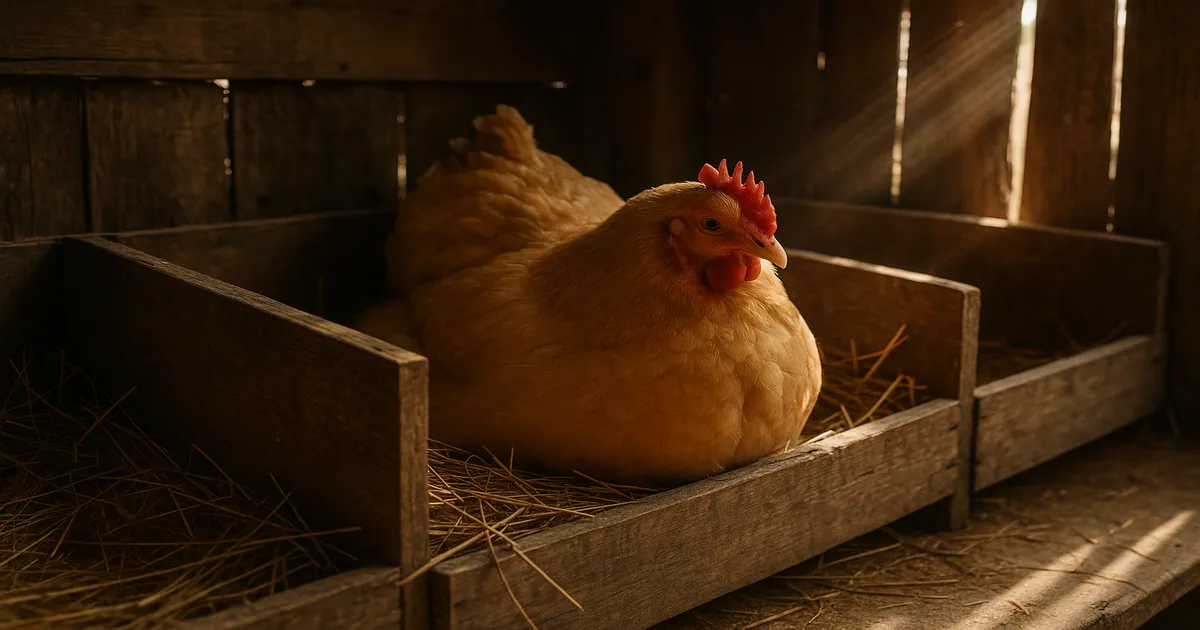
Quick Answer: To stop a broody hen, you need to remove the physical warmth and nest contact that keeps her hormones elevated. The fastest and most reliable method is a wire-bottomed broody-breaker cage with good airflow — most hens break within 3–7 days. Left alone, a broody hen can sit for 3–8 weeks, costing you dozens of eggs and putting her health at risk.
If you’ve ever reached into your nest box and gotten a chest-puffed, growling, snake-necked response from a hen who used to be perfectly friendly, you already know the frustration. Knowing how to stop a broody hen quickly — before she loses significant weight and your egg basket stays empty — is one of the most common challenges backyard keepers face. The good news: once you understand what’s driving the behavior, breaking it is straightforward.
What Is a Broody Hen and Why Does It Happen?
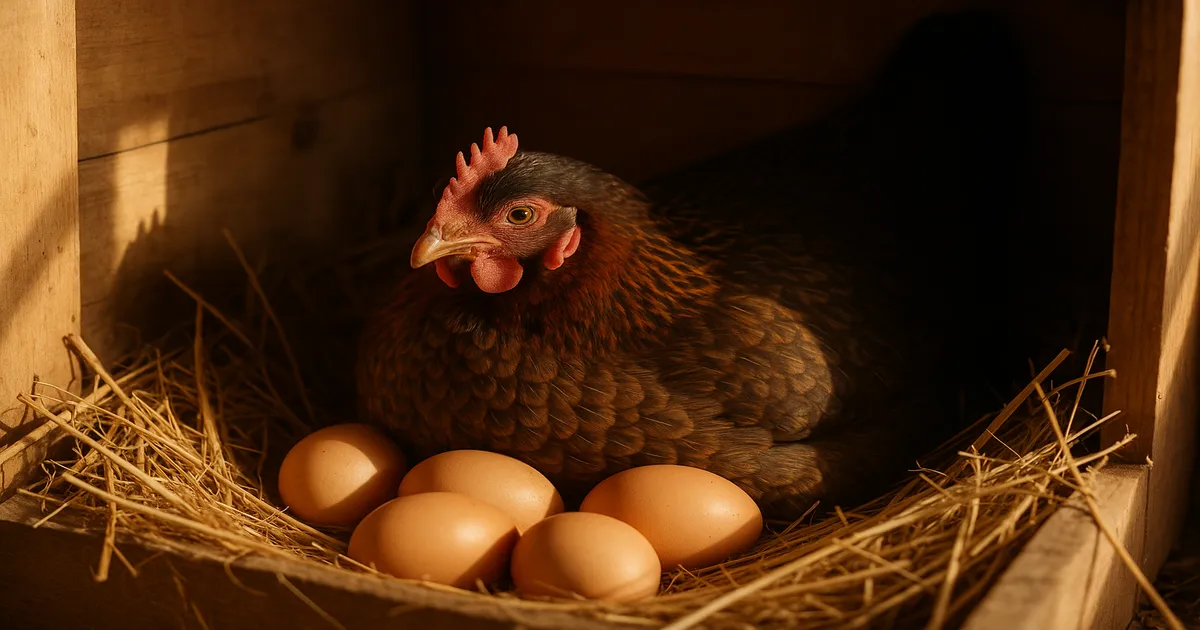
Broodiness isn’t stubbornness — it’s hormones. Rising prolactin levels trigger the instinct to sit and incubate. What keeps prolactin elevated is the physical sensation of warmth and contact with the nest. Every effective breaking method works by removing that stimulus. Cool air circulating under and around the hen signals her body that conditions aren’t right for incubating, prolactin drops, and the broody spell ends.
This is why simply shooing her off the nest doesn’t work for long. She goes right back, the warmth returns, and the hormone loop continues.
Physical Signs Your Hen Has Gone Broody
You won’t have to guess. A broody hen is unmistakable:
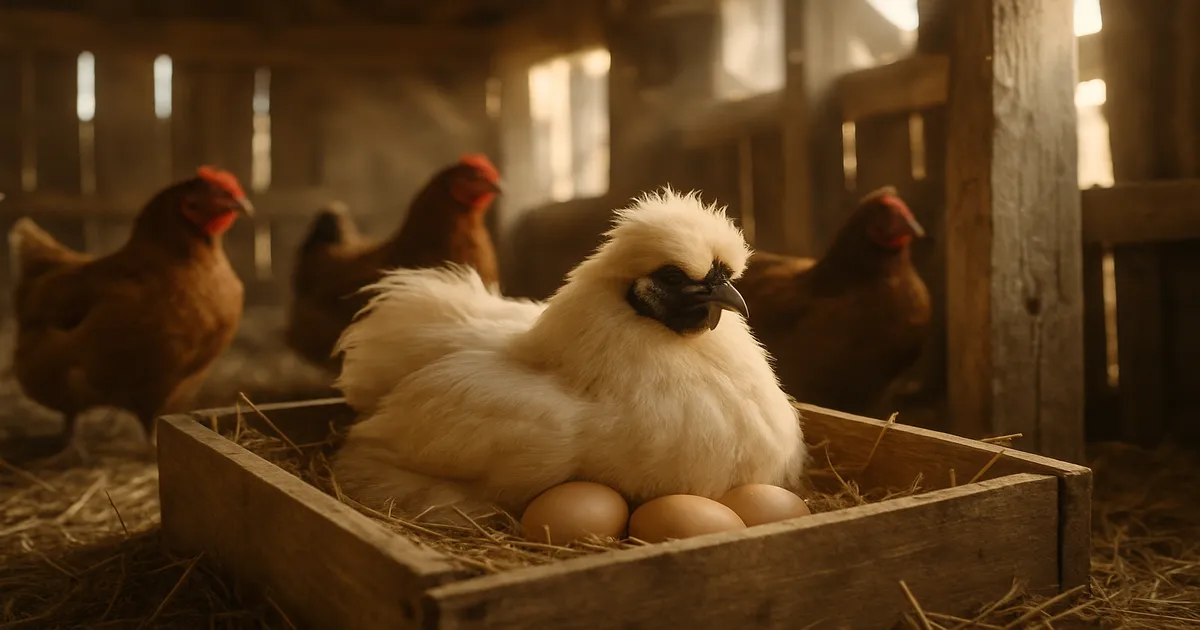
- Pancake posture — flattened low in the nest box, feathers puffed out wide
- Growling, clucking, or hissing when you approach
- Aggressive pecking if you try to move her
- Plucked brood patch — she pulls feathers from her breast to expose warm skin directly against the eggs
- Pale, shrunken comb and wattles from reduced circulation and poor nutrition
- Broody bombs — enormous, dark, foul-smelling droppings produced infrequently because she holds waste while on the nest
That last one is a dead giveaway. Find one of those near the coop door or water station and something has been sitting far too long.
What Triggers Broodiness?
Broodiness peaks from March through July in the Northern Hemisphere, driven by increasing daylight and warmth. Eggs left to accumulate in the nest box are a major trigger — a hen that keeps finding eggs to sit on is far more likely to go broody than one whose eggs are collected twice daily. Dark, enclosed nest boxes with curtains also mimic the private environment a hen instinctively seeks for incubation.
Which Breeds Go Broody Most (and Least)?
High-Broodiness Breeds
Some breeds were never selectively bred away from their maternal instincts:
| Breed | Broodiness Level | Eggs/Year |
|---|---|---|
| Silkie | Extremely High | 100–120 |
| Cochin | Very High | 100–160 |
| Buff Orpington | High | 175–200 |
| Brahma | High | 150–180 |
| Sussex | Moderate–High | 200–250 |
| Dominique | Moderate–High | 180–230 |
Silkies are a special case — they can go broody year-round, completely independent of season or daylight. If you keep Silkies and want consistent egg production, plan on managing broodiness as a recurring task.
Low-Broodiness Breeds
Production-focused breeds have had broodiness nearly bred out of them:
- Leghorn — 280–320 white eggs/year; rarely broody
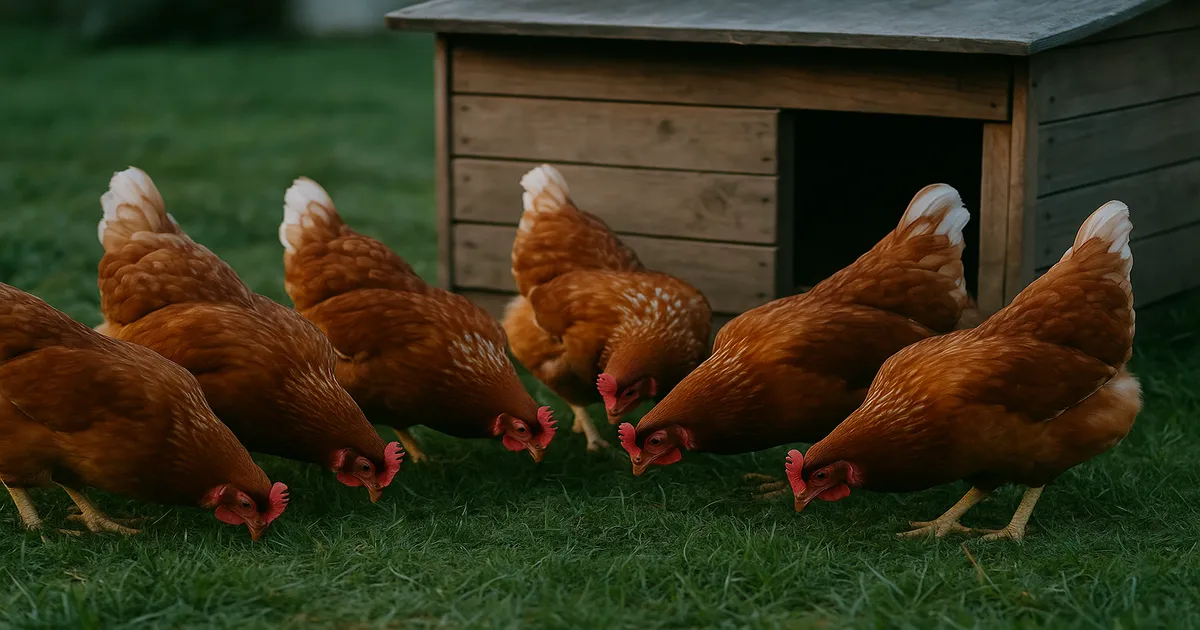
- Rhode Island Red — 250–300 brown eggs/year; occasional broody episodes but easy to break
- Australorp — 250–300 brown eggs/year; low broodiness (note: the 364-egg record was set under controlled conditions and isn’t a typical production figure)
- Golden Comet / ISA Brown — 280–320 brown eggs/year; broodiness almost eliminated through selective breeding
- Ancona — active, flighty, almost never broody
Does Breed Affect How Hard Broodiness Is to Break?
Yes, meaningfully. Silkies and Cochins tend to be the most persistent — they may re-enter broodiness within days of being broken and sometimes need multiple rounds of intervention in the same season. Rhode Island Reds and Sussex, if they go broody at all, typically respond faster to the cage method.
How Broodiness Affects Egg Production
A hen lays zero eggs while broody. A four-week episode costs roughly 12–20 eggs depending on the breed’s normal laying rate. For a Buff Orpington laying 3–4 eggs per week, that’s a real dent in your annual total.
Break broodiness actively and she’ll usually start laying again within 1–3 weeks. Let her sit until she gives up naturally — which can take 3–8 weeks — and the total production gap stretches to 6–10 weeks. If you let her hatch eggs, add 21 days of incubation plus 6–8 weeks of chick rearing: you’re looking at a 10–12 week laying gap from start to finish.
How to Stop a Broody Hen: Step-by-Step Methods
Method 1: The Broody-Breaker Cage (Most Effective)
This is the gold standard for how to stop a broody hen, and it works because it directly targets the hormonal feedback loop.
- Place the hen in a wire-bottomed cage — a rabbit hutch or a simple wooden frame with hardware cloth on the bottom works well
- Elevate the cage so air circulates freely underneath. This is the critical step. Cool airflow removes the warmth stimulus from her underside.
- Put food and water inside. She needs to eat and drink.
- Place the cage in a well-lit, well-ventilated spot — inside the coop or a shaded outdoor area both work.
- Check on her daily. Most hens break within 3–7 days.
- At night, check whether she’s sleeping flat (still broody) or perched upright (breaking). Perching is a good sign.
- Once she’s perching consistently and acting like herself again, return her to the flock.
If she immediately runs back to the nest box and flattens down, give her another day or two in the cage.
Method 2: Repeated Nest Removal
Lift her off the nest three or more times a day — morning, midday, and late afternoon — and temporarily block the nest box entrance. Less reliable on its own, but useful as a supplement to the cage method or when you can’t set up a separate enclosure. Consistency matters: the more reliably you remove her, the more effective it becomes.
Method 3: Block Access to the Nest Box
Close off the nest boxes entirely for several days. This forces her to roost rather than sit, which breaks the warmth stimulus. The downside is that it disrupts your whole flock’s laying access, so time it carefully. Most practical if you have multiple boxes and can block just the one she’s claimed.
Methods to Avoid
- Dunking in cold water — stressful, potentially harmful, and the evidence it works is anecdotal at best. Don’t do it.
- Adding fake eggs or golf balls — these do not break broodiness; they reinforce it.
- Just waiting — she’ll eventually give up, but the cost to her health and your egg production isn’t worth it.
Coop and Nest Box Changes That Reduce Repeat Broodiness
Roll-away nest boxes have a sloped floor that gently moves eggs into a covered collection area the moment they’re laid. The hen never gets to feel or see the egg, so the hormonal feedback loop never starts. For repeat-broody breeds like Silkies and Cochins, this is one of the best investments you can make.
Remove nest box curtains from any box a hen claims repeatedly. Curtains create exactly the dark, secluded environment a broody hen is looking for. Less privacy means less incentive to settle in.
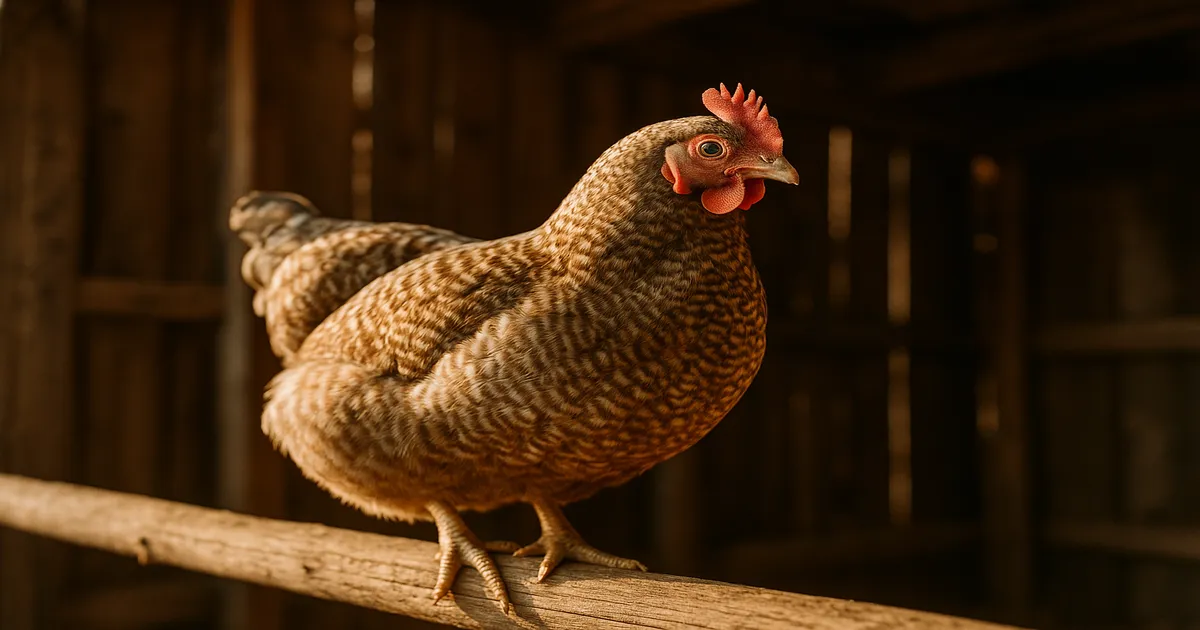
Keep roost bars higher than nest boxes. Hens instinctively sleep at the highest available point. If a nest box is the highest spot in the coop, hens will sleep there — and sleeping in a nest box is a fast track to broodiness. Roost bars should sit at least 18–24 inches high and well above nest box level, with a minimum of 8–10 inches of linear space per bird.
Coop sizing matters too. Allow at least 4 sq ft per bird inside and 10 sq ft per bird in the run. Crowding increases stress and competition for nest boxes, which can trigger broody behavior. Aim for 1 nest box per 4–5 hens.
Feeding and Health Care for a Broody Hen
Why Broody Hens Stop Eating
A broody hen reduces her feed intake by 50–80% and can lose 10–15% of her body weight over a 3–4 week broody period. In hot weather, dehydration becomes a genuine emergency. Her hormones are telling her to stay on the nest at almost any cost — she’s not being dramatic.
Remove her from the nest twice daily and place her directly in front of food and water. Don’t just open the coop and hope — physically carry her to the feeder if needed. Temporarily switching to an 18–20% protein all-flock or grower feed helps offset muscle wasting. Fresh, cool water is non-negotiable, especially in summer. A good poultry waterer with a large reservoir makes this easier to manage.
Parasite Risks
A hen sitting in a nest box for 22+ hours a day is a perfect host for northern fowl mites and red mites. The warm, still, rarely-disturbed nest is ideal for parasite reproduction. Inspect her weekly — check around the vent and under the wings. Treat with a permethrin-based poultry dust if you find evidence of infestation , and replace nest box bedding monthly.
The Keel Bone Check
Run your fingers along her breastbone. You should feel a thin layer of muscle and fat on either side of the keel. If the bone feels sharp and prominent with no cushion, she’s lost too much condition and needs intervention immediately — regardless of where you are in the breaking process.
Recovery After Breaking Broodiness
Once she’s out of broodiness, give her body a boost. Offer protein-rich treats: mealworms, scrambled eggs, or black soldier fly larvae — keeping treats at no more than 10% of her daily diet. Make sure free-choice oyster shell is available in a separate container so her calcium levels can rebuild before she starts laying again.
Should You Let Her Stay Broody?
Breaking broodiness isn’t always the right call. If you want chicks and have access to a rooster or fertile eggs, a broody hen is one of nature’s best incubators and mothers. She’ll turn the eggs, regulate humidity, and raise the chicks with far less effort than a brooder setup requires.
Slip fertile eggs under her within the first day or two of broodiness for best results — she’ll incubate them for 21 days. Alternatively, day-old chicks introduced at night are usually accepted as her own by morning.
If you have no fertile eggs and choose not to intervene, she’ll eventually give up — but it takes 3–8 weeks, during which she’s losing weight, at risk for parasites, and producing zero eggs. Use this as your decision framework: if you want chicks, embrace it; if you don’t, intervene early.
Frequently Asked Questions About How to Stop a Broody Hen
How long does it take to break a broody hen?
With active intervention — particularly the wire-bottomed broody-breaker cage — most hens break within 3–7 days. Mild cases caught early may resolve in 2–3 days. Without any intervention, expect broodiness to last 3–8 weeks. The sooner you start, the faster and easier the process.
Will a broody hen starve herself to death?
It’s unlikely but not impossible in extreme cases, particularly in hot weather where dehydration compounds the risk. A broody hen reduces her food and water intake by 50–80% and can lose 10–15% of her body weight over several weeks. Physically removing her to eat and drink twice daily is important, especially during summer.
Does the wire cage method actually work?
Yes — it’s the most effective method available. The wire bottom allows cool air to circulate under the hen, removing the warmth stimulus that keeps prolactin elevated. Keeper experience consistently shows this method breaks broodiness faster than any other approach, typically within 3–7 days.
How do I stop my Silkie from going broody constantly?
Silkies are the most persistently broody breed and can go broody year-round. Consistent egg collection twice daily, roll-away nest boxes, removing curtains, and keeping roost bars higher than nest boxes all help reduce frequency. When she does go broody, use the wire cage method promptly. With Silkies, some degree of broodiness management is simply part of keeping the breed.
How soon will she lay eggs after broodiness is broken?
Most hens resume laying within 1–3 weeks after broodiness is successfully broken. Hens allowed to complete a full broody cycle may take 6–10 weeks from the start of broodiness before laying resumes. Breaking it early significantly shortens the production gap.