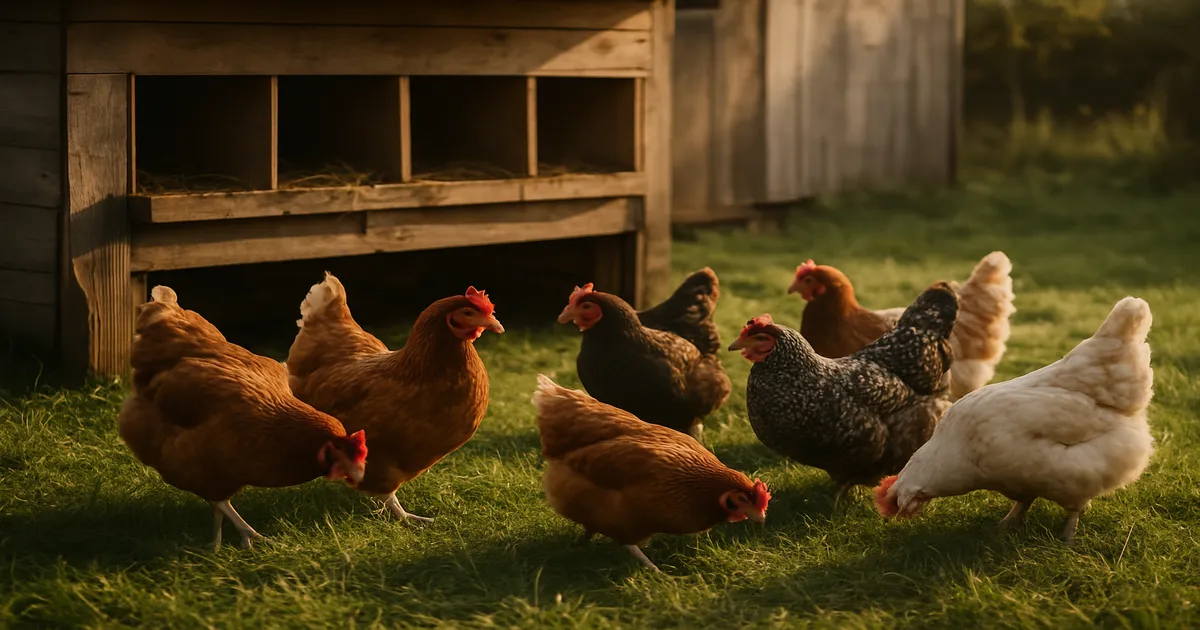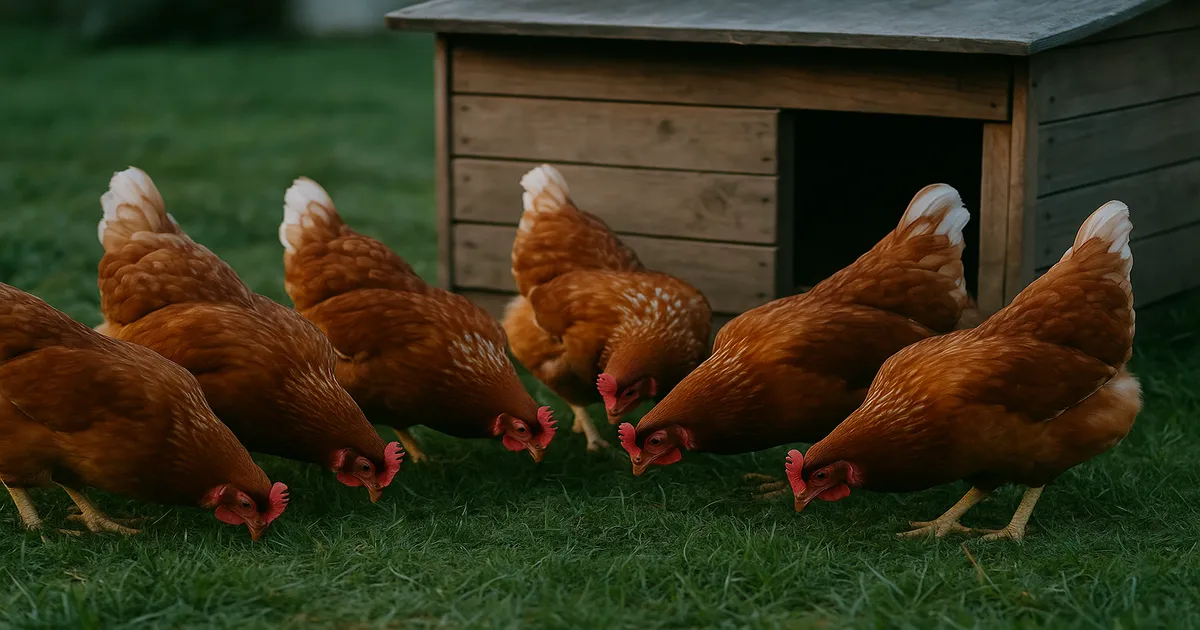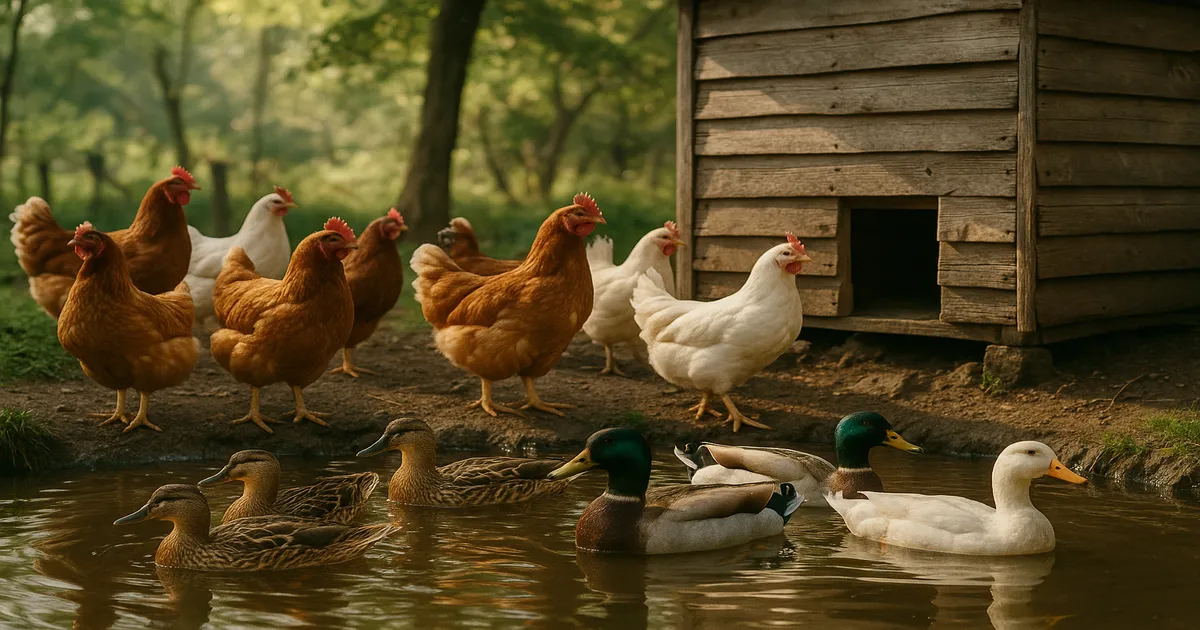
Quick Answer: Yes, chickens and ducks can live together successfully — and many backyard keepers do it with great results. The keys are managing moisture in the coop, closing the niacin gap in their diets, choosing calm breeds for both species, and keeping a close eye on rooster behavior around ducks.
Learning how to raise chickens and ducks together takes more planning than a single-species flock, but the payoff is real: diversified egg production across seasons, complementary foraging, and a genuinely entertaining backyard setup. The two species have different needs around water, nutrition, and housing — but none of those differences are deal-breakers if you plan ahead.
Can Chickens and Ducks Live Together?
Absolutely. Chickens and ducks coexist peacefully in backyard flocks all over the world. They don’t need to be best friends — and they won’t be — but they can share space, food, and a coop without serious conflict when conditions are right.
Four areas need your attention before you mix species:
- Moisture — Ducks are messy with water. Chronic wet bedding is the number-one cause of respiratory disease in mixed flocks.
- Niacin — Ducks need roughly 2–3× more niacin than chickens. Standard layer feed doesn’t cut it.
- Social hierarchies — Each species runs its own pecking order. Expect two parallel social structures, not one unified flock.
- Rooster behavior — Roosters may attempt to mate ducks, which can cause serious injury and requires active management.
Ducks also lay reliably through winter when many chicken breeds slow down — that alone is reason enough for a lot of keepers to add a few to their flock.
Best Chicken and Duck Breeds for a Mixed Flock
Top Chicken Breeds
The breeds that thrive alongside ducks share one trait: calm, unflustered temperaments. Assertive or skittish chickens stress ducks out, and stressed ducks are louder and harder to manage.
- Buff Orpington — Gentle, friendly, rarely aggressive. One of the best choices for a peaceful mixed flock. Lays around 180–200 light brown eggs per year.
- Australorp — Calm and highly productive (250–300 eggs/year). Handles duck activity without drama.
- Barred Rock (Plymouth Rock) — Friendly and cold-hardy. Tolerates the chaos of ducks without becoming a bully.
- Easter Egger — Curious and non-aggressive. Lays blue, green, or pink eggs as a bonus.
- Wyandotte — Rose comb means better frostbite resistance in cold climates. Calm enough for mixed housing.
Top Duck Breeds
- Khaki Campbell — The top egg-laying duck at 300–340 eggs/year. Lightweight (3.5–4.5 lbs), non-aggressive, and a great mixed-flock candidate.
- Welsh Harlequin — Docile and calm, laying 250–300 eggs/year. Gets along with chickens without issue.
- Pekin — Large, white, and friendly. The most popular backyard duck. Their size (8–11 lbs) means they can be accidentally clumsy around smaller chickens.
- Runner Duck — Upright, active foragers and excellent pest controllers. Non-aggressive but skittish, so pair them with calm chicken breeds.
- Cayuga — Quieter than most ducks, which matters in suburban settings. Calm temperament and medium size (6–8 lbs).
Breed Combinations to Avoid
Silkies are vulnerable to duck bullying — their fluffy plumage limits their vision and they rank low on any pecking order. Keep them separate or supervise closely. Muscovy drakes can work in a mixed flock, but they get aggressive during breeding season and their large size (up to 15 lbs) creates a real risk of injury to chickens.
Housing and Coop Setup for Chickens and Ducks Together
Space Requirements
Crowding is the fastest way to create conflict. Give everyone room to breathe.
| Chickens | Ducks | |
|---|---|---|
| Indoor coop | 4 sq ft/bird minimum | 4–6 sq ft/bird minimum |
| Outdoor run | 10 sq ft/bird minimum | 15–20 sq ft/bird minimum |
Ducks need more outdoor space because they forage actively and spend more time outside in all weather.
Roosts, Nesting Boxes, and Floor Layout
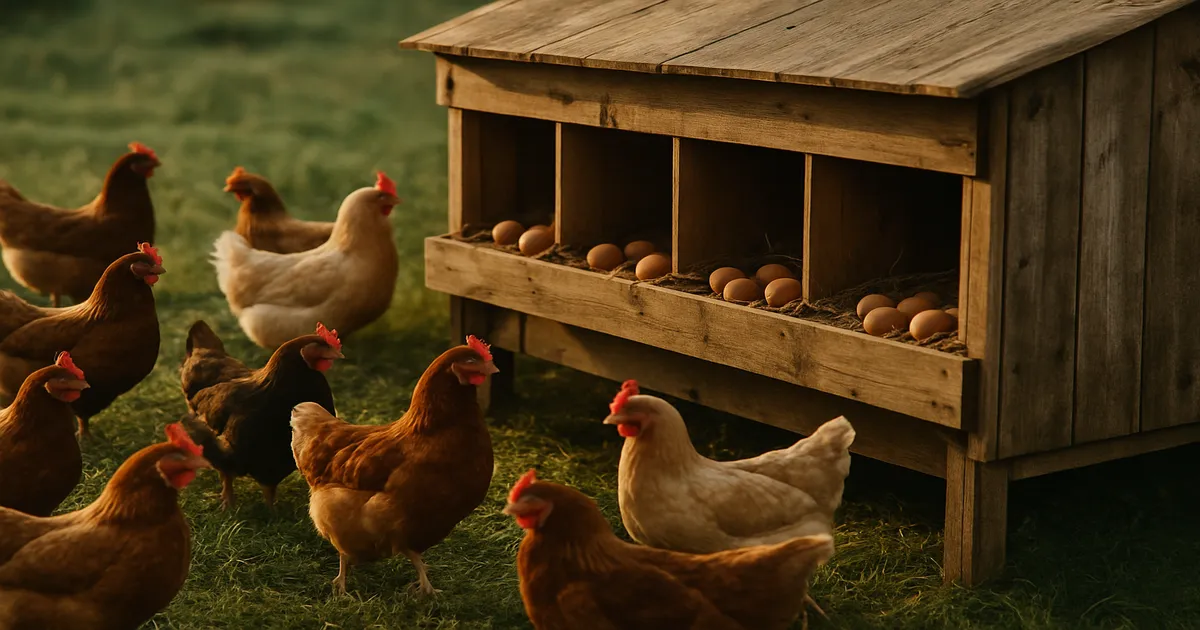
Chickens need roost bars set 18–36 inches off the ground. Ducks don’t use them at all — they sleep on the floor. Plan for 25–30% of your coop floor to stay clear of roosts and furniture so ducks have comfortable sleeping space.
For nesting, chickens prefer elevated boxes (12”×12”×12”, one per 4–5 hens). Ducks prefer ground-level corners with extra bedding — a simple 14”×18” wooden box or a well-bedded floor corner works fine. Many ducks ignore boxes entirely and lay wherever they feel like it.
Managing Moisture: The Biggest Challenge
This is the issue that sinks most mixed-flock setups. Ducks spill, splash, and contaminate water constantly. Wet bedding leads to ammonia buildup and respiratory disease — primarily in your chickens, which are far more susceptible to damp conditions than ducks are.
The fix combines smart placement with good design. Keep duck water sources outside or in a designated wet zone, use deep litter (4–6 inches of pine shavings), and plan to refresh bedding more often than you would in a chicken-only coop.
Water Station Design
Give chickens nipple waterers or elevated fonts to keep their water clean and dry. A horizontal nipple waterer mounted on the coop wall works well . Ducks, on the other hand, need water deep enough to submerge their bills — at least 3–4 inches — to clear their nostrils. A rubber tub or bucket works far better than a standard poultry waterer. Place duck water stations outside the coop whenever possible, and change them daily in summer or every 1–2 days in winter.
Duck Bathing Areas
Ducks don’t need a pond, but a child’s plastic wading pool (3–4 feet in diameter) makes a real difference in their wellbeing. Place it outside the coop and away from the main run entrance to contain the mud. Drain and refill every 1–3 days — duck pools foul quickly. If chickens drink from the pool, add a ramp or a few rocks so they can’t fall in and get trapped.
Ventilation and Predator-Proofing
Standard coop ventilation calls for 1 sq ft of vent space per 10 sq ft of floor. In a mixed flock, increase that by 25–30% to handle the extra moisture ducks produce. Position vents above bird height so cold drafts don’t hit sleeping birds directly. In winter, close most vents but never seal the coop completely — ammonia and moisture buildup are more dangerous than cold air.
Ducks sleep on the ground, which makes them especially vulnerable at night. Don’t cut corners on predator-proofing.
- Hardware cloth (1/2-inch mesh) on all openings — not chicken wire, which predators tear through easily
- Apron of hardware cloth extending 12 inches outward from the base to stop diggers
- Automatic coop door with a light sensor or timer
- Padlocked latches on all doors — raccoons open simple hook-and-eye latches without effort
How to Raise Chickens and Ducks Together: Solving the Feeding Challenge
The Niacin Problem
Ducks require roughly 55 mg/kg of niacin in their diet; chickens need about half that. Without enough niacin, ducks develop leg weakness, bowing, and eventually can’t walk. It’s painful, it’s preventable, and it’s the most common nutritional mistake keepers make in a mixed flock.
The Best Feed Strategy
Flock Raiser or All-Flock feed (18–20% protein) is the simplest solution. It’s formulated for multiple species, contains lower calcium than layer feed (safe for males and non-layers), and works as a solid base for both chickens and ducks. From there:
- Add brewer’s yeast to boost niacin for ducks: 2–3 tablespoons per cup of feed, or about 1 lb per 10 lbs of feed
- Offer free-choice oyster shell in a separate container for laying hens and ducks — birds self-regulate calcium intake, so there’s no need to add it directly to shared feed
You can run separate feeding stations (layer pellets for chickens, waterfowl pellets for ducks), but in practice the birds eat from each other’s feeders constantly. All-Flock plus brewer’s yeast is simpler and more reliable.
Do not use medicated chick starter for ducklings. Ducklings eat significantly more feed than chicks and can ingest dangerous levels of amprolium. Use unmedicated starter for mixed broods.
Calcium, Treats, and Daily Quantities
Laying hens need 4–5 grams of calcium daily; laying ducks need 3–4 grams. Free-choice oyster shell in a dedicated container handles both. Don’t add calcium directly to feed shared with males or non-laying birds — excess calcium damages kidneys over time.
Good treats for both species include fresh or frozen peas (an excellent niacin source for ducks), leafy greens, watermelon, berries, and dried mealworms . Keep treats to around 10% of the total diet.
Foods to avoid for both species: avocado (persin causes cardiac distress), onions in large quantities (hemolytic anemia), raw dry beans (phytohaemagglutinin toxicity), moldy food, and salty foods — ducks have a lower salt toxicity threshold than chickens, so this matters more than most keepers realize.
Adult birds need roughly 1/4 lb (113g) of feed per day for chickens and 1/4–1/3 lb (113–150g) for ducks depending on breed size. Both species also need free-choice insoluble grit to grind food in the gizzard, especially if they’re not free-ranging on pasture.
Egg Production in a Mixed Flock
Chicken vs. Duck Egg Production
| Breed | Eggs/Year | Egg Color |
|---|---|---|
| Australorp | 250–300 | Light brown |
| Barred Rock | 200–280 | Brown |
| Easter Egger | 200–280 | Blue/Green/Pink |
| Wyandotte | 200–240 | Brown |
| Buff Orpington | 180–200 | Light brown |
| Khaki Campbell | 300–340 | White/Cream |
| Welsh Harlequin | 250–300 | White |
| Runner Duck | 250–300 | White/Green |
| Pekin | 150–200 | White |
| Cayuga | 100–150 | Black→White |
Chickens typically start laying at 18–24 weeks. Production peaks in years one and two, then drops roughly 10–15% per year after that.
Why Duck Eggs Are Worth It
Duck eggs are 30–50% larger by volume, with a richer yolk and higher fat content. Bakers prize them for producing fluffier cakes and richer pastries. The shells are thicker, and the whites behave slightly differently due to protein structure — something worth knowing if you’re selling them.
More importantly for year-round production: chickens need roughly 14 hours of daylight to maintain laying. Without supplemental lighting, many breeds drop 50–80% in winter. Khaki Campbells and Welsh Harlequins are far less sensitive to day length and often lay reliably through the coldest months without any artificial light at all.
Collect eggs 2–3 times daily. Duck eggs left in wet bedding deteriorate faster than chicken eggs because their shells are more porous and absorb bacteria more readily. At farmers markets and through direct sales, duck eggs typically command $6–12/dozen compared to $3–6/dozen for chicken eggs — a meaningful difference if you’re selling regularly.
Health and Veterinary Care in a Mixed Flock
Marek’s disease is the most serious chicken-specific risk — a highly contagious herpesvirus that causes leg and wing paralysis. Vaccinate chicks at hatch; there’s no treatment once a bird is infected.
On the duck side, niacin deficiency (leg weakness and lameness) is entirely preventable with the right feed strategy. Wet feather is another duck-specific condition where the preening gland stops functioning properly, leaving feathers unable to repel water. Affected ducks become waterlogged and cold. It’s often triggered by dirty water or nutritional deficiency.
Bumblefoot — a staph infection of the footpad — affects both species, particularly on hard or abrasive flooring. Soft bedding and avoiding wire floors reduces the risk significantly. Both species are also susceptible to external parasites like mites and lice, though ducks’ regular bathing gives them some natural protection.
Quarantine all new birds for 30 days before introducing them to your flock. Isolate any bird showing signs of illness immediately — before you know what you’re dealing with. Find a vet experienced with both poultry and waterfowl before you need one; avian vets who handle only chickens may not be familiar with duck-specific conditions.
Introducing Chickens and Ducks: Step-by-Step
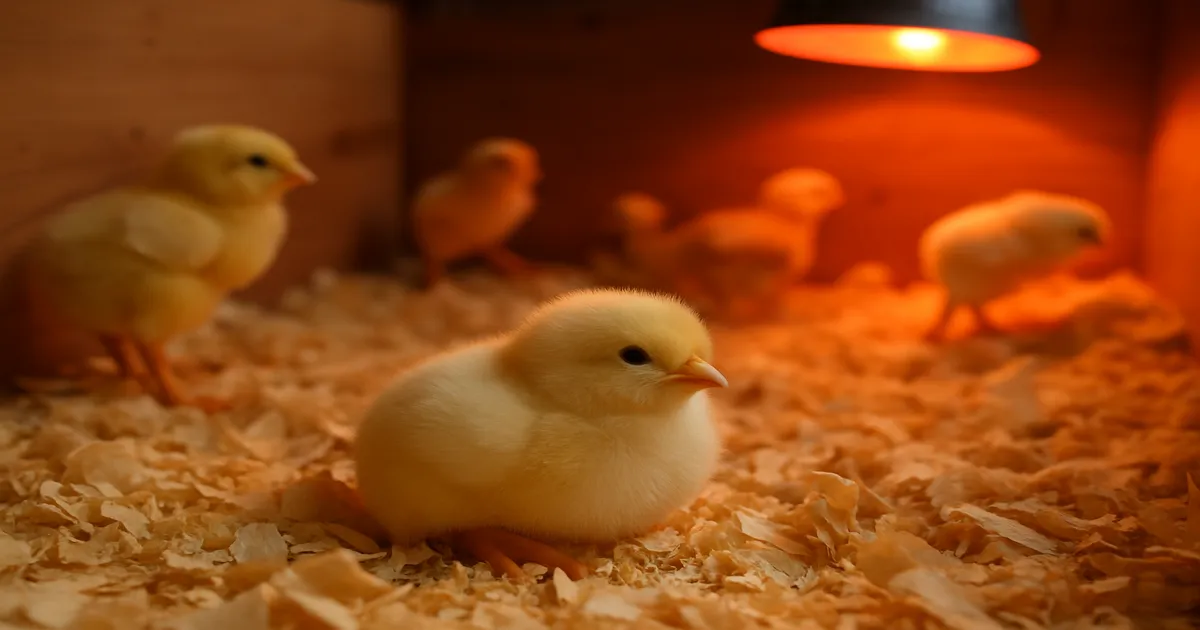
The easiest path is raising both species together from the start. Young birds that grow up together establish their parallel hierarchies gradually and with less conflict. Keep the brooder temperature at 95°F (35°C) for the first week and reduce by 5°F each week — both species tolerate the same temperature curve. A quality brooder plate or heat lamp helps maintain consistent warmth . One important note: ducklings get wet and messy fast, so change brooder bedding frequently to protect chicks from damp conditions.
When introducing ducks to an established chicken flock (or vice versa), use the see-but-don’t-touch method: set up a wire divider inside the run so the birds can observe each other for 1–2 weeks before full contact. When you open the divider, do it during free-range time when space is at its maximum — less crowding means less conflict. The hierarchy stabilizes within 2–4 weeks in most cases.
Managing Rooster Aggression Toward Ducks
Roosters may attempt to mate ducks, which is genuinely dangerous. Chicken and duck anatomy are incompatible — a rooster can drown a duck by holding her head underwater, and repeated mating attempts cause physical injury. If you keep a rooster, monitor his behavior closely. Separate him if he targets ducks repeatedly. Some roosters never bother ducks; others fixate on them. Know which type you have before a bird gets hurt.
Frequently Asked Questions
Can ducks and chickens share the same coop at night? Yes, as long as you manage moisture. Keep duck water outside, use deep litter bedding, and increase ventilation by 25–30% over a standard chicken coop. Ducks sleep on the floor, so leave enough clear floor space for them to spread out comfortably.
Do I need a separate feeder for ducks and chickens? Not necessarily. All-Flock feed (18–20% protein) with brewer’s yeast added works for both species. The birds will eat from each other’s feeders regardless, so a single shared feed type is more practical than trying to maintain strict separation.
Will a rooster hurt my ducks? He can. Roosters sometimes attempt to mate ducks, which can cause injury or drowning. Not every rooster does this, but watch closely and separate if you see persistent targeting.
How do I keep duck water from making the coop wet? Place duck water stations outside the coop or in a designated wet zone. Give chickens a separate nipple waterer inside. Use 4–6 inches of pine shaving deep litter and refresh it more often than you would in a chicken-only setup.
When do ducks start laying eggs? Most duck breeds start laying at 16–28 weeks, depending on breed. Khaki Campbells and Welsh Harlequins are on the earlier end. Unlike chickens, many duck breeds maintain strong production through winter without supplemental lighting.