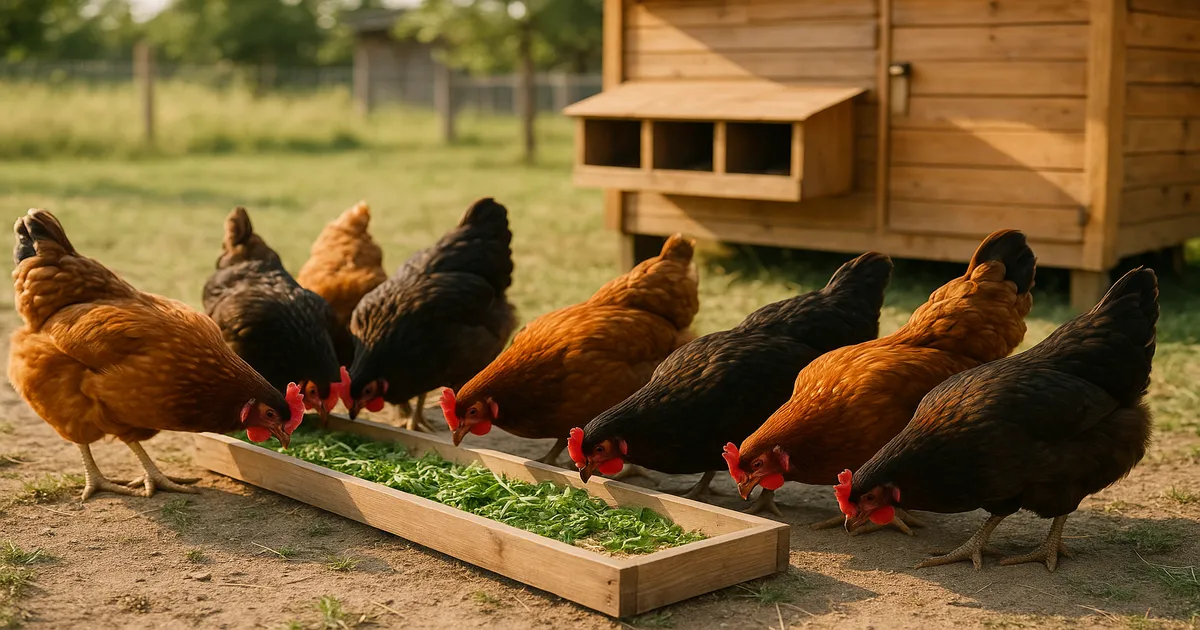
Quick Answer: Keeping chickens healthy comes down to six fundamentals: choosing the right breed for your climate, providing adequate space, feeding a balanced diet, maintaining a clean and well-ventilated coop, practising disease prevention, and performing regular health checks. Get these right and you’ll spend far less time dealing with sick birds and far more time collecting eggs.
Knowing how to keep chickens healthy isn’t complicated, but it does require attention to several interconnected factors. Neglect any one of them — overcrowd the coop, skip the oyster shell, ignore that ammonia smell — and problems will follow. This guide covers everything from breed selection through seasonal care, so you can build a flock that thrives year-round.
The Six Pillars of Chicken Health
- Breed selection — Match your breed to your climate and goals
- Adequate space — 4 sq ft per bird inside, 10–30 sq ft per bird in the run
- Balanced nutrition — Right feed for each life stage, free-choice oyster shell, clean water daily
- Clean, ventilated housing — Ammonia and moisture are silent killers
- Disease prevention — Vaccinate, quarantine new birds, control parasites
- Regular health checks — Catch problems early before they spread
Choose the Right Breed for Your Climate and Goals
Breed selection is the foundation of flock health. A bird poorly matched to its environment will always be playing catch-up, no matter how good your management is.
Cold-Hardy Breeds
These four breeds are workhorses for temperate and cold climates:
- Rhode Island Red — 6–8 lbs, calm and adaptable, around 250–300 eggs per year. One of the most disease-resistant breeds available and rarely goes broody.
- Buff Orpington — 7–8 lbs, famously gentle, around 150–200 eggs per year. Dense feathering provides excellent cold tolerance, though they’re prone to broodiness.
- Barred Plymouth Rock — 7–8 lbs, curious and self-sufficient, around 200–250 eggs per year. Excellent foragers with a robust constitution.
- Black Australorp — 6–8 lbs, very calm, around 250–300 eggs per year. Handles cold beautifully and holds the world record for single-hen egg production.
Heat-Hardy Breeds for Warmer Climates
Leghorns (4–5 lbs) are egg-laying champions at 280–320 eggs per year, and their large single combs help dissipate heat efficiently. The trade-off: those same combs are frostbite magnets in cold winters. Easter Eggers adapt well across a wide temperature range, are friendly, and lay 200–250 colorful eggs per year — a solid choice for mixed climates.
Dual-Purpose Breeds for All-Around Hardiness
Wyandottes (6–8 lbs) are a standout here. Their rose comb dramatically reduces frostbite risk, they’re calm and self-sufficient, and they lay reliably year-round. Delawares (6–8 lbs) offer an excellent feed-to-production ratio and an easy temperament that makes flock management straightforward.
Heritage Breeds vs. Production Hybrids
Heritage breeds have been selected over generations for survivability, not just output. They generally carry stronger immune profiles than production hybrids, which are optimized for maximum egg numbers at the expense of long-term hardiness. For a backyard flock where longevity matters, heritage breeds are almost always the better investment.
Coop and Housing: How to Keep Chickens Healthy at Home
Space Requirements
Overcrowding is one of the biggest drivers of disease, stress, and behavioral problems like feather-pecking. The minimums to know:
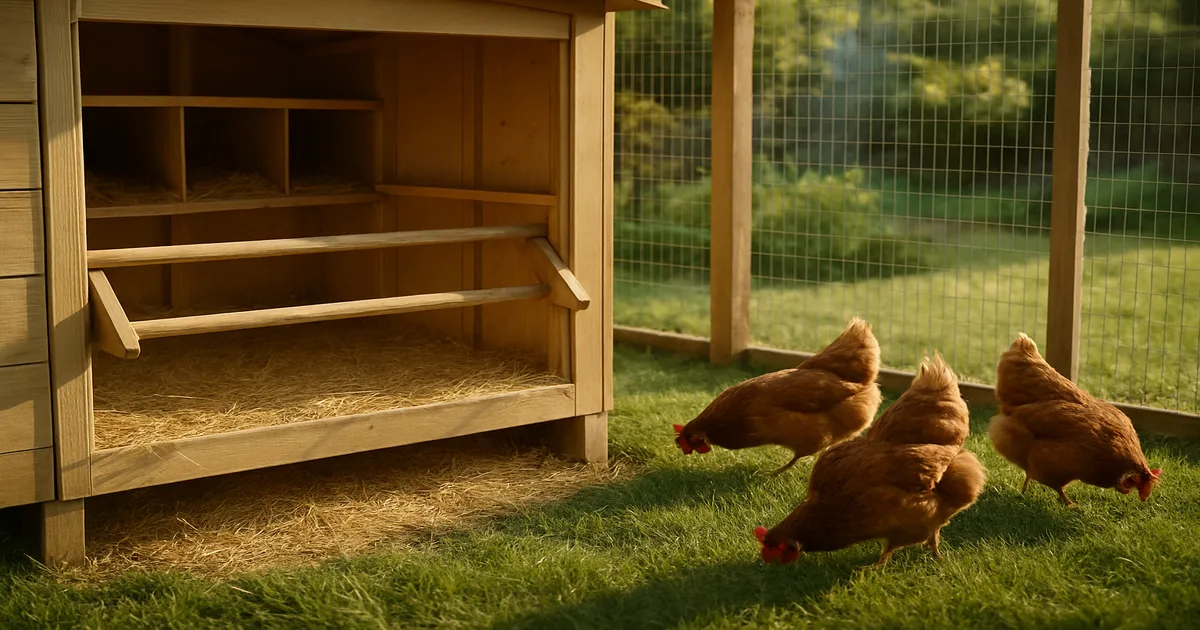
- Inside coop: 4 sq ft per standard bird (aim higher in cold climates where birds are confined longer)
- Outdoor run: 10 sq ft per bird minimum; 20–30 sq ft is strongly preferred
- Free-range: 250+ sq ft per bird for genuine pasture rotation
Roost Bar Design
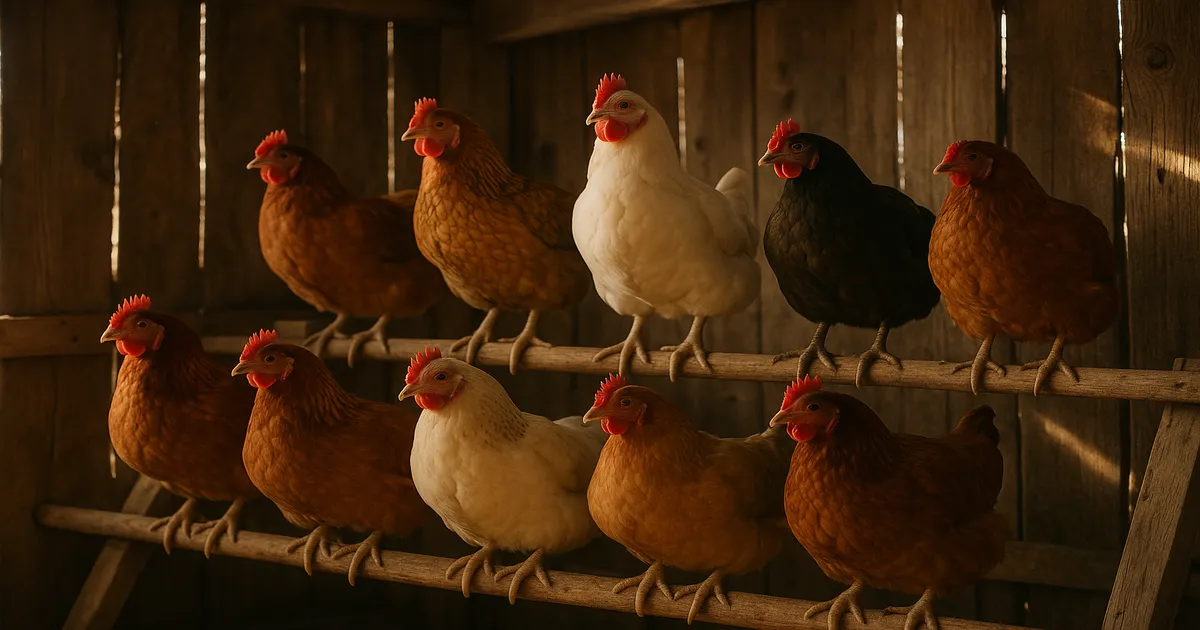
Give each bird 8–12 inches of linear roost space on bars 2–4 inches in diameter — wide enough that they can cover their feet with their breast feathers at night, which prevents frostbite. Avoid rounded metal or PVC pipe; both cause foot fatigue and raise bumblefoot risk. Space multiple bars at least 12 inches apart horizontally and vertically so birds aren’t roosting directly above each other.
Nesting Boxes
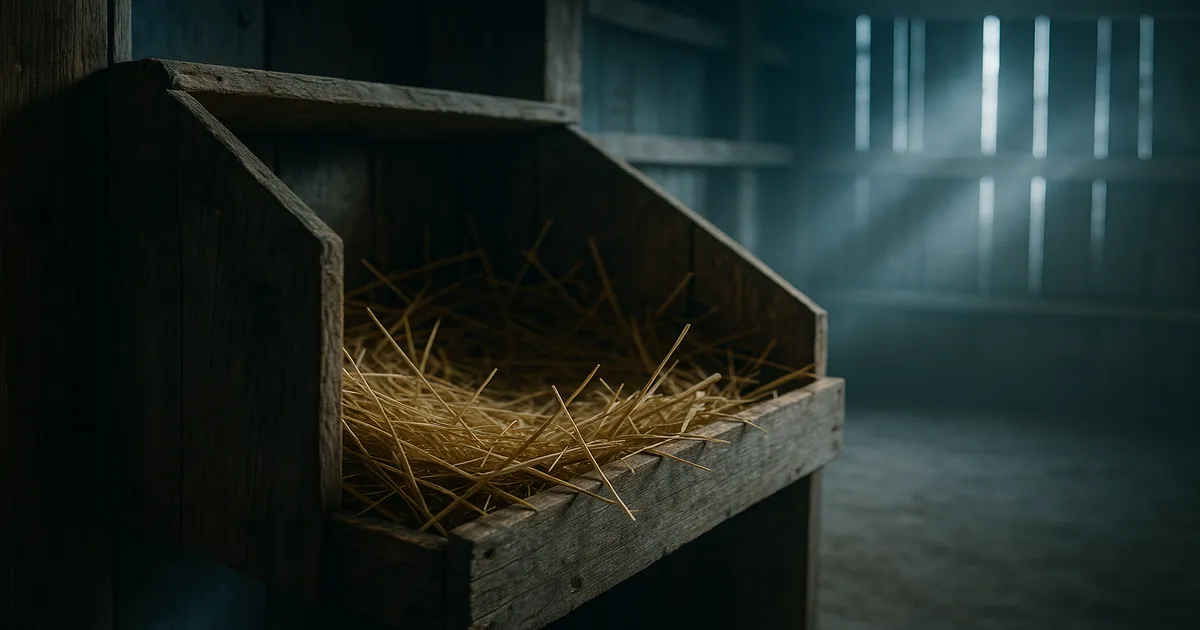
One nesting box per 3–4 hens is the standard ratio. Standard dimensions are 12×12×12 inches, filled with 3–4 inches of pine shavings or straw. Place nesting boxes lower than your roost bars — hens always want to sleep at the highest point, and if the boxes win that contest, you’ll find dirty, broken eggs every morning.
Ventilation
This is the most overlooked factor in coop health, and skipping it causes real harm. Chickens produce enormous amounts of moisture and ammonia through respiration and droppings. Ammonia above 25 ppm damages respiratory tissue — and if you can smell it when you open the coop door, your birds are already being hurt.
Install vents high on the walls near the roofline so moist, ammonia-laden air escapes without creating drafts at bird level. Aim for at least 1 sq ft of ventilation per 10 sq ft of coop floor space as a baseline, more in summer.
Temperature and Insulation
Most standard breeds are comfortable between 55–75°F (13–24°C) and can tolerate down to around 0°F (-18°C) in dry, draft-free housing. Think of insulation as moisture control, not heat retention — a dry coop at 20°F (-7°C) is far healthier than a damp one at 35°F (2°C). Supplemental heat is generally only needed below 0°F for cold-hardy breeds. If you use a heat source, choose a flat-panel radiant heater over a heat lamp where possible — they run cooler and carry far less fire risk.
Predator-Proofing
Use ½-inch hardware cloth on all openings — not chicken wire, which predators can tear through with ease. Extend it 12–18 inches outward from the run base as a buried apron to stop diggers. Use carabiner clips or two-step latches on all doors; raccoons can open simple hook-and-eye latches without much effort. An automatic coop door adds a reliable nightly layer of protection.
Feeding and Nutrition for a Healthy Flock
Feed by Life Stage
| Life Stage | Feed Type | Protein % |
|---|---|---|
| Chicks (0–8 weeks) | Chick Starter | 18–20% |
| Pullets (8–18 weeks) | Grower/Developer | 15–17% |
| Laying Hens (18+ weeks) | Layer Feed | 15–18% |
| Moulting Hens | Flock Raiser | 20–22% |
Never feed layer feed to chicks — the excess calcium can cause kidney damage in young birds.
Calcium Supplementation
Laying hens need approximately 4 grams of calcium per day to produce a properly shelled egg. Offer free-choice oyster shell in a separate dish at all times — hens self-regulate their intake and won’t overconsume. Crushed eggshells baked at 250°F (121°C) for 30 minutes are a free alternative that works equally well.
The 90/10 Treat Rule
A standard laying hen needs about ¼ to ⅓ pound (110–150 g) of feed per day. Free-range birds supplementing with forage may eat 20–30% less. Treats and scraps should make up no more than 10% of the total daily diet — exceed that and you’ll dilute protein and calcium intake, which shows up quickly as poor shell quality and reduced production.
Good treats include mealworms (especially during moult), leafy greens, squash, and berries. Never feed: avocado (the persin toxin is fatal to chickens), chocolate, raw or dried beans, onions, or rhubarb leaves. Scratch grains are fine as a small winter treat but are too high in carbohydrates and too low in protein to be a staple.
Grit
Chickens have no teeth. They grind food in their gizzard using small stones, so insoluble grit (granite or flint) must be available free-choice to any bird eating whole grains, scratch, or forage. Free-range birds usually find enough naturally; confined birds must be supplied it. Oyster shell is soluble and provides calcium, but it does not replace insoluble grit for digestion.
Water
Hens drink 1–2 cups (250–500 ml) per day under normal conditions, but above 90°F (32°C) that can double or triple. Even 24–36 hours without water can stop a hen from laying for days or weeks. Clean and refill waterers daily — biofilm and algae harbor pathogens quickly. In winter, use a heated waterer or heater base to prevent freezing, and check it twice daily in extreme cold.
Preventing and Identifying Common Chicken Diseases
Marek’s Disease
Marek’s is caused by a highly contagious herpesvirus that spreads through airborne feather dander — and it can survive in poultry dust for months to years. Symptoms include leg or wing paralysis, a graying iris, tumors, and sudden death, most often in birds between 6 and 30 weeks old. Vaccinate at day one of life. Most hatcheries do this automatically; if you’re hatching your own chicks, arrange vaccination within the first 24 hours. There is no cure, so prevention is everything.
Coccidiosis
Caused by Eimeria protozoa, coccidiosis hits hardest in chicks aged 3–6 weeks. Watch for bloody or watery diarrhea, lethargy, ruffled feathers, and rapid weight loss. Treat with Amprolium (Corid) in drinking water — 2 teaspoons of the 9.6% liquid solution per gallon for 5–7 days. Medicated starter feed contains low-dose amprolium as a preventive. Keeping the brooder dry and allowing chicks gradual exposure to outdoor soil helps build natural immunity over time.
Respiratory Illness and Ammonia Damage
Chronic ammonia exposure damages the mucous membranes that are the birds’ first line of defence against pathogens. Watery eyes, rattling breath, or nasal discharge should prompt an immediate check of your ventilation. Infectious Bronchitis, Mycoplasma, and Newcastle Disease can all take hold in a flock with already-compromised respiratory health.
Bumblefoot
Bumblefoot is a Staphylococcus aureus infection that enters through a cut or abrasion on the foot pad. You’ll see a swollen pad, a black scab on the bottom of the foot, and lameness. Risk factors include hard or rough roost bars, jumping from excessive heights, obesity, and wet or dirty bedding. Catch it early — a small dark scab with no swelling — and you can treat at home by soaking the foot in warm Epsom salt water, gently removing the scab, applying Vetericyn or plain Neosporin (without pain-relief additives, which can be harmful to birds), and bandaging. Advanced cases need a vet.
External Parasites: Mites and Lice
Two mites cause the most trouble in backyard flocks. Northern Fowl Mite lives on the bird permanently — check for gray or black clusters at the base of vent feathers. Red Poultry Mite hides in coop cracks during the day and feeds on birds at night; inspect roost bars after dark with a flashlight and look for tiny moving dots. Lice appear as flat, fast-moving insects with eggs glued to feather shafts near the vent.
Treat birds with permethrin dust or spray, or spinosad (Elector PSP). Treat the coop — every crack and crevice — at the same time, and repeat in 7–10 days to catch hatching eggs. Regular dust baths with wood ash or food-grade diatomaceous earth help prevent reinfestation.
Egg Production and What It Tells You About Flock Health
Production Benchmarks by Breed
| Breed | Eggs/Year | Egg Color |
|---|---|---|
| Leghorn | 280–320 | White |
| Rhode Island Red | 250–300 | Brown |
| Black Australorp | 250–300 | Light brown |
| Barred Plymouth Rock | 200–250 | Brown |
| Easter Egger | 200–250 | Blue/green/pink |
| Wyandotte | 150–200 | Brown |
| Buff Orpington | 150–200 | Light brown |
Production declines roughly 10–15% per year after the first full laying season. That’s normal — not a health problem.
When Do Pullets Start Laying?
Production breeds like Leghorns can start as early as 16–17 weeks. Most standard breeds begin at 18–24 weeks. Heavier heritage breeds — Buff Orpingtons, Wyandottes — often don’t lay until 24–28 weeks. Those slower starters frequently outlast their faster counterparts by years, so the wait is worth it.
Light and Winter Production
Hens need 14–16 hours of light per day for peak production. Natural winter daylight often drops to 8–10 hours, triggering a slowdown or full stop. A simple LED bulb on a timer can maintain winter production. Add light in the morning hours rather than the evening — it’s gentler on the birds’ biological rhythms.
Managing Broodiness
A broody hen stops laying entirely and can cost you 4–8 weeks of production per episode. To break the cycle humanely, place her in a wire-bottomed cage with food and water but no nesting material for 3–7 days. The airflow under the cage lowers her elevated body temperature and breaks the hormonal cycle. It works reliably and causes no harm.
A sudden production drop across the whole flock — not just one bird — is worth investigating. It can signal disease, a lighting change, a nutritional gap, or a predator disturbance at night.
Seasonal Care: Keeping Chickens Healthy Year-Round
Winter: Frostbite Prevention and Cold Management
Large-comb breeds like Leghorns are most vulnerable to frostbite. Apply a thin layer of plain petroleum jelly to combs and wattles when temperatures drop below freezing. More importantly, keep the coop dry and well-ventilated — a damp coop is far more dangerous than a cold one. Resist the urge to seal everything up tight; that traps moisture and ammonia. Supplemental heat is only truly necessary below 0°F (-18°C) for cold-hardy breeds.
Summer: Heat Stress and Hydration
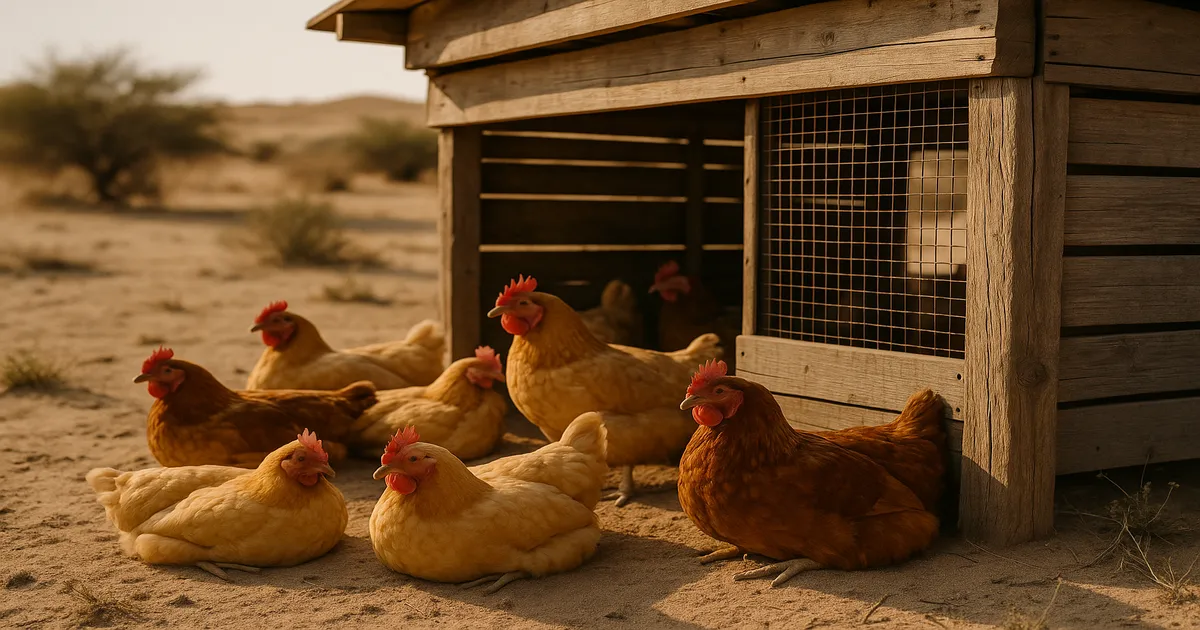
Heat stress kills faster than cold. Signs include panting, wings held away from the body, pale combs, and in extreme cases, sudden death. Provide shade, increase ventilation, and make sure cool fresh water is always available. Freeze water in their drinker overnight so it stays cold longer into the day. Watermelon, cucumber, and cold leafy greens double as hydration and enrichment.
Moult: Boosting Protein for Feather Regrowth
Moult typically hits in autumn and lasts 8–12 weeks. Feathers are roughly 85% protein, so a moulting hen has dramatically increased protein demands. Switch to a flock raiser or high-protein feed (20–22%) during this period and add mealworm treats generously. Pull back on scratch grains — the last thing a moulting hen needs is empty carbohydrates when she’s rebuilding her coat.
Spring Biosecurity: Introducing New Birds Safely
Spring is when most people add to their flocks — and when most disease introductions happen. Always quarantine new birds for a minimum of 30 days in a completely separate space before mixing them with your existing flock. This gives latent illnesses time to surface. Wash your hands and change footwear between the quarantine area and your main coop. It feels like overkill until the one time it saves your entire flock.
Frequently Asked Questions About How to Keep Chickens Healthy
What is the most common cause of illness in backyard chickens?
Poor coop management — specifically overcrowding, inadequate ventilation, and dirty bedding — is the leading cause of illness in backyard flocks. These conditions raise ammonia levels, create damp environments where pathogens thrive, and stress birds enough to suppress their immune systems. Most disease outbreaks can be traced back to a housing problem.
How do I know if my chicken is sick?
A healthy chicken is alert, active, and eating well. Early warning signs include lethargy, ruffled feathers, a pale or shrunken comb, watery eyes, nasal discharge, changes in droppings, and reduced appetite. Any bird showing these signs should be separated from the flock immediately and observed closely. When in doubt, call a poultry-experienced vet — catching illness early is almost always the difference between a recoverable bird and a dead one.
How often should I clean the coop?
Remove wet or soiled bedding from high-traffic areas — under roosts and around waterers — at least once a week. Do a full clean-out and replace all bedding monthly, or more often in wet weather. Twice a year, do a deep clean: scrub all surfaces, let them dry completely, and treat for mites before adding fresh bedding. The deep litter method, where you add fresh bedding on top of old and allow composting to occur, can work well in dry climates but requires careful moisture management.
Do backyard chickens need vaccinations?
The one vaccine that matters most for backyard flocks is Marek’s disease, ideally given at hatch. Beyond that, vaccination needs depend on your region and flock history. Newcastle Disease and Infectious Bronchitis vaccines are used in some areas, particularly where outbreaks have been reported. Check with your state veterinarian or local agricultural extension office for recommendations specific to your location.
How long do backyard chickens live?
Most laying breeds live 5–10 years, though production drops significantly after years 2–3. Heritage breeds and dual-purpose birds tend toward the longer end of that range. Production hybrids often experience more health problems in later years due to the metabolic demands of high egg output. With good management, it’s not unusual for a well-kept hen to live 7–8 years.