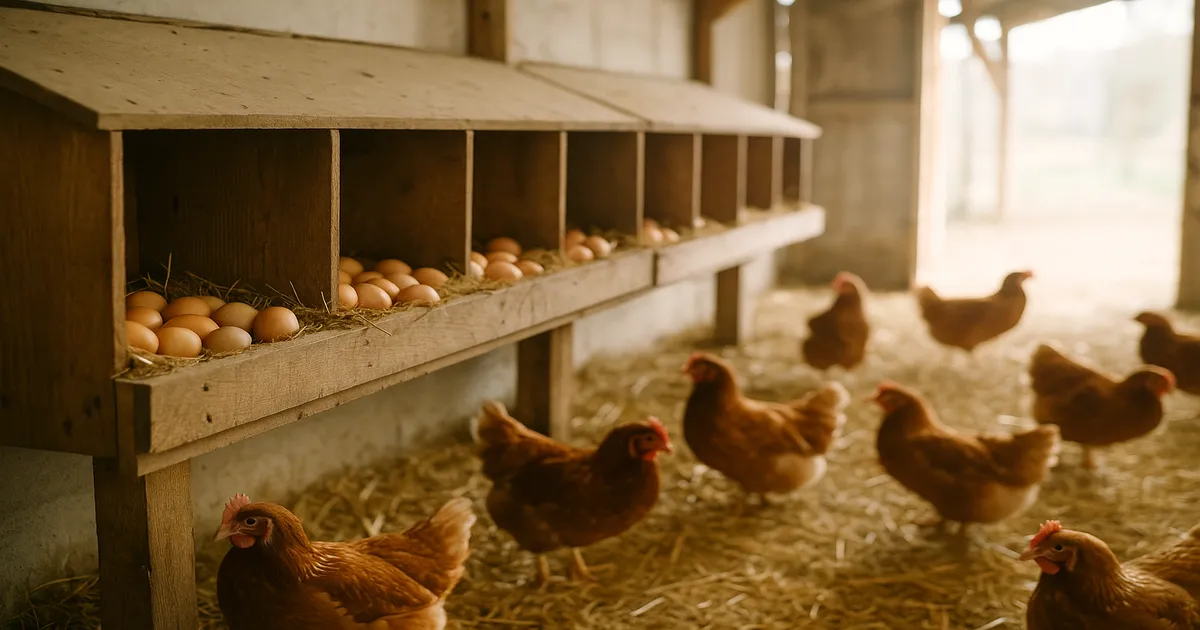
Quick Answer: Learning how to raise chickens at home for eggs is simpler than most people think. You need at least 3 hens, a secure coop, the right feed, and a few minutes of daily care. Most hens start laying at 16–28 weeks and will produce 200–320 eggs per year depending on the breed.
Raising backyard chickens for eggs is one of the most rewarding things you can do with a small patch of yard. Millions of households across the U.S. now keep small flocks — and for good reason. Fresh eggs, pest control, garden fertilizer, and the genuine pleasure of watching chickens do their thing make it well worth the effort. This guide walks you through everything you need to know about how to raise chickens at home for eggs, from choosing breeds to keeping your flock healthy through every season.
How to Raise Chickens at Home for Eggs: What You Need to Know Before You Start
Can You Keep Chickens in a Residential Area?
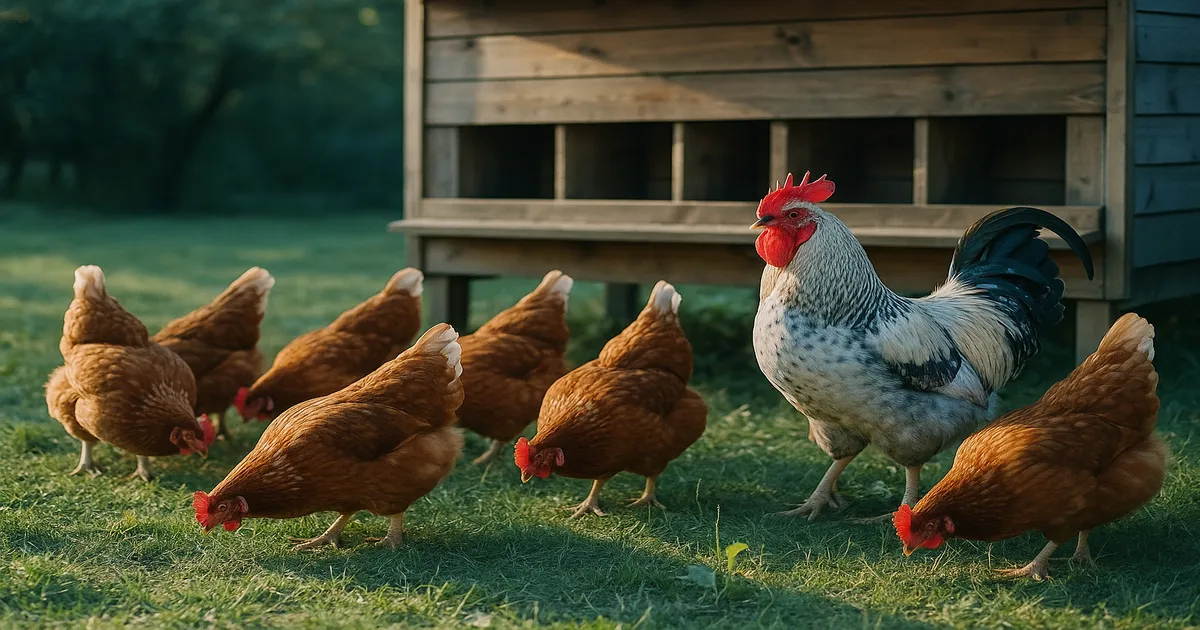
Most U.S. municipalities allow backyard hens — typically 3–6 birds with no roosters permitted. Rules vary enormously by city and even by neighborhood, so check your local ordinances and HOA rules before you buy a single chick. A quick call to your city’s zoning office takes five minutes and can save a lot of heartache.
How Many Hens Do You Actually Need?
The minimum flock size is 3 hens. Chickens are social animals and become stressed in isolation, which directly affects laying. Three good layers will produce roughly 12–18 eggs per week during peak season — more than enough for most households. Start small, get comfortable, and expand if you want more.
What to Expect in Your First Year
Pullets start laying somewhere between 16 and 28 weeks old, depending on breed. Expect a slow ramp-up — the first eggs are often small and irregular. Production peaks in spring and summer, then dips 50–80% in winter as daylight hours shorten.
Budget for upfront coop costs ($200–$800 for a quality pre-built or DIY setup), ongoing feed (roughly $15–$25 per month for a small flock), and occasional veterinary or supply expenses.
Choosing the Best Egg-Laying Breeds for Your Backyard
Top Breeds for Maximum Egg Production
Here’s a quick comparison of the most popular backyard breeds:
| Breed | Annual Eggs | Egg Color | Temperament |
|---|---|---|---|
| Leghorn | 280–320 | White | Active, flighty |
| Golden Comet | 250–300 | Brown | Very docile |
| Australorp | 250–300 | Brown/tinted | Gentle, quiet |
| Rhode Island Red | 200–280 | Brown | Hardy, assertive |
| Plymouth Rock | 200–280 | Brown | Calm, friendly |
| Easter Egger | 200–280 | Blue/green/pink | Friendly, curious |
| Sussex | 200–250 | Brown/cream | Calm, inquisitive |
| Buff Orpington | 150–200 | Brown | Docile, broody |
Accuracy note on Rhode Island Reds: Production figures of 250–300 are sometimes cited for hatchery-strain RIRs, but 200–280 is more realistic for typical backyard birds. Buff Orpington figures have been revised down to 150–200, which better reflects the breed’s actual output.
Best Breeds for Families and Beginners
If you have kids or you’re new to chicken keeping, start with a Buff Orpington, Australorp, Sussex, or Plymouth Rock. These breeds are calm, handle being picked up reasonably well, and rarely cause problems in mixed flocks. Leghorns lay more eggs but are skittish and can be difficult to manage — better suited once you have some experience.
Cold-Hardy vs. Heat-Tolerant Breeds
Comb type matters more than most beginners realize. Single-comb breeds like the Leghorn are prone to frostbite in cold climates. Rose-comb and pea-comb breeds — Wyandottes, Australorps, and Easter Eggers — handle cold much better. On the flip side, lighter-bodied breeds like the Leghorn cope with summer heat far better than heavy breeds like the Brahma or Cochin.
Understanding Broodiness and How It Affects Egg Supply
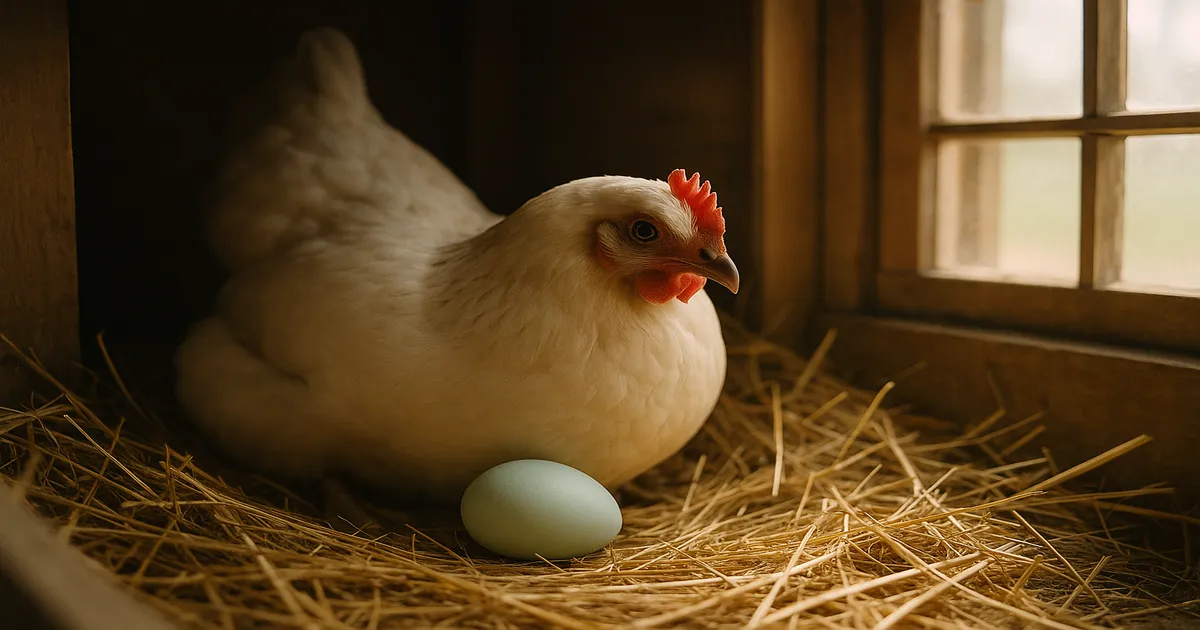
A broody hen stops laying entirely and sits on a clutch of eggs waiting for them to hatch — even unfertilized ones. This can pause production for 8–12 weeks or more. For consistent egg supply, choose breeds that rarely go broody: Leghorns, Golden Comets, Sex-Links, and Australorps are your best bets. Buff Orpingtons are wonderful birds but are notorious for going broody repeatedly through the season.
Setting Up Your Chicken Coop: Space, Roosts, and Nesting Boxes
How Much Space Do Backyard Chickens Need?
- Inside the coop: 4 sq ft per bird minimum; 6–8 sq ft per bird is strongly preferred
- Outdoor run: 10 sq ft per bird minimum; 20–30 sq ft per bird is much better
- Free-range: 250+ sq ft per bird for true pasture rotation
Overcrowding is the single most common cause of feather pecking, aggression, and disease in backyard flocks. When in doubt, give them more space.
Roost Bar Design and Placement
Roost bars should be 1.5–2 inches in diameter — flat or slightly rounded, not round like a parrot perch. Allow 8–10 inches of bar space per bird. Position roosts 18–36 inches off the ground (lower for heavy breeds) and always higher than the nesting boxes. If your roosts are lower than the nest boxes, hens will sleep in the boxes and foul them with droppings.
Nesting Box Requirements and Egg Collection Tips
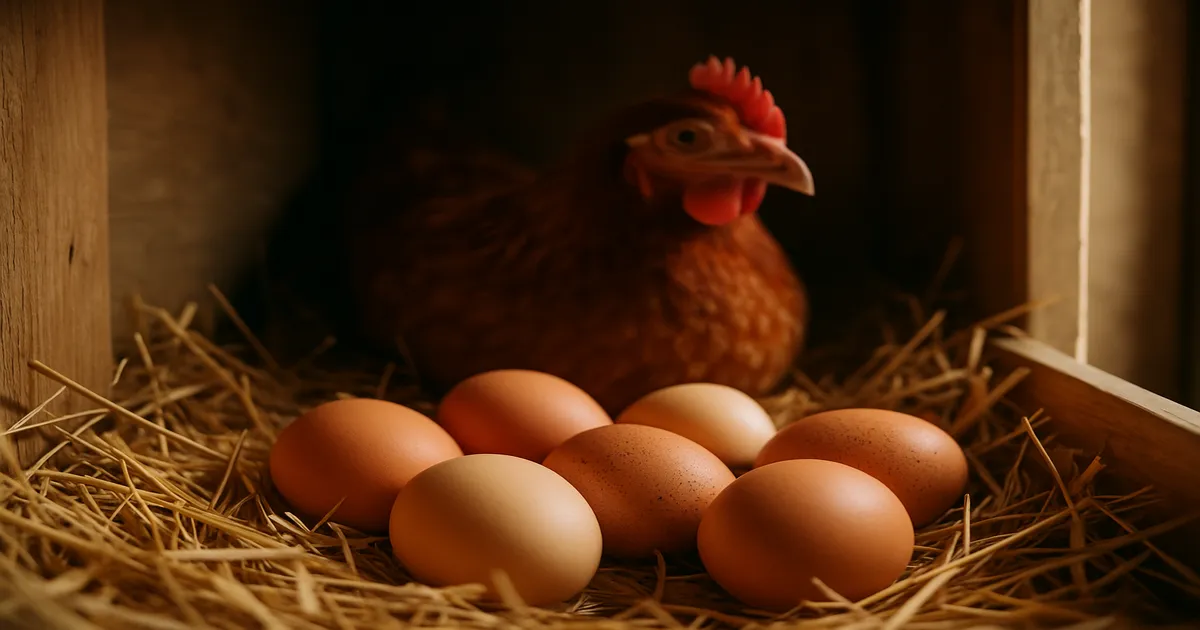
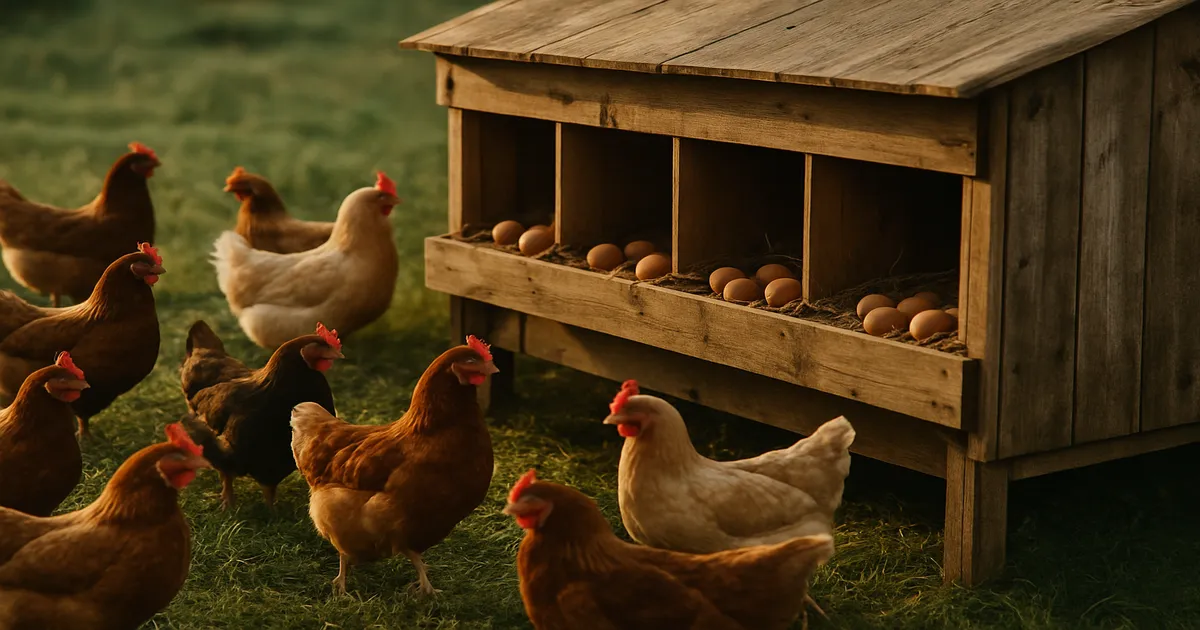
One nesting box per 3–4 hens is the standard ratio. Standard dimensions are 12×12×12 inches; go 14×14×14 for heavier breeds. Line boxes with 3–4 inches of pine shavings or straw, and mount them 18–24 inches off the floor with a small lip to keep bedding in place. Collect eggs at least once daily — twice in summer — to prevent breakage, bacterial growth, and hens developing a habit of eating their own eggs.
Ventilation: The Most Overlooked Coop Feature
Ammonia from droppings builds up fast in a closed coop, and concentrations above 25 ppm cause serious respiratory damage. Provide at least 1 sq ft of ventilation per 10 sq ft of floor space, positioned near the roofline so hot, moist air escapes without creating drafts at bird level. Cross-ventilation — vents on opposing walls — is ideal. In winter, keep vents open but use hardware cloth covers or baffles to block direct wind while maintaining airflow.
Predator-Proofing Your Coop and Run
Why Chicken Wire Is Not Enough
Chicken wire keeps chickens in. It does not keep predators out. Raccoons can tear through it with their hands. Use hardware cloth — ½-inch welded wire mesh — for all walls, windows, and run panels. It costs more, but it’s the difference between a safe flock and a tragedy.
Foxes, dogs, and coyotes will dig under a run given enough time. The solution is an L-shaped apron of hardware cloth buried 12 inches deep and extending 12 inches outward at the base of the run walls. Predators dig straight down at the fence line and hit the buried wire before they can get underneath.
Locks, Latches, and Automatic Coop Doors
Raccoons can open simple hook latches — it’s not a joke. Use carabiner clips or two-step latches on every door. An automatic coop door with a light sensor (ChickenGuard Extreme) is one of the best investments you can make. Most predator attacks happen at dusk and dawn, and an automatic door closes reliably even when you forget.
Cover the top of your run with hardware cloth or heavy-duty bird netting to protect against hawks. Inspect the entire coop perimeter monthly for gaps larger than ½ inch — weasels and rats can squeeze through surprisingly small openings.
What to Feed Laying Hens for Maximum Egg Production
Feed Types by Life Stage
| Life Stage | Feed Type | Protein % | Age |
|---|---|---|---|
| Chicks | Chick Starter | 18–22% | 0–8 weeks |
| Pullets | Grower/Developer | 14–16% | 8–18 weeks |
| Laying Hens | Layer Feed | 15–18% | 18+ weeks |
| Molting Hens | Flock Raiser / High-Protein | 20–22% | During molt |
Never feed layer feed to chicks under 18 weeks. The calcium content (3–4%) is too high for developing kidneys and can cause lasting damage.
Calcium, Grit, and Water
Laying hens need 4–5 grams of calcium per day for strong shells. Layer feed helps, but offering oyster shell free-choice in a separate container lets hens self-regulate their intake. Crushed eggshells work too — bake them at 250°F for 30 minutes first so hens don’t associate them with real eggs, then crush and offer free-choice.
Chickens have no teeth. They grind food in their gizzard using small stones called grit. Free-ranging hens pick up grit naturally, but confined birds must have it provided. Keep insoluble granite grit in a separate container at all times. Don’t confuse it with oyster shell — oyster shell dissolves and provides calcium; it cannot substitute for insoluble grinding grit.
Water is just as critical. A hen drinks 1–2 cups per day under normal conditions — that doubles in hot weather. Egg production drops within 24 hours of water deprivation. Use a clean, shaded waterer and refresh it daily. In winter, a heated waterer base prevents freezing and keeps the flock hydrated when you’d least expect a problem.
Safe Treats and Foods to Avoid
Good treats include mealworms (especially during molt — they’re high in protein), leafy greens, watermelon, berries, squash, and cooked eggs. Keep treats to no more than 10% of total diet so you don’t dilute protein and calcium intake.
Avoid entirely:
- Avocado (toxic — contains persin)
- Raw dried beans (contain phytohaemagglutinin)
- Chocolate
- Onions and garlic in large quantities
- Moldy or rotten food
- Salty snacks
How to Raise Chickens at Home for Eggs: Understanding Production
When Do Chickens Start Laying?
- Early-maturing breeds (Leghorn, Golden Comet, Sex-Links): 16–18 weeks
- Medium breeds (Rhode Island Red, Plymouth Rock): 18–22 weeks
- Heavy/heritage breeds (Buff Orpington, Brahma, Wyandotte): 24–28 weeks
Watch for these signs that laying is imminent: the hen squats when you approach her, her comb and wattles deepen in color and enlarge, and she starts investigating the nesting boxes.
Seasonal Production and Molting
Hens need 14–16 hours of daylight for peak production. When days shorten in fall and winter, a hormonal shift reduces laying by 50–80%. This is completely normal. Molting — the annual shedding and regrowing of feathers — typically starts in fall and lasts 8–16 weeks. Hens stop laying during a molt and redirect all energy into feather regrowth. Support them with a high-protein feed (20–22%) and mealworm supplements during this period. After the molt, hens return to laying with better feather condition and renewed vigor.
Production declines roughly 10–20% each year after the first laying year, so plan to refresh your flock every 3–4 years if consistent output matters to you.
Keeping Your Flock Healthy
Marek’s Disease and Coccidiosis
Marek’s disease is a highly contagious herpesvirus that causes paralysis, tumors, and death — primarily in birds between 6 and 30 weeks old. There is no cure. The only protection is vaccination at hatch, which costs $0.15–$0.25 per chick and is offered by most hatcheries. Request it when you order. It’s the single most important health decision you’ll make for your flock.
Coccidiosis is a protozoan intestinal infection that primarily hits chicks at 3–6 weeks old. Signs include bloody or watery diarrhea, lethargy, hunched posture, and a pale comb. Treat with Amprolium (Corid) at 1.5 teaspoons of the liquid concentrate (or ½ teaspoon of the soluble powder) per gallon of drinking water for 5–7 days. Medicated chick starter contains a low preventive level of Amprolium. Keep brooder litter dry and avoid overcrowding.
Dosage note: Always confirm current Corid dosing on the product label, as formulations differ between liquid and powder forms.
Mites, Lice, and Signs of Illness
Northern fowl mites live directly on the bird and are visible as tiny moving specks near the vent feathers. Red poultry mites hide in coop cracks during the day and feed on birds at night. Both cause feather damage, anemia, and production drops. Check birds regularly by parting vent feathers. Treat with permethrin-based poultry dust or spray, and treat the coop at the same time.
A healthy hen is alert, upright, actively foraging, and has bright eyes, a red comb, and smooth feathers. Warning signs include lethargy, a pale or shrunken comb, labored breathing, nasal discharge, a sudden drop in egg production, or sitting puffed up and separate from the flock. Any of these warrants a closer look — and potentially a call to a vet. Find a poultry-experienced vet before you have an emergency. The Poultry Extension program at your state’s land-grant university is also an excellent free resource.
Seasonal Care: Managing Your Flock Year-Round
Winter Keeping
Most standard breeds handle temperatures down to 0°F (-18°C) with a dry, draft-free, well-ventilated coop. Resist the urge to seal everything up — moisture is more dangerous than cold. Avoid heat lamps unless temperatures drop well below 0°F; they’re a leading cause of coop fires and prevent birds from acclimatizing naturally.
Single-comb breeds like Leghorns are prone to frostbite in hard freezes. Apply a thin layer of petroleum jelly to combs and wattles on nights when temperatures will dip below 20°F (-7°C).
If you want consistent winter eggs, add supplemental light to bring total daily light exposure to 14–16 hours. Add the extra hours in the morning on a timer rather than the evening — this mimics natural sunrise extension and is less disruptive to the flock’s sleep cycle. A simple LED bulb on a programmable timer does the job. That said, allowing hens to molt and rest naturally through winter extends their productive laying life — it’s worth considering both approaches.
The deep litter method is worth knowing for cold climates. Build up 4–6 inches of pine shavings on the coop floor and turn it regularly rather than cleaning it out completely. As the litter composts, it generates passive heat. The key is keeping it dry and turning it every week or two to prevent ammonia buildup. Do a full cleanout in spring and use the composted litter as excellent garden fertilizer.
Summer Heat Management
Chickens tolerate cold better than heat. Above 90°F (32°C), production drops and heat stress becomes a real risk. Provide deep shade, maximize coop ventilation, and refresh waterers frequently. Frozen treats — watermelon chunks or a block of ice with vegetables frozen inside — help birds cool down and stay engaged.
Frequently Asked Questions About Raising Chickens at Home for Eggs
How many chickens do I need to get a dozen eggs per week?
Three to four hens from a high-producing breed like an Australorp or Golden Comet will reliably give you a dozen eggs per week during peak season. To account for winter slowdowns, molting, and the natural decline in production as hens age, keeping 4–6 hens gives you a more consistent year-round supply.
How long does it take for a chicken to start laying eggs?
It depends on the breed. Fast-maturing breeds like Leghorns and Golden Comets start laying at 16–18 weeks. Medium breeds like Rhode Island Reds take 18–22 weeks. Heavy heritage breeds like Buff Orpingtons and Brahmas can take 24–28 weeks. From the day you bring home day-old chicks, expect to wait at least four to six months before you see your first egg.
Do you need a rooster for hens to lay eggs?
No. Hens lay unfertilized eggs continuously without any rooster present. A rooster is only needed if you want fertilized eggs for hatching chicks. Most urban and suburban ordinances prohibit roosters anyway, so the good news is you don’t need one for a productive laying flock.
How much does it cost to raise chickens for eggs?
Startup costs typically run $300–$900, covering a coop, feeder, waterer, bedding, and your first chicks or pullets. Ongoing costs are roughly $15–$25 per month in feed for a small flock of 3–6 hens, plus occasional expenses for supplements, bedding, and veterinary care. Once your flock is established, the cost per dozen eggs is often comparable to — or lower than — premium store-bought eggs.
How long do chickens live and how long will they lay eggs?
Most backyard hens live 5–10 years. Peak egg production happens in the first 1–2 years of laying, then declines by roughly 10–20% each year. By year four or five, many hens are laying only occasionally. Plan to either accept reduced production from older birds or introduce new pullets every few years to keep output steady.