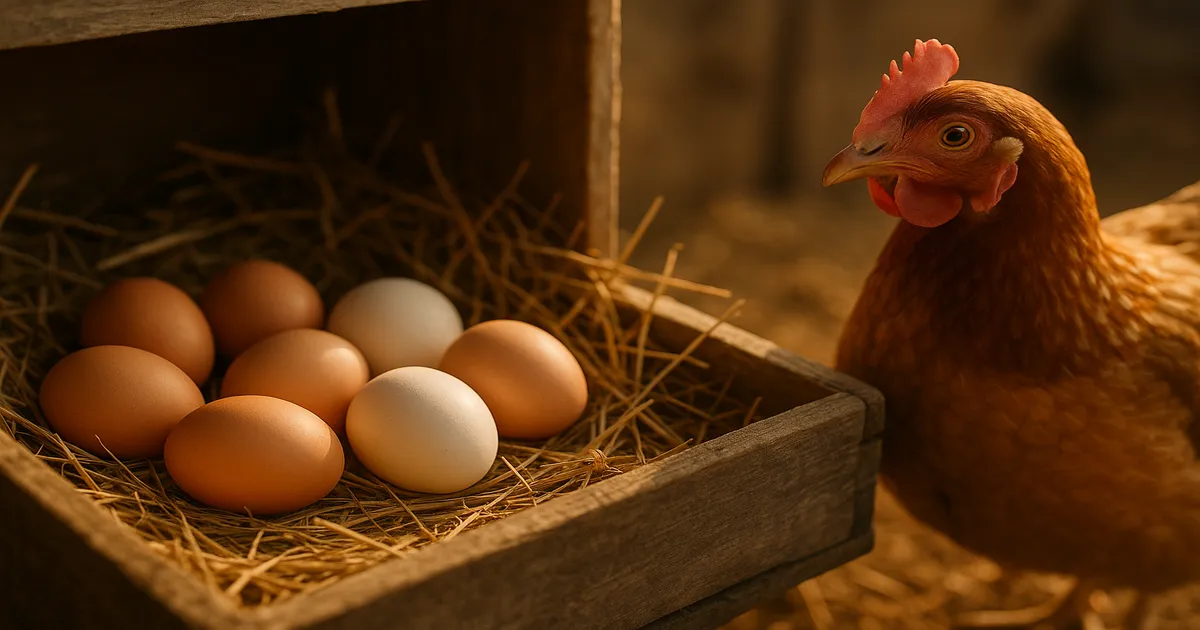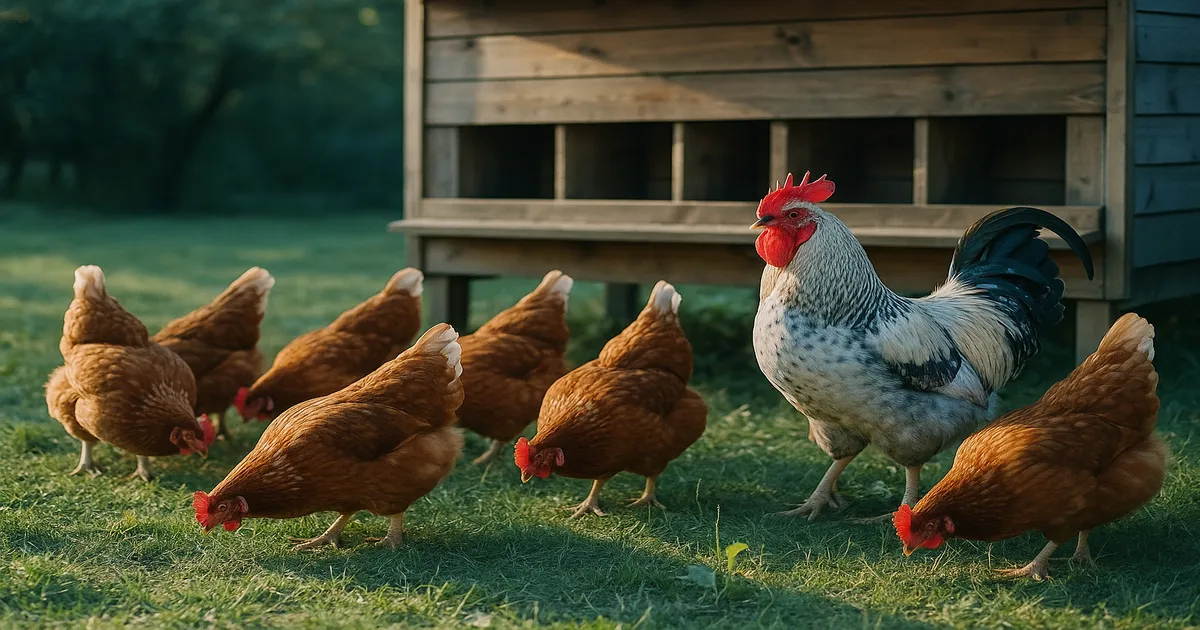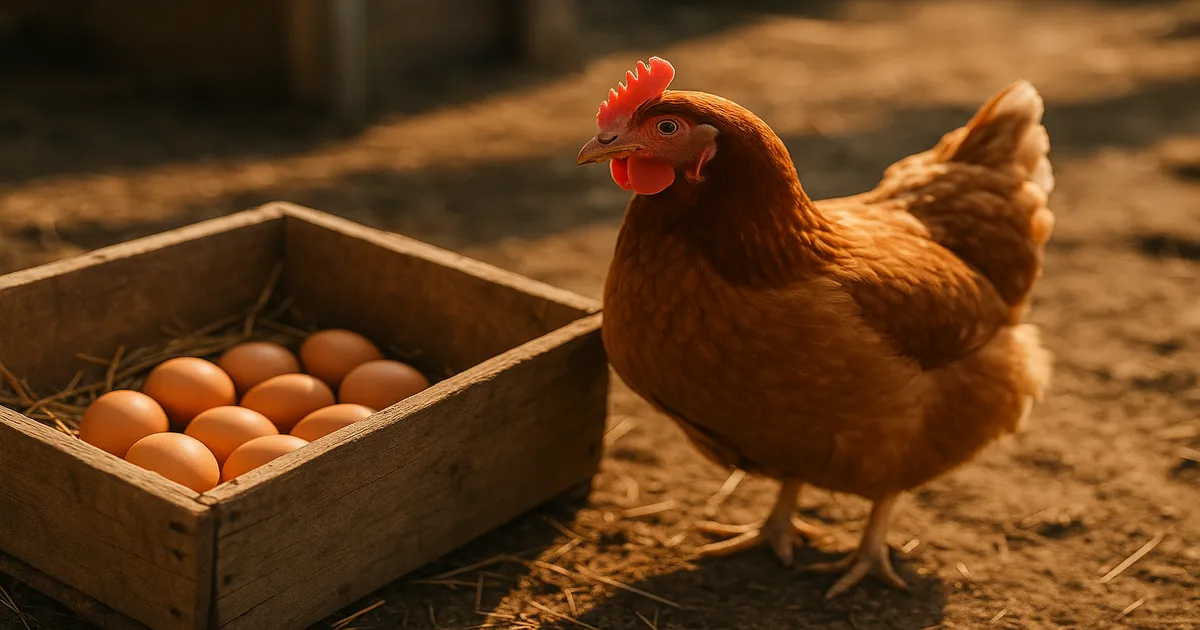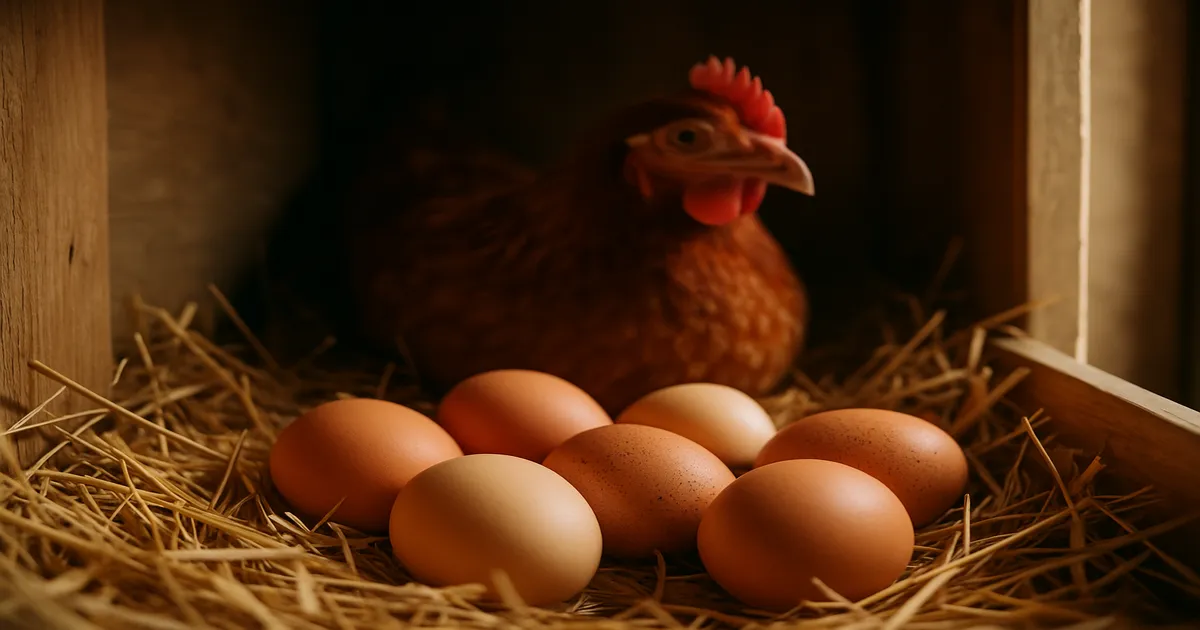
Quick Answer: To get better eggs from your backyard chickens, focus on five things: choose the right breed for your goals, feed a high-quality layer diet with proper calcium, give your hens adequate space and clean housing, manage light to keep production steady year-round, and minimize stress. Nail those five levers and you’ll see stronger shells, deeper yolks, and more eggs per week almost immediately.
Getting better eggs from your backyard flock isn’t about one magic fix — it’s about stacking several good decisions on top of each other. The good news is that most improvements are straightforward once you know what to look for. This guide walks you through every factor that influences egg quality, from breed selection and nutrition to coop design and seasonal lighting, so you can start seeing real results fast.
What Does “Better Eggs” Actually Mean?
Before you start tweaking your setup, it helps to know which dimension you’re trying to improve. “Better” means different things depending on your goals.
- Yolk color — deep orange vs. pale yellow (driven by diet and free-ranging)
- Shell strength — thick, hard shells vs. thin, soft, or shell-less eggs (driven by calcium and Vitamin D3)
- Flavor — richer, more complex taste (driven by diet diversity and low stress)
- Egg size — moving from small pullet eggs to large or jumbo (driven by age and protein intake)
- Production volume — consistent weekly output (driven by breed, lighting, and health)
The Five Levers That Drive Egg Quality
- Breed selection — Your ceiling is set by genetics
- Nutrition — The single most powerful lever you can pull today
- Housing and space — Overcrowding quietly destroys egg quality
- Lighting management — Prevents the winter production cliff
- Stress reduction — Often overlooked, always consequential
Choose the Right Breed for the Eggs You Want
Best Breeds for High-Volume Production (250–320 Eggs/Year)
If your priority is quantity, these four breeds consistently outperform the rest.
- Leghorn — 280–320 large white eggs per year. The most feed-efficient layer available, though flighty and not especially cold-hardy below about 20°F (-7°C).
- Australorp — 250–300 large light-brown eggs per year. Holds the world record (364 eggs in 365 days). Calm, cold-hardy, and one of the best all-around backyard breeds.
- Rhode Island Red — 250–300 large brown eggs per year. Assertive temperament, excellent cold-hardiness, and a reliable layer through her second and third years.
- Golden Comet / ISA Brown — 280–300 large brown eggs per year in year one. Extremely docile. Production drops more steeply after year two than heritage breeds, so plan accordingly.
Best Breeds for Premium Egg Qualities: Dark Shells, Blue Eggs, and Rich Yolks
Not everyone is optimizing for volume. If you want eggs that stop people in their tracks at the breakfast table — or the farmers market — these are your breeds.
- Black Copper Marans — The darkest chocolate-brown shells available from a backyard breed. Expect 150–200 eggs per year. Moderately cold-hardy; not well-suited to very hot climates.
- Welsummer — Dark terracotta-brown eggs with gorgeous speckles. Lays 160–250 per year and handles cold reasonably well.
- Easter Egger / Cream Legbar — Blue, green, or olive eggs from the blue-egg gene. Easter Eggers lay 200–280 per year; Cream Legbars are auto-sexing and lay a reliable sky blue. Both are friendly and adaptable.
- Olive Egger — Cross a dark-brown-egg breed with a blue-egg breed and you get striking olive-green eggs. Volume varies, but the visual impact is unmatched.
Breed Comparison Table
| Breed | Eggs/Week | Eggs/Year | Egg Color | Egg Size |
|---|---|---|---|---|
| Leghorn | 5–6 | 280–320 | White | Large |
| Golden Comet | 5–6 | 280–300 | Brown | Large |
| Australorp | 4–5 | 250–300 | Light Brown | Large |
| Rhode Island Red | 4–5 | 250–300 | Brown | Large |
| Barred Rock | 3–5 | 200–280 | Brown | Large |
| Easter Egger | 3–4 | 200–280 | Blue/Green | Medium–Large |
| Buff Orpington | 3–4 | 175–200 | Light Brown | Large |
| Welsummer | 3–4 | 160–250 | Dark Speckled Brown | Medium–Large |
| Black Copper Marans | 2–3 | 150–200 | Dark Chocolate | Large |
When Do Pullets Start Laying?
- Production hybrids (Leghorn, Golden Comet): first egg at 16–18 weeks
- Standard dual-purpose breeds (Rhode Island Red, Barred Rock, Australorp): 18–22 weeks
- Heritage and specialty breeds (Buff Orpington, Marans, Welsummer): 22–28 weeks
- Silkies and some bantams: 24–32 weeks
Broodiness is worth factoring in here too. A Buff Orpington or Cochin may go broody two or three times a year, halting laying for 3–8 weeks each time. If consistent production is your goal, stick with low-broodiness breeds like Australorps, Leghorns, or Rhode Island Reds.
Feed Your Hens for Better Eggs
Layer Feed Basics: Protein, Calcium, and Daily Quantities
Every part of the egg — shell, white, and yolk — is built from what your hen ate in the last 24–26 hours. Feed quality is the fastest lever you can pull to see results.
Laying hens need a feed with 15–18% crude protein, with 16% being the standard sweet spot. Drop below 14% and you’ll see smaller eggs, reduced production, and poor feather condition. Each hen eats roughly ¼ lb (113–120 grams) of complete layer feed per day — about 90–100 lbs per year. A quality bagged layer pellet covers the basics well. (Purina Layena Plus Omega-3)
Pellets vs. Crumbles vs. Fermented Feed
Pellets and crumbles are nutritionally equivalent, but pellets generate 10–15% less waste — a meaningful difference over the course of a year. Fermented feed is genuinely worth the effort if you’re willing to try it. Soak layer feed in water for 3–5 days until lacto-fermentation begins (you’ll see bubbles and smell a mild sourness), then offer it in place of dry feed. The benefits are real: improved nutrient absorption, better gut health, and a 20–30% drop in daily consumption — down to roughly 75–90 grams per hen per day.
How to Get Deeper, Darker Yolks
Yolk color is measured on the Roche Yolk Color Fan, a 1–15 scale. Store-bought eggs typically score 6–8 (pale yellow). Backyard hens with good diets and pasture access regularly hit 10–14 (deep orange). The driver is xanthophylls — pigment compounds found in specific foods.
Add these to deepen yolk color:
- Dried marigold petals — the most potent option; add at 1–2% of diet by weight
- Dark leafy greens (kale, spinach, chard) — feed freely
- Pumpkin and winter squash — high in beta-carotene
- Paprika — sprinkle lightly over feed
- Free-ranging on green pasture — insects and grass together push yolks into the deep orange range
Calcium Supplementation for Stronger Shells
A laying hen needs 4–5 grams of calcium per day to form a proper shell. Standard layer feed provides roughly 3.5–4 grams — close, but often not quite enough during peak production. The fix is simple: offer oyster shell free-choice in a separate container at all times. Hens self-regulate their intake and eat more when they need it.
Crushed dried eggshells work equally well and cost nothing — just make sure they’re fully dried and crushed so hens don’t associate them with whole eggs.
Don’t overlook Vitamin D3. Without it, hens can’t absorb calcium efficiently even when it’s available. Ensure your flock gets 4–6 hours of direct sunlight daily, or choose a layer feed that includes supplemental D3.
The 90/10 Treat Rule and Foods to Avoid
Treats are fine — healthy ones actively improve egg quality — but they need to stay at or below 10% of total daily diet. Exceed that and you dilute the nutritional completeness of layer feed, which shows up quickly as thinner shells and smaller eggs.
Protein-boosting treats worth adding:
- Dried mealworms (50–53% protein) — limit to 1 tablespoon per hen per day
- Black soldier fly larvae (40–45% protein, great for gut health) — similar limits apply
- Black oil sunflower seeds (high in Vitamin E and healthy fats) — limit to 1 teaspoon per hen per day
Foods to avoid entirely: avocado (toxic), raw or dried uncooked beans (toxic), chocolate, large amounts of onion or garlic, salty foods, and anything moldy.
Optimize Your Coop and Run for Better Laying
Space Requirements: Why Overcrowding Hurts Egg Quality
Stressed, crowded hens produce fewer eggs with thinner shells and paler yolks. The minimum space guidelines exist for a reason.
- Coop interior: 4 sq ft per standard hen minimum
- Outdoor run: 10 sq ft per hen minimum; 15–20 sq ft is better
- Free-range: 100–250 sq ft per hen for genuine pasture benefit
Nesting Box Setup: Ratios, Dimensions, and Placement
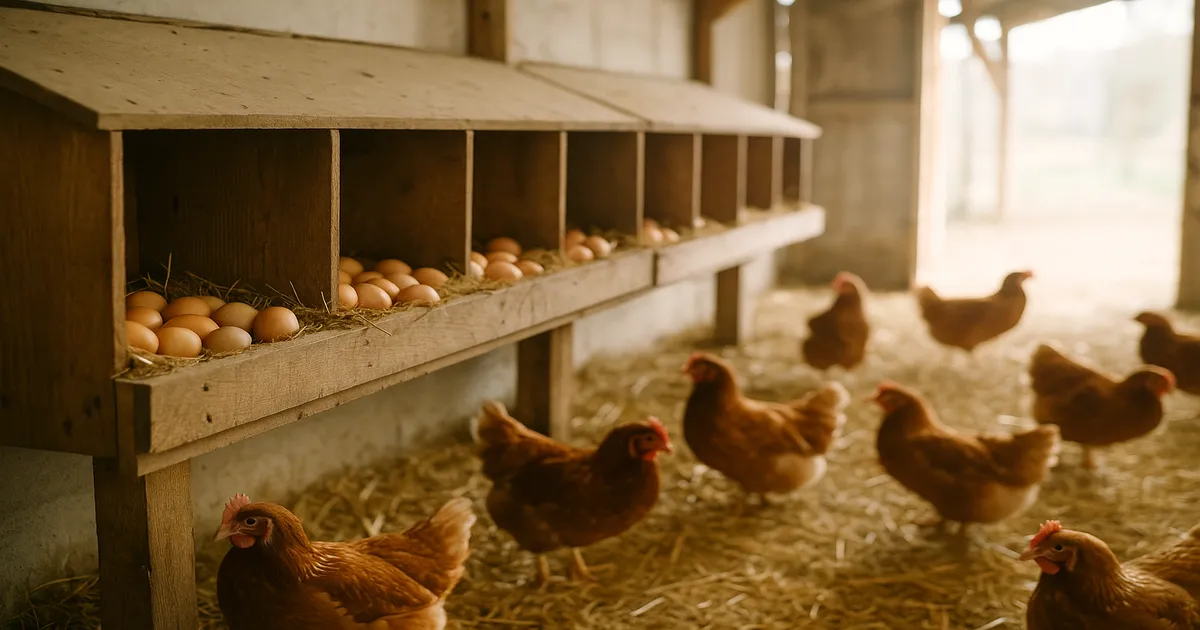
The standard ratio is 1 nesting box per 3–4 hens. For standard breeds, boxes should be 12×12×12 inches; bump up to 14×14×14 inches for large breeds like Brahmas or Jersey Giants.
Placement matters more than most keepers realize. Mount boxes lower than roost bars — if hens can sleep in them, they will, and you’ll end up with dirty, fecal-contaminated eggs. Position them 12–18 inches off the floor with a small landing perch in front. Keep 3–4 inches of pine shavings or straw inside and replace bedding when it gets soiled.
Introducing pullets to a new coop? Place a few golf balls or ceramic fake eggs in the boxes. It sounds silly, but it works — pullets investigate, decide it looks like a safe place to lay, and follow suit.
Roost Bar Specs That Prevent Injury
Use roost bars with a 1.5–2 inch diameter — this mimics a natural branch and allows hens to fully wrap their feet, reducing the risk of bumblefoot. Each hen needs 8–12 inches of linear roost space. In cold climates, flat 2×4 lumber laid flat-side-up is ideal because hens can cover their toes with their body feathers, preventing frostbite.
Position roosts 18–36 inches off the ground with at least 12 inches of clearance from the wall, and space multiple bars at least 12–18 inches apart horizontally.
Ventilation: Controlling Ammonia for Healthier Hens
Ammonia from droppings is the number one indoor air quality threat in a coop, and it directly suppresses egg production. Your target is below 10 ppm at bird level — if you can smell it when you walk in, it’s already too high.
Aim for 1 sq ft of vent area per 10 sq ft of floor space, minimum. Place vents high on the walls near the roofline so moisture and ammonia escape upward without creating cold drafts at hen level. Ridge vents, gable vents, and adjustable hardware-cloth-covered windows all work well.
Lighting and Seasonal Management for Year-Round Production
How Day Length Controls the Laying Cycle
Hens need 14–16 hours of light per day to maintain peak production. In most of North America, natural day length drops well below that threshold from October through February, causing production to fall 50–80% in flocks without supplemental lighting. This is a normal biological response to seasonal cues — but it’s very fixable.
How to Use Supplemental Lighting Without Stressing Your Flock
Add light in the morning, not the evening. Set a timer to turn on a coop light before dawn and gradually extend the “day” — this is far less disruptive than abrupt changes. A 25–40 watt incandescent bulb or equivalent LED per 100 sq ft of coop space is plenty. Introduce the change gradually over 1–2 weeks, and don’t extend the light day past 16–17 hours total — more isn’t better.
Managing Broodiness to Protect Your Egg Supply
A broody hen stops laying entirely. With recovery time included, each episode costs you 3–8 weeks of eggs. High-broodiness breeds — Buff Orpington, Silkie, Cochin, Brahma — can go broody multiple times per season.
To break broodiness, place the hen in a wire-bottomed cage elevated off the ground for 3–7 days. The airflow beneath her cools the brood patch and disrupts the hormonal cycle driving the behavior. It’s safe and effective. Once she’s eating, drinking, and moving normally, she can return to the flock.
Temperature, Stress, and Flock Health
Optimal Temperature Range and Managing Extremes
The sweet spot for egg production is 65–75°F (18–24°C). Production begins declining below 45°F (7°C) and above 85°F (29°C). Above 95°F (35°C), hens face genuine health risks and often stop laying entirely.
In cold weather, resist the urge to use a heat lamp — they’re a significant fire hazard and create a dependency that makes hens less cold-resilient. Instead, focus on draft-free, dry, well-insulated housing. The deep litter method — maintaining 6–12 inches of carbon-rich bedding like pine shavings that you turn regularly rather than clean out — generates microbial heat and can raise coop temperature 5–10°F (3–6°C) above outside temps naturally.
In summer, shade, ventilation, and cool fresh water matter most. Frozen treats like watermelon or chilled greens help hens stay comfortable on hot days.
How Stress Affects Egg Quality and Production
Cortisol — the stress hormone — measurably affects both egg flavor and laying frequency. Hens under chronic stress lay less often and produce eggs with less complex flavor. The usual culprits are predictable: overcrowding, predator pressure, inconsistent routines, flock bullying, and sudden environmental changes.
Consistent daily routines, adequate space, and a secure coop go a long way. Small things matter — even the time you open the coop door each morning.
Matching Breed to Climate
- Cold-hardy breeds (Rhode Island Red, Australorp, Wyandotte, Barred Rock): tolerate down to 0°F (-18°C) with proper shelter
- Mediterranean breeds (Leghorn, Ancona): excellent heat tolerance but need more protection below 20°F (-7°C)
If you’re in a climate with harsh winters, cold-hardy breeds will maintain better production through the cold months even without supplemental heating.
Practical Tips to Improve Egg Size, Shell Integrity, and Freshness
Why Pullets Lay Small Eggs and How to Encourage Larger Ones
Young pullets always start with small eggs — that’s normal and expected. Egg size increases naturally through the first year of laying as the hen’s reproductive system matures. The main thing you can do is ensure adequate protein intake (16–18% crude protein in the diet). Protein is directly tied to egg size; underfeed it and eggs stay small longer.
For reference, USDA size grades by minimum weight per dozen: Peewee (<18 oz), Small (18 oz), Medium (21 oz), Large (24 oz), Extra Large (27 oz), Jumbo (30 oz).
Diagnosing and Fixing Shell Problems
Shell problems are almost always a nutrition issue. Here’s how to read the signs:
- Thin or rough shells → calcium deficiency; add oyster shell free-choice immediately
- Soft or rubbery shells → calcium deficiency combined with possible Vitamin D3 deficiency; ensure 4–6 hours of direct sunlight daily
- Shell-less eggs → severe calcium deficiency or sudden stress; address both nutrition and environment
- All of the above in a new pullet → often normal during the first few weeks of laying; give it time while ensuring good nutrition
If oyster shell is already available and problems persist, check that your hens are actually getting sunlight — D3 deficiency prevents calcium absorption regardless of how much calcium is on offer.
Collecting and Storing Eggs for Peak Freshness
Collect eggs at least once daily — twice daily is better. Frequent collection reduces breakage, discourages broodiness, and prevents soiling from hens sitting on the nest. In hot weather, collect even more often.
Storage guidelines:
- Unwashed eggs (bloom intact): room temperature up to 2 weeks, or refrigerated up to 3 months
- Washed eggs (bloom removed): refrigerate immediately and use within 2 months
- Float test: place an egg in a glass of water — fresh eggs sink and lie flat; older eggs tilt or stand upright; eggs that float should be discarded
Use a dedicated egg basket or egg skelter to rotate your stock and always use the oldest eggs first.
Frequently Asked Questions About How to Get Better Eggs
Q: How quickly will I see improvement after changing my hens’ diet? Shell quality can improve within 1–2 weeks of adding oyster shell. Yolk color deepens within 3–7 days of adding xanthophyll-rich foods like marigold petals or leafy greens. Production changes tied to lighting take 2–4 weeks to fully show up.
Q: Do I need a rooster to get better eggs? No. Hens lay eggs with or without a rooster. A rooster is only needed if you want fertilized eggs for hatching. He has no effect on egg quality, shell strength, or yolk color.
Q: My hens suddenly stopped laying. What’s wrong? Sudden drops in production are almost always caused by one of five things: a change in day length (seasonal), a molt, stress from a predator event or flock disruption, illness, or a nutritional deficiency. Check all five before assuming a health problem.
Q: Can I feed my hens kitchen scraps to improve egg quality? Yes, within the 10% treat rule. Leafy greens, cooked eggs, plain cooked rice, and vegetable trimmings are all fine. Avoid avocado, raw dried beans, chocolate, salty foods, and anything moldy — these are toxic or harmful.
Q: At what age do hens start laying worse eggs? Most hens peak in their first and second year. From year three onward, production volume drops, though egg size often increases. Shell quality and yolk color remain good as long as nutrition stays consistent. Many keepers find their older hens still produce excellent eggs — just fewer of them.