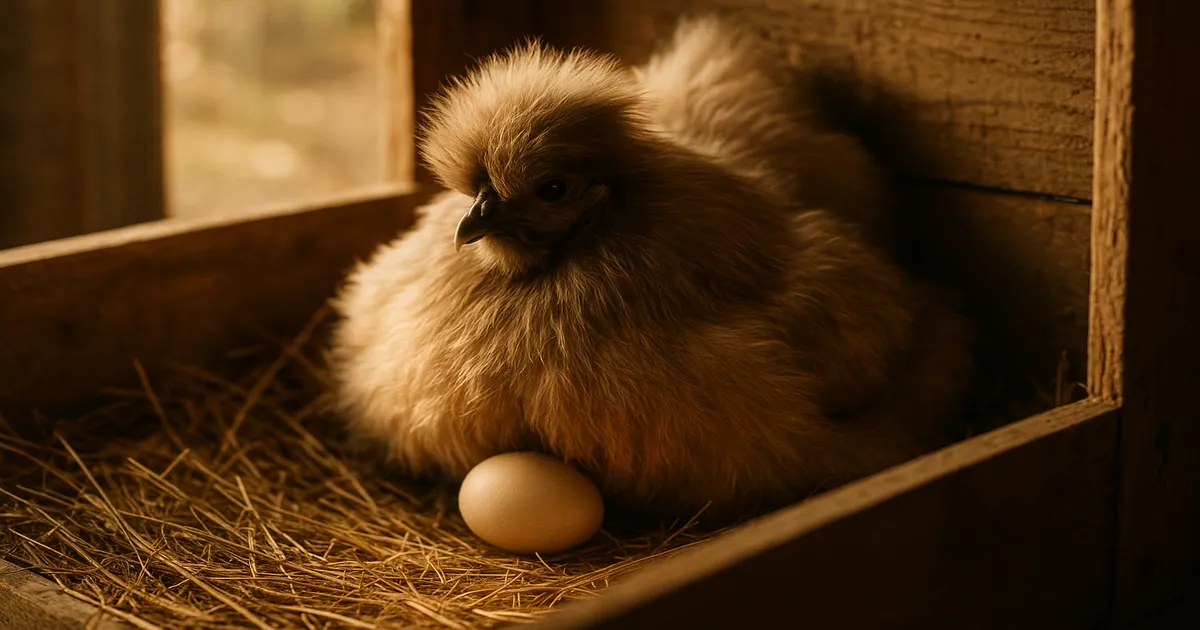
Quick Answer: Yes, a hen can absolutely get broody on just one egg — or even on no eggs at all. Broodiness is triggered by hormones, not egg count, so a single egg (or a golf ball) is more than enough to keep a broody hen sitting. That said, hatching a lone egg successfully takes a bit of planning, which is exactly what this article covers.
Can Chickens Get Broody on One Egg? Yes — Here’s Why
Egg Count Does Not Trigger Broodiness
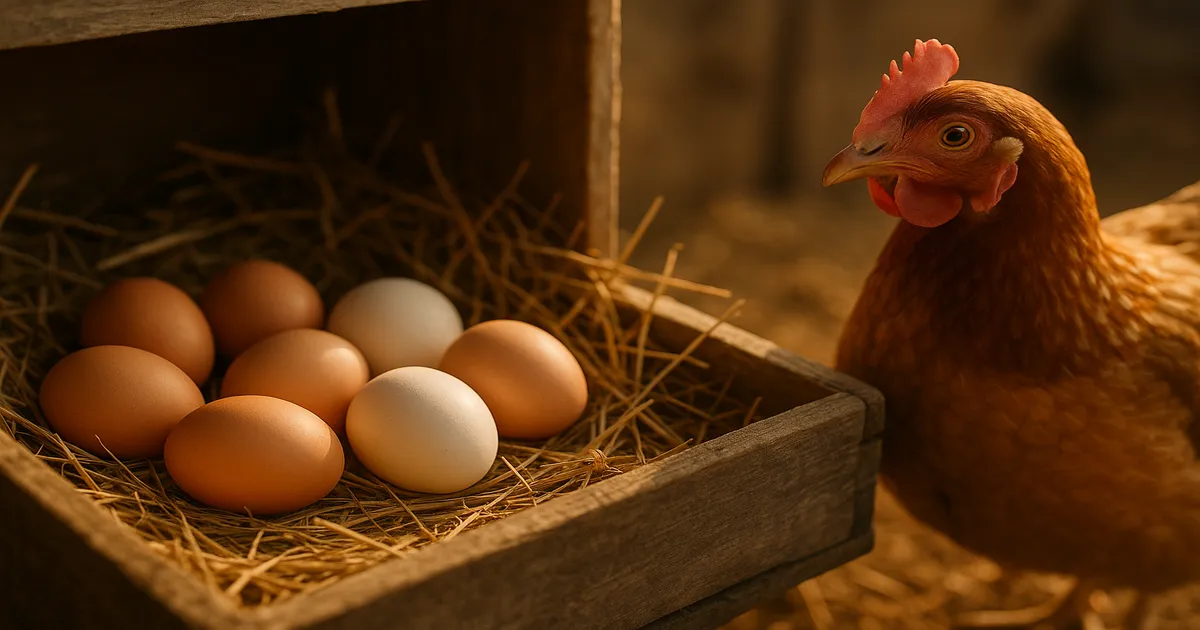
Can chickens get broody on one egg? Absolutely. A hen will sit just as stubbornly on a single egg as she would on a full clutch of twelve. She’ll also go broody on a ceramic egg, a golf ball, or an empty nest. Egg count simply doesn’t factor into the equation.
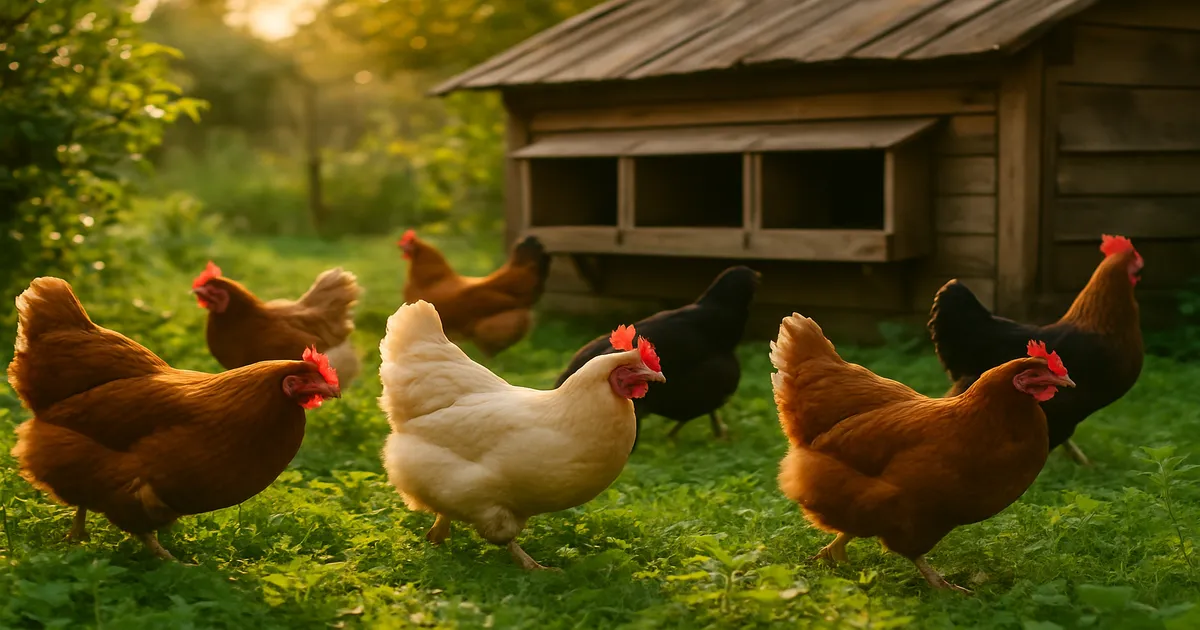
In the wild, a hen typically accumulates a clutch of 10–15 eggs before settling in to incubate. But centuries of domestication have largely stripped away whatever egg-counting instinct wild birds may have had. Your backyard hen has no idea — and no interest in knowing — how many eggs are beneath her.
What Actually Causes Broodiness
Broodiness is driven by rising prolactin levels, which suppress the laying hormone cycle and flip a hen’s entire behavioral mode. Once that hormonal switch is thrown, she’s committed — sitting tight, conserving heat, and protecting whatever is under her, whether that’s one precious egg or a borrowed golf ball.
The practical takeaway: if you want to hatch a single egg under a broody hen, her biology is fully on board. The challenges are logistical, not hormonal.
Understanding Broody Hen Behavior
Classic Signs Your Hen Has Gone Broody
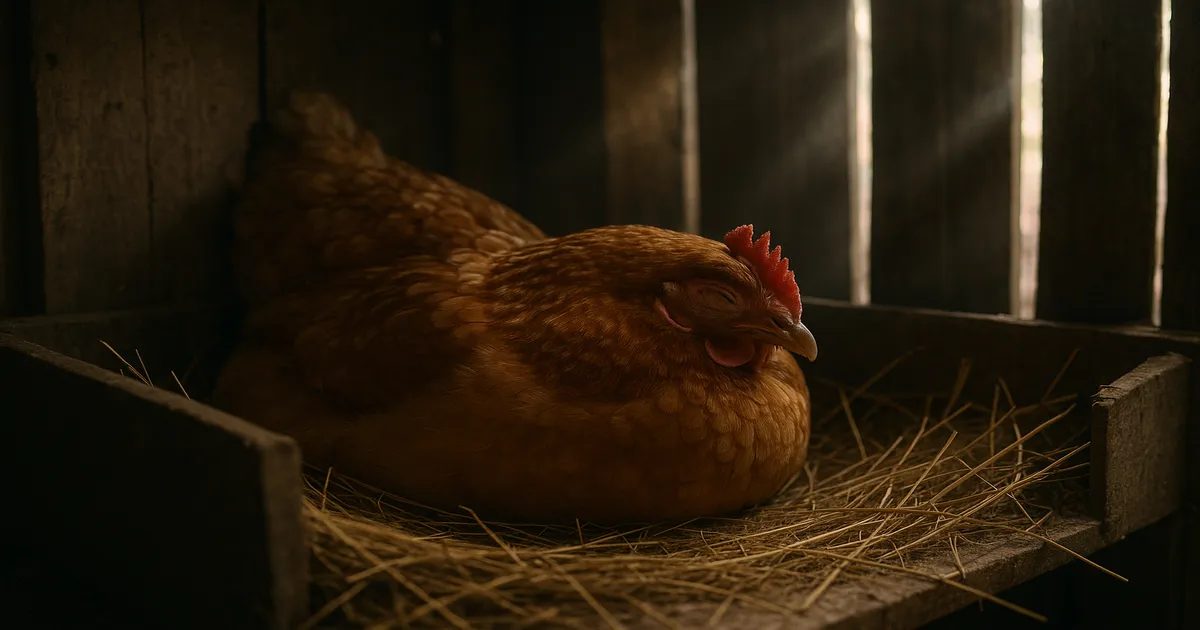
A broody hen is unmistakable. Look for:
- Puffed-up feathers and a flattened, pancake posture over the nest
- Growling, hissing, or pecking when you reach toward her
- Plucked breast feathers — she pulls them herself to create a bare brood patch for direct skin-to-egg heat transfer
- Refusing to leave the nest, even at feeding time
- Returning immediately after being removed
She’ll leave the nest once or twice a day — usually for just 15–30 minutes — to eat, drink, and relieve herself. Those broody poops are legendary: enormous, foul-smelling, and frankly impressive. It’s her body’s way of minimizing nest departures.
How Long Does Broodiness Last?
- If allowed to hatch: broodiness typically runs its course over 21–28 days, aligned with the standard chicken incubation period
- If eggs are repeatedly removed: broodiness can drag on for 4–8 weeks — the hormonal state doesn’t reverse just because the nest is empty
- If the egg fails: she may continue sitting for days to weeks after the expected hatch date before the hormonal tide finally turns
Which Breeds Go Broody Most Reliably?
Top Broody Breeds: Silkie, Cochin, Buff Orpington, and More
Not all hens are created equal when it comes to broodiness. Breed choice matters enormously if you’re hoping for a natural hatcher.
| Breed | Broodiness Level | Eggs/Year | Egg Color | Egg Size |
|---|---|---|---|---|
| Silkie | Very High | 100–120 | Cream/tinted | Small |
| Cochin | Very High | 150–180 | Brown | Large |
| Buff Orpington | High | 200–280 | Light brown | Large |
| Brahma | Moderate–High | 150–200 | Brown | Large |
| Sussex | Moderate | 200–250 | Brown/tinted | Large |
| Australorp | Low–Moderate | 250–300 | Brown | Large |
| Dominique | Moderate | 180–230 | Brown | Medium |
| Java | Moderate | 150–180 | Brown | Large |
The Silkie is the gold standard broody hen. She’ll sit on anything, anywhere, with fierce maternal dedication — even chicks that aren’t hers. Cochins are a close second: large, feather-footed, and reliably broody. Buff Orpingtons combine decent egg production with a genuine willingness to go broody, making them a popular all-around choice.
One correction worth noting: Australorps are a high-production breed and tend toward low to moderate broodiness in practice, despite occasionally being listed as moderate. If reliable setting is your goal, stick with Silkies or Cochins.
Breeds That Rarely or Never Go Broody
If you’re not looking for a broody hen, these breeds are your friends:
- Leghorn — high-strung, high-production, almost never broody
- Golden Comet / ISA Brown — commercial hybrids with broodiness nearly bred out entirely
- Ancona — active Mediterranean breed, rarely broody
- Hamburg — flighty and productive, minimal broody tendency
For hatching a single egg, prioritize Silkies or Cochins. Both are exceptionally reliable setters and gentle enough that they’re unlikely to accidentally damage a lone egg.
Can Chickens Get Broody on One Egg and Hatch It Successfully?
Fertility and Hatch Rates for a Single Egg
A healthy, fertile egg incubated by an attentive broody hen has a solid chance of hatching — typically 80–90% fertility rates in well-managed flocks with an active rooster. The main risks with a single egg are physical rather than biological: a lone egg can roll to the edge of the nest more easily than one surrounded by others, and there’s no backup if something goes wrong.
Setting Up a Safe Nest for a Single Egg
A few simple adjustments make a big difference:
- Use 5–6 inches of straw or pine shavings so the egg stays nestled in a natural cup rather than rolling around. Good-quality nesting material like Small Pet Select Premium Orchard Grass works well for this.
- Choose a nesting box with a low front lip, or add a small board across the front to keep the egg contained
- Box dimensions: 12×12 inches for Silkies and bantams; 14×14 inches for standard breeds; 16×16 inches for large breeds like Cochins and Brahmas
Candle the egg at days 7–10 to check for development. A fertile egg will show a dark embryo and visible blood vessels radiating outward. A clear egg with no development can be removed. A bright LED egg candler makes this easy even for beginners.
Should You Add a Second Egg?
Adding a second egg as insurance is worth considering. If your single egg fails at day 10, you’d rather know before the hen sits for another two weeks on nothing viable. Two eggs also reduce the rolling risk. The downside: if both hatch, you suddenly have two chicks instead of one, which changes your brooder and integration planning. It’s a low-stakes decision either way — just go in with a plan.
What Happens If the Egg Fails?
Remove the failed egg promptly after confirming it’s not developing. Your hen won’t get the memo right away — she may continue sitting for days or even weeks as her prolactin levels slowly drop. This is normal but worth monitoring, since extended broodiness without a hatch takes a real physical toll.
Housing a Broody Hen
Nesting Box Setup
Standard nesting box guidelines apply, with one important modification: go deeper on the bedding. The usual 3–4 inches is fine for laying hens, but for a broody sitting on a single egg, 5–6 inches gives the egg a stable resting place and helps maintain nest temperature.
Setting Up a Dedicated Broody Pen
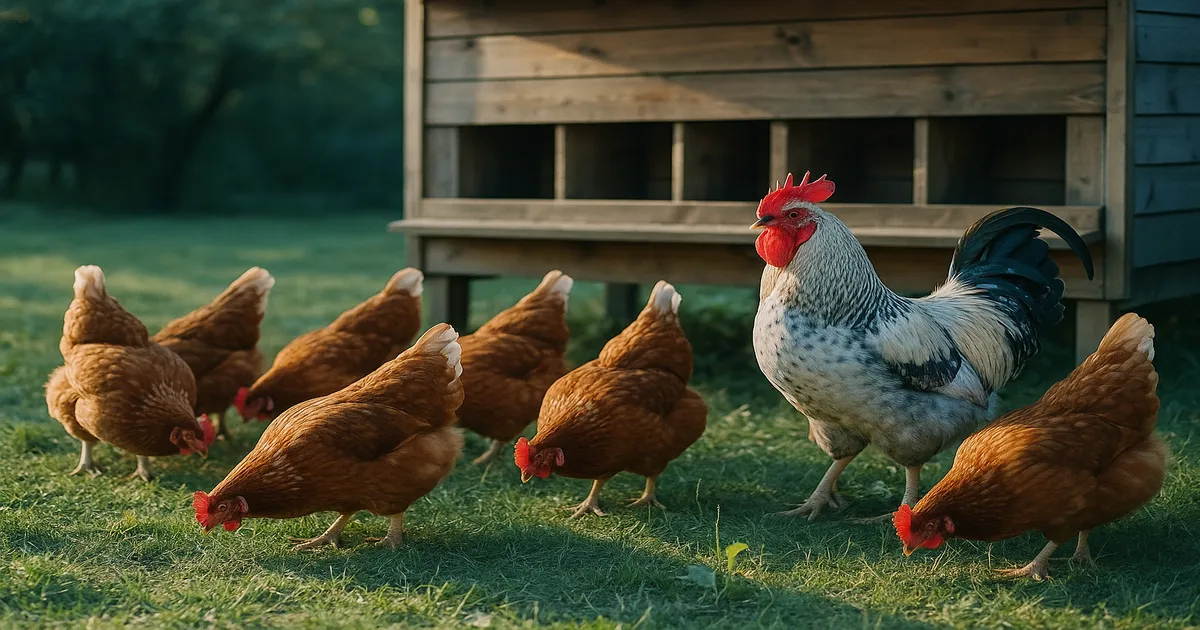
Moving your broody hen to a separate space is one of the best things you can do — for her and for your flock’s sanity. A 4×4 ft minimum pen protects her from hens that want to lay in her nest, roosters that might disturb her, and curious flock members that can stress a sitting bird.
Place food and fresh water within 12 inches of the nest so she doesn’t have to travel far during her brief daily breaks. A broody hen who has to walk across the coop to drink will often skip it entirely. A small poultry drinker placed right beside the nest — something like a Harris Farms 1-Gallon Poultry Drinker — keeps hydration within easy reach.
Ventilation and Predator-Proofing
Maintain at least 1 sq ft of ventilation per 10 sq ft of coop floor space, with vents positioned high on the walls to let ammonia and moisture escape without creating drafts at nest level. A broody hen generates significant body heat, so good airflow matters even in cool weather.
For predator-proofing, hardware cloth (1/2-inch mesh) on all openings is non-negotiable — a stationary, focused hen is especially vulnerable. Bury or apron the mesh at least 12 inches underground to deter diggers.
Feeding and Nutrition During Broodiness
Why Broody Hens Need Extra Protein
A broody hen can lose up to 20% of her body weight during incubation. She’s eating and drinking far less than usual while her body works hard to maintain the 99–100°F (37–38°C) temperature the egg needs. Switch her to an all-flock or flock raiser feed at 18–20% protein during broodiness and for several weeks afterward while she rebuilds condition. Purina Flock Raiser Crumbles is a widely available option that hits that protein target. Keep crushed oyster shell available on the side so she can self-regulate her calcium intake — don’t mix it into the feed.
Recovering Condition After Broodiness
Once broodiness breaks, ramp up nutrition to help her bounce back:
- Mealworms (no more than 1 teaspoon per bird per day) for a high-protein boost
- Scrambled eggs — ironic but genuinely excellent for recovery
- Continue 18–20% protein feed for 3–4 weeks post-broodiness
- Keep treats to 10% or less of her total daily intake
Health Risks to Watch For
Mites and Lice
A stationary hen is a mite’s dream. Check the vent area and under the wings every 3–4 days during the broody period. If you find mites or lice, treat with permethrin dust or spray (0.25% concentration) on the bird and throughout the coop, and repeat in 10–14 days to break the egg cycle. Prevention is easier: offer a dust bath with food-grade diatomaceous earth mixed into the substrate.
Weight Loss and Dehydration
Watch for a hen that looks gaunt, has a pale comb, or seems lethargic. A loss of more than 15–20% of her starting body weight warrants intervention. In hot weather (above 85°F/29°C), check her water multiple times per day.
Breaking Broodiness Safely
If the egg has failed and you want to end the broody cycle, the most effective method is the wire-bottomed cage:
- Place the hen in a wire-floored cage (no nesting material) with food and water
- Position it in a well-ventilated spot, elevated off the ground if possible
- Keep her there for 3–7 days
The airflow beneath the cage cools the brood patch, disrupting prolactin production and breaking the hormonal cycle. Most hens snap out of it within a week.
Seasonal Timing: When Are Hens Most Likely to Go Broody?
Broodiness peaks in spring and early summer as daylight lengthens and temperatures warm. This aligns with the ancestral instinct to hatch chicks when food is abundant and conditions favor raising young. If you’re planning a single-egg hatch, spring is the ideal window.
That said, highly broody breeds like Silkies and Cochins can go broody year-round. Winter broodiness is manageable but requires extra attention — Silkies in particular have fluffy, non-waterproof plumage and are less cold-hardy than most breeds. Keep them above 32°F/0°C and out of drafts.
Supplemental lighting (14–16 hours of total light per day) can inadvertently trigger off-season broodiness in susceptible breeds by mimicking the long days of late spring. If you’re running coop lights and a Silkie suddenly goes broody in January, that’s likely why.
Frequently Asked Questions
Will a hen stay broody if you remove the egg?
Yes. Removing the egg does not break broodiness. The hormonal state is self-sustaining once triggered, and a hen may continue sitting on an empty nest for 4–8 weeks. The only reliable way to break broodiness is the wire-bottomed cage method described above.
Can a broody hen successfully hatch just one chick?
Absolutely. A single egg under an attentive broody hen has an excellent chance of hatching, provided the egg is fertile and the nest is set up to prevent rolling. The bigger consideration is what happens after hatch — a lone chick needs companionship, so plan to either integrate it with age-appropriate flock mates or source a buddy chick around the same time.
How do you know if a broody hen is sitting on a fertile egg?
You can’t tell from the outside — you need to candle it. At days 7–10, hold the egg up to a bright light in a darkened room. A fertile, developing egg will show a dark embryo with spider-web-like blood vessels radiating outward. A uniformly bright, clear egg is infertile and can be removed.
What is the minimum number of eggs a hen needs to go broody?
Zero. A hen needs no eggs at all to go broody — she can sit on an empty nest, a golf ball, or a ceramic egg just as readily as a real one. One egg is more than sufficient to sustain a broody hen through a full 21-day incubation.
How long will a hen sit on a single egg before giving up?
A broody hen will typically sit for the full 21-day incubation period and then a bit beyond, hoping for a late hatch. If the egg fails and isn’t removed, she may continue for several additional weeks before her prolactin levels finally drop. Don’t rely on her giving up on her own — candle at day 7–10 and remove the egg promptly if it’s not developing.