Quick Answer: Yes, you can eat Golden Comet chickens — they’re safe, flavorful, and perfectly edible. That said, Golden Comets are egg-laying hybrids, not meat birds, so the texture and yield differ significantly from a Cornish Cross or dual-purpose heritage breed. How good the eating experience is depends largely on the bird’s age at processing and how you cook it.
If you’ve been asking “can you eat Golden Comet chickens,” you’re probably a backyard keeper facing a familiar crossroads: a flock of retired hens that no longer earn their feed in eggs. The honest answer is yes — but there’s real nuance worth understanding before you fire up the stockpot. Age, cooking method, and your expectations all matter here.
What Is a Golden Comet Chicken?
Breed Background and Hybrid Origins
Golden Comets aren’t a true breed in the traditional sense. They’re first-generation sex-link hybrids, most commonly produced by crossing a Rhode Island Red rooster with a White Rock hen. The goal was always egg production — maximum output, early maturity, and feed efficiency — not the dinner table.
Because they’re F1 hybrids, Golden Comets don’t breed true. Hatching eggs from two Golden Comets won’t reliably produce Golden Comet offspring, which also means they’re not practical as breeding stock.
Other Names for the Same Bird
You may know this bird under a different name. Hatcheries and feed stores sell nearly identical crosses under a variety of labels:
- Cinnamon Queen
- Red Star
- Gold Sex-Link
- Bovan Brown
Note that the ISA Brown is a separately developed commercial hybrid from Institut de Sélection Animale, not simply a rebranded Golden Comet — though the performance profile is similar. The genetics vary slightly by hatchery, but early laying, high output, and a docile temperament are consistent across all of them.
Physical Characteristics and Size
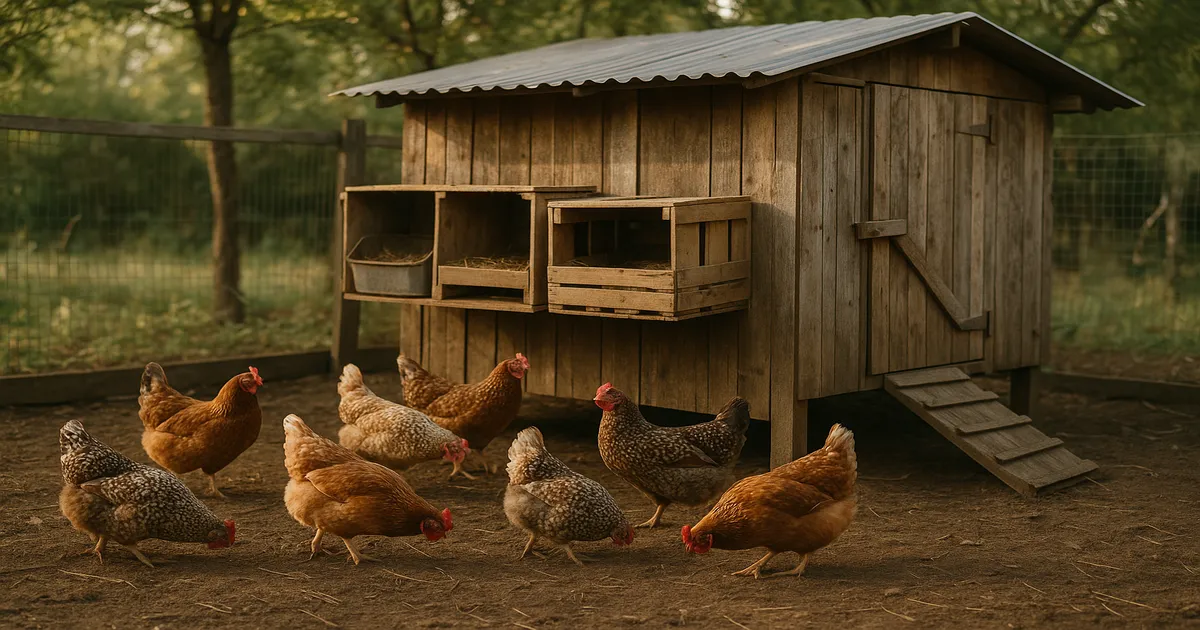
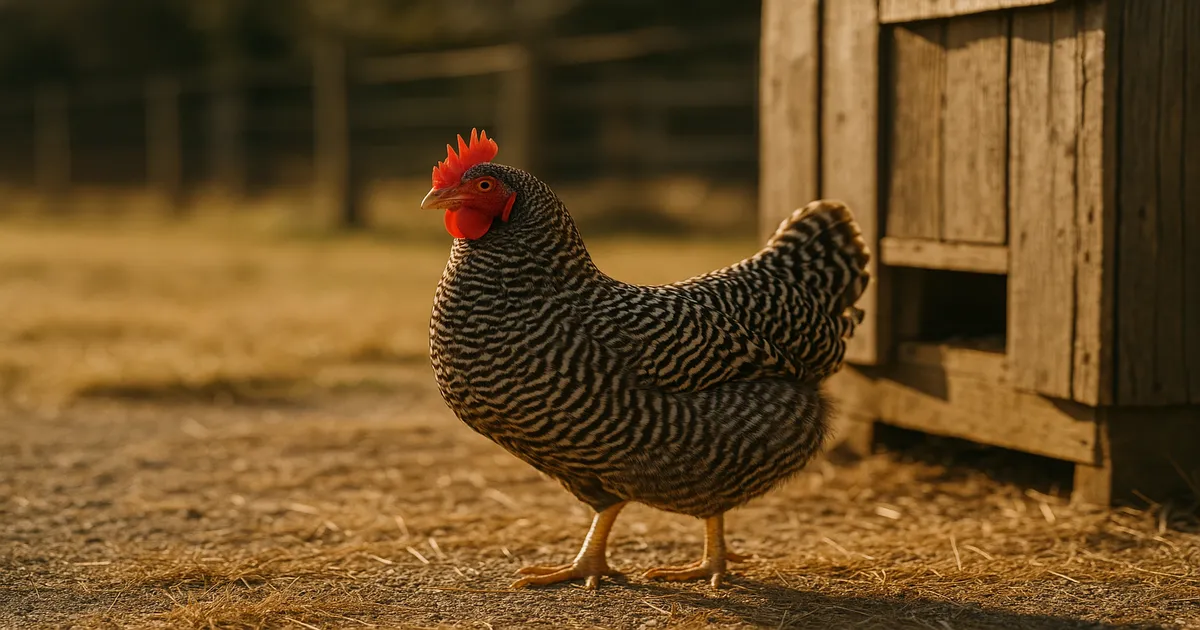
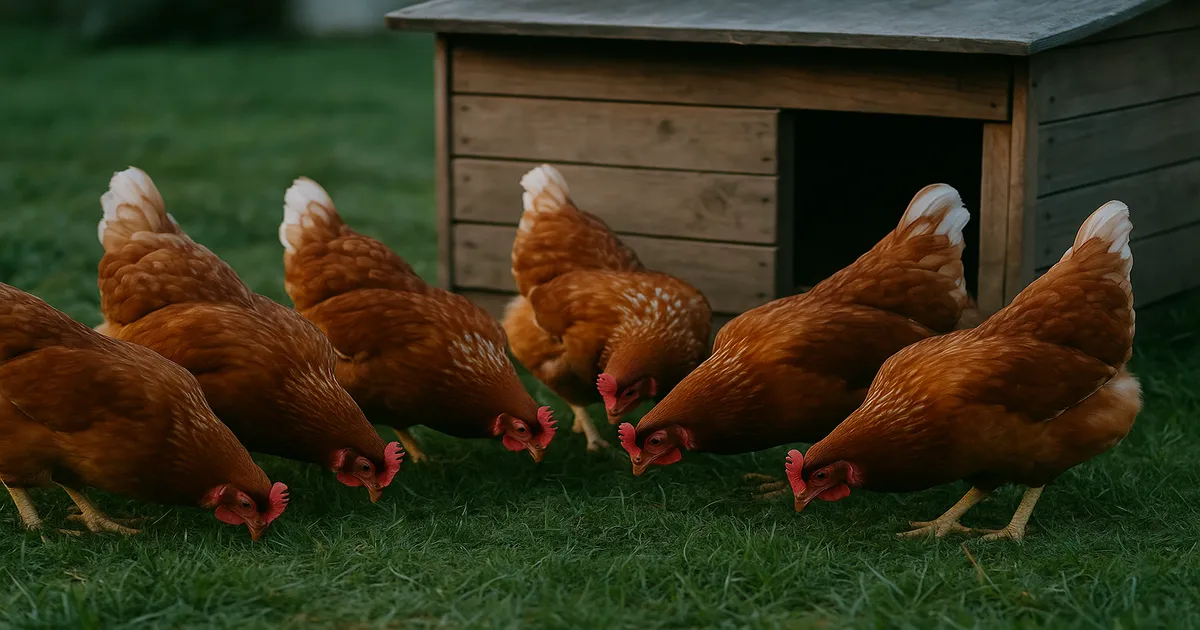
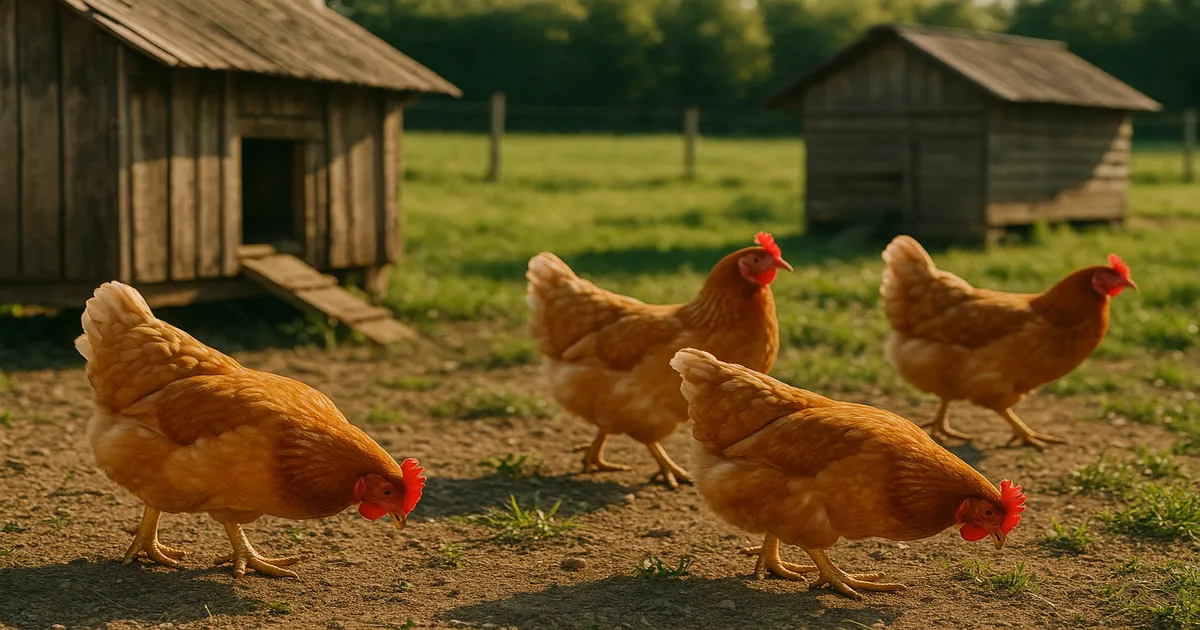
Hens typically weigh 5–6 lbs at maturity; roosters 7–8 lbs. They have yellow skin and legs, a single upright comb, and clean (unfeathered) shanks. Females are golden to reddish-brown; males are predominantly white with light gold or red on the shoulders. That color difference at hatch is the sex-linkage trait — females hatch reddish-gold, males pale yellow — making vent sexing unnecessary.
Golden Comets are not recognized by the American Poultry Association and cannot be shown at APA-sanctioned exhibitions.
Golden Comet Meat Quality: What to Expect
How Egg-Layer Meat Differs from Meat Breeds
A production layer and a dedicated meat bird are built for completely different purposes. Meat breeds like the Cornish Cross are selected for rapid muscle growth, particularly in the breast. Layers like the Golden Comet are selected for reproductive efficiency — they convert feed into eggs, not body mass.
The result is a leaner bird with less breast meat, more developed leg and thigh muscles from a lifetime of activity, and a noticeably firmer texture. That’s not a flaw; it’s just a different kind of bird.
Texture and Flavor Profile
Here’s the trade-off: the same active life that makes a Golden Comet’s meat tougher also makes it more flavorful. Free-range Golden Comets are often described as having a richer, more “chicken-y” taste than commercially raised broilers, which can seem bland by comparison. The flavor is genuinely there — you just have to cook for it.
Younger birds will be more tender but yield less meat. Older hens have deeper flavor but require low-and-slow cooking to become palatable.
How Age at Processing Affects the Meat
This is the single biggest variable. A Golden Comet processed at 16–20 weeks will be noticeably more tender than one processed at two or three years old. The older the bird, the more collagen has built up in those well-exercised muscles — and collagen needs long, moist heat to break down into gelatin.
Don’t expect to roast a retired three-year-old hen and get a juicy Sunday dinner. But braise her low and slow, and you’ll get something genuinely delicious.
Comparing Golden Comets to Other Chickens
| Bird | Texture | Breast Meat | Best Cooking Method |
|---|---|---|---|
| Cornish Cross | Very tender | Abundant | Roast, grill, fry |
| Plymouth Rock / Rhode Island Red | Moderately firm | Moderate | Roast, braise |
| Golden Comet (young) | Firm | Modest | Roast, braise |
| Golden Comet (retired hen) | Tough | Minimal | Braise, stew, stock |
Heritage dual-purpose breeds like the Plymouth Rock or Rhode Island Red sit between a Cornish Cross and a Golden Comet — more breast meat than a layer, more flavor than a broiler.
Best Age to Process a Golden Comet for Meat
Processing Young Cockerels
If you ordered straight-run chicks and ended up with males, processing them at 16–20 weeks gives you the most tender meat a Golden Comet will ever produce. The yield is modest — you’re not getting a Thanksgiving-sized bird — but the texture is far more forgiving than an older hen.
Processing Pullets and Hens
Most backyard keepers don’t process their hens until egg production declines. Hens culled at the end of peak laying (around 18–24 months) are still very usable, but plan on slow cooking. Hens kept to 3–5 years will have quite tough meat — their highest and best use at that point is rich, deeply flavored stock.
When Retired Layers Make Sense to Cull
The egg production numbers tell the story clearly:
- Year 1: 250–320 eggs per year (5–6 per week)
- Year 2: 180–220 eggs per year
- Year 3+: 80–120 eggs per year or fewer
That’s a sharp drop. Commercial operations cull at around 18 months precisely because the economics stop making sense. For backyard keepers, the math is softer — feed costs, emotional attachment, and flock dynamics all factor in — but the productivity cliff is real.
How to Cook Golden Comet Chickens
Why Slow Cooking Is Essential for Older Hens
The connective tissue in an older, active hen is dense. High, fast heat will seize those muscles and leave you with something closer to shoe leather. Low, moist heat does the opposite — it slowly dissolves collagen into gelatin, creating tender, pull-apart meat and an incredibly rich cooking liquid. This isn’t a limitation so much as a different set of instructions.
Best Cooking Methods: Braise, Stew, and Stock
- Braising: Brown the bird in a Dutch oven, add aromatics and liquid (broth, wine, or water), cover, and cook at 300–325°F (149–163°C) for 2.5–4 hours.
- Slow cooker: Set on low for 6–8 hours. Minimal effort, consistently tender results. A programmable slow cooker like the Crock-Pot 7-Quart Manual Slow Cooker handles a whole hen easily.
- Pressure cooker / Instant Pot: Dramatically cuts the time — a retired hen can be fall-off-the-bone tender in 45–60 minutes under pressure. The Instant Pot Duo 7-in-1 is a popular choice for this.
- Stock pot: A whole older hen simmered for 3–4 hours with vegetables and herbs produces exceptional chicken stock. The higher collagen content means a stock that gels beautifully when chilled — far better than anything from a carton.
Tips for Improving Tenderness
- Marinate overnight in an acidic base — buttermilk, cider vinegar, or citrus juice all help break down muscle fibers before cooking.
- Don’t rush the cook. An extra hour at low heat makes a meaningful difference.
- Rest the meat after cooking, covered loosely with foil, for at least 15 minutes before serving.
Younger birds (under 18 weeks) can handle roasting, but keep expectations realistic — they’ll still be leaner than a dedicated meat breed.
Keeping vs. Processing: Making the Right Decision for Your Flock
Factors to Consider Before Processing
There’s no universal right answer. The practical factors worth weighing:
- Feed cost vs. egg output: A hen producing 80 eggs per year may or may not be cost-effective for your situation. Layer feed with 16–18% protein costs roughly the same whether a hen is producing five eggs a week or two.
- Flock dynamics: Older hens often serve a social role, especially in smaller flocks. Removing them can disrupt the pecking order.
- Space: If coop space is limited, a non-productive hen takes a spot a productive pullet could fill.
- Breeding: Golden Comets don’t breed true, so keeping them as breeding stock isn’t practical.
Ethical and Emotional Considerations
Golden Comets are genuinely sweet birds. They’re consistently described as calm, people-oriented, and often the first to run up when you enter the yard. That temperament makes the processing decision emotionally harder than it might be with a more aloof breed — and that’s a completely legitimate thing to factor in.
Many backyard keepers keep a small “retirement flock” — older hens that have earned their keep and live out their years without further expectation. Whether that’s practical depends entirely on your space, budget, and philosophy.
Alternatives to Processing
If processing feels wrong for your situation, there are real alternatives:
- Retirement flock: Keep a small group of older hens integrated with younger birds. They still contribute through pest control, compost turning, and flock stability.
- Rehoming: Some small farms, hobby keepers, and chicken sanctuaries will take older hens. Local Facebook groups and Craigslist are good starting points.
- Sanctuaries: Farmed animal sanctuaries occasionally accept retired laying hens, though space is often limited.
This is ultimately a personal decision shaped by your values, resources, and relationship with your birds.
Health Considerations When Processing Golden Comet Chickens
Checking for Signs of Disease Before Processing
Before processing any bird, do a thorough visual and physical inspection. Do not process a bird that shows:
- Unusual lethargy or neurological symptoms
- Significant weight loss or muscle wasting
- Visible tumors, unusual growths, or discolored organs at slaughter
- Respiratory symptoms such as rattling, nasal discharge, or swollen sinuses
When in doubt, don’t.
Marek’s Disease and Food Safety
Marek’s disease is a herpesvirus that causes tumors on internal organs, paralysis, and immune suppression. It does not infect humans — it’s not a food safety risk in that sense. However, a bird with visible tumors or abnormal growths on internal organs at processing should be discarded, not eaten.
Most hatchery-sourced Golden Comets are vaccinated for Marek’s at hatch. Vaccinated birds can still carry and shed the virus but are protected from clinical disease. If you’re unsure whether your birds were vaccinated, contact your hatchery directly.
Medication Withdrawal Periods
If a bird has been treated with antibiotics — common ones include Tylan (tylosin) and oxytetracycline — you must observe the labeled withdrawal period before processing. These periods vary by product, typically ranging from 5 to 21 days. Always check the product label, or consult your veterinarian.
Birds treated with permethrin-based products for mites or lice also carry a withdrawal period. Processing before that window has closed means residues may remain in the meat. Read the label every time.
Frequently Asked Questions About Eating Golden Comet Chickens
Can you eat Golden Comet chickens that have stopped laying?
Absolutely. A hen that has stopped laying is still perfectly safe and edible. The key is adjusting your cooking method — low-and-slow moist heat (braising, slow cooker, pressure cooker) will break down the tougher muscle fibers and produce flavorful, tender results. Don’t try to roast her like a grocery store chicken.
How much meat does a Golden Comet chicken yield?
A Golden Comet hen at 5–6 lbs live weight will typically dress out to roughly 3–4 lbs after processing. Expect proportionally less breast meat than a Cornish Cross, with more meat in the legs and thighs. A rooster at 7–8 lbs will yield somewhat more overall.
At what age should you process a Golden Comet for the best meat?
For the most tender meat, process cockerels at 16–20 weeks. Hens are typically processed when egg production declines significantly — usually around 18–24 months — though they can be kept and processed later if you plan on slow cooking. Birds older than three years are best reserved for stock.
Is Golden Comet chicken meat tough compared to store-bought chicken?
It can be, especially in older birds. Commercial broilers are processed at just 6–8 weeks, when the meat is at its most tender. A Golden Comet hen processed at 18 months or older has well-developed muscles from a much longer, more active life. With the right cooking method, though, the texture is very manageable — and the flavor is considerably better.
What is the best way to cook a retired Golden Comet hen?
Braising and pressure cooking are your best options. A Dutch oven braise at 300–325°F for 3–4 hours, or 45–60 minutes in a pressure cooker, will transform even a tough older hen into something genuinely delicious. She also makes outstanding homemade stock — the high collagen content produces a broth that gels solid when chilled.