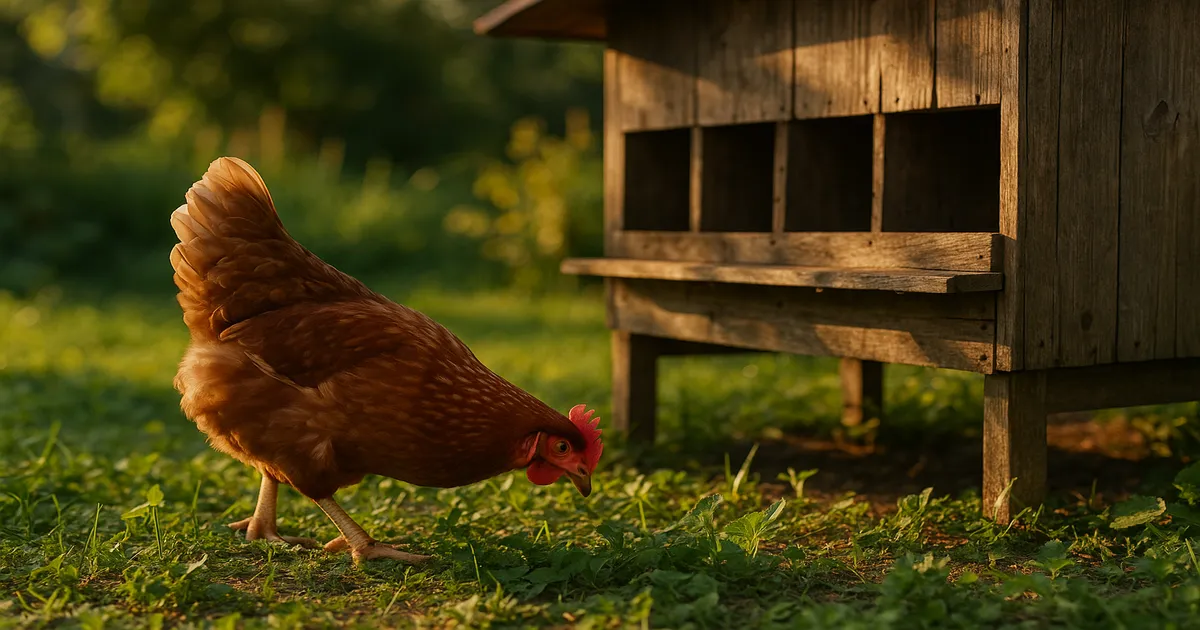
Quick Answer: An ISA Brown is a proprietary hybrid sex-link chicken — not a true breed — developed in France in 1978 for commercial egg production. Hens lay an extraordinary 300–350 eggs per year, start laying at just 16–18 weeks, and are among the friendliest, most beginner-friendly chickens you can keep. If you want reliable brown eggs from a calm, easy-going hen, the ISA Brown is hard to beat.
What Is an ISA Brown Chicken?
A Record-Breaking Egg Layer — and a Commonly Misunderstood One
The ISA Brown is one of the most productive laying hens in the world, and also one of the most misunderstood. Many people assume it’s a standard chicken breed — it isn’t. It’s a carefully engineered hybrid, purpose-built to lay as many eggs as possible while staying calm and feed-efficient. That distinction matters when you’re planning a backyard flock.
What makes the ISA Brown stand out isn’t just the egg count. It’s the combination of exceptional production, gentle temperament, and early maturity that makes it such a popular choice for first-time chicken keepers and experienced flock owners alike.
Key Facts at a Glance
| Feature | Detail |
|---|---|
| Type | Proprietary red sex-link hybrid |
| Origin | France, 1978 |
| Egg Production | 300–350 eggs per year |
| Egg Color | Medium to dark brown |
| Egg Size | Large to Extra-Large |
| Laying Onset | 16–18 weeks |
| Hen Weight | 4–5 lbs (1.8–2.3 kg) |
| Temperament | Docile, friendly, people-oriented |
| APA Recognition | None (hybrid) |
| Sexing Accuracy at Hatch | ~99% |
ISA Brown Chicken Origins and Breed Background
Who Developed the ISA Brown and Why
ISA stands for Institut de Sélection Animale, a French poultry genetics company that created this hybrid in 1978. The goal was straightforward: develop a hen that converts feed into eggs as efficiently as possible for commercial operations. The program succeeded spectacularly. ISA was later acquired by Hendrix Genetics, which continues to control the genetics and distribution today.
What Breeds Make Up an ISA Brown?
The exact parent breed formula is a trade secret — Hendrix Genetics guards it closely. Most poultry geneticists believe the foundation cross involves Rhode Island Red males over Rhode Island White females, with possible contributions from White Leghorn and Barred Plymouth Rock genetics. That specific combination produces what’s known as hybrid vigor: offspring that outperform either parent line in the traits being selected for.
ISA Brown vs. Similar Hybrids: Cinnamon Queen, Golden Comet, and Red Star
You’ll encounter several other red sex-link hybrids at feed stores and hatcheries — Cinnamon Queens, Golden Comets, Red Stars, and Bovan Browns among them. These are functionally very similar to ISA Browns, but they’re not identical. Each comes from slightly different parent stock and is sold under a different brand name. Don’t stress too much over the distinctions; any of these hybrids will give you excellent egg production and a friendly hen.
Why ISA Browns Don’t Breed True
Crossing two carefully selected purebred lines produces superior offspring — but those offspring can’t pass on the same traits reliably. Hatch eggs from ISA Brown parents and you’ll get a mixed bag of genetics, not more ISA Browns. This is standard hybrid biology, and it’s also why the American Poultry Association doesn’t recognize the ISA Brown: it isn’t a breed you can standardize and replicate through selective breeding.
ISA Brown Appearance and Sex-Linking
What Does an ISA Brown Chicken Look Like?
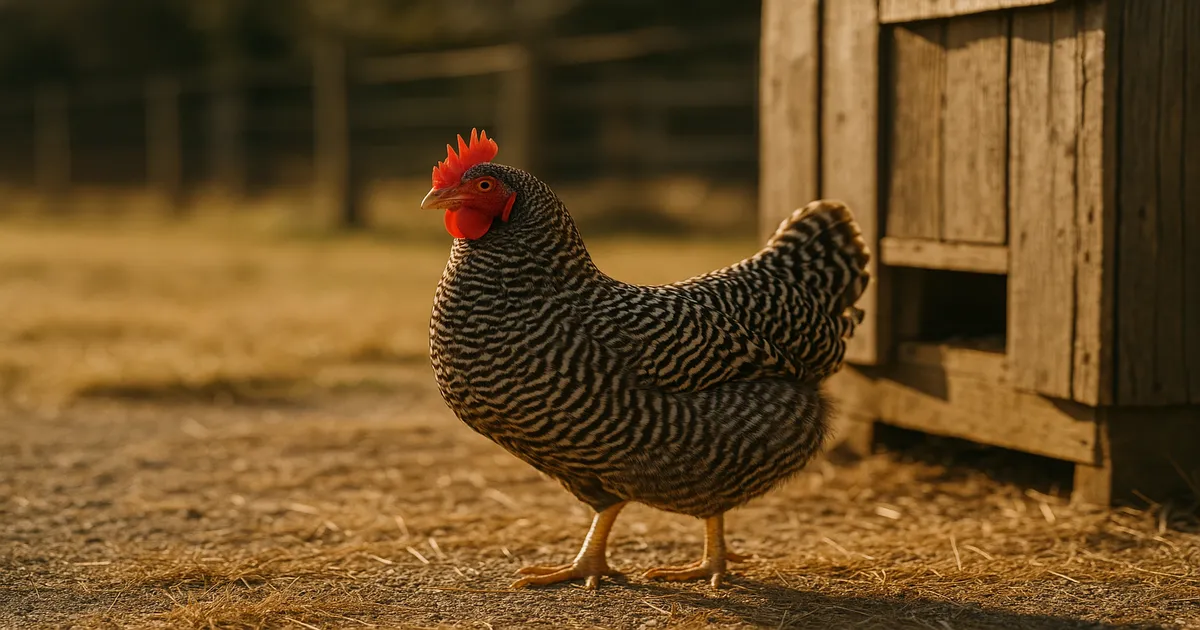
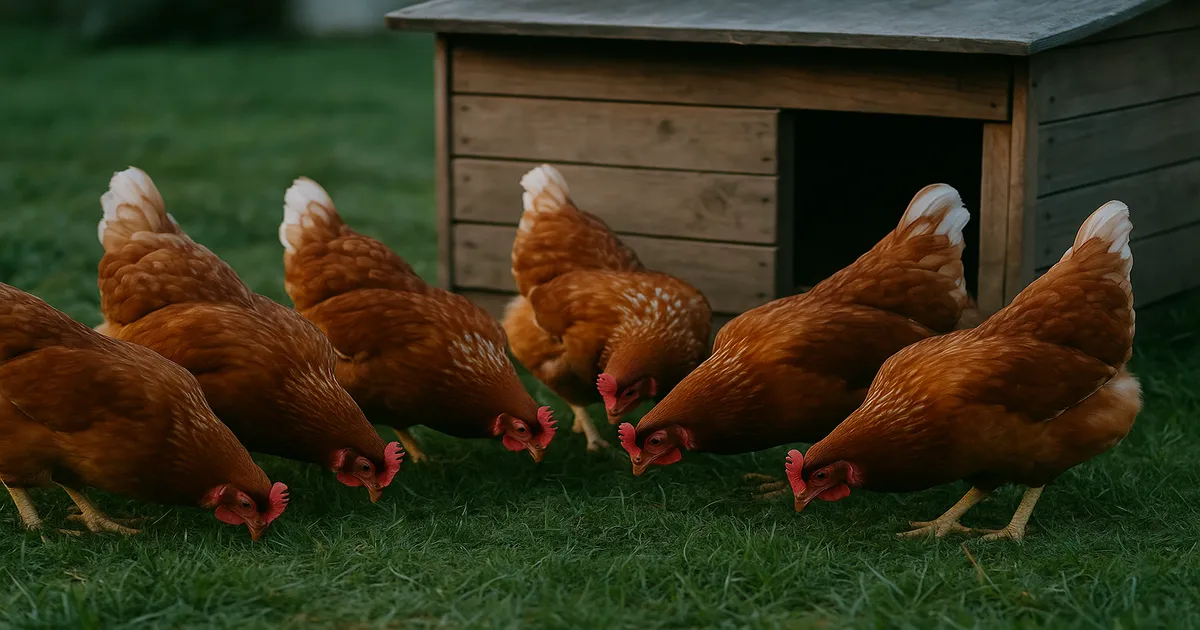
ISA Browns have warm reddish-brown to chestnut plumage, often with cream or white frosting on the neck, breast, and tail feathers. They carry a single upright red comb, orange-red eyes, and clean yellow legs. The body frame is medium-sized and slightly elongated — built for laying efficiency rather than meat production.
How to Tell Male and Female ISA Brown Chicks Apart at Hatch
This is one of the ISA Brown’s most practical advantages. Female chicks hatch reddish-brown; male chicks hatch white or cream. That color difference allows hatcheries to sex chicks at hatch with approximately 99% accuracy, which is why you can order a batch of guaranteed pullets and be confident you’re getting hens. For backyard keepers in neighborhoods that don’t allow roosters, that’s a significant benefit.
Size and Weight
Hens average 4–5 lbs (1.8–2.3 kg) — a medium-weight bird that’s easy to handle. Roosters reach around 6 lbs, though they’re rarely kept in backyard settings since most ISA Browns are sold as sexed pullets.
ISA Brown Egg Production: What to Realistically Expect
How Many Eggs Do ISA Browns Lay Per Year?
The headline number is 300–350 eggs per year during peak production — roughly 5–7 eggs per week. For context, a Buff Orpington averages 180–200 eggs per year, and even a White Leghorn typically manages 280–320. The ISA Brown sits at the very top of the laying world.
Egg Size, Shell Color, and Quality
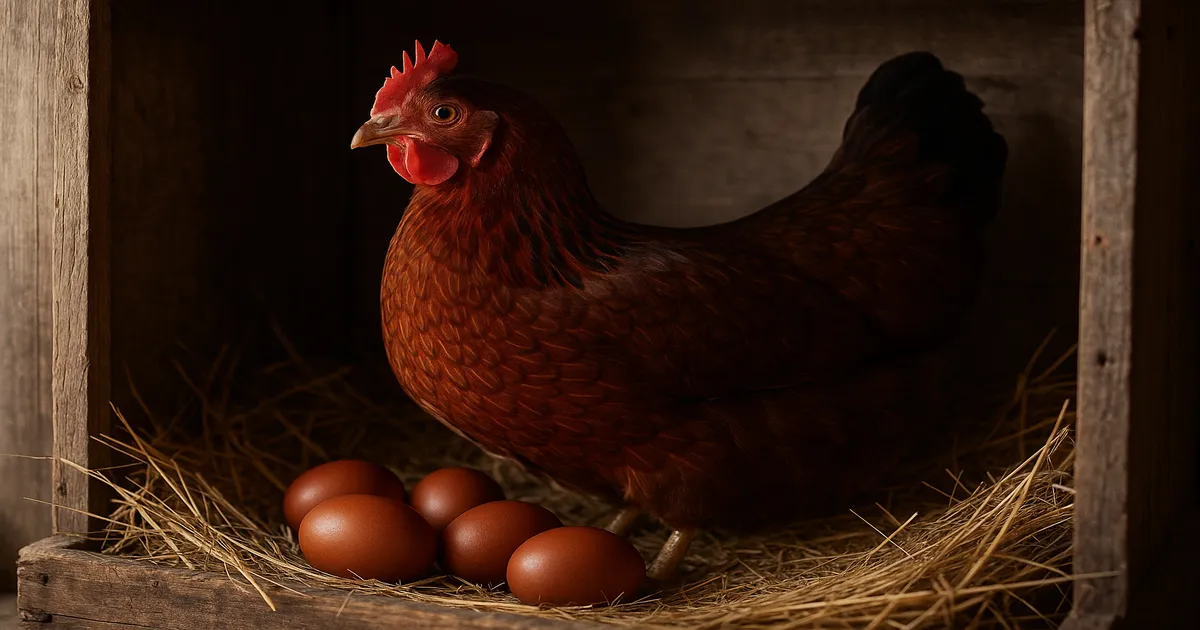
Eggs are large to extra-large by USDA standards, with medium to dark brown shells. Shell quality is strong in years one and two. Hens with access to pasture and a varied diet produce eggs with noticeably rich, deep-orange yolks.
When Do ISA Browns Start Laying?
Pullets typically begin laying at 16–18 weeks — four to six weeks earlier than most heritage breeds, which start at 20–24 weeks. The first eggs will be small “pullet eggs” for a few weeks, then size up quickly.
How Daylight and Seasons Affect Egg Production
ISA Browns, like all chickens, need at least 14 hours of light per day to maintain peak production. In northern climates above 40°N latitude, expect a 20–40% production drop from November through February. A simple outlet timer paired with an LED bulb in the coop — running 14–16 hours of combined natural and artificial light — keeps production near peak year-round.
Do ISA Browns Go Broody?
Rarely. Broodiness has been almost entirely bred out of the ISA Brown through generations of commercial selection. Fewer than 5% of hens will go broody in a given year. That’s great for consistent egg production, but it does mean ISA Browns are poor candidates for hatching and raising chicks naturally.
How Long Do ISA Browns Lay? Understanding Production Lifespan
Here’s the honest part many sources gloss over. ISA Browns peak hard in years one and two, then production drops sharply — to roughly 50–60% of peak by year three, and further after that. Commercial operations replace hens after about 72 weeks. Backyard keepers often keep their ISA Browns as pets long after production declines, which is perfectly reasonable — just go in with realistic expectations. The intense laying pace also makes these hens more susceptible to reproductive health issues as they age, which is worth factoring into your flock planning.
ISA Brown Temperament and Flock Behavior
Are ISA Browns Good for Beginners and Families?
Genuinely, yes. ISA Browns are consistently ranked among the friendliest laying hens available. They follow their owners around the yard, tolerate handling by children, and many become true lap chickens. That calm, curious nature makes them forgiving for beginners who are still learning chicken body language and handling techniques.
They also adapt well to confinement, which makes them ideal for urban and suburban setups where run space is limited. Most high-production hybrids get stressed in small spaces — ISA Browns handle it better than almost any other layer.
How ISA Browns Behave in a Mixed Flock
ISA Browns are generally low-drama flock members. They’re not aggressive, tend to settle into the middle of the pecking order without causing conflict, and get along well with other calm breeds. Avoid pairing them with very assertive breeds that might bully them, but in a balanced mixed flock they’re excellent citizens.
Noise Levels: Are ISA Browns Loud?
They produce the standard egg song after laying — that proud announcement every hen makes. But they’re not persistently noisy or given to random squawking throughout the day. For neighbors who might be sensitive to chicken noise, ISA Browns are one of the better choices.
Coop and Housing Requirements for ISA Brown Chickens
How Much Space Do ISA Browns Need?
- Indoor coop: 4 sq ft per bird minimum; aim for 6–8 sq ft per bird if your flock spends long winters inside
- Outdoor run: 10 sq ft per bird minimum; 15–20 sq ft is better for behavioral health and reducing feather-pecking
- True free-range: ~250 sq ft per bird for sustainable pasture rotation
Roost Bar Setup
A 2×4 lumber board laid flat, wide-side up is the gold standard for roost bars. The wider surface lets hens cover their feet with their body feathers in cold weather, which helps prevent frostbite. Aim for 8–12 inches of linear space per bird, set 18–24 inches off the floor for medium-weight ISA Browns. If you’re building tiered roosts, space each tier at least 12 inches apart horizontally and keep the top bar 12 inches from the wall.
Nesting Box Ratios and Placement
The standard is one nesting box per 3–4 hens. For a flock of six ISA Browns, two boxes is the minimum — three is better. Standard 12×12×12-inch boxes fit ISA Browns comfortably. Place nesting boxes lower than roost bars to keep hens from sleeping in them, which leads to soiled, bacteria-contaminated eggs.
Ventilation: The Most Overlooked Coop Requirement
More chickens die from poor ventilation than from cold. Moisture and ammonia buildup from droppings are the real threats. Aim for at least 1 sq ft of ventilation per 10 sq ft of coop floor space, positioned high on the walls or at the roof peak so moisture escapes without creating drafts at bird level. If you can smell ammonia when you walk into the coop, ventilation is already inadequate.
Cold Weather Housing
ISA Browns are reasonably cold-tolerant but not as robust as heavy heritage breeds like Dominiques or Wyandottes. In climates that regularly drop below 20°F (-7°C), insulate coop walls and ceiling. A dry, draft-free, well-ventilated coop with adequate bird density generates enough warmth in most climates without supplemental heat. If you do add heat, flat-panel radiant heaters are far safer than heat lamps.
Predator-Proofing Your Coop
- Use ½-inch galvanized hardware cloth on all openings — not chicken wire, which predators can tear through
- Install double-action latches or carabiner clips on all doors; raccoons can open basic hook-and-eye latches
- Add a hardware cloth apron extending 12 inches outward from the base and buried 6 inches deep to stop digging predators
- Seal any gap larger than ½ inch — weasels can squeeze through surprisingly small openings
Feeding and Nutrition for ISA Browns
What to Feed ISA Brown Chickens: Layer Feed Basics
The foundation of an ISA Brown’s diet is a quality commercial layer pellet or crumble with 15–18% crude protein — 16% is the sweet spot during peak lay. Pellets reduce waste compared to crumbles; crumbles work better for younger birds transitioning from starter. Layer feeds are formulated with 3.5–4.5% calcium to support eggshell production.
Protein Requirements at Each Life Stage
| Life Stage | Recommended Protein |
|---|---|
| Chick starter (0–8 weeks) | 20–22% |
| Grower/developer (8–16 weeks) | 16–18% |
| Layer (16+ weeks) | 15–18% |
| During molt | 18–20% (temporarily) |
Switch to layer feed when pullets are around 16 weeks old or when you spot the first egg — whichever comes first.
Calcium Supplementation: Oyster Shell and Crushed Eggshells
For high-production hens like ISA Browns, layer feed alone often isn’t enough calcium. Always offer oyster shell free-choice in a separate container — hens self-regulate and take what they need. Crushed eggshells are a free alternative: bake them at 250°F (121°C) for 10 minutes, then crush them so hens don’t associate the pieces with whole eggs. Signs of deficiency include soft or thin-shelled eggs, lethargy, and dropping production.
Safe Treats and Foods to Avoid
Keep treats to 10% or less of total daily intake. Good options include mealworms (especially during molt), leafy greens like kale and Swiss chard, watermelon in summer, cooked eggs, and plain yogurt.
Avoid these entirely:
- Avocado (toxic — contains persin)
- Raw or dried beans (contain hemagglutinin)
- Chocolate
- Rhubarb leaves
- Green potato skins (solanine toxicity)
- Onions in large quantities
Scratch grains are a treat, not a feed replacement. Too much cracked corn leads to obesity and reduced egg production.
Grit: Why It Matters and How to Offer It
Chickens have no teeth — they grind food in their gizzard using small stones. Offer insoluble granite or flint grit free-choice for any hen eating whole grains, scratch, or forage. Hens on pasture often find enough naturally; confined hens need it provided. Don’t confuse grit with oyster shell — they serve completely different functions.
How Much Do ISA Browns Eat and Drink Per Day?
- Feed per hen per day: ~¼ lb (110–120 grams); feed free-choice
- Weekly feed for a 6-hen flock: ~10–11 lbs (4.5–5 kg)
- Water per hen per day: 0.5–1 pint (250–500 ml); this doubles in heat above 85°F (29°C)
Even brief water deprivation causes production to drop sharply. Fresh, clean water available at all times is non-negotiable. A reliable gravity-fed waterer keeps supply consistent without daily refilling. (Harris Farms 2-Gallon Plastic Poultry Fount)
ISA Brown Health: Common Issues and How to Prevent Them
Marek’s Disease: Vaccination and What to Watch For
Marek’s disease is a highly contagious herpesvirus that causes tumors, paralysis, and immunosuppression. Symptoms include progressive leg or wing paralysis, weight loss, and a graying of the iris. There’s no cure — vaccination at hatch is the only reliable prevention. Most commercial hatcheries vaccinate automatically, but always confirm vaccination status when purchasing chicks. The vaccine prevents tumor formation but doesn’t stop the virus from spreading, so biosecurity still matters.
Coccidiosis: Symptoms, Prevention, and Treatment
Coccidiosis is most dangerous in chicks between 3–6 weeks old. Watch for bloody or watery diarrhea, hunched posture, lethargy, and a pale comb. Medicated chick starter containing amprolium helps prevent it — but do not use medicated feed if your chicks were vaccinated for coccidiosis at hatch, as the medication will interfere with the vaccine. If an outbreak occurs, treat with Corid (amprolium) in drinking water: 2 teaspoons per gallon for 5–7 days for severe cases, 1 teaspoon per gallon for mild cases.
Mites and Lice: Inspection, Treatment, and Coop Sanitation
Part the feathers near the vent and under the wings regularly. You’re looking for moving specks (mites) or clusters of tiny eggs at the feather shafts (lice). Red Poultry Mites hide in coop crevices during the day, so check cracks in roost bars and walls at night if you suspect an infestation. Treat birds and coop surfaces with 0.25% permethrin dust or spray, and repeat in 7–10 days to break the egg cycle. Keeping the coop clean and dry is your best long-term defense — parasite populations explode in damp, dirty conditions.
Health Risks Linked to High Egg Production
This is worth knowing before you get ISA Browns. Their intense laying pace makes them significantly more prone to reproductive disorders than heritage breeds. Egg yolk peritonitis, internal laying, and vent prolapse are more common in high-production hybrids and can be serious or fatal. Watch for hens that are lethargic, have a swollen abdomen, or strain without producing an egg. Regular observation and prompt veterinary attention when something seems off are your best tools.
Signs of a Healthy ISA Brown Hen
- Bright, alert eyes with no discharge
- Red, full comb and wattles
- Smooth, clean feathers with no bare patches
- Active foraging behavior
- Firm droppings (some cecal droppings are normal and look different)
- Consistent egg production without shell abnormalities
- Good body condition — ribs and keel bone present but not sharply prominent
Frequently Asked Questions About ISA Brown Chickens
How many eggs does an ISA Brown lay per year?
ISA Browns lay 300–350 eggs per year during peak production — roughly 5–7 eggs per week. Production is strongest in years one and two, then declines gradually. By year three, expect around 50–60% of peak output.
Are ISA Browns good for beginners?
Yes — they’re one of the best starter chickens available. ISA Browns are calm, easy to handle, adapt well to confinement, and start laying earlier than most breeds. Their forgiving temperament makes them ideal for families and first-time flock owners.
How long do ISA Brown chickens live?
With good care, ISA Browns typically live 5–8 years. However, their productive laying lifespan is shorter — usually 2–3 years at high output. Reproductive health issues related to intensive laying can shorten lifespan in some hens, so attentive care matters.
Can ISA Browns handle cold winters?
They’re reasonably cold-hardy but not as tough as heavy heritage breeds. Their single comb is susceptible to frostbite in severe cold. Keep the coop dry, draft-free, and well-ventilated, and apply a thin layer of petroleum jelly to the comb during hard freezes. In climates that regularly drop below 20°F (-7°C), insulating the coop is worthwhile.
Are ISA Browns a recognized breed?
No. The ISA Brown is a proprietary hybrid, not a recognized breed. The American Poultry Association does not list it because hybrids cannot be standardized and replicated through selective breeding the way true breeds can. The genetics are owned and controlled by Hendrix Genetics.