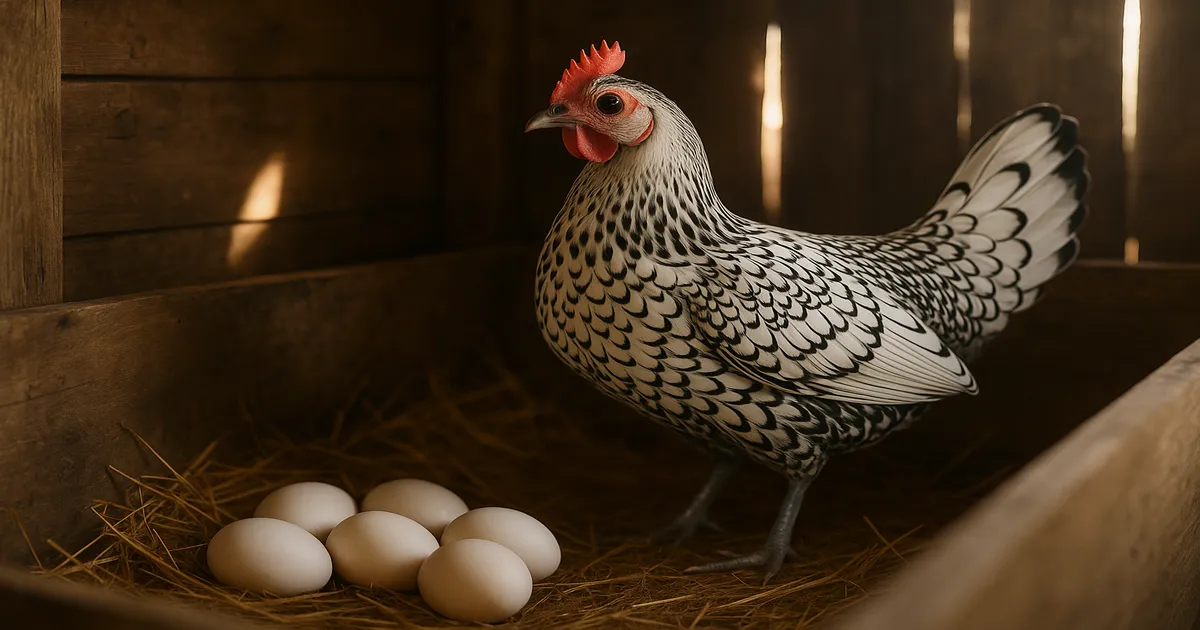
Quick Answer: Hamburg hens lay approximately 3–4 eggs per week, adding up to 150–200 small white eggs per year — with exceptional hens reaching 225. Pullets start laying at just 16–18 weeks, earlier than most heritage breeds, which is part of why old-time poultry keepers gave them the nickname “Everlasting Layer.”
If you’ve been wondering how many eggs do Hamburg chickens lay, the short answer is: more than you’d expect from such a small, elegant bird. Hamburgs punch well above their weight class in the egg department. Their early laying onset and non-broody nature make them a genuinely productive choice for backyard keepers who want consistent white eggs without a lot of fuss.
Hamburg Chicken Breed Overview
History and Origin: The Dutch “Everyday Layer”
Despite the German-sounding name, Hamburgs almost certainly originated in the Netherlands. Early English poultry literature called them “Hollands,” and records trace the breed back to 14th-century Dutch and German farmsteads. They arrived in England in the early 1800s and earned a spot in the American Poultry Association (APA) Standard of Perfection in 1874, where they’re classified in the Continental class as a light, non-sitting breed.
The “Everlasting Layer” nickname wasn’t marketing fluff — it reflected a genuine historical reputation for steady, reliable egg production year after year.
Size, Appearance, and Recognized Varieties
Hamburgs are trim, upright birds with a sleek, refined look. Hens weigh around 4 lbs (1.8 kg) and roosters around 5 lbs (2.3 kg). Their rose comb — flat, low-profile, covered in small rounded points — is one of their most practical features, as it’s highly resistant to frostbite. White earlobes signal white egg production, and their legs are clean and slate blue-gray.
The APA recognizes six standard varieties:
- Silver Spangled — white base with black spangle at each feather tip (the most popular in the U.S.)
- Golden Spangled — rich golden base with black spangles
- Silver Penciled — white base with fine black penciling
- Golden Penciled — golden base with fine black penciling
- White — pure white throughout
- Black — solid black with a green sheen
Variety is purely cosmetic. All six produce the same number of eggs.
Temperament: What to Expect from This Active Breed
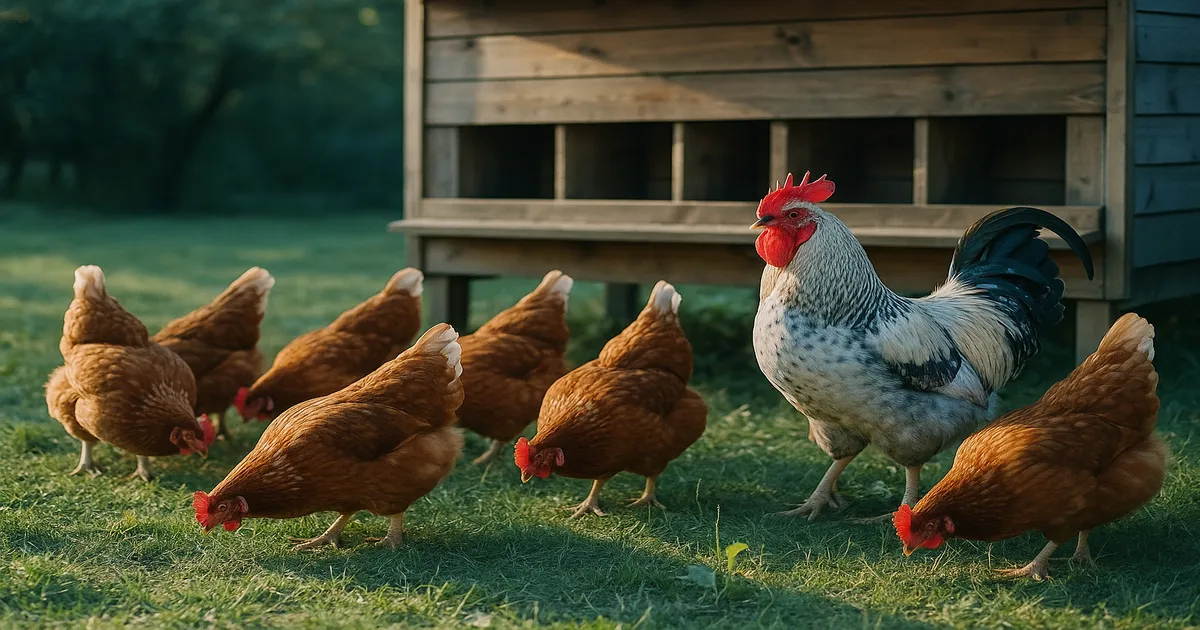
Hamburgs are not lap chickens. They’re alert, active, and tend toward skittishness — especially birds that weren’t handled much as chicks. They’re excellent foragers who will cover a large area in a single day if given the chance, which makes them one of the better free-range breeds available.
That active nature means they don’t do well in tight quarters. A bored, confined Hamburg may feather-pick or pace. If you’re planning a small backyard setup with limited run space, factor that in before you commit to the breed.
How Many Eggs Do Hamburg Chickens Lay?
Weekly and Annual Egg Output
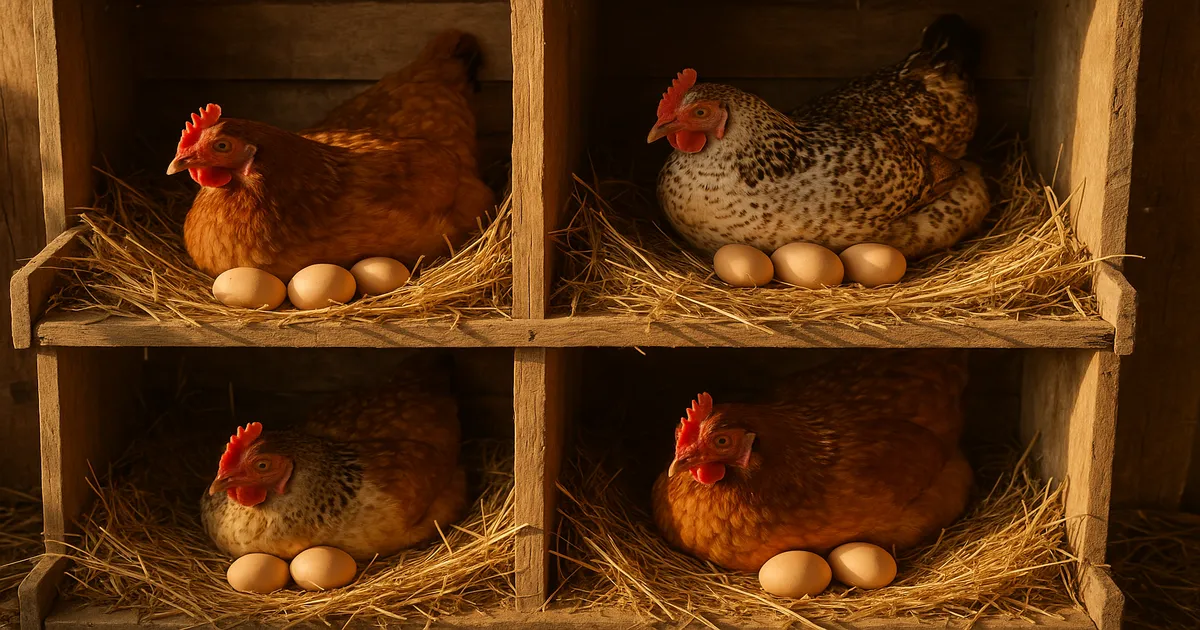
Hamburg hens lay 3–4 eggs per week under good conditions. Over a full year, that works out to 150–200 eggs, with 175 being a realistic average for most backyard flocks. Well-bred, well-managed hens can reach 225 eggs per year, though that’s the upper end.
For a heritage breed with a 4 lb frame and modest feed consumption, that’s genuinely impressive output. They won’t outpace a production Leghorn, but they’re solidly competitive with other heritage breeds while eating noticeably less feed.
Egg Color, Size, and Shell Quality
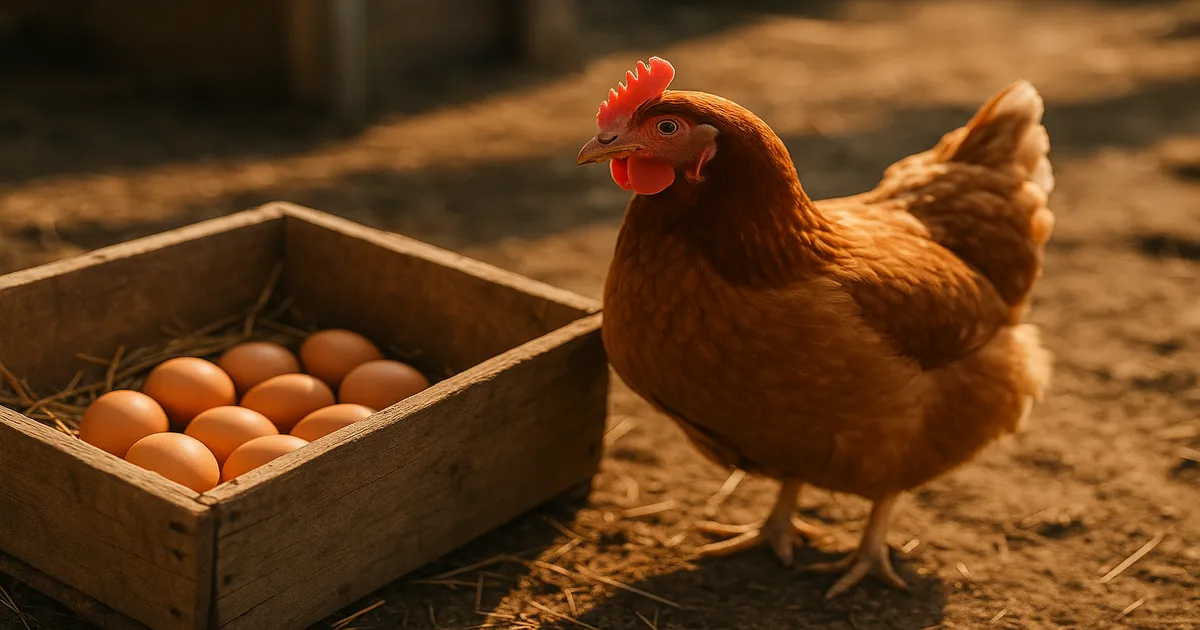
All Hamburg eggs are white, regardless of variety. They’re classified as small to medium, typically weighing 1.5–1.75 oz (42–50 g) — on the smaller end of the commercial scale. Shell quality is consistently good: smooth, bright, and clean-looking.
Bantam Hamburg eggs are roughly half that size, around 0.75–1 oz (21–28 g), so keep that in mind if you’re considering the bantam variety for egg production.
When Do Hamburg Pullets Start Laying?
Hamburg pullets typically begin laying at 16–18 weeks, with some well-bred lines starting as early as 15 weeks. Compare that to a Buff Orpington, which usually doesn’t start until 20–24 weeks — Hamburgs are notably early layers for a heritage breed.
First eggs are often small and irregular, which is completely normal. Full-size production settles in by around 20–22 weeks and stays consistent through the first laying year.
Seasonal Egg Production and Winter Laying
How Daylight Hours Affect Hamburg Egg Production
Chickens need roughly 14 hours of light per day to maintain peak laying. As fall arrives and days shorten, expect a noticeable drop in egg production — that’s true for Hamburgs just as it is for any other breed. Peak production runs from April through September, when natural daylight is longest.
Do Hamburg Chickens Lay in Winter?
Better than most heritage breeds, actually. Their rose comb doesn’t frostbite, which means they’re not dealing with the stress that flat-combed breeds sometimes experience in cold weather. Their active metabolism also helps. You’ll still see a winter slowdown, but Hamburgs tend to keep laying at a more consistent rate through the cold months than many heavier breeds.
Using Supplemental Lighting to Maintain Production
If you want to keep production steady through winter, add artificial light in the morning rather than the evening. This mimics a natural sunrise and is less disruptive to the hens’ rest cycle. Aim for a total of 14–16 hours of light per day using a simple timer and a low-wattage LED bulb. A programmable outlet timer makes this easy to set and forget — plug in a small LED, set it to kick on before dawn, and your hens will barely notice the change.
Avoid adding light at night and cutting it off abruptly. Morning light extension is the gentler, more effective approach.
Broodiness and Hatching Hamburg Eggs
Are Hamburg Hens Broody?
Hamburgs are one of the most consistently non-broody breeds you can keep. The occasional hen may show a brief flicker of broody behavior, but it’s the exception rather than the rule. This breed was historically prized as a commercial layer precisely because hens kept laying instead of sitting — it’s baked into their genetics.
A broody hen stops laying for the duration of her sit, which can stretch three weeks or longer. With Hamburgs, that’s rarely a concern, which is a real advantage if steady egg production is your goal.
Hatching Hamburg Chicks Without a Broody Hen
If you want to hatch chicks, you’ll need an incubator. Hamburg eggs incubate at the standard 99.5°F (37.5°C) for 21 days. A quality forced-air incubator with automatic egg turning handles the job reliably and takes most of the guesswork out of the process. (Brinsea Ovation 28 EX) Without a broody hen to raise the chicks, plan on a brooder setup with a heat plate for the first few weeks.
Feeding Hamburg Chickens for Maximum Egg Production
Best Layer Feed: Protein and Calcium Requirements
Switch from chick starter to layer feed at 18–20 weeks, or when you see the first egg — whichever comes first. A standard 16% protein layer feed works well for confined birds. Free-ranging Hamburgs burn more calories covering ground, so bumping up to an 18% protein feed helps support consistent egg production.
Calcium is just as important as protein. Laying hens need around 4 grams of calcium per day for strong shells. Most quality layer feeds provide adequate calcium, but offering crushed oyster shell free-choice in a separate dish lets hens self-regulate their intake. Signs of deficiency include thin shells, shell-less eggs, or lethargy — don’t ignore them.
How Much Do Hamburg Hens Eat Per Day?
Hamburg hens are light eaters. Expect each bird to consume about 3–4 oz (85–113 g) of feed per day — less than heavier breeds. Free-rangers typically eat 20–30% less commercial feed as they supplement with insects, seeds, and greens. Feed free-choice rather than on a schedule; chickens eat small amounts throughout the day, and keeping feeders full prevents competition stress.
Treats, Scratch Grains, and the 10% Rule
Keep treats to no more than 10% of total diet. Good options include mealworms, leafy greens, berries, squash, and cooked eggs. Scratch grains are a treat, not a feed — they dilute protein content and can quietly drag down egg production if you’re heavy-handed with them.
Avoid avocado, chocolate, onions, raw dried beans, and salty or processed foods, all of which are toxic to chickens.
Grit and Oyster Shell: Why Both Matter
These two supplements serve completely different purposes. Insoluble grit (granite or flint) stays in the gizzard and grinds food — essential for any bird eating anything beyond commercial pellets. Oyster shell provides calcium for eggshell formation. Free-ranging birds often pick up enough natural grit, but offering both free-choice covers your bases.
Coop and Housing Setup for Hamburg Chickens
Space Requirements: Coop and Run Sizing
Hamburgs need adequate space to stay healthy and productive. Plan for at least 4 sq ft per bird inside the coop and 10 sq ft per bird in the run as a minimum — more is better with this active breed. Free-range access is ideal. Hamburgs become stressed and prone to feather-picking in tight quarters, so err on the generous side when sizing your setup.
Roost Bar Height and Nesting Box Setup
Use roost bars that are 1–2 inches wide with slightly rounded or flat edges. Round dowels don’t allow full foot contact and can contribute to foot problems over time. Provide 8–10 inches of roost space per bird. Don’t be surprised if your Hamburgs claim the highest roosts available — they’re strong fliers and will use heights up to 4–5 feet without hesitation.
One nesting box per 4–5 hens is sufficient. Standard 12×12×12-inch boxes work well for Hamburgs’ smaller frames. Position boxes 18–24 inches off the floor but lower than the highest roost bars — otherwise hens will sleep in the boxes and foul the nesting material.
Ventilation and Cold-Weather Considerations
Good ventilation is non-negotiable. Moisture and ammonia buildup cause far more health problems than cold temperatures do. Aim for at least 1 sq ft of vent space per 10 sq ft of coop floor, with vents mounted high on the walls or in the eaves so moist air escapes without creating drafts at bird level.
In climates that regularly drop below 20°F (-6.7°C), moderate insulation helps — but don’t seal the coop. A well-insulated, well-ventilated coop with six or more birds can stay noticeably warmer than outside without any supplemental heat.
Predator-Proofing an Active, Flighty Breed
Hamburgs can fly out of open-top runs, so a fully enclosed run with a hardware cloth roof is essential — both to keep birds in and hawks out. Use ½-inch hardware cloth on all sides and over the top. Chicken wire is not adequate; raccoons can tear through it.
Bury an apron-style barrier 12 inches horizontally outward from the run perimeter to stop diggers. Secure all latches with carabiner clips or padlocks — raccoons are surprisingly good at working open simple hook-and-eye hardware. An automatic coop door with a dusk/dawn sensor adds a reliable last line of defense.
Common Health Issues That Affect Egg Production
Marek’s Disease: Vaccination Is Essential
Marek’s disease is a highly contagious herpesvirus that causes paralysis, tumors, and death in chickens. There’s no cure, but vaccination at hatch is highly effective at preventing clinical disease. Most hatcheries offer it — request it when you order your chicks. The virus can persist in feather dander in your environment for years, so this one-time step has long-term payoff.
Coccidiosis: Risks for Active Foragers
Coccidiosis is caused by Eimeria protozoa and is most dangerous in birds under six months old. Because Hamburgs are enthusiastic foragers from a young age, they have higher exposure risk than more sedentary breeds. Watch for bloody or watery droppings, lethargy, and pale combs in young birds. Treat with Amprolium (Corid) in the drinking water — follow label directions for dosage, as concentrations vary by product formulation.
Mites and Lice: Protecting Your Flock’s Laying Consistency
External parasites are one of the most common and underestimated causes of reduced egg production. Check under wings, around the vent, and at the base of feathers monthly. Inspect roost bars at night for red mites, which hide in cracks during the day.
Treat with permethrin dust or spray approved for poultry use, and repeat in 7–10 days to break the life cycle. The best prevention is a dedicated dust bathing area — dry dirt or sand with a handful of wood ash works well. Hamburgs, being active birds, will use a dust bath enthusiastically and naturally help keep parasites in check.
Bumblefoot and Respiratory Infections
Bumblefoot — a bacterial infection of the foot pad — often starts with rough roost surfaces or hard landings from height. Keep roost bars smooth and bedding dry. Minor cases respond well to Epsom salt soaks and topical wound care; severe cases need veterinary attention.
Respiratory infections can cause a sharp, sudden drop in egg production alongside wheezing, nasal discharge, and reduced egg quality. Quarantine all new birds for 30 days before introducing them to your flock. If you hear rattling or wheezing, isolate affected birds immediately and consult a vet.
Frequently Asked Questions About Hamburg Chicken Eggs
What color eggs do Hamburg chickens lay?
Hamburg chickens lay white eggs consistently across all six recognized varieties. The white earlobes are a reliable visual indicator — in chickens, white earlobes almost always signal white egg production.
At what age do Hamburg chickens start laying eggs?
Hamburg pullets typically begin laying at 16–18 weeks, with some well-bred lines starting as early as 15 weeks. This is earlier than most heritage breeds. First eggs are often small and irregular; full production stabilizes by around 20–22 weeks.
How do Hamburg chickens compare to other breeds for egg production?
Hamburgs are among the better-producing heritage breeds, laying 150–200 eggs per year. That compares favorably to Buff Orpingtons (around 150–180 eggs) and holds up reasonably well against production Leghorns (200–280 eggs), especially when you factor in their smaller body size and lower feed consumption.
Do Hamburg chickens lay eggs in winter?
Yes, though production slows as daylight shortens. Hamburgs tend to hold up better in winter than many heritage breeds because their rose comb doesn’t frostbite and their active metabolism helps maintain laying. Adding supplemental lighting to reach 14–16 hours of total daily light can keep production more consistent through the cold months.
Are Hamburg chickens good for backyard egg production?
Hamburgs are an excellent choice for keepers who want a productive, low-maintenance layer with minimal feed costs. Their early laying onset, non-broody nature, and consistent white eggs make them genuinely practical. The trade-off is that they need more space than many breeds and aren’t well-suited for very small, confined setups or families looking for a docile, handleable bird.