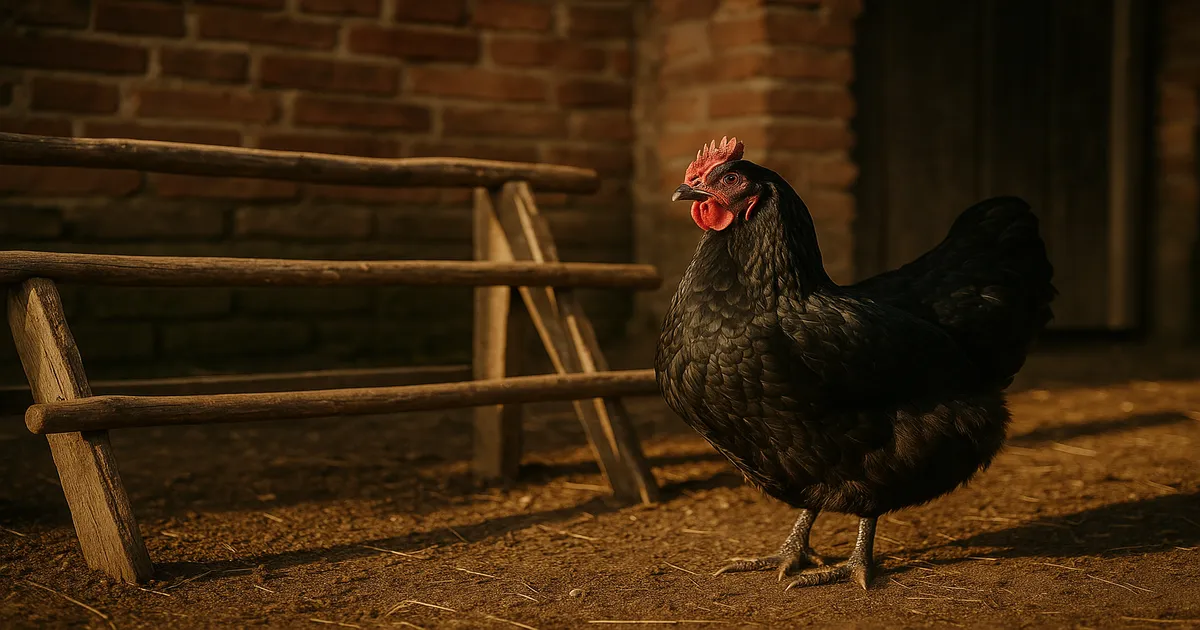
Quick Answer: Jersey Giant chickens cost anywhere from $4–$8 per straight-run chick at a hatchery up to $400+ for a show-quality bird from a heritage breeder. The biggest price drivers are the bird’s age, sex, and source — hatchery vs. heritage breeder. Ongoing care runs roughly $50–$80 per bird per year in feed and supplies.
If you’ve been researching how much Jersey Giant chickens cost, you’ve probably noticed the price range is wide enough to be confusing. A day-old chick from a commercial hatchery and a show-quality adult from a heritage breeder are technically the same breed — but they’re very different birds at very different price points. This guide breaks down exactly what you’ll pay at each stage, what drives the cost up or down, and what you’ll spend keeping them year after year.
How Much Do Jersey Giant Chickens Cost? Price at a Glance
Price Summary by Bird Type
| Bird Type | Hatchery Price | Heritage/Breeder Price |
|---|---|---|
| Straight-run day-old chicks | $4–$8 | $8–$15 |
| Sexed pullets (day-old) | $8–$15 | $15–$25 |
| Started pullets (8–16 weeks) | $25–$45 | $35–$60 |
| Point-of-lay pullets (18–22 weeks) | $50–$75 | $75–$100+ |
| Breeding-quality adults | — | $75–$200+ |
| Show-quality birds | — | $150–$400+ |
| Hatching eggs (per dozen) | — | $30–$60 |
What Drives the Cost Up or Down?
Three factors move the needle more than anything else:
- Source: Hatchery birds are cheaper but often run 20–30% lighter than true heritage stock. A heritage breeder’s $15 chick and a hatchery’s $6 chick are not equivalent animals.
- Variety: Black Jersey Giants are the most common and least expensive. White and Blue varieties are harder to source and typically cost more.
- Age: Every week of growth between you and the seller is a week of feed, labor, and housing — that’s why point-of-lay pullets cost so much more than day-old chicks.
Jersey Giant Price Breakdown by Bird Type and Source
Day-Old Chicks: Hatchery vs. Breeder Prices
Hatchery straight-run chicks run $4–$8 each, and sexed pullets land around $8–$15. That’s a reasonable entry point, but know what you’re buying. Large commercial hatcheries have selected for hardiness and egg production over decades, and the resulting birds often fall well short of breed standard size — sometimes 20–30% lighter than a true heritage Jersey Giant.
Heritage and small-scale breeders charge $8–$15 for straight-run and $15–$25 for sexed pullets. The premium buys you birds that are closer to the APA breed standard, with better conformation and often better temperament. Look for NPIP-certified sources — that certification signals the flock has been tested and is free of certain reportable diseases like Pullorum and Typhoid.
Sexed Pullets and Started Pullets
Paying for sexed chicks eliminates the rooster surprise, which matters if you’re in a municipality with restrictions. Started pullets (8–16 weeks old) run $25–$60, and the price reflects real costs — the seller has already brooded them through the most labor-intensive weeks of their lives.
If you’re a first-time keeper, started pullets are often worth the extra money. You skip the brooder setup, the heat lamp management, and the nerve-wracking first few weeks. A quality brooder plate is the first thing you’d need to buy anyway, so factoring that cost into the price of older birds is fair math.
Point-of-Lay and Adult Breeding Birds
Point-of-lay pullets (18–22 weeks) typically sell for $50–$100+. These birds are weeks away from their first egg, so you’re paying for the seller’s feed bill and time — but you’re also nearly at your return on investment the moment you get them home.
Adult breeding-quality birds from heritage breeders run $75–$200+ each. These are birds with documented lineage, proven production records, and the kind of conformation that produces quality offspring. If you’re building a breeding program, this is where to start.
Show-Quality Jersey Giants
Show birds command $150–$400+ per bird, sometimes more for proven winners. The APA recognizes three varieties — Black, White, and Blue — and show-quality specimens are evaluated on body size, feather condition, comb structure, and the distinctive green iridescent sheen of the Black variety. You’re paying for genetics, lineage documentation, and often years of a breeder’s careful selection work.
Unless you’re actively pursuing exhibition, show birds are overkill for a backyard flock. That said, buying from a serious breeder — even at non-show prices — puts money toward the people doing the real work of maintaining this breed.
Hatching Eggs
Hatching eggs from reputable sources run $30–$60 per dozen. This is the most affordable way to access quality genetics, but also the highest-risk. Hatch rates vary with shipping conditions, incubator management, and plain luck. Budget for a 60–75% hatch rate at best, and remember that roughly half of what hatches will be roosters.
Ongoing Costs: What Jersey Giants Really Cost Per Year
Annual Feed Costs for Jersey Giants
Adult Jersey Giant hens eat approximately 4–6 oz (½–¾ cup) of feed per day — noticeably more than a standard-sized hen. Roosters can put away up to 1 cup daily. That works out to roughly 90–110 lbs of feed per bird per year.
At $20–$25 per 50 lb bag of quality layer pellets, you’re looking at $36–$55 per bird per year in feed alone. Add oyster shell, insoluble grit, and the occasional bag of scratch grains or mealworm treats, and a realistic annual supply cost lands around $50–$80 per bird.
Fermented feed is worth considering for this breed. It improves nutrient absorption and can reduce feed consumption by 20–30% — a meaningful saving when your birds eat as much as Jersey Giants do.
Coop Setup and Equipment Costs
Standard coop kits are not built for Jersey Giants. You’ll need:
- Larger coop footprint: 4–6 sq ft per bird indoors minimum, with 6–8 sq ft recommended for real comfort
- Bigger nesting boxes: 16×16 inches instead of the typical 12×12
- Low roost bars: 12–18 inches off the ground with ramps, not the standard 24–36 inches
- Hardware cloth: ½-inch mesh on all openings, plus a predator apron around the perimeter
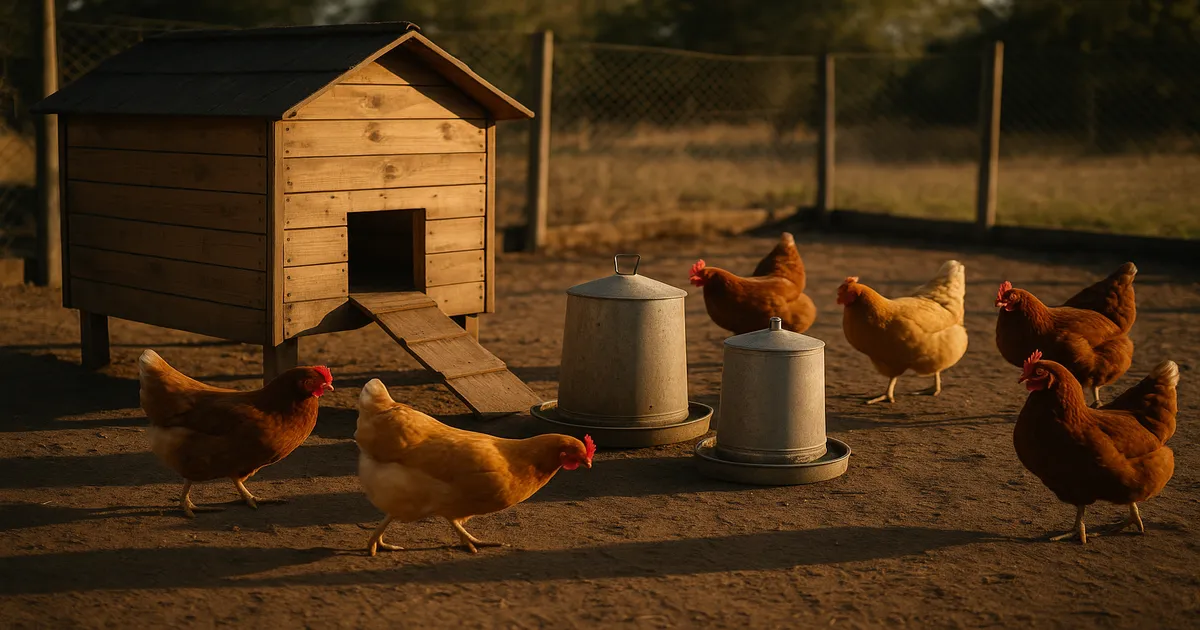
Budget an additional $50–$150 over a standard coop build for the modifications and larger materials. A treadle feeder is also worth the investment — it keeps feed dry, reduces waste, and works well for large breeds.
Veterinary and Health Expenses
Most backyard keepers don’t budget for vet bills until they need one. A basic poultry vet visit runs $50–$100+, and treatments for issues like bumblefoot or respiratory illness can add another $30–$100 in supplies or medications. Keeping a basic first aid kit stocked — Vetericyn wound spray, Corid (Amprolium), permethrin dust, and vet wrap — costs $40–$60 upfront and can prevent far larger bills down the road.
Total First-Year vs. Ongoing Annual Cost Estimate
| Expense | First Year | Ongoing Annual |
|---|---|---|
| Bird purchase (3 hens, hatchery) | $25–$45 | Replacement only |
| Coop setup (modified for breed) | $300–$700+ | — |
| Feed (per bird) | $36–$55 | $36–$55 |
| Supplies (oyster shell, grit, bedding) | $40–$60 | $20–$40 |
| Health/first aid kit | $50–$75 | $20–$40 |
| Rough total (3 birds) | $550–$1,000+ | $200–$350 |
These numbers assume you’re building from scratch. If you already have a coop, the math changes considerably.
Is a Jersey Giant Worth the Cost?
History and Origin
Brothers John and Thomas Black developed the Jersey Giant in Burlington County, New Jersey, during the 1870s and 1880s. Their goal was a dual-purpose bird large enough to rival the turkey as a table bird. They crossed Black Javas, Dark Brahmas, and Black Langshans to get there.
The Black variety earned APA recognition in 1922, White followed in 1947, and Blue wasn’t officially recognized until 2003. The breed was once listed as threatened by The Livestock Conservancy but has since recovered to “recovering” status — still a good reason to support heritage breeders over mass-production hatcheries when you can.
Size, Appearance, and Recognized Varieties
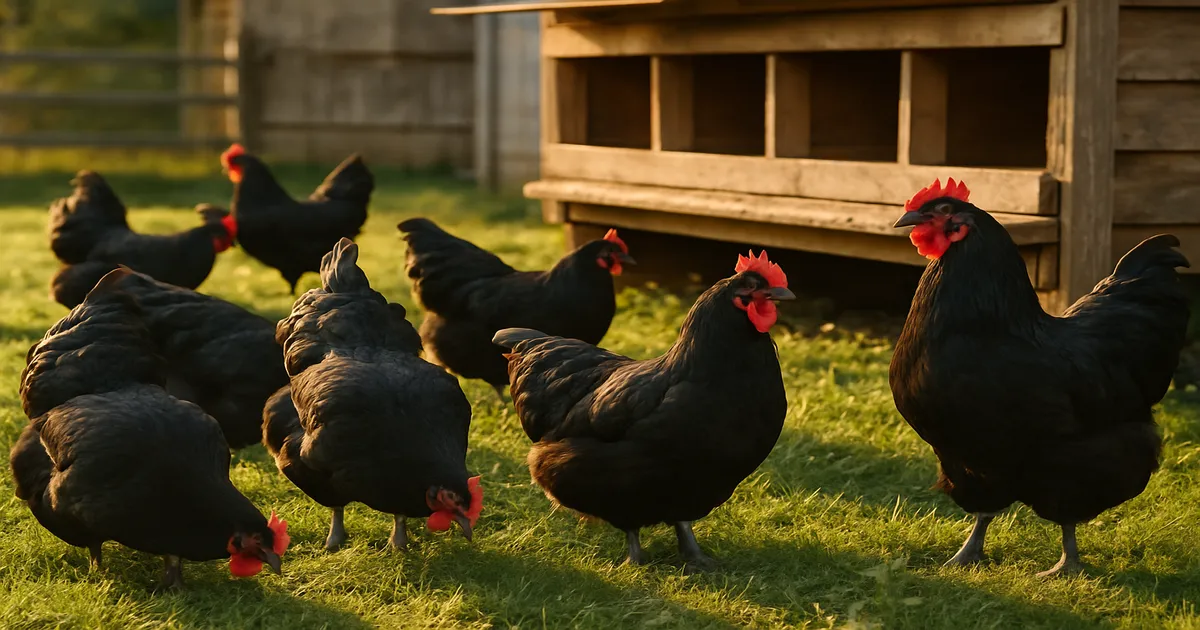
Jersey Giants are the largest recognized chicken breed in the United States. Roosters typically weigh 13–15 lbs, and hens run 10–12 lbs. They carry their size with an upright, stately posture that earns them the “majestic” label constantly.
The Black variety’s green iridescent sheen in sunlight is genuinely striking. White and Blue varieties are harder to source and command higher prices. All three share yellow skin and yellow soles — a useful distinguishing feature from similar dark breeds like Australorps.
Temperament and Flock Compatibility
Jersey Giants live up to their reputation as gentle giants. They’re calm, curious, and friendly — often the first to approach you in the yard. Roosters are generally non-aggressive toward humans, though they’ll protect their flock.
This docile temperament makes them excellent for beginners and families with children. The one caveat: in mixed flocks, their laid-back nature means they can be bullied by more assertive breeds like Leghorns or Rhode Island Reds. They do best with similarly calm flock mates.
Hatchery Stock vs. Heritage Quality
This distinction matters more for Jersey Giants than almost any other breed. The breed’s defining characteristic is its size — and hatchery birds often fall 20–30% short of breed standard weight. A “Jersey Giant” from a large hatchery may top out at 8–9 lbs rather than the 13–15 lbs a true heritage rooster should reach.
If you want the full experience of the breed — the impressive size, the correct conformation, the genetics worth preserving — buy from a heritage breeder or at least a hatchery with a strong reputation for this specific breed. If you just want friendly, large-ish brown-egg layers and price matters more than pedigree, hatchery birds will serve you well.
Jersey Giant Egg Production: What to Expect for Your Money
How Many Eggs Per Year?
Heritage-quality Jersey Giant hens typically lay 150–180 large brown eggs per year — solid but not spectacular. High-production hatchery lines can reach 200–260 eggs annually, though those birds often sacrifice some of the breed’s size in exchange. Think of them as moderate layers: reliable, but not the breed to choose if maximum egg output is your primary goal.
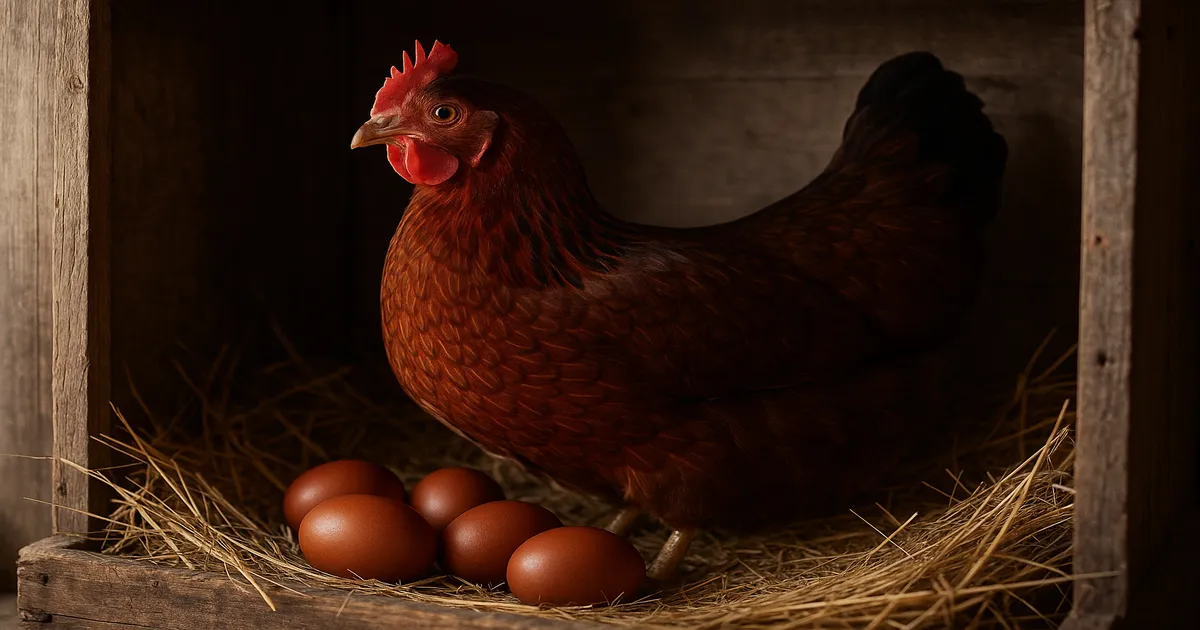
Their eggs are extra-large to jumbo — typically 2.5–3.0 oz — with a light to medium brown shell and good shell thickness. If you sell eggs at a farmers market, these are the kind that stop people in their tracks.
When Do Jersey Giants Start Laying?
This is the most important cost consideration most new buyers overlook. Jersey Giants are slow to mature. Most hens don’t lay their first egg until 6–7 months (24–28 weeks), and some heritage-quality hens wait until 8–9 months. Compare that to a Golden Comet or Leghorn, which can start laying at 16–18 weeks. You’re waiting significantly longer for your return on investment.
Seasonal Production and Broodiness
Expect a 6–12 week laying pause during the fall molt (typically September–November) and a 20–40% production drop during winter months with reduced daylight. Supplemental lighting (14–16 hours total daily light) can help maintain winter production if that matters to your operation.
Jersey Giants have moderate broodiness — they’ll occasionally go broody, but they’re not as reliably broody as Silkies or Cochins. When they do go broody, they’re attentive mothers, and their large bodies can cover and hatch 12–15+ eggs at once.
Coop and Housing Requirements for Jersey Giants
Space, Roosts, and Nesting Boxes
Standard coop sizing doesn’t apply here. Jersey Giants need a minimum of 4 sq ft per bird inside the coop, with 6–8 sq ft recommended for real comfort. In the run, plan for at least 10 sq ft per bird — ideally 15–20 sq ft. These birds are not built for confinement, and crowding leads to stress behaviors and health problems.
Roost bars must be kept at 12–18 inches off the ground — not the 24–36 inches typical for standard breeds. When a 12-lb hen repeatedly jumps down from a high roost, the impact on her feet is significant. That’s how bumblefoot starts. Use 3–4 inch wide flat roost bars rather than round dowels, and add a ramp for easy access. Each bird needs 14–18 inches of linear roost space.
Standard 12×12-inch nesting boxes are too cramped. Go with 16×16 inches and place them 12–18 inches off the ground with a step or ramp. One box per 4–5 hens is sufficient. Keep 3–4 inches of pine shavings (Pet Select Premium Soft Paper Bedding) in each box and refresh it regularly.
Ventilation and Predator-Proofing
Jersey Giants are cold-hardy birds that rarely need a heated coop above 20°F (-7°C). What they do need is excellent ventilation year-round. Aim for at least 1 sq ft of ventilation per 10 sq ft of coop floor space, positioned high on the walls near the roofline so moisture and ammonia escape without drafts hitting the birds.
For predator-proofing, the non-negotiables are:
- ½-inch hardware cloth on all openings (not chicken wire — predators tear through it)
- A predator apron — 12–18 inches of hardware cloth laid flat or buried around the coop perimeter
- Raccoon-proof latches on every door
An automatic coop door is one of the best upgrades you can make — it closes reliably at dusk even when you’re not home, which is when most predator losses happen.
Feeding Jersey Giants: Costs and Nutritional Needs
Protein Requirements by Life Stage
- Chicks (0–8 weeks): 20–22% protein chick starter
- Growers (8–18 weeks): 16–18% protein grower feed
- Layers (18+ weeks): 16–18% protein layer feed
Jersey Giants benefit from staying on the higher end of protein recommendations throughout their life, given their large body mass and slower growth rate. Pellets are preferred over mash for adults — less waste, and these birds produce enough mess on their own.
One important note: if your chicks were vaccinated for coccidiosis, don’t feed medicated starter. The Amprolium in medicated feed can interfere with the immunity the vaccine is trying to build.
Calcium and Grit
Start offering oyster shell free-choice when hens approach laying age around 18–20 weeks. Keep it in a separate dish — never mix it into the main feed, as excess calcium can damage the kidneys of non-laying birds and chicks. A 50 lb bag of oyster shell runs $15–$20 and lasts a small flock most of the year.
Confined birds need insoluble granite grit offered free-choice at all times. Free-ranging birds generally self-source enough from the ground, but it’s cheap insurance to offer it regardless.
Treats and Scratch
Stick to the 10% rule — treats shouldn’t exceed 10% of the daily diet. Safe options include leafy greens, mealworms, berries, watermelon, and cooked squash. Scratch grains are fine in winter (they generate body heat during digestion) but offer sparingly — 1–2 tablespoons per bird at most.
Frequently Asked Questions About Jersey Giant Chicken Costs
How much do Jersey Giant chickens cost at a hatchery vs. a breeder? Hatchery straight-run chicks run $4–$8 each; sexed pullets are $8–$15. Heritage breeders charge $8–$25 for chicks depending on sex, and $75–$400+ for adult breeding or show birds. The price gap reflects real differences in genetics and mature size.
Are Jersey Giants expensive to feed compared to other breeds? Yes, modestly so. They eat roughly 20–30% more than a standard-sized hen — about 4–6 oz per day versus 3–4 oz. Over a year, that adds up to $36–$55 per bird in feed, compared to $25–$40 for a lighter breed.
How long before Jersey Giant hens start laying eggs? Most hens begin laying at 6–7 months, and some heritage-quality birds wait until 8–9 months. That’s 6–12 weeks later than many popular laying breeds, so factor the longer wait into your cost calculations.
Do Jersey Giants need a special coop? Standard coop kits are rarely adequate. You’ll need more floor space (6–8 sq ft per bird is ideal), larger nesting boxes (16×16 inches), and low roost bars (12–18 inches off the ground) to protect their feet and joints. Budget $50–$150 extra over a standard build.
Are Jersey Giants good for beginners? Yes — their calm, friendly temperament makes them one of the better large breeds for new keepers. The main challenges are their slower maturity, higher feed consumption, and the need for modified housing. If you go in with realistic expectations on those three points, they’re very rewarding birds to keep.