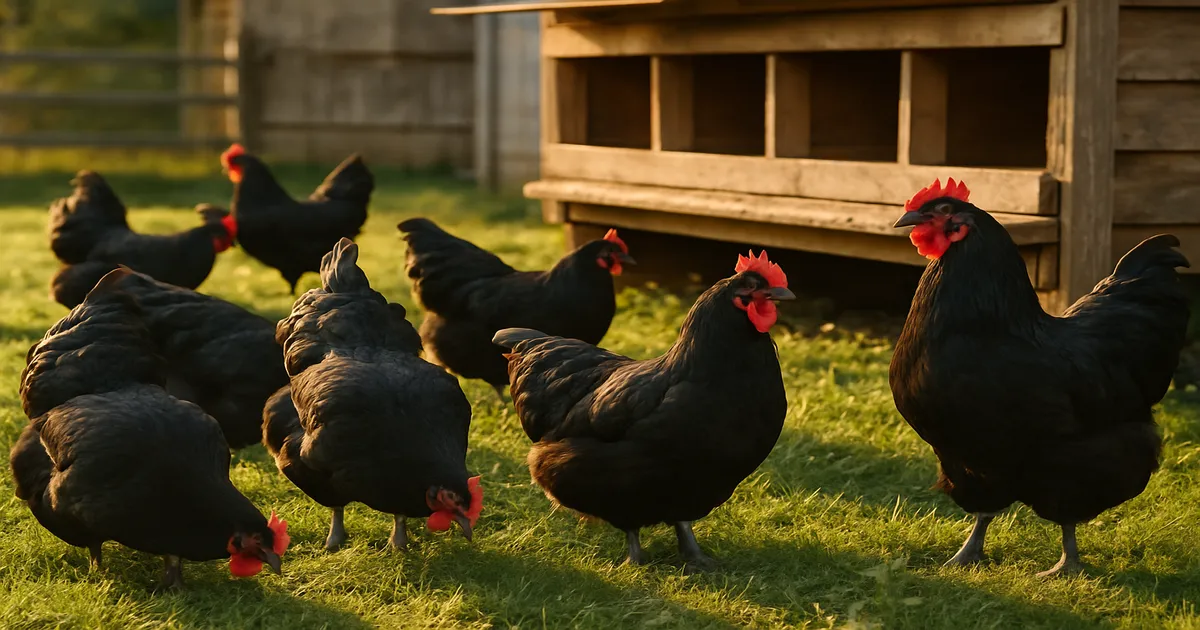
Quick Answer: Jersey Giant chickens are the largest purebred chicken breed in the United States, with roosters reaching 13–15 lbs and hens 10–12 lbs. They’re calm, beginner-friendly dual-purpose birds that lay 150–200 large brown eggs per year, but they take 18–24 months to fully mature and need more space and lower roosts than most breeds.
If you want to raise Jersey Giant chickens, you’re choosing one of the most impressive heritage breeds available. These birds combine a genuinely gentle temperament with real dual-purpose utility — steady egg production and quality meat from a single flock. They’re not the fastest growers or the most prolific layers, but for backyard flocks and small homesteads, they deliver where it counts.
Jersey Giants at a Glance
What Makes Jersey Giants Unique?
Jersey Giants hold the title of largest purebred chicken breed in the US. A mature rooster stands around 26 inches tall and weighs 13–15 lbs, with exceptional birds occasionally pushing beyond that. Hens typically settle in at 10–12 lbs. That size comes with a slow development curve — most birds don’t reach full maturity until 18–24 months, roughly twice as long as a typical production breed.
They’re listed as a Watch breed by the Livestock Conservancy, meaning population numbers are limited enough to warrant attention. Choosing Jersey Giants means you’re actively supporting genetic diversity in American heritage poultry.
Are Jersey Giants Right for Your Flock?
This breed suits anyone who wants a calm, handleable bird that does double duty for meat and eggs and isn’t in a hurry. They’re ideal for beginners, families with children, and anyone drawn to heritage breeds with real presence. They’re a poor fit if you need maximum egg output or fast turnaround on meat birds.
Breed History and Recognized Varieties
Origins: The Black Brothers of New Jersey
Jersey Giants were developed in Burlington County, New Jersey, during the 1870s–1880s by brothers John and Thomas Black. Their goal was ambitious: create a chicken large enough to rival turkey as a table bird, while being easier and cheaper to raise. They crossed Black Javas, Dark Brahmas, and Black Langshans — all large, heavy breeds — over several generations of careful selection. The breed carried the brothers’ surname informally before the “Giant” label stuck for good.
APA-Recognized Varieties: Black, White, and Blue
The American Poultry Association currently recognizes three varieties:
- Black (1922): Glossy greenish-black plumage with a distinctive beetle-green sheen — the original variety, with dark willow to black shanks
- White (1947): Pure white throughout, with yellow shanks
- Blue (2002): Blue-laced pattern with each feather edged in darker blue, also with yellow shanks
Splash: The Unofficial Fourth Variety
Crossing two Blue birds produces Splash Jersey Giants — white birds with blue and black splashing across the feathers. They’re striking, perfectly healthy, and make fine flock members, but they aren’t APA-recognized and can’t be shown in sanctioned exhibitions.
The Livestock Conservancy Watch List
A Watch designation means fewer than 2,500 annual registrations in the US and a global population of concern. The breed isn’t endangered, but it isn’t thriving either. Buying from reputable breeders, raising a small flock, and hatching your own chicks all help keep this breed viable for future generations.
How to Raise Jersey Giant Chickens: Housing and Setup
Coop Space Requirements
Standard coop sizing doesn’t work for this breed. Plan for at least 6–8 sq ft per bird inside the coop, and a minimum of 15–20 sq ft per bird in the run. Overcrowding causes stress and feather pecking much faster with large-bodied birds than with standard breeds, so err on the generous side.
Roost Bar Height, Width, and Spacing
This is where many first-time Jersey Giant keepers make costly mistakes. Keep roost bars at 12–18 inches off the ground maximum. These birds are heavy, and repeated high-impact landings cause bumblefoot and joint injuries over time.
Use flat 2×4 boards laid flat-side up rather than round dowels — the wider surface lets hens cover their feet with their breast feathers in cold weather. Allow 14–16 linear inches of roost space per bird to accommodate their wide bodies comfortably.
Nesting Box Size and Placement
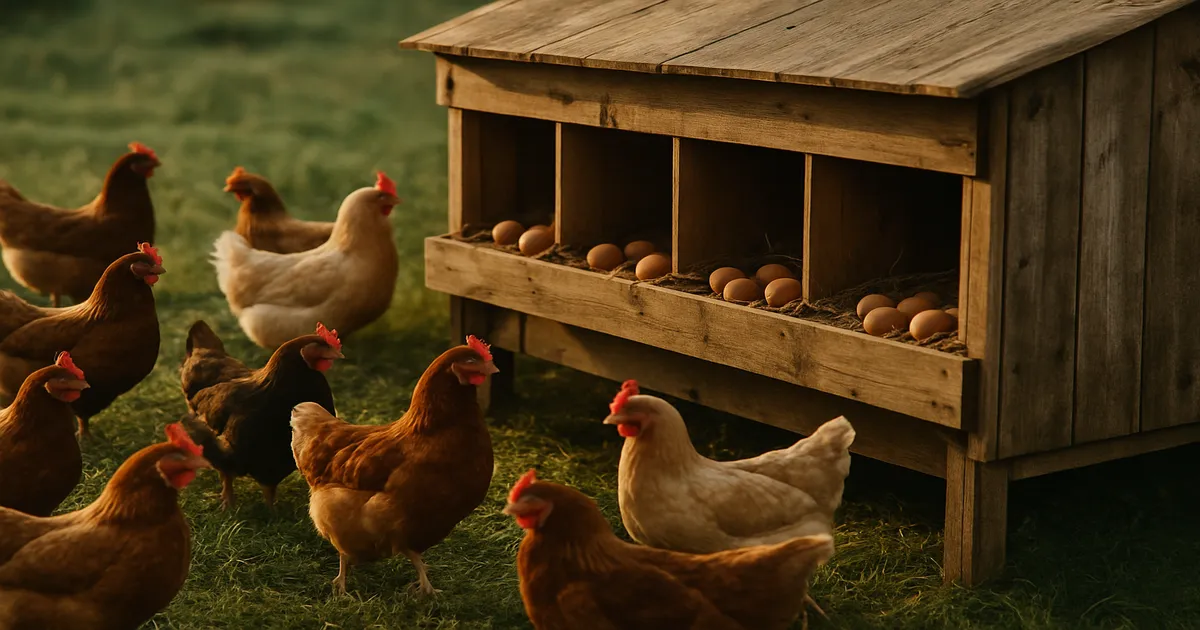
Standard 12×12-inch nesting boxes are too small. Use 14×14 inches at minimum, with 16×16 preferred. Place boxes 12–18 inches off the floor for easy access given their weight, and keep at least 6 inches of nesting material in each box to cushion heavy hens and protect eggs from cracking. One box per 4–5 hens is sufficient.
Ventilation and Predator-Proofing
Provide at least 1 sq ft of ventilation per 10 sq ft of coop floor space, with vents placed high on the walls or in the eaves. This lets moisture and ammonia escape without creating drafts at bird level. If you can smell ammonia when you walk in, fix ventilation before anything else. A dry coop consistently outperforms a warm coop for flock health.
For predator-proofing:
- Use ½-inch hardware cloth on all openings — windows, vents, and pop doors
- Extend wire 12 inches outward as an apron, or bury it 12 inches deep to stop diggers
- Secure latches with carabiner clips — raccoons open simple hook latches without much effort
- Cover the run overhead with hardware cloth or welded wire
Jersey Giants are cold-hardy and handle most US winters without supplemental heat. Only consider added insulation in climates that regularly drop below 0°F (-18°C), and never seal a coop so tight that you sacrifice ventilation.
Feeding Jersey Giant Chickens
Feed Types and Protein Levels by Life Stage
| Life Stage | Feed Type | Protein % |
|---|---|---|
| Chicks (0–8 weeks) | Chick Starter | 18–20% |
| Pullets (8–18 weeks) | Grower | 16–18% |
| Layers (18+ weeks) | Layer Feed | 15–18% |
| Molting birds | High-protein supplement | 20–22% |
Jersey Giants benefit from protein at the higher end of each range. Their large body mass and slow growth rate mean they’re building more tissue for longer than most breeds.
Daily Feed and Water Needs
Adult hens eat approximately ½ to ⅔ cup (4–6 oz) of feed per day — about 20–30% more than a standard hen, adding up to roughly 80–100 lbs of feed per hen per year. A large hanging feeder reduces waste and cuts down on daily refilling.
For water, plan on 1–2 cups per bird per day under normal conditions, more in heat. Change water daily and scrub containers weekly. In winter, a heated waterer is essential — frozen water means no water, and dehydration hits egg production fast.
Calcium, Grit, and Treats
Once hens begin laying, offer oyster shell free-choice in a separate container at all times. They’ll self-regulate intake. Don’t mix it into the main feed, and don’t offer it to chicks or non-laying birds — excess calcium stresses developing kidneys.
Any bird eating treats, scratch, greens, or anything beyond commercial feed also needs access to insoluble granite grit. Free-ranging birds usually source it naturally; confined birds need it offered free-choice.
Keep treats to 10% or less of total daily diet. Good options include mealworms (especially during molt), leafy greens, pumpkin seeds, berries, and watermelon in summer. Avoid avocado (toxic — contains persin), chocolate, onions, raw dried beans, and anything salty, sugary, or moldy.
Egg Production: What to Expect
Laying Rate, Egg Size, and Color
Jersey Giant hens lay approximately 150–200 eggs per year, or 3–4 eggs per week. That’s reliable production, but it won’t compete with a Leghorn (280–320/year) or a Rhode Island Red (200–260/year). Where Jersey Giants stand out is egg size: extra-large to jumbo, often 2.5–3 oz each, in shades ranging from light tan to a rich medium brown. If you sell eggs at a farmers market, these eggs stand out in the carton.
When Do Hens Start Laying?
Most hens begin laying at 6–7 months, though slower-maturing individuals may hold off until 8–9 months. The delay is tied directly to their slow overall growth — you can’t rush it, so plan your feed budget accordingly.
Seasonal Patterns, Molt, and Broodiness
Production drops 30–50% when daylight falls below 14 hours in winter. A simple timer-controlled bulb in the coop can maintain production through short days — but don’t add artificial light until the fall molt is completely finished.
Molting typically runs September through November, halting laying for 6–12 weeks. Boost protein to 20–22% during this period to support feather regrowth; mealworms are a practical way to add it quickly.
Jersey Giants are moderately broody — more likely to sit than a production breed, but less reliably so than a Silkie or Cochin. When they do go broody, they’re attentive, calm mothers. The one concern is weight: a 10–12 lb hen can crush eggs or newly hatched chicks. Check broody hens daily and be ready to intervene if needed.
Common Health Issues in Jersey Giants
Bumblefoot: The Primary Risk for Heavy Breeds
Bumblefoot — a bacterial infection of the foot pad, usually caused by Staphylococcus aureus — is the most breed-specific health risk for Jersey Giants. Their weight puts constant stress on foot pads, and any small cut becomes an entry point for infection.
Prevention: Keep roosts at 12–18 inches maximum, maintain clean dry bedding, avoid wire floors without deep litter coverage, and inspect feet monthly.
Treatment: For mild cases, soak the foot in warm Epsom salt solution (1 cup per gallon) for 10–15 minutes, apply Vetericyn or plain Neosporin (without pain-relief additives), and wrap with vet wrap. Moderate to severe cases with a hard core require more involved treatment — consult a vet rather than attempting surgical removal at home.
Marek’s Disease, Coccidiosis, and Parasites
Marek’s disease is a highly contagious herpesvirus with no cure. The only protection is vaccination at hatch — most hatcheries offer it for $0.25–$0.50 per chick. Always request it.
Coccidiosis is most dangerous in chicks between 3–6 weeks old. Medicated chick starter containing amprolium is standard prevention. If an outbreak occurs, treat with Corid (amprolium) in drinking water: 1½ tsp per gallon for 5 days for mild cases, or follow label directions for severe outbreaks. Keep the brooder clean and dry — wet, warm conditions accelerate coccidia.
External parasites (mites and lice): inspect birds monthly under the wings, around the vent, and at feather bases. Treat with permethrin dust or spray applied to birds and coop surfaces, repeating in 7–10 days to break the egg cycle. A dedicated dust bath area with dry soil, sand, wood ash, and a small amount of food-grade diatomaceous earth is the best ongoing prevention.
Monthly Health Checks
Run through this checklist once a month:
- Eyes: clear, bright, no discharge or swelling
- Comb and wattles: full color, no dark spots or lesions
- Feet: no swelling, black scabs, or limping
- Feathers: smooth and intact, no bare patches
- Droppings: normal consistency, no blood or persistent watery output
- Body weight: pick birds up and feel for adequate breast muscle — visual assessment alone misses early weight loss
Seasonal Care for Jersey Giant Chickens
Summer Heat Management
Jersey Giants handle cold far better than heat. Their large body mass generates more heat and dissipates it less efficiently than smaller breeds. In summer, prioritize shade, airflow, and cool fresh water above everything else. Frozen treats — watermelon chunks, frozen corn — help on hot days. Watch for heat stress: open-beak panting, wings held out from the body, and lethargy. Get cool water in front of affected birds immediately.
Winter Care and Frostbite Prevention
The breed handles most US winters without supplemental heating. The real risks are moisture and frostbite, not cold itself. Keep the coop dry and well-ventilated. Those flat 2×4 roost bars earn their keep in winter — hens settle down over their feet and keep them naturally warm. Single combs aren’t especially frostbite-prone, but check them in extreme cold for pale or blackened tips.
Free-Range vs. Confined Keeping
Jersey Giants thrive with free-range access. They’re active foragers, and their weight makes them easy to contain with low 3–4 ft fencing. They also adapt well to confinement if you provide adequate space — the run sizing recommendation really matters here. Free-ranging birds naturally supplement their diet with insects and grit, which reduces feed costs and keeps them engaged through every season.
Frequently Asked Questions About Raising Jersey Giant Chickens
How long does it take for Jersey Giant chickens to reach full size?
Jersey Giants are slow to mature. Hens typically reach full size at 18–24 months, and roosters follow a similar timeline. They’ll begin laying eggs at 6–7 months and are table-ready for meat well before full maturity, but their frame and muscle mass continue developing through their second year.
Are Jersey Giant chickens good for beginners?
Yes — they’re one of the best heritage breeds for beginners. Their calm, docile temperament makes them easy to handle, and they’re rarely aggressive toward people or other birds. The main adjustments are planning for larger coop space, lower roosts, and a longer timeline to full production compared to commercial breeds.
How many eggs per year do Jersey Giant hens lay?
Jersey Giant hens lay approximately 150–200 eggs per year, or 3–4 eggs per week under good conditions. They’re not high-volume layers, but their eggs are extra-large to jumbo — often 2.5–3 oz each — which makes them a strong choice if egg size matters to you.
Can Jersey Giants handle cold winters?
Yes. Jersey Giants are cold-hardy and do well in most US climates without supplemental heat. Their large body mass actually helps retain warmth. The bigger risks in winter are wet bedding and poor ventilation, both of which cause respiratory problems. Keep the coop dry, maintain airflow, and the birds will handle the cold on their own.
Do Jersey Giant roosters get aggressive?
Jersey Giant roosters are generally calmer and more manageable than roosters of many other breeds. Aggression can still develop, particularly during breeding season, but it’s less common and less intense than with breeds like Rhode Island Reds or game-type birds. Early, regular handling from chick age goes a long way toward keeping roosters friendly.