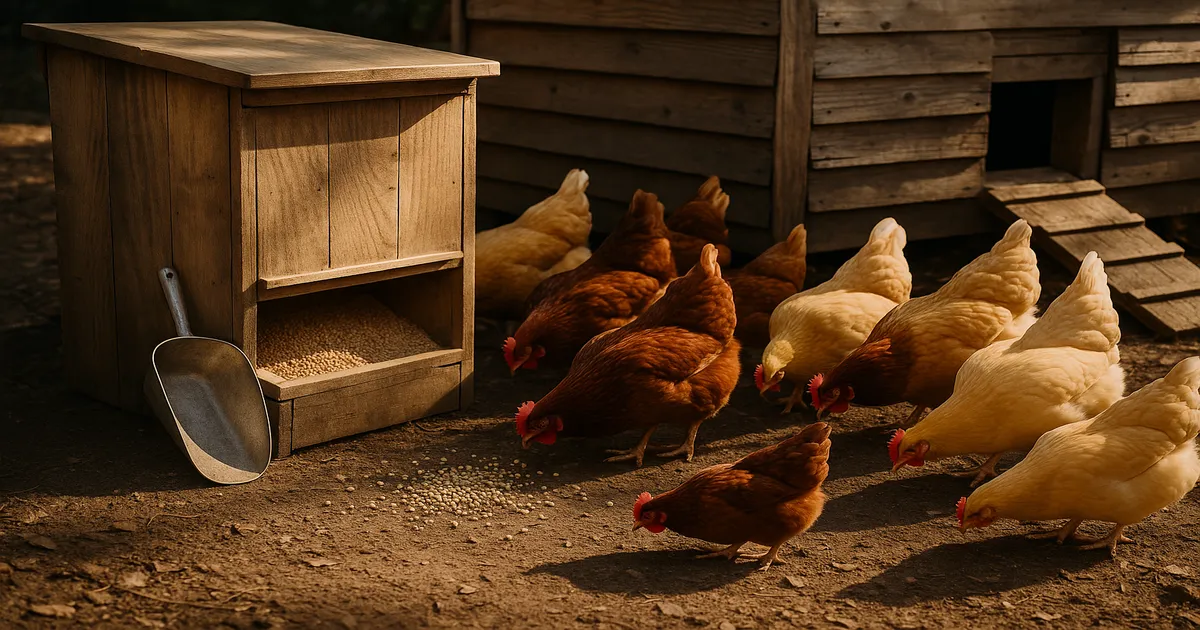
Quick Answer: You can buy chicken feed in the UK from agricultural merchants like Mole Valley Farmers and Countrywide, online poultry specialists like Flyte So Fancy and Allen & Page, pet superstores like Pets at Home, and local feed mills. The best option depends on your flock size, feed type, and whether you want the convenience of home delivery or the savings of buying in bulk.
Whether you’ve just brought home your first Buff Orpingtons or you’re running a small mixed flock of hybrids and bantams, knowing where to buy chicken feed in the UK — and what to actually buy — makes a real difference to your hens’ health and your wallet. This guide covers every purchasing channel, feed type, and practical tip you need.
Where to Buy Chicken Feed in the UK: Top Options at a Glance
- Agricultural merchants — Mole Valley Farmers, Countrywide, Dodson & Horrell; great prices on larger bags, knowledgeable staff
- Online poultry specialists — Flyte So Fancy, Allen & Page, Marriage’s; wide range including organic and specialist feeds
- Pet superstores — Pets at Home; convenient but limited range and higher cost per kg
- General online retailers — Amazon, eBay; useful for smaller quantities or hard-to-find brands
- Local feed mills and independent suppliers — often the cheapest option if you’re buying regularly in volume
What to Look for Before You Buy
Before you order anything, nail down a few basics: what life stage are your birds at, what protein percentage do they need, how many birds are you feeding, and what does your monthly budget look like? A bag labelled “poultry feed” isn’t always suitable for laying hens. Mixed corn — which you’ll see everywhere — is a treat, not a complete diet.
Types of Chicken Feed Available in the UK
Chick Crumb (Starter Feed): 0–8 Weeks
Chick crumb is a fine, high-protein feed (18–20%) designed for newly hatched chicks up to about eight weeks old. It comes in medicated and unmedicated versions. The medicated type contains amprolium, which helps prevent coccidiosis — worth considering if your chicks haven’t been vaccinated against it. Allen & Page and Marriage’s both produce well-regarded UK options; a bag of Allen & Page Chick Starter Crumb is a solid starting point for most backyard keepers.
Grower Pellets: 8–18 Weeks
Once chicks reach eight weeks, they need less protein. Grower pellets sit at around 15–16%, which supports steady development without pushing pullets into lay too early. It’s a stage worth not skipping — moving straight from chick crumb to layer pellets exposes young kidneys to excess calcium before they’re ready for it.
Layer Pellets and Layer Mash: Point of Lay Onwards
Layer pellets (15–17% protein, with added calcium) are the staple diet for hens from around 18–20 weeks, or point of lay, onwards. Layer mash is nutritionally identical but ground finer — some hens prefer the texture, and it works well fed wet as a warm mash on cold mornings. Both are widely available across all the channels covered below. Allen & Page Smallholder Range Free Range Layers Pellets and Marriage’s Layers Pellets are consistently well-reviewed by UK backyard keepers.
Mixed Corn: A Treat, Not a Complete Feed
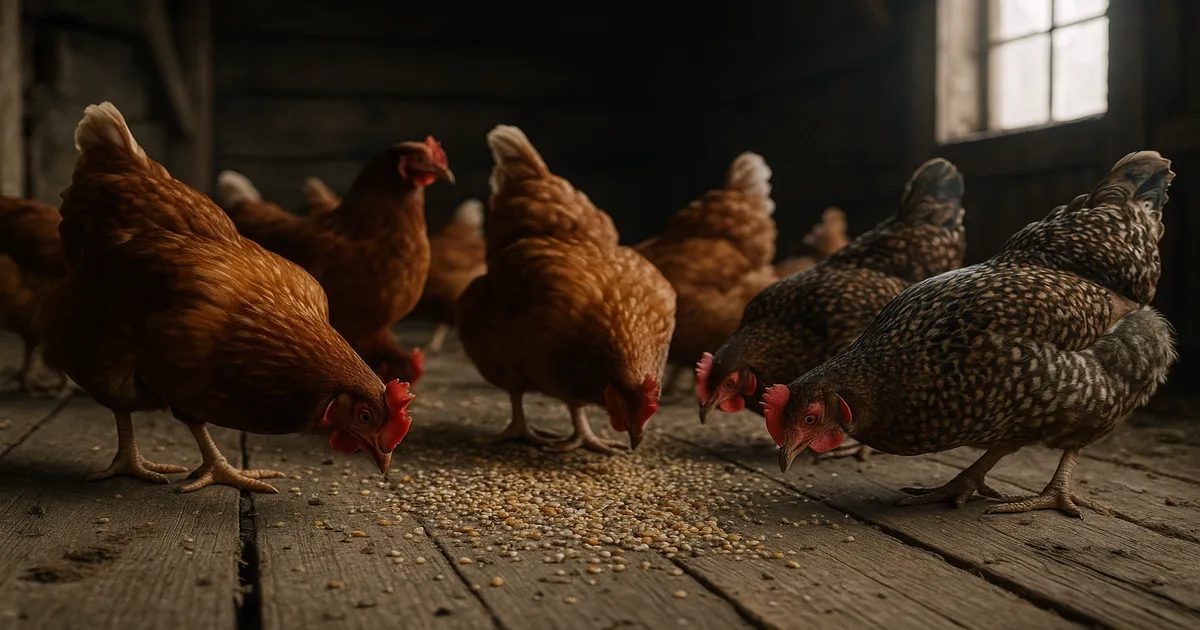
Mixed corn — typically wheat and maize — contains only 8–10% protein and is high in carbohydrates. It’s useful as an afternoon scatter treat, particularly in winter when the extra energy helps hens maintain body temperature overnight. But it should never make up more than 10% of the daily diet. Relying on corn as a main feed leads to overweight, poorly laying hens.
Organic and Non-GMO Options
Organic layer pellets are available from Allen & Page’s Organic range and from specialist retailers like Flyte So Fancy. Expect to pay a 5–15% premium over standard feed. If organic matters to you, check the certification on the bag — look for Soil Association or OF&G approval.
Fermented Feed: Worth the Effort?
Fermenting your existing feed — soaking pellets or mash in water for around three days at room temperature — can improve nutrient bioavailability and tends to reduce waste because the feed becomes more filling. It costs nothing extra and many keepers swear by it through winter. The main requirement is a little forward planning.
Buying Chicken Feed in the UK: All Your Options
Agricultural Merchants and Farm Shops
This is where most serious UK keepers buy their feed. Mole Valley Farmers and Countrywide both stock a wide range of poultry feeds, usually in 5kg, 10kg, and 20kg bags. Prices for a 20kg bag of layer pellets typically run £12–£18 depending on brand and quality. Many branches offer click-and-collect, loyalty card schemes, and staff who actually keep chickens themselves. Farm shops attached to working farms are another solid option — often selling locally milled feed at competitive prices.
Pet Superstores (Pets at Home and Similar)
Pets at Home stocks layer pellets, mixed corn, and some treats in smaller bag sizes, typically 2–5kg. It’s genuinely convenient if you’re already there for other pet supplies, but the cost per kilogram is noticeably higher than an agricultural merchant. Fine for a top-up, less ideal as your main supply source.
Online Poultry Specialists
Sites like Flyte So Fancy, Allen & Page’s direct shop, and Marriage’s online store offer excellent product ranges including organic feeds and specialist supplements you won’t find on the high street. Home delivery is usually available, and buying direct from brands means you’re getting fresh stock. Watch delivery costs on heavy bags — many suppliers offer free delivery over a certain order value.
General Online Retailers (Amazon, eBay)
Amazon carries several mainstream brands and is useful for smaller quantities or quick delivery via Prime. The range is patchier than a specialist site, and it’s worth checking the milling date before committing to a large order. eBay can surface local sellers offering collection, which cuts delivery costs on heavy bags.
Local Feed Mills and Independent Suppliers
If there’s a local feed mill near you, this is often the cheapest and freshest option of all. A quick search for “poultry feed mill near me” or a question in a local chicken keeping Facebook group will usually turn up suppliers you didn’t know existed. Mills like Marriage’s (Essex and East Anglia) also sell direct.
Buying in Bulk: Pros, Cons, and Storage Tips
A 20kg bag costs significantly less per kilogram than a 5kg bag — often 30–40% less. If you have more than four or five hens, buying in bulk makes straightforward financial sense. The catch is storage.
- Use airtight metal bins or heavy-duty plastic containers — rodents will chew through cardboard and thin plastic with ease
- Keep feed in a cool, dry, frost-free location — a shed or garage works well
- Use feed within three months of the milling date printed on the bag; older feed loses nutritional value and can go rancid
- Never store feed directly on a concrete floor — moisture wicks up; use a pallet or shelf instead
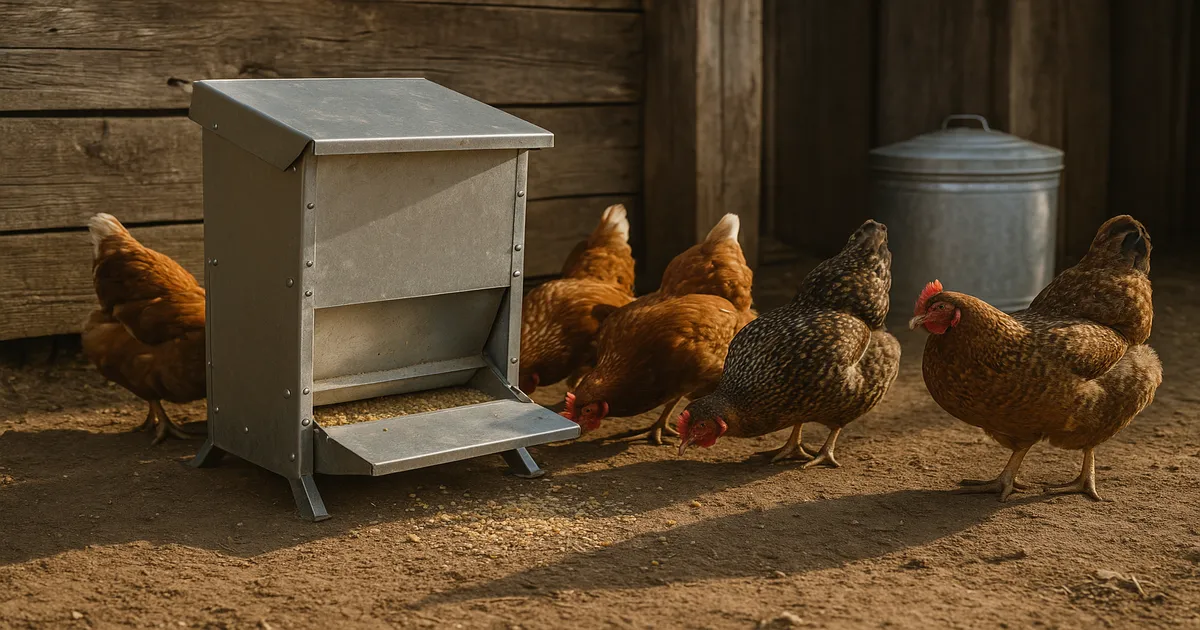
A galvanised metal feed bin is the most rodent-proof option and will last for years.
How Much Feed Do You Actually Need?
A standard laying hen eats roughly 110–170g of complete feed per day — around 140g is a useful working average. Bantams eat considerably less: 55–85g per day, which is roughly 30–40% less than large fowl. Here’s a simple worked example for a small flock:
- 6 standard hens × 140g = 840g per day
- 840g × 30 days = ~25kg per month
- At £14 for a 20kg bag, that’s roughly £17–£18 per month in feed costs
Annual feed costs for six standard hens run approximately £200–£220 at current UK prices, not including treats or supplements. Bantams roughly halve that figure. Also budget for a 10–20% increase in winter — hens eat more in cold weather to maintain body temperature, and restricting feed in cold snaps is a welfare issue.
Nutrition Tips for UK Chicken Keepers
Protein Needs Across Life Stages
| Life Stage | Protein % Required |
|---|---|
| Day-old to 8 weeks | 18–20% |
| 8–18 weeks (grower) | 15–16% |
| Laying hens | 15–17% |
| Moulting hens | 20–22% |
| Broilers/meat birds | 20–24% |
Calcium and Oyster Shell Grit
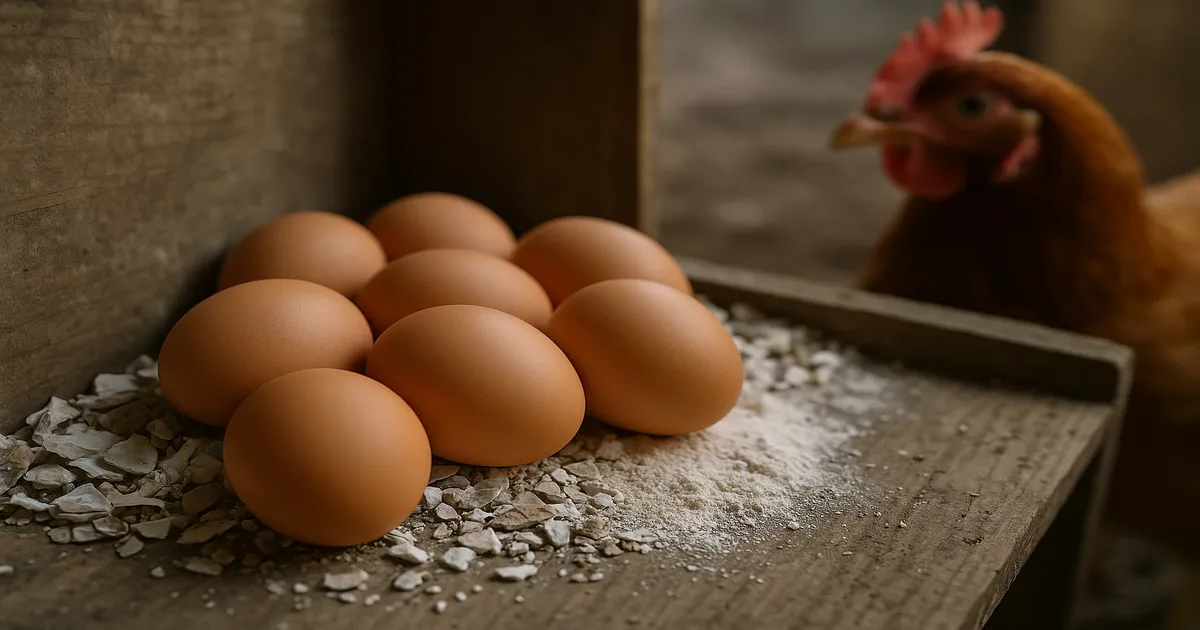
Each egg requires around 2g of calcium to form its shell. Layer feed contains 3.5–4% calcium, which covers most hens, but offering oyster shell grit free-choice in a separate container lets hens self-regulate their intake. This is preferable to mixing it into the feed, where some birds may get too much and others too little. Hens that are chronically calcium-deficient will pull it from their own bones, leading to fractures and long-term health problems. Marriage’s Oyster Shell Grit is widely available and inexpensive.
Insoluble Flint Grit: The Overlooked Essential
Hens don’t have teeth. They grind food in the gizzard, and they need insoluble flint grit to do it effectively. Free-ranging hens on natural ground often pick up enough themselves, but confined hens must have it provided. Offer it free-choice alongside their feed — it’s cheap, easy to forget, and genuinely essential.
The 10% Treat Rule and UK Scraps Law
Treats should make up no more than 10% of daily feed intake. Safe options include leafy greens, cucumber, berries, cooked plain rice, and dried mealworms. One thing that catches many new UK keepers off guard: under the Animal By-Products Regulations 2013, it is illegal to feed kitchen scraps to chickens if those scraps have passed through a domestic kitchen — even vegetable peelings. The rule exists to prevent disease transmission. Stick to fresh produce given directly, and you’re fine.
On mealworms: live insects require a licence to feed to poultry in the UK, but dried mealworms are widely sold and perfectly legal.
Foods That Are Toxic to Chickens
Avoid these entirely:
- Avocado (persin is toxic to birds)
- Onion (causes haemolytic anaemia in quantity)
- Raw or green potato (solanine)
- Chocolate (theobromine)
- Apple seeds (cyanogenic compounds)
- Salty or heavily processed foods
Breed and Seasonal Considerations
High-Production Hybrids vs Pure Breeds
Warrens, Black Rocks, and Bluebell hybrids laying 260–320 eggs per year have significantly higher nutritional demands than pure breeds like Buff Orpingtons or Marans, which typically produce 150–200 eggs per year. Feed quality matters more for hybrids — they’re working harder and need consistent protein and calcium to sustain it.
Feeding During the Moult
UK hens typically moult from late summer through autumn, stopping laying for 6–12 weeks while they regrow feathers. Feathers are roughly 85% protein, so this is the time to boost dietary protein to 20–22%. You can switch to a higher-protein feed or increase dried mealworms within the 10% treat allowance.
Winter Feeding and Frozen Drinkers
Egg production drops sharply in winter because hens need 14–16 hours of daylight to lay consistently — in December, the UK gets just 7–8 hours. Expect a significant reduction in eggs from October through February. That’s completely normal. Keep feeders topped up, scatter a small handful of mixed corn in the evening for warmth, and check drinkers every morning — they freeze overnight in cold snaps. A heated drinker base removes the daily ice-breaking chore and is worth the modest investment.
Frequently Asked Questions About Buying Chicken Feed in the UK
What is the best chicken feed to buy in the UK?
For laying hens, Allen & Page Smallholder Range Free Range Layers Pellets and Marriage’s Layers Pellets are consistently well-reviewed. Both offer 15–17% protein and good calcium levels. The best choice depends on your flock — hybrids in heavy production benefit from a premium pellet, while lower-production pure breeds do fine on a standard layer ration.
How much does chicken feed cost in the UK?
A 20kg bag of quality layer pellets typically costs £12–£18 at agricultural merchants or online. Organic feed runs 5–15% more. Buying in 20kg bags rather than 5kg bags can reduce your cost per kilogram by 30–40%, making bulk buying worthwhile for flocks of four or more birds.
Can I buy chicken feed at Pets at Home?
Yes. Pets at Home stocks layer pellets, mixed corn, and some poultry treats, usually in 2–5kg bags. It’s convenient for small quantities or a quick top-up, but the cost per kilogram is higher than agricultural merchants or online specialists. For regular feeding of more than a couple of hens, it’s worth finding a cheaper main supplier.
Is it cheaper to buy chicken feed in bulk in the UK?
Yes, significantly. A 20kg bag costs considerably less per kilogram than a 5kg bag — often 30–40% less. The main requirement is proper storage: an airtight metal or heavy-duty plastic bin in a cool, dry location. Use feed within three months of the milling date to ensure freshness and nutritional quality.
What chicken feed is suitable for laying hens in the UK?
Layer pellets or layer mash, with 15–17% protein and added calcium (3.5–4%), are the correct complete feed for hens from point of lay onwards. Brands widely available in the UK include Allen & Page, Marriage’s, and Dodson & Horrell. Avoid feeding mixed corn as a main diet — it contains only 8–10% protein and won’t sustain healthy laying.