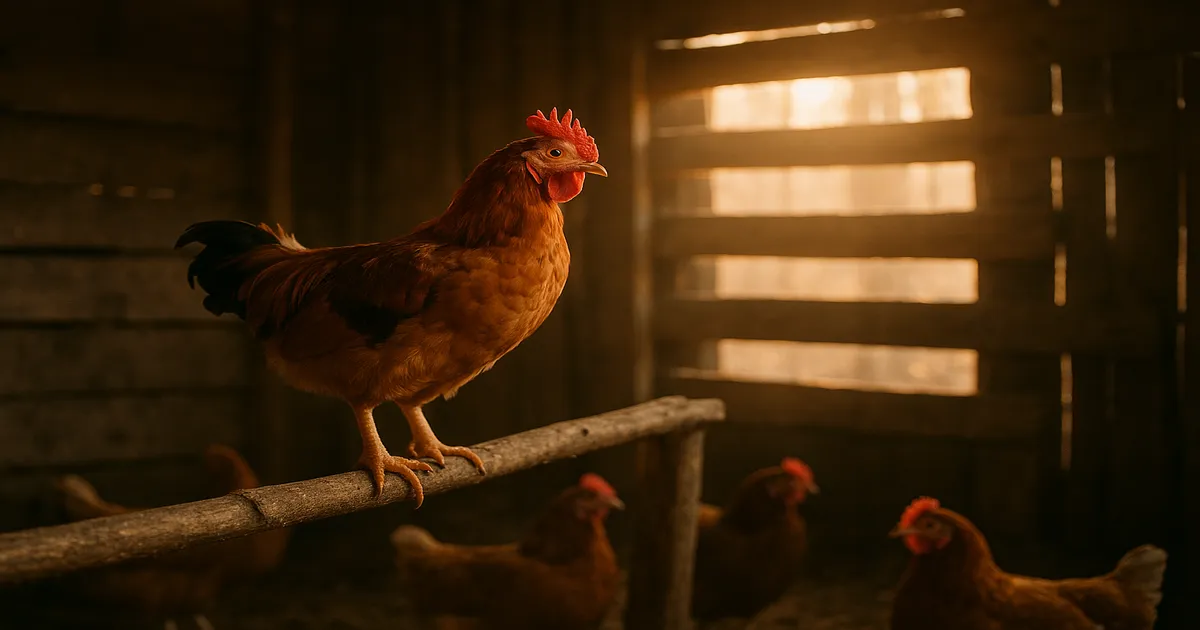
Quick Answer: Most cockerels attempt their first crow between 4–8 weeks of age — usually a cracked, comical squawk — with full, confident crowing developing by 12–20 weeks. Breed, social rank, and environment all influence timing, so a bird that hasn’t crowed yet isn’t necessarily a hen. If you’re asking “will this rooster ever crow?”, the honest answer is: probably yes, just give it time.
So you’ve got a chick that’s looking suspiciously rooster-like, or a young bird that everyone assures you is a cockerel — but the coop is still quiet. Whether you bought straight-run chicks, got a surprise in a batch of pullets, or are simply waiting to confirm a bird’s sex, wondering “will this rooster ever crow?” is one of the most common questions in backyard chicken keeping. The good news: silence is almost never a sign something is wrong. There are reliable timelines and physical clues to help you figure out what you’ve got.
How Old Does a Rooster Have to Be Before He Crows?
First Crow vs. Full Crow: What to Expect
There’s a big difference between a cockerel’s first attempt at crowing and the bold, full-throated crow of a mature rooster. That first attempt — usually between 4 and 8 weeks — sounds more like someone stepped on a squeaky toy. It’s short, cracked, and often ends abruptly.
Full, confident crowing typically develops between 12 and 20 weeks, once testosterone levels climb and the bird settles into flock life. In late-maturing breeds, you might wait until 24–32 weeks before hearing anything consistent.
Testosterone, Daylight, and Social Rank
Crowing is a hormonal behavior. As testosterone rises toward sexual maturity, the urge to crow kicks in — first tentatively, then with increasing confidence. Breeds that mature quickly, like Leghorns, hit that hormonal surge earlier. Slow-maturing breeds like Brahmas and Jersey Giants take much longer.
Light exposure matters too. Increasing daylight hours in spring stimulate hormonal activity, which is why chicks hatched in late winter or early spring sometimes crow earlier than fall-hatched birds of the same breed. If your suspected cockerel hatched in September, a quieter first few months is perfectly normal.
Here’s one that surprises a lot of keepers: a subordinate male in a flock with a dominant rooster may suppress his crowing entirely — sometimes for weeks, sometimes for months. He’s not broken. He’s reading the room. Separate him from the dominant bird for a week and you’ll often hear him crow within days.
Crowing Timelines by Breed
Early Crowers (5–10 Weeks): Leghorn, Old English Game, Rhode Island Red
- Leghorn — High-strung and very vocal; expect crowing attempts as early as 5–6 weeks. Not ideal for urban settings.
- Old English Game — One of the earliest and most frequent crowers, often starting at 6–8 weeks. Also one of the more aggressive roosters you’ll encounter.
- Rhode Island Red — Confident and assertive; crowing typically begins at 6–8 weeks and gets loud fast.
Average Crowers (12–20 Weeks): Australorp, Easter Egger
- Australorp — Calm and steady. Expect consistent crowing to develop around 12–16 weeks.
- Easter Egger — Variable. Crowing onset ranges widely from 8–20 weeks depending on the individual bird’s genetics and temperament.
Late Crowers (20–32 Weeks): Brahma, Cochin, Silkie, Jersey Giant
- Brahma — Slow to mature and slow to crow. Don’t expect anything consistent before 24 weeks.
- Cochin — Docile and fluffy; crowing is typically delayed until 20–28 weeks.
- Silkie — Notoriously difficult to sex even by appearance, and roosters often don’t crow until 5–6 months. Patience is genuinely required.
- Jersey Giant — The slowest-maturing common breed. Crowing may not begin until 28–32 weeks, making these birds the most commonly misidentified “hens” in a backyard flock.
Buff Orpington: The Slow-to-Crow Gentleman
The Buff Orpington rooster deserves a special mention because he’s so often mistaken for a hen well into adolescence. Docile, slow to mature, and in no hurry to announce himself, he typically starts crowing around 20–24 weeks. If you’ve got a calm, fluffy bird that everyone keeps insisting is a rooster and it’s only 12 weeks old, give it another month or two before drawing conclusions.
Is It a Rooster or a Hen? Physical Signs to Look For
Saddle and Hackle Feathers: The Most Reliable Visual Clues
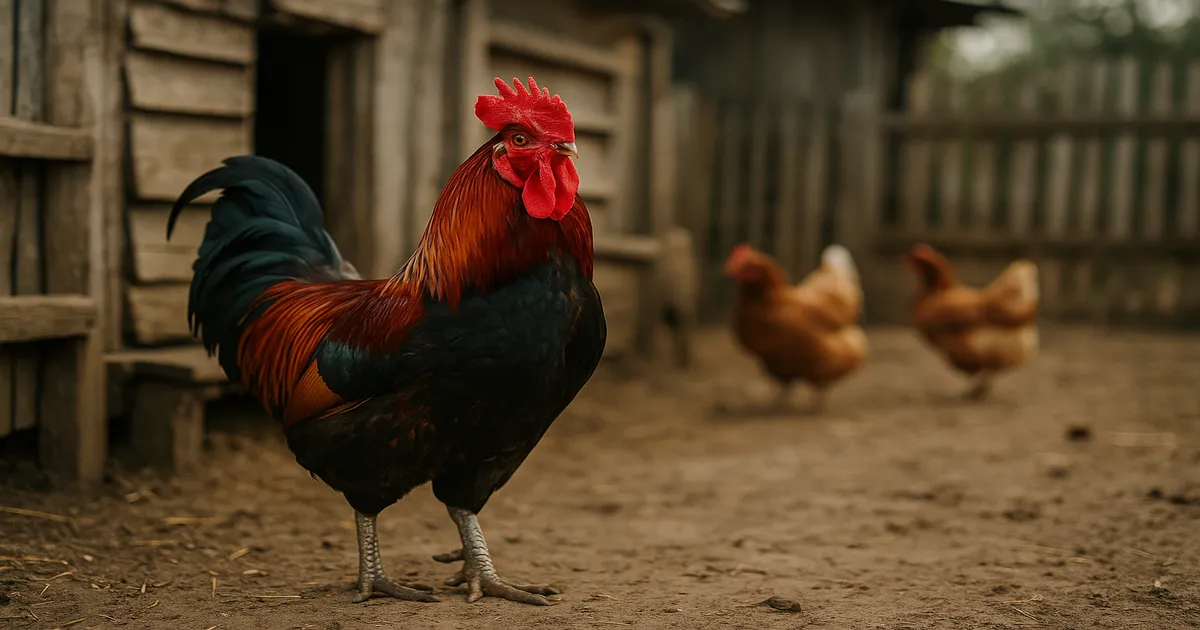
Saddle feathers — the long, pointed feathers that drape over a bird’s lower back just in front of the tail — are one of the clearest signs of a cockerel. They typically appear between 8 and 14 weeks. Hackle feathers around the neck are similarly pointed and often iridescent in roosters, while hens have rounded, softer hackle feathers. These two features together are your most reliable combination.
Sickle feathers — the long, curved feathers that arch over the tail — become visible in most breeds between 12 and 16 weeks and give roosters that classic dramatic silhouette. A hen’s tail is shorter, rounder, and far less showy.
Comb, Wattles, Legs, and Posture
In fast-feathering breeds, comb and wattle differences become noticeable as early as 6–8 weeks. A cockerel’s comb grows faster, turns redder, and develops more pronounced points earlier than a pullet’s. By 10–12 weeks, the difference is usually obvious in breeds like Rhode Island Reds and Leghorns — though in Silkies, even this clue is unreliable.
Roosters also develop noticeably thicker shanks and early spur buds by 8–10 weeks. Stand two birds of the same age side by side and you’ll often see the difference immediately. Cockerels carry themselves more upright — head held high, chest slightly forward — while pullets tend to have a more relaxed, horizontal posture.
One counterintuitive clue: in many breeds, males feather in slower than females, leaving bare patches on the back and wings longer. A scruffy-looking chick at 4–6 weeks while its flockmates look tidy may actually be your first hint you’ve got a cockerel.
No single feature is definitive. Use a combination of saddle feathers, hackle shape, comb development, and leg thickness for the clearest picture.
Will This Rooster Ever Crow? Common Reasons for Silence
He’s Not Old Enough Yet
This is the most common reason, and the easiest to overlook when you’re impatient. If your suspected rooster is under 16 weeks, silence is completely normal — especially in late-maturing breeds. Check the breed timeline above and reset your expectations.
Stress, New Surroundings, or Flock Changes
A rooster that has recently moved to a new flock, experienced a predator scare, or been relocated to a new coop may go quiet for days or even weeks. Stress suppresses crowing. Give him time to settle before worrying. A good-quality brooder setup during early rearing can reduce stress in young birds and support healthier development overall.
Health Issues That Can Silence a Rooster
Occasionally, silence does signal a health problem. Respiratory infections — Mycoplasma gallisepticum, Infectious Bronchitis, Newcastle Disease — can affect vocalization along with causing rattling breath, nasal discharge, and reduced activity. If your rooster shows any of these symptoms alongside silence, consult a vet. A healthy bird that’s simply quiet is rarely a medical concern; a quiet bird with other symptoms is worth investigating promptly.
Using Egg Laying to Confirm You Have a Rooster
Hens lay eggs with or without a rooster present — a rooster is only needed for fertilization. So if you’re waiting to see whether your mystery bird lays, that’s still a valid confirmation strategy, just not a quick one.
Laying Age by Breed
| Breed | Lay Age (Weeks) | Eggs/Week | Egg Color |
|---|---|---|---|
| Leghorn | 16–18 | 5–6 | White |
| Rhode Island Red | 18–20 | 5–6 | Brown |
| Australorp | 18–22 | 4–5 | Brown |
| Easter Egger | 20–24 | 3–4 | Blue/Green/Pink |
| Buff Orpington | 20–24 | 3–4 | Brown |
| Cochin | 24–28 | 2–3 | Brown |
| Jersey Giant | 24–28 | 3–4 | Brown |
| Silkie | 24–32 | 2–3 | Cream/Tinted |
| Brahma | 28–32 | 3–4 | Brown |
For most breeds, a bird that hasn’t laid by 32 weeks is almost certainly male — or, in rare cases, a hen with a reproductive issue. If you’ve been watching for physical signs and waiting on a crow, the absence of eggs by 32 weeks is about as definitive as it gets.
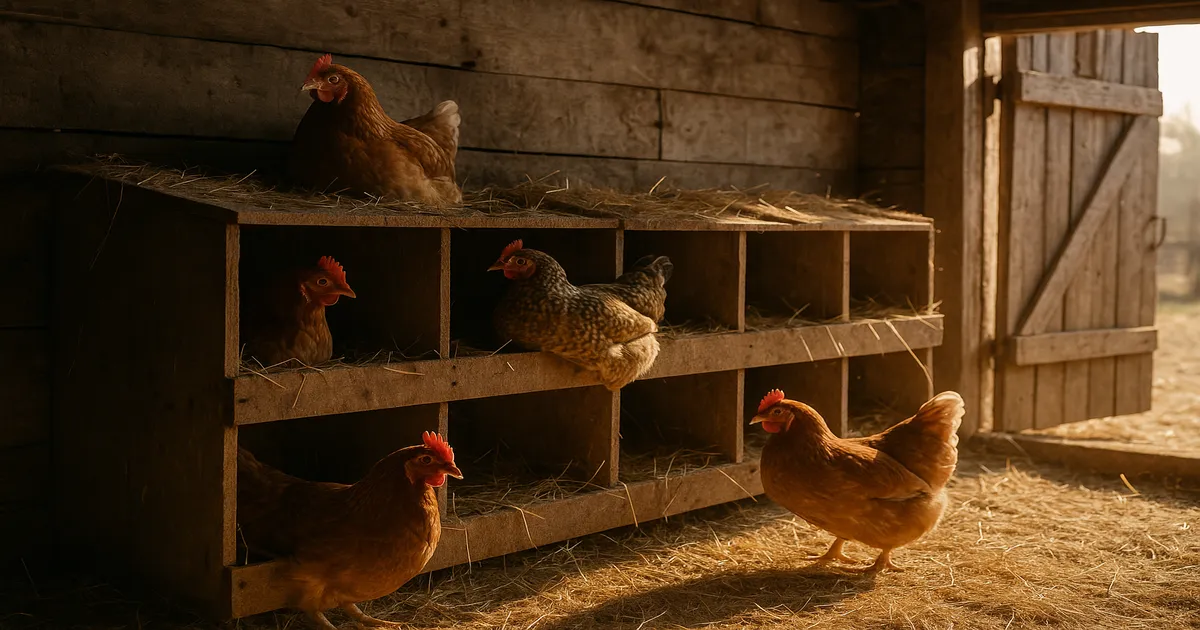
One important exception: broodiness. Silkies, Cochins, and Buff Orpingtons are all prone to going broody, which means a hen may stop laying for 3–8 weeks while she sits on a nest. A broody hen will be puffed up in the nesting box and reluctant to move. A rooster will never be found sitting in a nesting box — so if your mystery bird is in the box, it’s almost certainly female.
Managing a Rooster in Your Backyard Flock
Space, Feed, and Flock Ratios
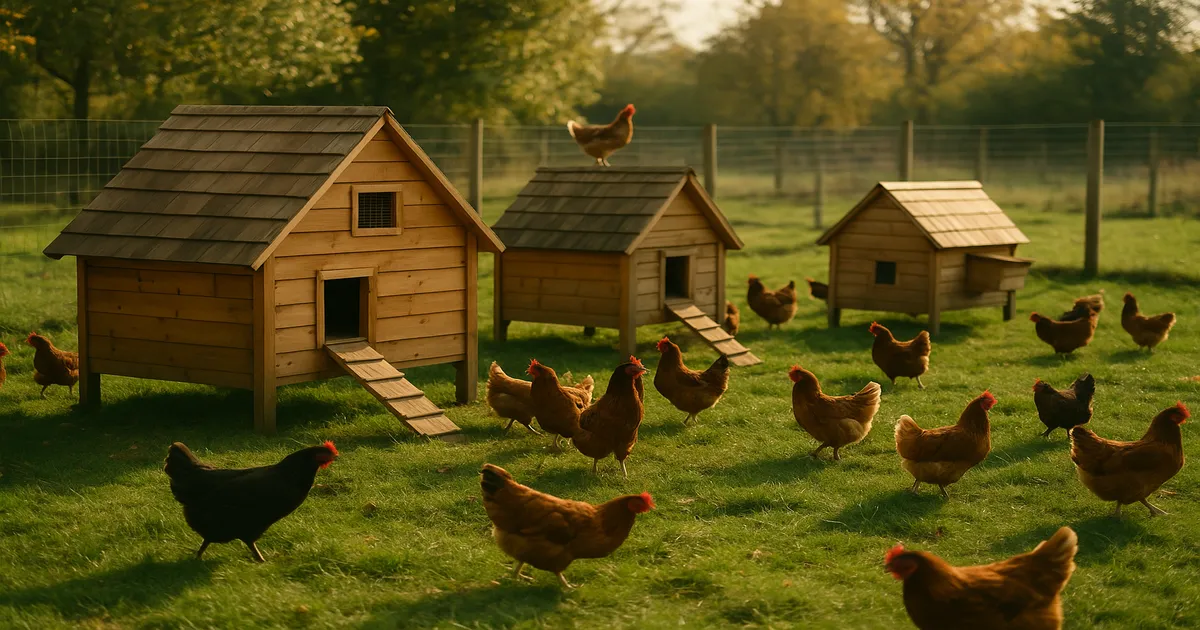
The standard recommendation is 4 sq ft per bird inside the coop and 10 sq ft per bird in the run. When you add a rooster, bump that up by 25–30%. His dominant behavior — herding, mating, and occasionally chasing — creates stress injuries in confined hens if space is tight. A well-designed walk-in coop (Omlet Eglu Cube Mk2) with adequate ventilation and separate roosting space makes a real difference to flock welfare.
Feeding is critical and often overlooked. Layer feed contains 3.5–4.5% calcium — the right amount for a laying hen, but far too much for a rooster. Fed long-term, that excess calcium causes kidney damage in males. If you keep a mixed flock, switch everyone to a grower or all-flock feed (typically 18–20% protein, ~1% calcium) and offer oyster shell free-choice in a separate dish. The hens will self-supplement; the rooster won’t touch it.
A single rooster can comfortably manage a flock of 8–12 hens. Fewer hens than that and over-mating stress on individual birds becomes a real welfare concern. Multiple roosters means you’ll need either a much larger flock, a separate bachelor pen, or a rehoming plan.
Noise Management for Urban and Suburban Keepers
Roosters crow at dawn, yes — but also at noon, 3 PM, and whenever the mood strikes. Practical options include keeping the coop dark until a reasonable hour to delay morning crowing, using a no-crow collar to reduce volume (results vary by bird), and building or buying a well-insulated coop to muffle sound. A dozen eggs delivered to the neighbors goes a long way toward maintaining goodwill too.
Check your local ordinances before committing to a rooster. Many urban and suburban areas ban them outright, and it’s much easier to rehome a cockerel at 12 weeks than at 6 months.
Frequently Asked Questions
At what age do roosters start crowing?
Most cockerels make their first crowing attempt between 4 and 8 weeks, though it’s often a weak, cracked sound rather than a true crow. Full, confident crowing typically develops between 12 and 20 weeks. Late-maturing breeds like Jersey Giants and Brahmas may not crow consistently until 28–32 weeks.
Why is my rooster not crowing yet?
The most common reasons are age (he’s simply not mature enough), low social rank in a flock with a dominant rooster, or stress from a recent move or predator event. Breed matters too — Silkies, Cochins, and Jersey Giants are notoriously late crowers. If the bird is otherwise healthy and active, silence is almost never a cause for concern.
How can I tell if a chick is a rooster before it crows?
Look for saddle feathers (pointed, draping over the lower back) appearing at 8–14 weeks, pointed and shiny hackle feathers, faster comb and wattle development compared to flockmates, thicker leg shanks, and early spur buds by 8–10 weeks. No single feature is definitive — use a combination of signs for the most reliable read.
Which breeds crow the latest?
Jersey Giants are the latest of the common breeds, often not crowing until 28–32 weeks. Silkies, Brahmas, and Cochins are close behind, typically starting between 20 and 28 weeks. If you have any of these breeds and your bird is under 6 months old and silent, that’s completely normal.
Can a rooster be permanently silent and never crow?
It’s extremely rare, but yes — some roosters crow very infrequently or at very low volume, particularly subordinate males in large flocks. A truly permanent, complete silence in an otherwise healthy rooster is uncommon. If a rooster that previously crowed suddenly goes silent, check for respiratory illness or a significant change in flock hierarchy first.