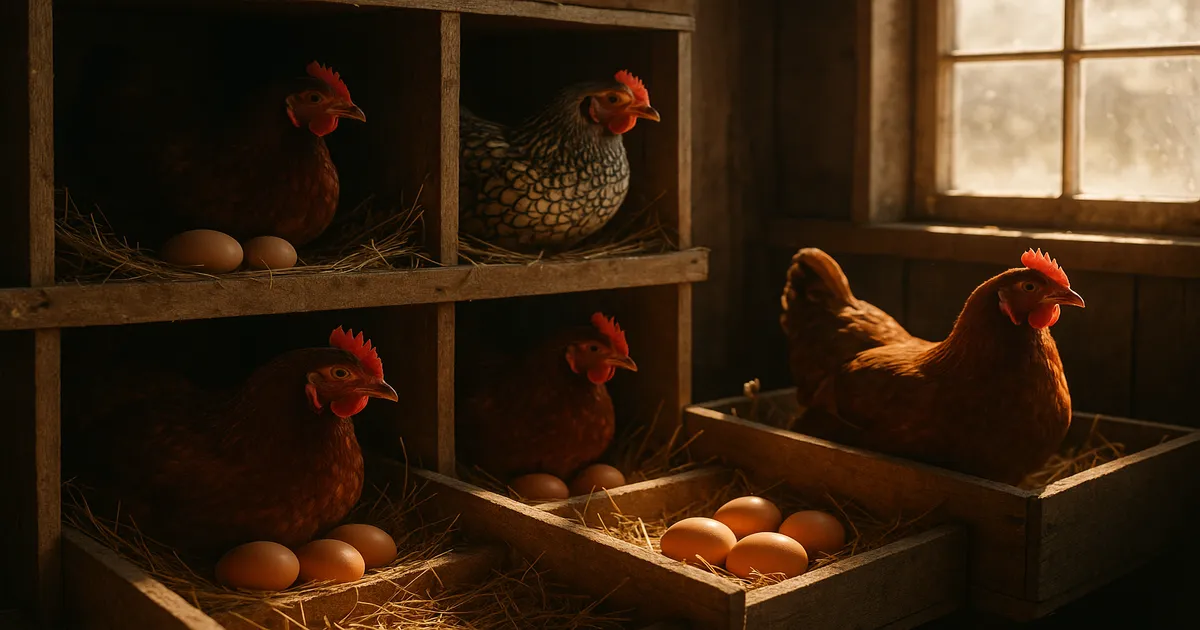
Quick Answer: The best egg-laying chickens for Washington State are Black Sex-Links, Buff Orpingtons, Barred Plymouth Rocks, Silver-Laced Wyandottes, and Rhode Island Reds. Western Washington’s wet, mild winters favor dense-feathered, moisture-tolerant breeds like the Buff Orpington and Barred Rock. Eastern Washington’s hard freezes make rose-comb and pea-comb breeds like the Wyandotte and Easter Egger the smarter call.
Choosing the best chickens for eggs in Washington State means thinking beyond egg counts. Washington’s split personality — soggy and mild west of the Cascades, cold and dry to the east — means the wrong breed can mean frostbitten combs, mud-soaked feathers, and hens that quit laying just when you need eggs most. Get the breed right for your corner of the state, and you’ll be collecting eggs year-round.
Best Chickens for Eggs in Washington State: Top Picks at a Glance
| Breed | Eggs/Year | Egg Color | WA Suitability |
|---|---|---|---|
| Black Sex-Link | 250–300 | Brown | Excellent |
| Rhode Island Red | 250–300 | Brown | Excellent |
| Barred Plymouth Rock | 200–280 | Brown | Excellent |
| Buff Orpington | 150–200 | Light Brown | Excellent (West WA) |
| Silver-Laced Wyandotte | 150–200 | Light Brown | Outstanding (East WA) |
| Australorp | 200–280 | Light Brown | Very Good |
| Easter Egger | 150–200 | Blue/Green/Olive | Excellent |
| White Leghorn | 280–320 | White | Good (West WA only) |
Western WA vs. Eastern WA: Why Breed Choice Matters
The Cascades split Washington into two very different chicken-keeping environments. West of the mountains — the Puget Sound region, the Olympic Peninsula, and the coast — winters are persistently wet and mild, rarely dropping below 20°F (-7°C). The bigger challenge here isn’t cold; it’s mud, moisture, and respiratory disease from damp coops.
East of the Cascades, the calculus flips. The Okanogan Highlands, Spokane area, and the Columbia Basin can see -10 to -20°F (-23 to -29°C) in hard winters. Frostbite on large single combs becomes a real risk, and your breed choices need to reflect that.
Washington State’s Climate Challenges for Chickens
Western Washington: Persistent Rain and Mild Winters
The Puget Sound region averages 37–55 inches of rain annually, arriving mostly as relentless drizzle rather than dramatic storms. Chickens confined to soggy runs develop muddy, bacteria-laden conditions that stress their immune systems and suppress laying. Dense-feathered breeds that shed water well — combined with covered runs and excellent coop ventilation — are non-negotiable here.
Eastern Washington: Hard Freezes and Temperature Swings
East of the Cascades, temperatures swing hard. Summers regularly hit 100°F (38°C), while winters can plunge to -15°F (-26°C) in the coldest inland valleys. A large single comb — common on Rhode Island Reds, Leghorns, and Barred Rocks — can frostbite overnight in those conditions. Rose combs and pea combs are your friends in eastern Washington.
Daylight Hours and Winter Laying
Seattle sees only about 8.5 hours of daylight in late December. Hens need roughly 14–16 hours of light to maintain consistent laying, so without supplemental lighting, expect a significant production drop from November through February — sometimes 30–50% across your flock. Managing light is one of the most important tools Washington keepers have.
Best Egg-Laying Breeds for Washington State: Full Breakdown
Black Sex-Link and Golden Sex-Link: Best for Maximum Egg Output
If consistent brown eggs are your primary goal, hybrid sex-links are hard to beat. Black Sex-Links (a Rhode Island Red × Barred Plymouth Rock cross) and Golden Sex-Links (sold as Golden Comets, Red Stars, and Cinnamon Queens) both average 250–300 eggs per year and start laying at just 16–18 weeks. They’re calm, beginner-friendly, and handle Washington’s wet conditions without complaint.
The trade-off is lifespan. Production hybrids peak hard in years one and two, then decline sharply. Plan to refresh your flock every 2–3 years if you want to maintain consistent output.
Rhode Island Red: The Reliable All-Rounder
Few breeds match the Rhode Island Red’s track record — 250–300 eggs per year from production strains, large to extra-large brown eggs, and a robust constitution that handles a rainy Pacific Northwest morning without missing a beat. They’re active, confident birds, and can be assertive in mixed flocks, so pair them thoughtfully with calmer breeds.
One caution for eastern Washington keepers: the Rhode Island Red’s single comb is susceptible to frostbite in hard freezes. Apply a thin layer of plain petroleum jelly to combs on especially cold nights, or choose a rose-comb alternative for the coldest microclimates.
Barred Plymouth Rock: Hardy New England Workhorse
The Barred Plymouth Rock was built for cold, wet New England winters — a climate that maps well onto Washington’s. Expect 200–280 brown eggs per year, a calm temperament that tolerates confinement well, and a breed equally happy free-ranging your backyard or staying in a managed run during a week of November rain. They’re a solid all-around choice for both sides of the Cascades, though eastern Washington keepers should monitor single combs during deep cold snaps.
Buff Orpington: Best for Beginners and Wet Western WA
Buff Orpingtons were developed in Kent, England — a climate so similar to western Washington that the match almost feels deliberate. Their dense, fluffy plumage sheds rain and insulates against damp cold beautifully. They’re famously gentle, great with children, and genuinely seem to enjoy human company. If you’re new to chickens and live west of the Cascades, start here.
The honest downside is production. At 150–200 eggs per year and a tendency toward broodiness, Buff Orpingtons won’t fill your egg cartons as fast as a sex-link. For a family that wants a pleasant backyard experience and a steady egg supply, combine two or three Orpingtons with a couple of Black Sex-Links.
Australorp: Gentle Temperament, Impressive Output
The Australorp holds the world record for egg production — 364 eggs in 365 days, set in Australian trials in the 1920s. Your backyard hens won’t hit that mark, but 200–280 eggs per year is realistic. The breed pairs that output with one of the gentlest temperaments in the chicken world, and their glossy black plumage with green iridescent sheen is genuinely beautiful.
Australorps handle cold and damp well, making them a strong fit for both sides of the state. Like Barred Rocks and Rhode Island Reds, their single combs warrant monitoring during eastern Washington’s coldest months.
Silver-Laced Wyandotte: Best Chickens for Eggs in Eastern Washington
If you’re keeping chickens in Spokane, the Okanogan, or anywhere east of the Cascades that sees serious winter cold, the Silver-Laced Wyandotte deserves a top spot in your flock. The key feature is the rose comb — a flat, low-profile comb that sits tight to the head and is essentially frostbite-proof. Combined with dense feathering and a heavy body, Wyandottes are genuinely built for cold.
Production is moderate at 150–200 light brown eggs per year, and they can be assertive in the pecking order. But for reliable winter laying without frostbite worries, they’re the eastern Washington keeper’s best friend. Golden-Laced Wyandottes offer the same cold-hardiness with a different color pattern.
Easter Egger and Ameraucana: Colorful Eggs, Frost-Resistant Combs
Easter Eggers aren’t a true breed — they’re mixed-heritage birds carrying the blue-egg gene from Araucana or Ameraucana ancestry. What they lack in pedigree they make up for in charm: blue, green, olive, and occasionally pink eggs, friendly personalities, and pea combs that resist frostbite nearly as well as rose combs. They’re wildly popular in urban western Washington flocks, and for good reason.
True Ameraucanas are harder to source (many hatchery “Ameraucanas” are actually Easter Eggers), but both offer the same pea-comb cold-hardiness advantage for eastern Washington. Expect 150–200 eggs per year and a bird that starts laying at 20–24 weeks.
White Leghorn: Highest Egg Count, Needs Experienced Management
No breed touches the White Leghorn for sheer egg output — 280–320 white eggs per year, starting as early as 16–18 weeks. They’re efficient, lightweight, and relentless layers. But they’re also flighty, independent, and not particularly interested in being handled. Their large single combs are a genuine frostbite liability in eastern Washington winters.
For western Washington keepers who prioritize maximum production and don’t mind a more hands-off bird, Leghorns are worth considering. For beginners or eastern WA flocks, the management demands usually outweigh the egg count advantage.
Sussex and Delaware: Heritage Options Worth Seeking Out
Both the Speckled Sussex and the Delaware are underappreciated. The Sussex was developed in southern England — another climate that mirrors western Washington — and is one of the friendliest, most curious breeds you can keep. Delawares are calm, cold-hardy, and lay a solid 180–220 brown eggs per year. Neither is as easy to find as a Black Sex-Link, but Washington-based hatcheries and local breeders do carry them. If you want heritage breed character with respectable egg production, they’re worth the extra sourcing effort.
Egg Production: What Washington Keepers Should Expect
When Will Your Pullets Start Laying?
- Production hybrids (Sex-Links, Production Rhode Island Reds, Leghorns): 16–18 weeks
- Medium dual-purpose breeds (Barred Rock, Australorp, Delaware, Sussex): 18–22 weeks
- Heavy/heritage breeds (Buff Orpington, Wyandotte, Heritage Rhode Island Red): 22–28 weeks
- Easter Egger/Ameraucana: 20–24 weeks
Winter Laying Slumps: November Through February
With only 8.5 hours of daylight in December, most unlit flocks will slow dramatically or stop laying entirely. Production hybrids hold up better than heritage breeds in winter, but even they’ll drop without supplemental light. A simple LED bulb on a timer — set to extend morning light before sunrise — is the most effective fix. Add light gradually in fall rather than switching it on all at once, and always extend morning hours rather than evening hours to avoid abruptly cutting light and stressing your birds.
Broodiness: Which Breeds Will Stop Laying to Raise Chicks
A broody hen stops laying for 3–8 weeks — 21 days of incubation plus time spent mothering chicks. For maximum egg production, lean toward low-broody breeds:
- Rarely broody: Black Sex-Link, Golden Sex-Link, Production Rhode Island Red, White Leghorn, Australorp
- Moderately broody: Barred Plymouth Rock, Heritage Rhode Island Red, Delaware
- Frequently broody: Buff Orpington, Sussex, Wyandotte
Productive Lifespan and Flock Rotation
Production hybrids peak in years one and two, then decline sharply — most keepers replace them at 2–3 years. Heritage and dual-purpose breeds decline more gradually and can lay productively for 3–5 years, with some hens continuing sporadically beyond that. Factor in the annual fall molt (typically September–November in Washington), which halts laying for 6–12 weeks regardless of breed.
Coop Setup for Washington’s Wet Climate
Space Requirements
The minimum is 4 sq ft per bird inside and 10 sq ft per bird in the run — but in Washington, push those numbers higher. Rainy weather keeps birds confined far more than in drier climates, and crowding accelerates respiratory disease and stress-related laying drops. Aim for 6–8 sq ft per bird indoors and 16–20 sq ft per bird in the run. For heavy breeds like Buff Orpingtons and Wyandottes, add another 20%.
Ventilation: The Most Critical Factor in a Pacific Northwest Coop
In Washington, moisture kills chickens more reliably than cold does. A sealed, stuffy coop builds up ammonia and humidity that causes respiratory infections — and, counterintuitively, frostbite, because wet feathers lose their insulating value. Aim for 1.5–2 sq ft of ventilation per 10 sq ft of floor space, positioned high on the walls near the roofline so air circulates above roosting birds without creating drafts at their level. Cover all vents with hardware cloth. If you can smell ammonia when you walk in, ventilation is insufficient.
Roost Bar Design
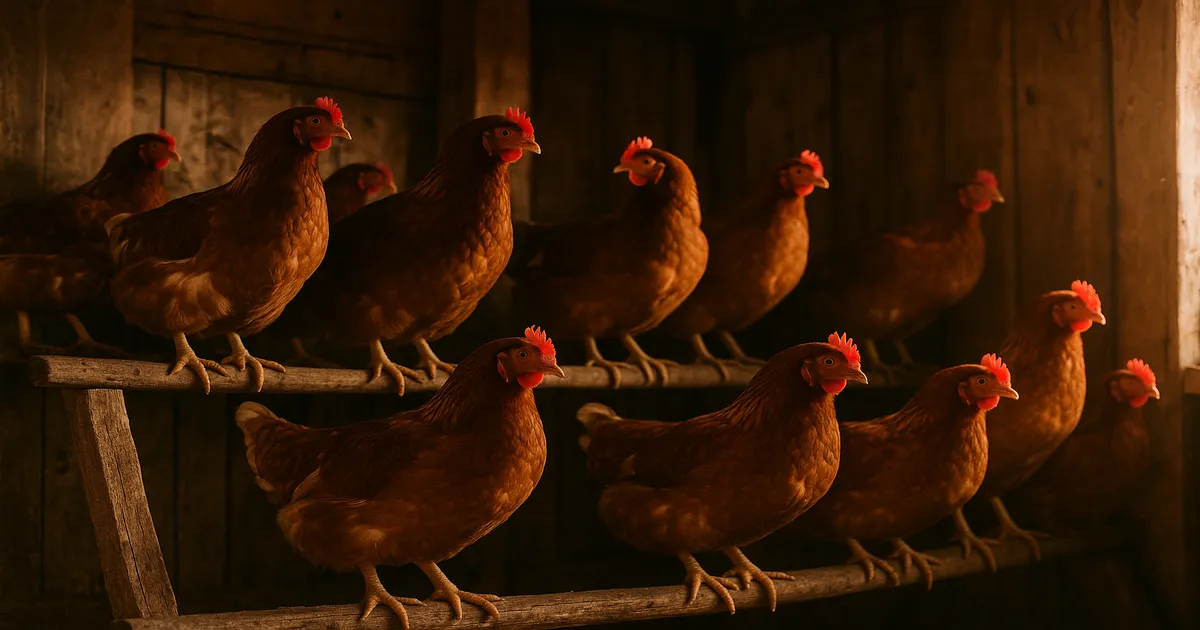
Use 2–4 inch diameter roost bars with a flat or slightly rounded profile — chickens grip with their whole foot, not their toes. Allow 10 inches of roost space per bird, position bars 18–36 inches off the floor (keep heavy breeds toward the lower end to prevent leg injuries on dismount), and place them at least 12 inches from the wall so tails clear the surface.
Nesting Boxes and Bedding
One nesting box per 3–4 hens is the standard ratio. Use boxes at least 12×12 inches — or 14×14 inches for heavy breeds — positioned 18–24 inches off the floor and below the roost bars. Keep 3–4 inches of pine shavings in each box and refresh weekly. In Washington’s wet seasons, a raised lip on the box front prevents damp bedding from being kicked in from outside.
Insulation and Flooring
West of the Cascades, insulation is helpful but not critical — moisture management and draft prevention are the bigger priorities. East of the Cascades, insulate properly: R-11 to R-15 in walls and ceiling will keep your coop livable during -10°F (-23°C) nights. On both sides of the mountains, raise the coop floor at least 12 inches off the ground to prevent moisture from wicking up.
For flooring, the deep litter method — building up 4–6 inches of pine shavings on the coop floor and refreshing the top layer regularly — manages moisture, generates a small amount of composting heat, and keeps bedding drier than bare floors. In the run, lay 4–6 inches of wood chips or gravel and cover at least half the run with a roof or tarp. Mud is the enemy of healthy feet and healthy respiratory systems.
Seasonal Flock Management in Washington State
Managing Mud and Moisture in the Rainy Season
Cover your run. This is the single highest-impact improvement you can make for a western Washington flock. A permanent roof or a heavy-duty tarp over at least half the run keeps the ground workable and gives birds a dry space to dust bathe even in January. Refresh wood chips regularly and keep a dry dust bath box filled with sand and wood ash inside the coop during the rainiest months.
Summer Heat Management for Eastern Washington Flocks
Eastern Washington heat waves regularly push past 100°F (38°C), which can temporarily shut down laying and, in extreme cases, kill birds. Provide deep shade, refill waterers with cool water twice daily, and add electrolytes to drinking water during heat events. (Harris Farms 5-Gallon Plastic Poultry Waterer) Freeze treats like watermelon or berries to help birds cool down. Good coop ventilation is equally critical in summer — the same airflow that prevents winter moisture buildup prevents summer heat buildup.
Fall Molt: What to Expect
From September through November, most hens drop their feathers and grow a new coat. Laying stops or slows dramatically — it’s normal and unavoidable. Support your flock through the molt by temporarily switching to a higher-protein feed (18–20% protein) to fuel feather regrowth. Avoid handling molting birds more than necessary, as new pin feathers are sensitive. Production typically resumes 6–12 weeks after the molt begins.
Spring Flock Refresh
March through May is Washington’s egg bonanza. Lengthening days, mild temperatures, and fresh forage push most hens to peak production. This is the time to assess your flock, cull non-layers, and introduce new pullets so they’re laying by fall. Order chicks in February or March for a spring arrival — that gives them time to mature before the following winter. An automatic coop door is a worthwhile investment at any time of year, but especially when spring mornings arrive earlier each day.
Building Your Washington State Flock: Practical Tips
How Many Chickens Do You Need?
A simple formula: if you want a dozen eggs per week year-round in Washington, account for winter slowdowns and the annual molt. With a mixed flock of moderate and high-production breeds, plan on 6–8 hens to reliably hit that target through the dark months. A flock of 4 hens will get you close in spring and summer but will likely fall short in December and January without supplemental lighting.
Predator-Proofing Your Setup
Washington’s predator list is long: raccoons, opossums, red-tailed hawks, great horned owls, coyotes, bobcats, and bears in rural areas. Hardware cloth (not chicken wire) on all openings, a secure latch on every door, and a covered run are baseline requirements — not optional extras. Bury hardware cloth aprons at least 12 inches outward from the run perimeter to deter digging predators.
Where to Source Breeds in Washington State
Several Washington-based hatcheries and feed stores carry the breeds listed here. Coastal Mountain Farms, Scratch and Peck Feeds (based in Bellingham), and local farm supply chains like Coastal Farm & Ranch typically stock chicks in spring. For heritage breeds like Sussex and Delaware, check the Washington State University Extension’s local farm directories or breed-specific Facebook groups for small breeders.
Frequently Asked Questions
What is the best egg-laying chicken for Washington State overall? For most Washington keepers, the Black Sex-Link is the top all-around choice — 250–300 brown eggs per year, calm temperament, beginner-friendly, and tolerant of both wet western conditions and moderate eastern cold. Pair them with Silver-Laced Wyandottes if you’re east of the Cascades and need guaranteed frostbite resistance.
Do I need to heat my chicken coop in Washington? West of the Cascades, almost never — a well-ventilated, dry coop with adequate bedding is sufficient through most winters. East of the Cascades, supplemental heat may be warranted during extreme cold snaps below -10°F (-23°C), but choose cold-hardy breeds with rose or pea combs first. Heating a poorly ventilated coop can actually increase moisture and disease risk.
How do I keep my hens laying through Washington’s dark winters? Add supplemental light to bring total daily light exposure to 14–16 hours. Use a timer to extend morning hours before sunrise rather than evening hours. Start gradually in October — don’t switch the light on suddenly in November. Production hybrids and Australorps hold up better than heritage breeds through the dark months even with lighting.
Can I keep chickens in Seattle or other urban areas of Washington? Yes. Seattle, Tacoma, Bellevue, and most Washington cities allow backyard hens (typically 3–8 birds, no roosters). Check your specific municipality’s code, as flock size limits and setback requirements vary. Buff Orpingtons, Easter Eggers, and Barred Rocks are popular urban choices for their calm temperaments and manageable size.
What should I feed my laying hens in Washington? Feed a complete layer feed with 16–18% protein and at least 3.5–4% calcium. Offer crushed oyster shell free-choice on the side so hens can self-regulate calcium intake — this is especially important for heavy layers. During the fall molt, switch to an 18–20% protein feed temporarily to support feather regrowth, then return to layer feed once laying resumes.