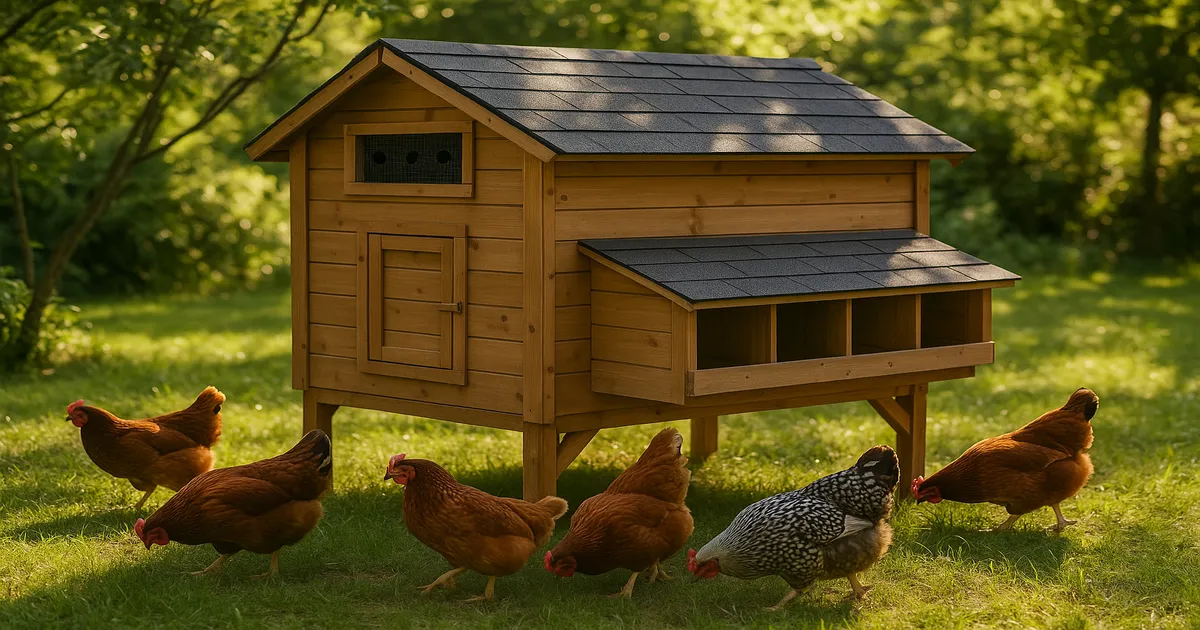
Quick Answer: Costco periodically stocks prefab wooden chicken coops in the $300–$800 range, usually as seasonal items in spring and summer. They offer solid value for beginners, but the bird-capacity claims on the packaging are almost always overstated by 2x — plan on housing 3–4 standard hens in a coop marketed for 6–8. Add an external run, upgrade the hardware, and you’ve got a workable setup.
If you’ve spotted a chicken coop at Costco — online or in the seasonal aisle — you’re probably wondering whether it’s actually worth buying. The short answer is: sometimes yes, with the right expectations. This guide covers everything you need to know, from what Costco actually sells to which breeds thrive in a smaller prefab coop and how to keep your flock healthy once they’re settled in.
Is a Chicken Coop from Costco Worth Buying?
What Costco Sells in the Chicken Coop Category
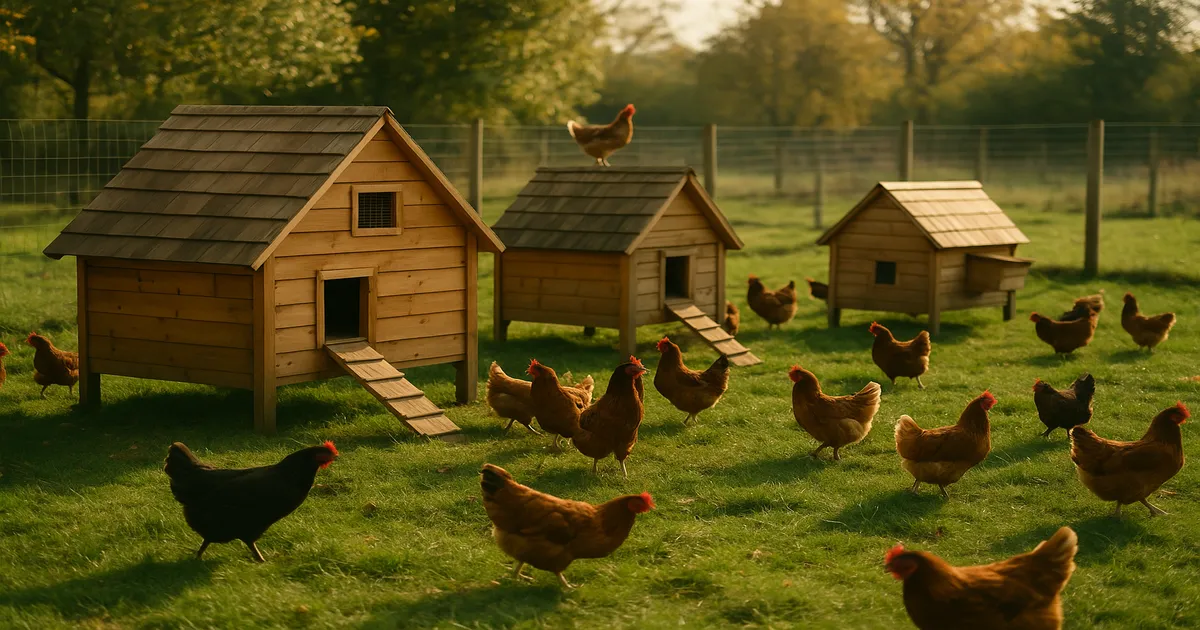
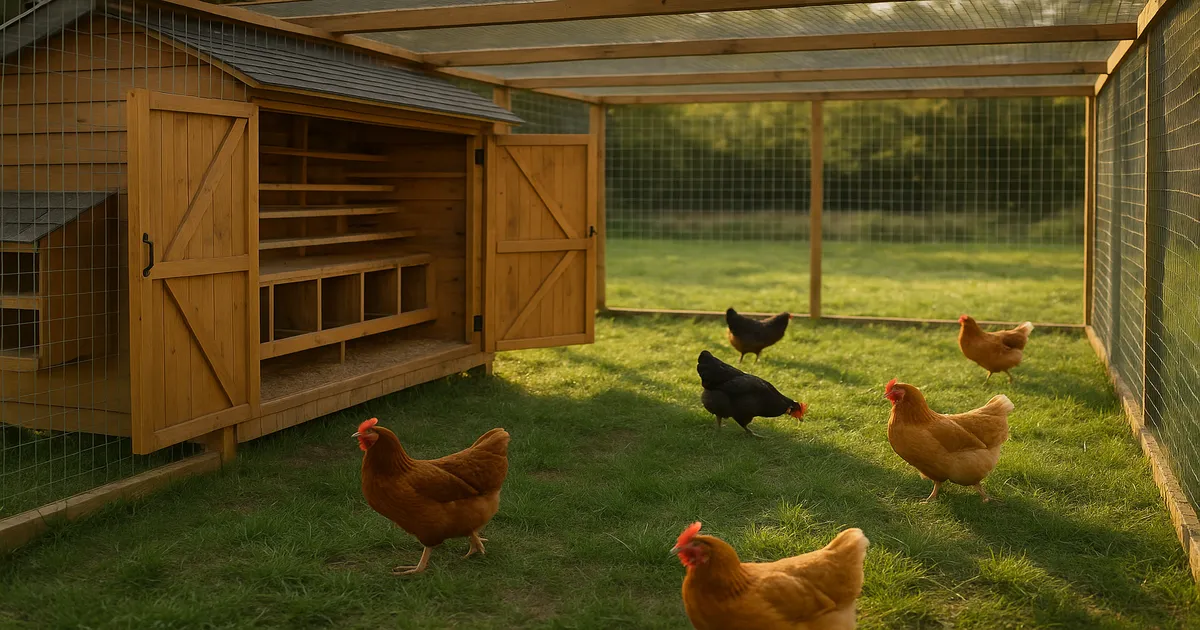
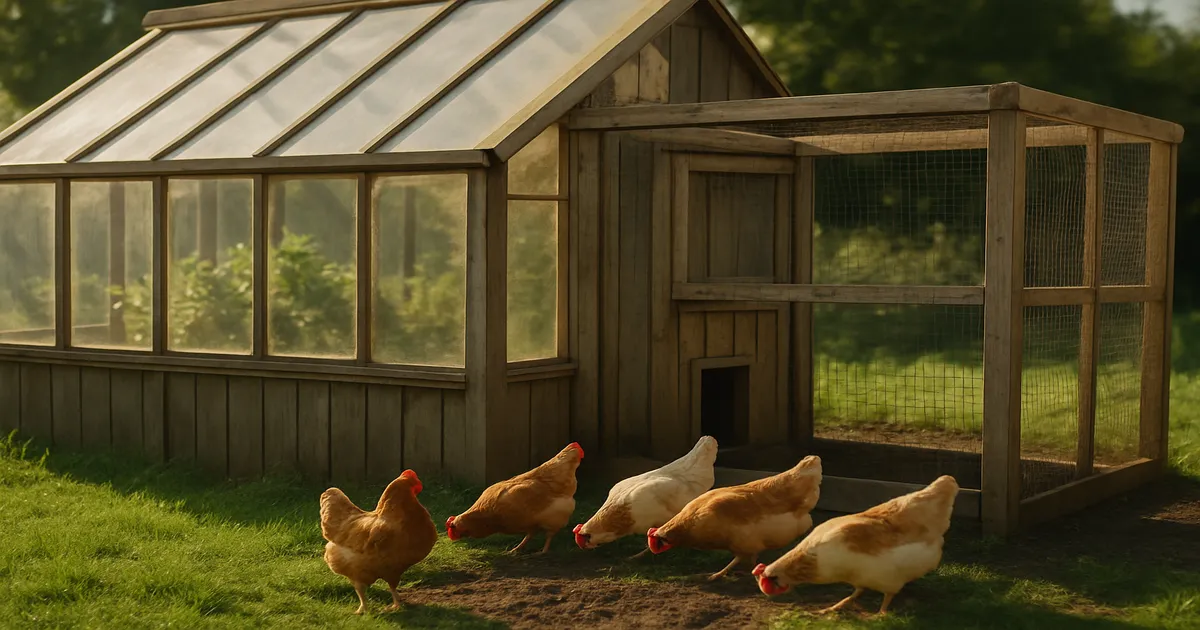
Costco carries third-party prefab wooden coops, typically priced between $300 and $800. These aren’t Costco-branded products — they’re sourced from manufacturers like Trixie, PawHut, or similar suppliers, and they appear in the warehouse and online during spring and early summer. Most include nesting boxes, roosting bars, a ramp, ventilation windows, and a small attached run.
Online availability tends to be more consistent than in-store, but stock disappears quickly. If you see one and you’re ready to buy, don’t wait.
Who This Purchase Makes Sense For
A Costco coop is a good fit if you’re a first-time keeper planning a small flock of 3–4 standard hens, want a ready-to-assemble option without building from scratch, and are willing to add an external run and a few hardware upgrades. It’s not the right call if you’re planning 6+ birds and expect the attached run to be sufficient — it won’t be.
Chicken Coop Costco Options: Features, Pricing, and Availability
Typical Features and Price Range
At the $300–$500 price point, expect a compact coop with 2–3 nesting boxes, a single roosting bar, a wire-covered run, and basic ventilation windows. Spend closer to $700–$800 and you’ll typically get a larger footprint, better wood quality, and more usable interior space.
Assembly is usually required and takes 2–4 hours. Hardware quality varies — more on that in the predator-proofing section below.
Seasonal vs. Year-Round Availability
In-store availability peaks from February through June, then disappears until the following year. Costco.com sometimes lists coops year-round, but selection is limited. If you’re buying in fall or winter, you may need to look elsewhere.
How Costco Coops Compare to Tractor Supply and Amazon
Costco often wins on price-per-feature — you tend to get more coop for your dollar than at Tractor Supply, where similar structures can run $50–$150 more. Amazon has a wider year-round selection, but quality control is inconsistent and returns on large items are more complicated.
The real trade-off with Costco is customer support. If something is wrong with your coop, you’re dealing with the third-party manufacturer, not Costco’s famously easy return desk. Large outdoor structures are often excluded from their standard return policy — verify before you buy.
The Most Important Thing Costco Won’t Tell You: Capacity Is Overstated
How Manufacturers Calculate Bird Capacity (and Why It’s Wrong)
Manufacturers calculate capacity based on the absolute minimum square footage a chicken can physically occupy — not what it needs to stay healthy, stress-free, and productive. A coop listed as “fits 6–8 chickens” has typically been measured at 2–3 square feet per bird. That’s not keeping chickens; that’s warehousing them.
Overcrowding leads to feather pecking, bullying, disease spread, and a miserable flock. It’s the most common mistake new keepers make, and it’s baked right into the marketing.
Real Square Footage Requirements for Standard Breeds
- Indoor coop space: 4 sq ft per bird minimum; 6–8 sq ft per bird recommended
- Large breeds (Buff Orpington, Plymouth Rock, Brahma): aim for 8–10 sq ft per bird indoors
- Attached run: 10 sq ft per bird minimum; 15–20 sq ft is better for confined birds
- Bantam breeds: 2–3 sq ft per bird indoors is acceptable
Most Costco coops have an interior of roughly 12–20 sq ft. At the 4 sq ft minimum, that’s 3–5 birds. At the more comfortable 6 sq ft standard, you’re looking at 2–3 birds.
How to Calculate the Right Coop Size for Your Flock
The math is simple:
- Decide how many birds you want
- Multiply by 4 (minimum) or 6 (recommended) for indoor square footage
- Multiply by 10–15 for run square footage
- Compare those numbers against the product listing — not the advertised bird count
Example: You want 4 Buff Orpingtons. You need at least 24 sq ft of indoor space (4 birds × 6 sq ft) and 40–60 sq ft of run. If the Costco coop offers 16 sq ft inside and a 12 sq ft run, reduce your flock to 2–3 birds or build a supplemental run.
Setting Up Your Costco Chicken Coop for Success
Roost Bar Setup: Spacing, Height, and Material
Give each bird 10–12 inches of linear roost space — more for heavy breeds. Set bars 18–36 inches off the ground. If your coop has multiple roost levels, keep them at the same height; hens will fight for the highest spot otherwise.
For cold climates, the best roost bar material is a 2×4 laid flat-side up. The flat surface lets hens cover their toes with their breast feathers overnight, which dramatically reduces frostbite risk. Many prefab coops come with round dowel rods — fine in mild climates, but worth swapping out if you get hard winters.
Nesting Box Ratios and Placement
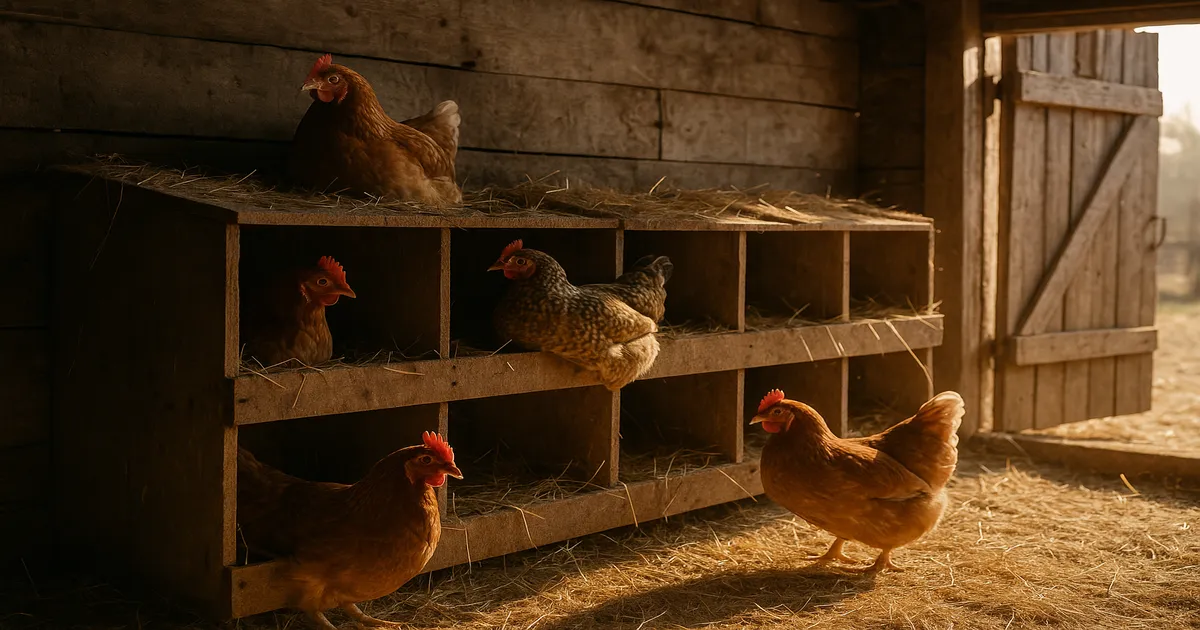
One nesting box per 3–4 hens is the standard. Most Costco coops come with 2–3 boxes, which works well for a small flock. Boxes should be at least 12×12×12 inches for standard breeds; go 14×14×14 for larger birds like Buff Orpingtons.
Place boxes lower than the roost bars. If the boxes are the highest point in the coop, hens will sleep in them — and that means dirty nesting material and soiled eggs. Add 3–4 inches of pine shavings as bedding. Placing a ceramic or wooden fake egg in each box helps pullets figure out where to lay.
Ventilation: Where Most Prefab Coops Fall Short
This is where prefab coops most consistently struggle. You need at least 1 square foot of ventilation per 10 square feet of floor space, positioned high on the walls near the roofline so moisture and ammonia can escape without creating drafts at bird level.
Ammonia from droppings becomes harmful to respiratory tissue at concentrations above 25 ppm. If you can smell it when you open the coop door, your birds are already being affected. The fix is straightforward: cut additional vent openings near the roofline and cover them with hardware cloth stapled securely in place. It takes an afternoon and costs very little.
Flooring Options: Deep Litter and Sand
The deep litter method works well in most prefab coops. Start with 4–6 inches of pine shavings on a solid floor, add fresh material as needed, and do a full clean-out every 6–12 months. The composting action generates mild heat and beneficial microbes that genuinely improve flock health.
Sand is the other popular option — 2–4 inches deep, easy to spot-clean, and it drains well. Unlike wet straw, it doesn’t harbor moisture. Note that sand does not provide grit on its own; offer a separate grit supplement if your hens don’t have access to the ground.
Predator-Proofing Upgrades to Make Before Move-In
Most prefab coops use chicken wire, which keeps chickens in but does little to keep predators out. Raccoons, foxes, and determined dogs can tear through it. Before your hens move in, make these upgrades:
- Replace chicken wire with hardware cloth (1/2-inch galvanized) on all openings and the run
- Add locking latches to every door — raccoons can open simple hook-and-eye latches without much effort
- Bury a hardware cloth apron 12 inches outward around the run perimeter, or lay it flat on the ground and stake it down, to stop digging predators
- Install an automatic coop door (ChickenGuard Extreme) to handle dusk and dawn openings — the two highest-risk times for predator attacks
Best Chicken Breeds for a Costco-Sized Coop
Top Picks for Beginners: Rhode Island Red, Buff Orpington, and Barred Rock
Rhode Island Reds are the classic starter bird. Hardy, adaptable, and productive at 5–6 brown eggs per week (around 250–300 per year), they can be a little assertive in mixed flocks but generally do well in small groups. They handle both cold and heat reasonably well.
Buff Orpingtons are the golden retriever of the chicken world — calm, friendly, and great with kids. They lay 3–4 light brown eggs per week (150–200 per year) and are cold-hardy thanks to their dense feathering. Their larger size (7–8 lbs for hens) means you should use the 6–8 sq ft per bird standard when calculating capacity.
Barred Plymouth Rocks split the difference: productive at 4–5 brown eggs per week (200–250 per year), calm enough for families, and adaptable to a range of climates. At around 7.5 lbs, they’re solidly sized birds that do best with adequate space.
Friendly Family Breeds: Easter Egger and Black Sex-Link
Easter Eggers lay 4–5 blue or green eggs per week and are gentle, curious birds that kids love. Their pea combs make them especially frostbite-resistant in cold climates — a real advantage if your winters are harsh. Temperament is generally docile, though it can vary since Easter Eggers aren’t a standardized breed.
Black Sex-Links (and Red Sex-Links) are production hybrids that lay 5–6 brown eggs per week and are among the easiest birds to manage. The biggest advantage for beginners: they can be sexed at hatch by feather color, so you won’t accidentally end up with a rooster in a neighborhood that doesn’t allow them.
Breeds to Avoid in Small Coops
Leghorns are outstanding layers — 4–6 white eggs per week — but they’re flighty, active, and easily stressed in confined spaces. They’re better suited to a large run or free-range setup. Mediterranean breeds like Anconas tend to have similar temperaments and are generally poor choices for the typical small prefab coop.
A note on Leghorn egg production: You’ll often see claims of 6–7 eggs per week for Leghorns. In commercial settings that’s possible, but backyard flocks realistically average 4–6 per week. Still impressive — just not quite the marketing number.
How Breed Size Affects Coop Capacity
Heavier breeds physically take up more space on roost bars and in the coop. A coop that comfortably fits 4 Rhode Island Reds (6.5 lbs each) might realistically fit only 3 Buff Orpingtons (7–8 lbs each). Always factor breed size into your capacity math, not just the square footage formula.
Egg Production: What to Expect From Your Backyard Flock
Egg Production by Breed: Weekly and Annual Estimates
| Breed | Eggs/Week | Eggs/Year | Egg Color | Egg Size |
|---|---|---|---|---|
| Rhode Island Red | 5–6 | 250–300 | Brown | Large |
| Buff Orpington | 3–4 | 150–200 | Light brown | Large |
| Plymouth Rock | 4–5 | 200–250 | Brown | Large |
| Easter Egger | 4–5 | 200–250 | Blue/Green | Medium–Large |
| Black Sex-Link | 5–6 | 250–280 | Brown | Large |
| Leghorn | 4–6 | 200–280 | White | Large–XL |
When Will Your Hens Start Laying?
Most standard breeds begin laying at 18–24 weeks. Production hybrids like Sex-Links can start as early as 16–18 weeks. Heritage breeds like Buff Orpingtons sometimes hold out until 24–28 weeks — which feels like forever when you’re waiting on your first egg.
Managing Winter Production Drops
Hens need 14–16 hours of daylight to maintain peak laying. When days shorten in fall, production can drop 40–60% without intervention. Adding a 9–11 watt LED bulb on a timer to extend the light period to 16 hours per day solves the problem for most flocks. Most keepers add light in the morning rather than the evening so hens still wind down naturally at dusk.
Feeding Your Flock: Nutrition Basics
Choosing the Right Feed for Each Life Stage
| Life Stage | Feed Type | Protein % | Age |
|---|---|---|---|
| Chicks | Chick Starter | 18–22% | 0–8 weeks |
| Pullets | Grower/Developer | 16–18% | 8–18 weeks |
| Laying hens | Layer Feed | 15–18% | 18+ weeks |
| Molting hens | Flock Raiser + oyster shell | 20–22% | During molt |
Don’t rush hens onto layer feed before 18 weeks — the higher calcium content can stress developing kidneys. Stick to grower feed until you see the first egg.
How Much Feed Does a Small Flock Actually Eat?
A standard hen eats roughly ¼ lb of feed per day. For a flock of 4 hens, that’s about 7 lbs per week; for 6 hens, plan on 10–12 lbs weekly. A 50 lb bag of conventional layer feed runs $15–$25 and will last a small flock 4–5 weeks. Pellets are the most economical form — they produce 10–15% less waste than mash because hens can’t sift through them as easily.
Calcium, Oyster Shell, and Strong Eggshells
Laying hens need 4–5 grams of calcium daily to produce firm shells. Most layer feeds supply enough, but offering oyster shell free-choice in a separate container lets hens self-regulate. It’s cheap insurance against thin-shelled or soft eggs.
If you’d rather not buy oyster shell, bake clean eggshells at 250°F (121°C) for 10 minutes, crush them thoroughly, and offer them the same way. Just make sure they’re unrecognizable as eggs so you don’t teach hens to eat from the nest.
Safe Treats vs. Foods That Can Harm Your Chickens
Keep treats under 10% of the daily diet — more than that and you start diluting the nutritional balance of their feed. Good options include leafy greens, watermelon, berries, mealworms, and cooked squash.
Hard no’s: avocado (persin in the flesh, skin, and pit is toxic to chickens), chocolate, onions, raw dried beans, and anything moldy or heavily salted. When in doubt, leave it out.
Water Requirements and Heated Waterers for Winter
Hens drink 1–2 cups of water per day under normal conditions — that can double in summer heat. A 3-gallon waterer handles a small flock for a day or two between refills.
Once temperatures drop below 32°F (0°C), water freezes and production drops fast. A heated waterer base is one of the best investments a cold-climate keeper can make. Dehydrated hens stop laying quickly, and frozen water is one of the most common and easily prevented causes of winter production loss.
Keeping Your Flock Healthy: Common Issues and Prevention
Marek’s Disease: Why Vaccination at Hatch Matters
Marek’s disease is a herpesvirus that spreads through feather dander and can cause paralysis, tumors, and death in unvaccinated birds. There’s no cure, but vaccination at hatch is highly effective. Most commercial hatcheries vaccinate automatically — always confirm when purchasing chicks. The virus can persist in the environment for years, so any new birds you add to an established flock should be vaccinated before they arrive.
Coccidiosis: Symptoms, Prevention, and Treatment
Coccidiosis is caused by Eimeria protozoa that thrive in warm, wet conditions — exactly what a poorly maintained prefab coop can create. Watch for bloody or watery droppings, lethargy, ruffled feathers, and pale combs, especially in birds under 6 months.
Prevention is straightforward: keep bedding dry, don’t overcrowd, and use medicated chick starter (which contains amprolium) for young birds. If you see symptoms, treat promptly with Corid (amprolium solution) in the drinking water, following label dosing instructions carefully.
Respiratory Disease and the Role of Poor Ventilation
Poor ventilation in prefab coops is directly linked to respiratory illness. Ammonia buildup above 25 ppm — and again, if you can smell it, you’re already there — damages the delicate tissue lining the respiratory tract and makes birds vulnerable to bacterial and viral infections. Mycoplasma gallisepticum (MG) is one of the most common respiratory pathogens in backyard flocks and spreads rapidly in poorly ventilated, overcrowded conditions.
The fix is the same one described in the setup section: add ventilation near the roofline, keep bedding dry, and don’t overstock the coop. Prevention is far easier than treatment.
Frequently Asked Questions
Does Costco sell chicken coops year-round? Not reliably. In-store availability is almost entirely seasonal, peaking from February through June. Costco.com sometimes carries coops outside that window, but selection is limited. If you need a coop in fall or winter, check Tractor Supply, Rural King, or Amazon as alternatives.
How many chickens can I actually fit in a Costco coop? Ignore the advertised bird count. Measure the interior square footage and divide by 4 for a minimum stocking rate, or by 6 for a comfortable one. Most Costco coops realistically house 2–4 standard hens, not the 6–8 shown on the packaging.
Are Costco chicken coops predator-proof? No — not out of the box. The chicken wire used on most prefab coops can be torn open by raccoons, foxes, and dogs. Before your hens move in, replace it with 1/2-inch hardware cloth, add locking latches to all doors, and bury or stake down a hardware cloth apron around the run perimeter.
What’s the best breed for a small Costco coop? Buff Orpingtons, Barred Plymouth Rocks, and Black Sex-Links are all excellent choices. They’re calm, cold-hardy, and well-suited to smaller spaces. Avoid flighty Mediterranean breeds like Leghorns — they need more room to stay happy.
Can I return a chicken coop to Costco if I’m not happy with it? Possibly, but don’t count on it. Large outdoor structures are often excluded from Costco’s standard return policy. Check the specific return terms for the item before you buy, and keep all packaging until you’re certain you’re keeping it.
Always check your local zoning laws and HOA rules before purchasing chickens or a coop. Regulations on flock size, rooster ownership, and coop placement vary widely by municipality.