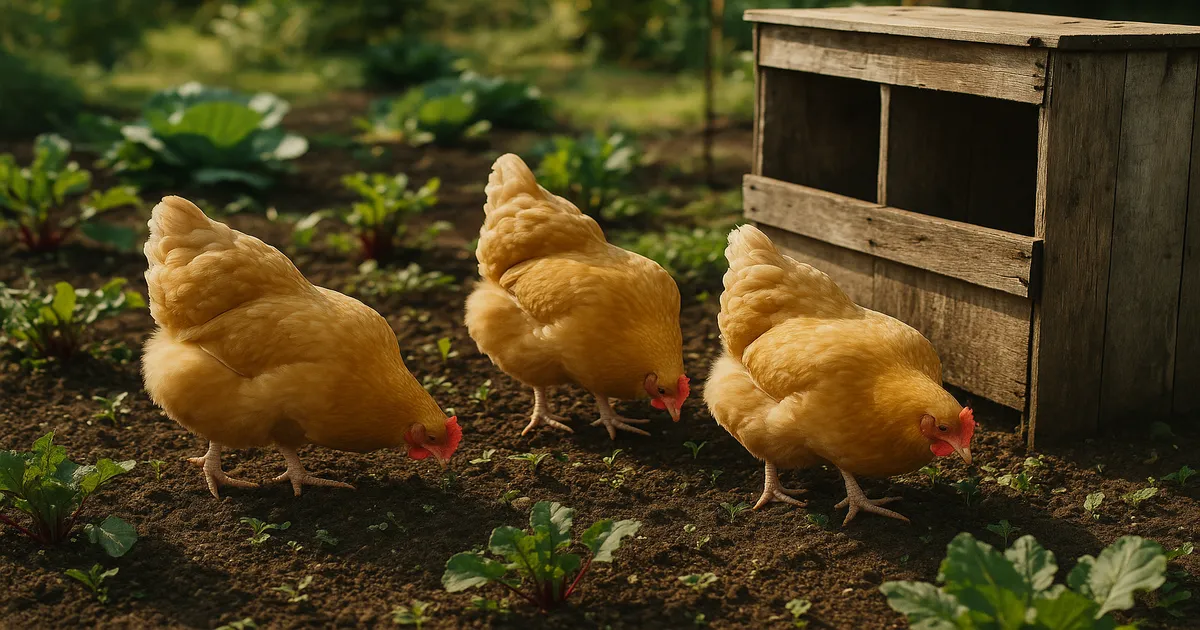
Quick Answer: Buff Orpington chickens typically cost $3–$6 for a straight-run chick at a feed store, $5–$10 for a sexed pullet chick from a hatchery, and $25–$100 for a started or point-of-lay pullet from a breeder. Show-quality adults can run $75–$200 or more. Add $35–$75 for shipping and $1–$2 per chick for Marek’s vaccination when buying online.
If you’re wondering how much Buff Orpington chickens cost, the honest answer is: it depends on where you buy, how old the bird is, and what you plan to do with it. A backyard flock of six looks very different from a breeding program or a show pen — and the price reflects that. Here’s everything you need to budget accurately before you buy.
How Much Do Buff Orpington Chickens Cost? Prices at a Glance
Price Summary Table by Source and Age
| Source / Age | Typical Price Range |
|---|---|
| Feed store straight-run chick | $3–$6 per chick |
| Hatchery sexed pullet chick | $5–$10 per chick |
| Small breeder pullet chick | $10–$25 per chick |
| Started pullet (8–16 weeks) | $25–$60 per bird |
| Point-of-lay pullet (18–22 weeks) | $50–$100 per bird |
| Show-quality adult hen | $75–$200+ per bird |
| Rare variety chick (Blue, Splash, Black) | $20–$50+ per chick |
| Bantam Buff Orpington chick | $5–$15 per chick |
| Hatching eggs (per dozen) | $20–$60 per dozen |
What Drives the Price Difference?
Two things move the price needle most: age and quality tier. Every week a bird grows, the seller has invested more in feed and labor — so a point-of-lay pullet costs more than a day-old chick, even from the same flock. Quality tier matters just as much. Hatchery birds are bred for consistency and volume. Breeder birds are selected for conformation and temperament. Show birds must meet the APA Standard of Perfection.
Don’t overlook the add-ons. Shipping a box of chicks via USPS typically runs $35–$75, and Marek’s vaccination adds $1–$2 per chick. Both are worth it — but factor them into your per-bird cost before you click “order.”
Buff Orpington Breed Overview
History and Origin
Buff Orpingtons were developed in Orpington, Kent, England in the 1880s by William Cook, who crossed Minorcas, Langshans, and Plymouth Rocks to create a large, productive dual-purpose bird. The breed arrived in the United States in the early 1900s and earned APA recognition in 1902. Today, Buff Orpingtons consistently rank among the most popular backyard breeds in the country.
Temperament and Cold Hardiness
The “golden retriever of chickens” nickname is well-earned. Buff Orpingtons are calm, docile, and genuinely people-friendly — many will squat to be petted or follow their keeper around the yard. That temperament is a real value driver, especially for families with children or first-time chicken keepers who want a low-drama flock.
Their dense, fluffy plumage also makes them one of the better cold-hardy breeds. They handle northern winters well, though their single comb can be susceptible to frostbite in extreme cold — a light coat of petroleum jelly on the comb during hard freezes helps. On the flip side, that same heavy feathering means they can overheat in hot, humid climates. Provide shade, good ventilation, and fresh cool water during summer heat waves.
One thing to watch: their gentle nature means they often land low in the pecking order when housed with more assertive breeds like Rhode Island Reds or Barred Rocks. If you’re mixing breeds, keep an eye out for bullying.
Size, Appearance, and Recognized Varieties
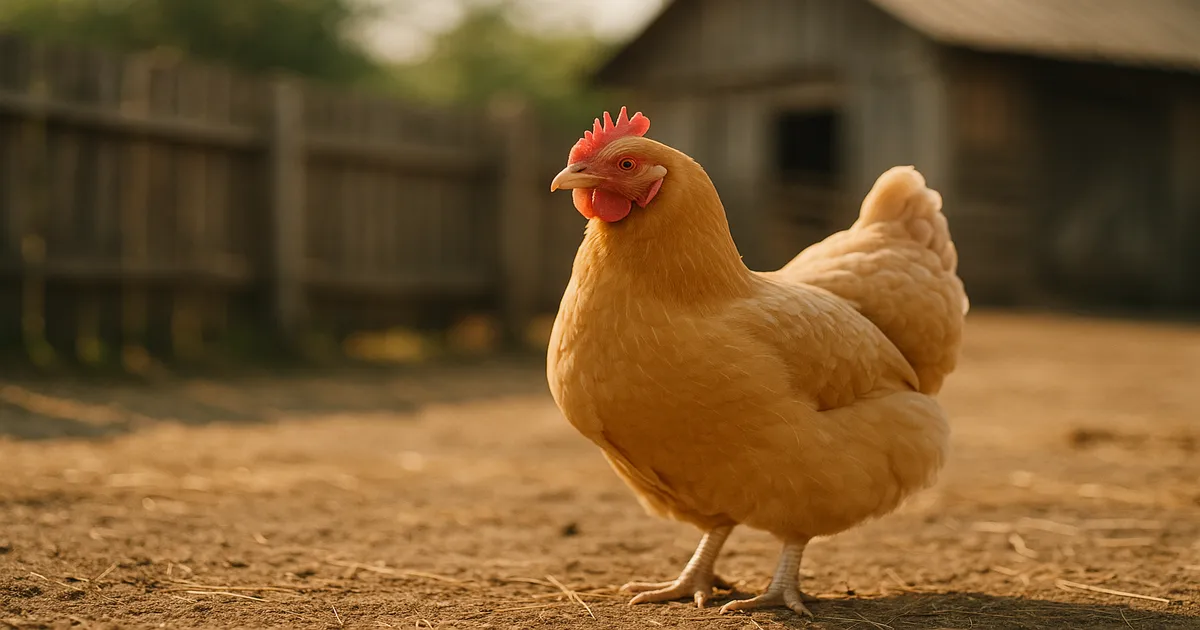
Standard roosters weigh around 10 lbs and hens around 8 lbs, giving this breed a round, fluffy silhouette and rich golden-buff plumage. Clean pinkish-white legs, a single red comb, and reddish-bay eyes round out the look. A bantam variety also exists, with roosters topping out around 38 oz.
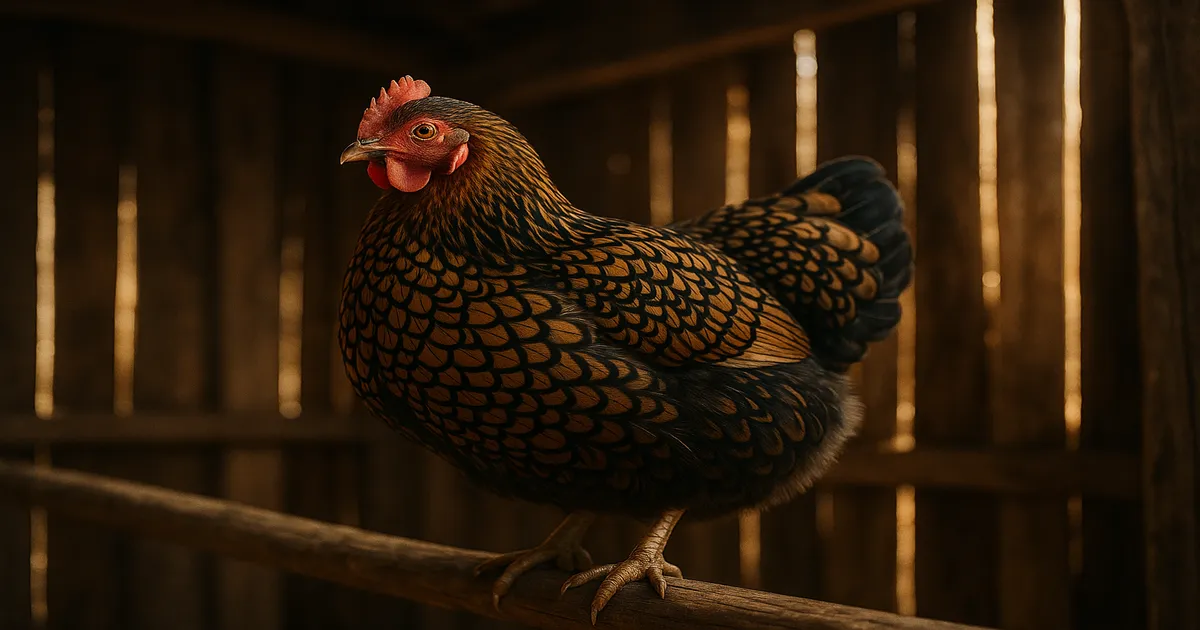
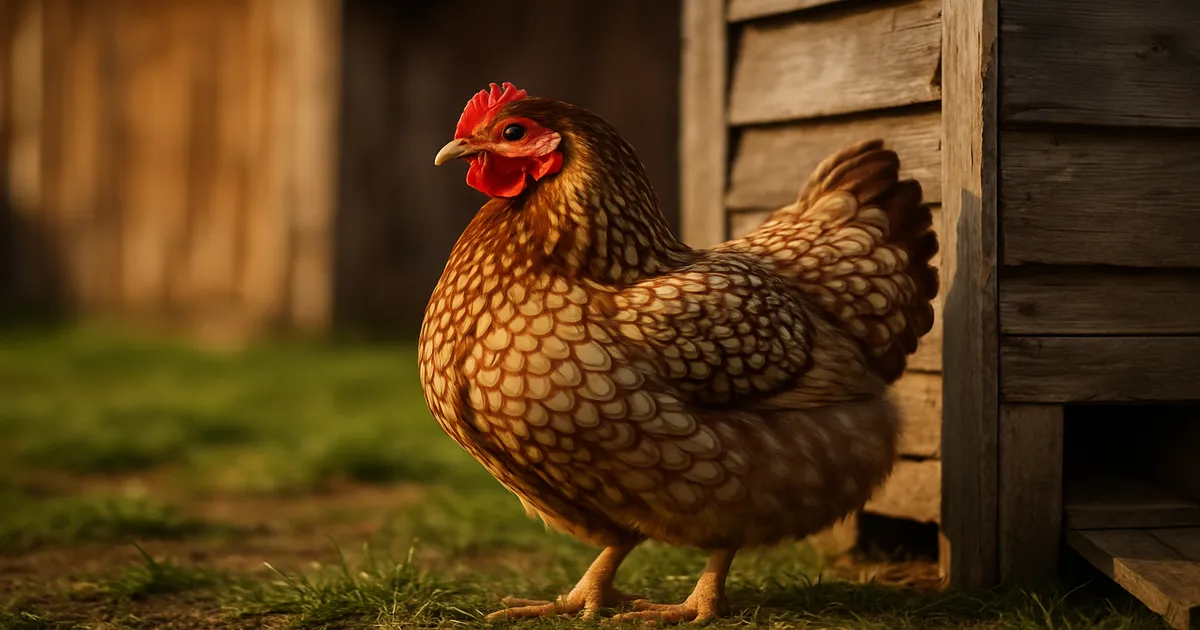
The Buff is by far the most common variety, but Black, Blue, White, and Splash Orpingtons are available too. Because they’re harder to source, they typically command $20–$50+ per chick from breeders.
Where to Buy Buff Orpington Chickens
Feed Stores and Farm Supply Chains
Feed stores like Tractor Supply and Rural King carry Buff Orpington chicks in spring, usually priced at $3–$6 each. The upside is zero shipping cost and no minimum order. The downside is that these chicks are almost always sold straight-run (unsexed), so you may end up with several roosters. Lineage and vaccination status are often unknown.
Online Hatcheries
Hatcheries like Meyer Hatchery, Cackle Hatchery, and Murray McMurray offer sexed pullet chicks, Marek’s vaccination, and breed consistency. Prices run $5–$10 per chick, but most require a minimum order of 3–25 birds and charge $35–$75 for shipping. For a straightforward backyard flock where you want hens and want to know what you’re getting, a reputable hatchery is a solid choice.
Small Breeders and Farms
If show potential or breeding quality matters to you, a small breeder is worth the premium. Expect to pay $10–$25 per chick, more for started or point-of-lay birds. What you’re buying is known bloodlines, better conformation, and often a more personalized experience. Search the Livestock Conservancy breeder directory or breed-specific Facebook groups to find reputable sellers near you.
Hatching Eggs: The Budget Option
A dozen hatching eggs from a quality breeder runs $20–$60 — the lowest per-unit cost on the list. But you’ll need a reliable incubator (Brinsea Ovation 28 EX) and should expect a hatch rate of 70–85% under good conditions. It’s a fun and educational option, but factor in the equipment cost and the reality that roughly half your hatchlings may be roosters.
Buff Orpington Chicken Costs: Factors That Affect the Price
Age of the Bird
Every week of age represents real investment — feed, electricity for brooding, labor, and mortality risk. A day-old chick is cheap because all that work is still ahead of you. A point-of-lay pullet at 18–22 weeks is expensive because the seller did the work already. For most backyard keepers, buying 6–8-week-old started pullets is a sweet spot: you skip the brooder phase without paying top dollar.
Quality Tier: Hatchery vs. Breeder vs. Show
These three tiers have genuinely different breeding goals. Hatchery birds prioritize production and volume — great for eggs, not optimized for the show pen. Breeder birds are selected for conformation, temperament, and breed standards. Show-quality birds must meet the APA Standard of Perfection and are typically sold by competitive exhibitors; expect to pay $75–$200+ for an adult bird at this level.
Sexed vs. Straight-Run
Sexed pullets cost more than straight-run chicks because hatcheries invest in the sexing process — and because you’re not paying to raise roosters you can’t keep. If you’re in a municipality with a no-rooster ordinance, always buy sexed. Straight-run is fine if you have a plan for cockerels (a rural property, a processor, or a neighbor who wants one).
Rare Color Varieties
The Buff variety is easy to find and priced accordingly. Blue, Splash, and Black Orpingtons require more deliberate breeding programs and are far less available, which pushes chick prices to $20–$50+ from reputable breeders. If you want a rare variety, budget accordingly and expect to wait — quality breeders often have waitlists.
Vaccination, Shipping, and Minimum Order Costs
When buying from an online hatchery, the true per-bird cost is higher than the listed price once you add:
- Marek’s vaccination: $1–$2 per chick (always worth it)
- USPS chick shipping: $35–$75 per box, regardless of order size
- Minimum order surcharges: some hatcheries charge extra if you order below their minimum, often 15–25 chicks in cold months
Ordering with a friend or neighbor is a practical way to split shipping costs and meet minimums.
Total Cost of Owning Buff Orpington Chickens
Coop and Housing Setup
Buff Orpingtons are large birds, but standard coop sizing guidelines apply: 4 sq ft per bird indoors and 10 sq ft per bird in the run as a workable minimum. More space is always better, especially for a breed prone to weight gain and low activity in confined spaces. A flock of six needs at least a 24 sq ft coop and a 60 sq ft run at minimum — aim higher if you can.
Keep roost bars at 18–24 inches off the ground. Their heavy bodies make high jumps a bumblefoot risk. Flat 2–4 inch bars are kinder on their feet than round dowels. A basic pre-built coop for six birds runs $300–$800; a DIY build can cost less if you have materials on hand. A quality automatic coop door is worth adding for security and convenience.
Ongoing Feed Costs
Buff Orpingtons eat roughly 1/4–1/3 lb of feed per bird per day, trending toward the higher end given their size. That works out to approximately $8–$15 per bird per month, or $600–$1,080 per year for a flock of six. Free-ranging can trim that by 20–30% in spring and summer when forage is available.
Healthcare and Preventive Care
Budget for an annual parasite check, a supply of permethrin dust for mites and lice, and Corid (Amprolium) on hand for coccidiosis emergencies. A reasonable healthcare reserve is $50–$100 per year for a small flock, more if you ever need a vet visit.
Sample Annual Cost Estimate for a Flock of Six
| Expense | Estimated Annual Cost |
|---|---|
| Feed (6 birds) | $600–$1,080 |
| Bedding (pine shavings) | $60–$120 |
| Oyster shell and grit | $20–$40 |
| Healthcare/supplies | $50–$100 |
| Electricity (lighting/heat) | $30–$60 |
| Total | $760–$1,400/year |
This doesn’t include the initial purchase price or coop setup — those are one-time costs. Once your flock is established, the ongoing cost per dozen eggs works out to roughly $3–$6 depending on your feed costs and egg production rate.
Egg Production: Is the Price Worth It?
How Many Eggs Do Buff Orpingtons Lay?
Expect 3–5 eggs per week per hen, or roughly 180–280 eggs per year. Hatchery-strain birds tend toward the higher end (220–280/year); heritage and show lines often sit lower (180–220/year) because breeding selection prioritizes conformation over output. For comparison, Leghorns lay 280–320 per year and Rhode Island Reds hit 250–300 — Buff Orpingtons are solid but not prolific layers.
Egg Size and Color
Eggs are large to extra-large with a light to medium brown shell. Shell quality is generally good, and these are attractive eggs — the kind that sell well at a farm stand. A sturdy egg basket makes daily collection easier and keeps shells intact.
Broodiness: What It Costs You
Buff Orpingtons are among the broodiest of the common dual-purpose breeds. A hen may go broody 2–4 times per year, and each episode costs you roughly 60–80 eggs — she stops laying for the 3-week incubation period plus several weeks of chick rearing if you let her hatch. To break broodiness, place her in a wire-bottomed “broody buster” cage with good airflow for 3–7 days. That said, if you want to hatch chicks without an incubator, a broody Buff Orpington is one of the best mothers in the chicken world.
Production Decline Over Time
Egg production peaks in years 1–3, then drops roughly 15–20% per year after year 2. A hen that laid 250 eggs at age two might lay 200 at age three and 160 at age four. Many keepers add a few pullets each year to keep production steady.
Feeding and Care Basics
Feed by Life Stage
- 0–8 weeks: Medicated chick starter, 20–22% protein
- 8–18 weeks: Grower feed, 16–18% protein
- 18+ weeks (laying): Layer pellets or crumbles, 15–17% protein
- Molting hens: Bump protein back up to 18–20% temporarily
- Broody or non-laying hens: All-flock or maintenance feed, 16–18% protein
Calcium, Grit, and Supplements
Laying hens need about 4 grams of calcium per day. Layer feed covers most of that, but offering crushed oyster shell free-choice in a separate container lets hens self-regulate. Don’t mix it into the main feed — roosters and pullets don’t need the extra calcium and too much can damage their kidneys over time. Confined birds also need insoluble grit to help their gizzards process whole grains and scratch. Birds with regular access to soil usually pick up enough naturally.
Treats and Foods to Avoid
Safe treats include mealworms, leafy greens, watermelon, cooked eggs, and plain yogurt. Limit scratch grains to 1–2 tablespoons per bird per day — they’re high in carbs and low in protein, which is the wrong direction for a breed already prone to weight gain. A good hanging feeder keeps the main ration off the ground and reduces waste.
Hard no’s: avocado (the compound persin is toxic to chickens), chocolate, onions, raw dried beans, and anything moldy or salty.
Common Health Issues to Budget For
Bumblefoot
Bumblefoot — a bacterial infection of the foot pad — is more common in heavy breeds because every landing from a roost puts more force on those feet. Keep roosts low, floors dry, and use the deep litter method to cushion the coop floor. Early bumblefoot looks like a small black scab on the pad. Treat it promptly with a warm Epsom salt soak and a poultry wound spray before it progresses to a more serious infection.
Mites and Lice
That gorgeous fluffy plumage is great for cold weather and terrible for spotting parasites. Check under the wings and around the vent weekly. A dedicated dust bath area filled with dry dirt, sand, or wood ash is your first line of defense. Treat active infestations with permethrin dust or spray, and treat the coop at the same time.
Marek’s Disease
Marek’s disease is a highly contagious herpesvirus spread through feather dander. It causes paralysis, tumors, and death in young birds — and there’s no cure. Vaccination at hatch ($1–$2 per chick) prevents tumors but doesn’t stop the virus from spreading. Quarantine all new birds for at least 30 days before introducing them to an established flock.
Coccidiosis in Chicks
Coccidiosis is the top killer of backyard chicks aged 3–8 weeks. Symptoms include bloody or watery diarrhea, lethargy, and hunched posture. Medicated chick starter (which contains Amprolium) provides solid prevention. If you see symptoms, treat with Corid (Amprolium) in the drinking water — follow label directions, as concentration varies by product formulation. Keep brooders dry; wet conditions accelerate the spread.
Obesity
Buff Orpingtons love to eat and are genuinely prone to weight gain, especially in confined flocks. An overweight hen lays fewer eggs, is more susceptible to bumblefoot, and faces greater health risks overall. Keep scratch to a minimum, don’t over-treat, and make sure they have enough run space to move around. A healthy Buff Orpington hen should feel solid but not doughy when you pick her up.
Frequently Asked Questions About Buff Orpington Chicken Costs
How much do Buff Orpington chickens cost at a feed store?
At most feed stores and farm supply chains, Buff Orpington chicks sell for $3–$6 each in the spring. These are typically straight-run (unsexed), so you may end up with roosters. There’s usually no vaccination record and no guarantee of lineage — but it’s the lowest upfront cost available.
Are Buff Orpington chickens good for beginners?
Yes — they’re one of the best beginner breeds available. Their calm, docile temperament makes handling easy, they tolerate confinement well, and they’re forgiving of minor husbandry mistakes. The main things to watch are their tendency toward broodiness and their susceptibility to obesity in confined setups.
How many Buff Orpington hens do I need for a dozen eggs a week?
At peak production, a Buff Orpington hen lays roughly 3–5 eggs per week. To reliably collect a dozen eggs per week, plan on 3–4 hens — and keep in mind that production drops in winter and during molting or broody periods.
Is it cheaper to buy chicks or hatching eggs?
Hatching eggs are the lowest per-unit cost ($20–$60 per dozen), but you need an incubator, and hatch rates typically run 70–85%. Factor in equipment costs and the likelihood of hatching roosters, and started pullets from a local breeder often offer better overall value for most backyard keepers.
Do Buff Orpington chickens cost more than other breeds?
Not significantly. Buff Orpingtons are widely available and priced similarly to other popular dual-purpose breeds like Plymouth Rocks or Sussex. You’ll pay a premium for rare color varieties (Blue, Splash, Black) or show-quality birds, but standard Buff chicks are competitively priced at most hatcheries and feed stores.