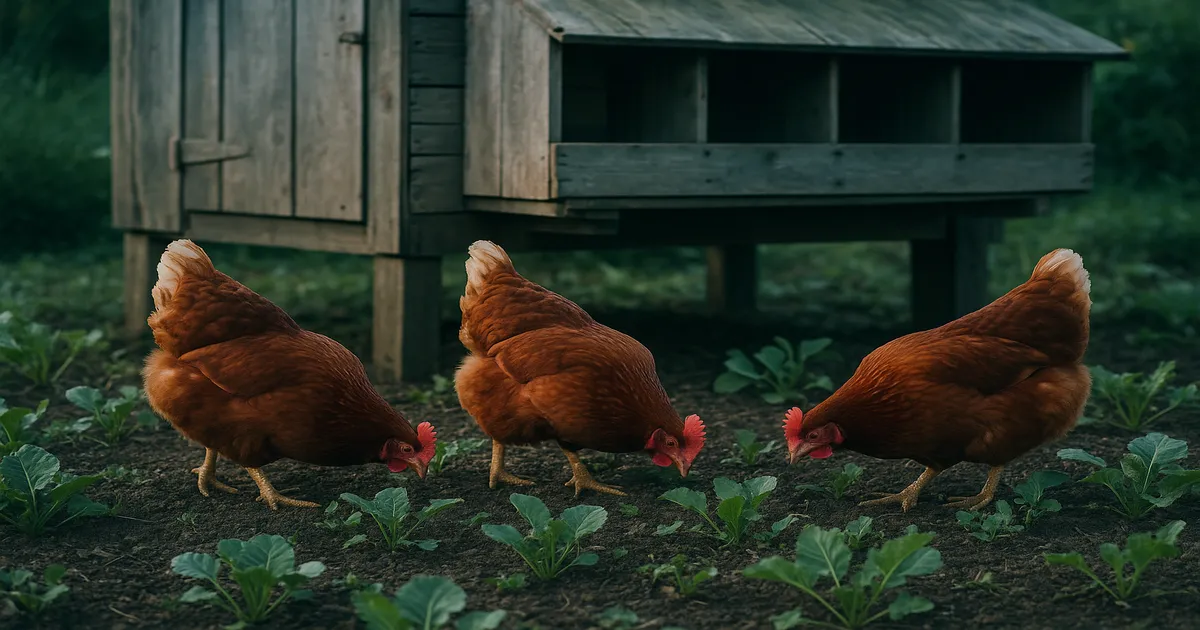
Quick Answer: Rhode Island Reds are one of the best chickens you can raise — hardy, productive, and forgiving of beginner mistakes. Production strains lay 260–300 eggs per year while heritage birds produce 200–250, and both handle cold weather better than most breeds. This guide covers everything from brooder setup to seasonal care so you can raise a healthy, thriving flock.
Rhode Island Reds have earned their reputation as the quintessential backyard chicken, and learning how to raise Rhode Island Red chickens is one of the most rewarding projects a beginner can take on. They’re self-sufficient, cold-hardy, and lay consistently through conditions that would slow down more sensitive breeds. Whether you want a steady supply of brown eggs or a true dual-purpose bird, Rhode Island Reds deliver.
Rhode Island Reds at a Glance
Quick Breed Overview
| Feature | Detail |
|---|---|
| Egg production | 200–300 eggs/year |
| Egg color | Brown (medium to rich) |
| Egg size | Large to Extra-Large |
| Hen weight | 6.5 lbs (2.9 kg) |
| Rooster weight | 8.5 lbs (3.9 kg) |
| Cold hardiness | Down to 0°F (-18°C) |
| Temperament | Confident, active, curious |
| Beginner-friendly | Yes |
Production Strain vs. Heritage Strain: Key Differences
The two strains look similar but behave quite differently. Production Rhode Island Reds are lighter in color, leaner in build, and bred for maximum egg output — expect 260–300 eggs per year. Heritage Rhode Island Reds carry deeper mahogany plumage, heavier frames, and a slower maturity curve. They’re closer to the original breed standard and better suited for dual-purpose use, producing 200–250 eggs per year.
If eggs are your primary goal, go with a production strain. If you want a bird truer to the breed’s roots — or you’re interested in meat as well — heritage is worth the wait.
Breed Profile: History, Appearance, and Temperament
Origin and Breed History
Rhode Island Reds were developed in the late 1800s in Little Compton, Rhode Island, and Adamsville, Massachusetts. Breeders crossed Malay, Shanghai, Java, Brown Leghorn, and Red Cochin stock to create a rugged, dual-purpose bird that could thrive on small farms. The American Poultry Association recognized the Single Comb variety in 1904 and the Rose Comb in 1906. In 1954, Rhode Island named the breed its official state bird — a well-deserved honor.
Physical Characteristics
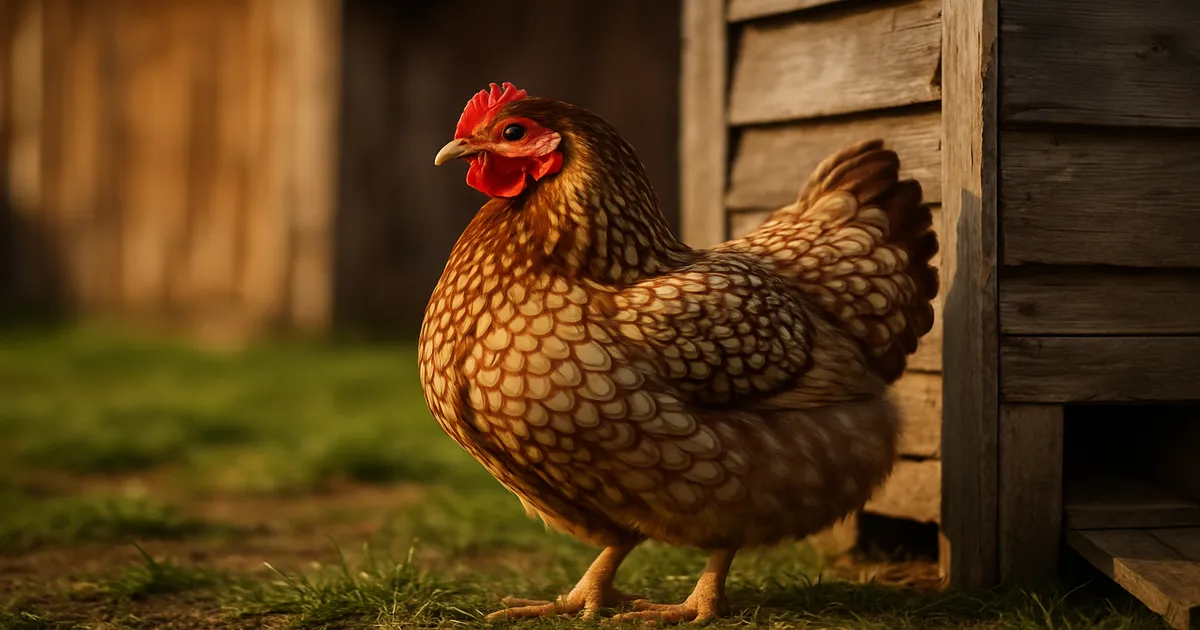
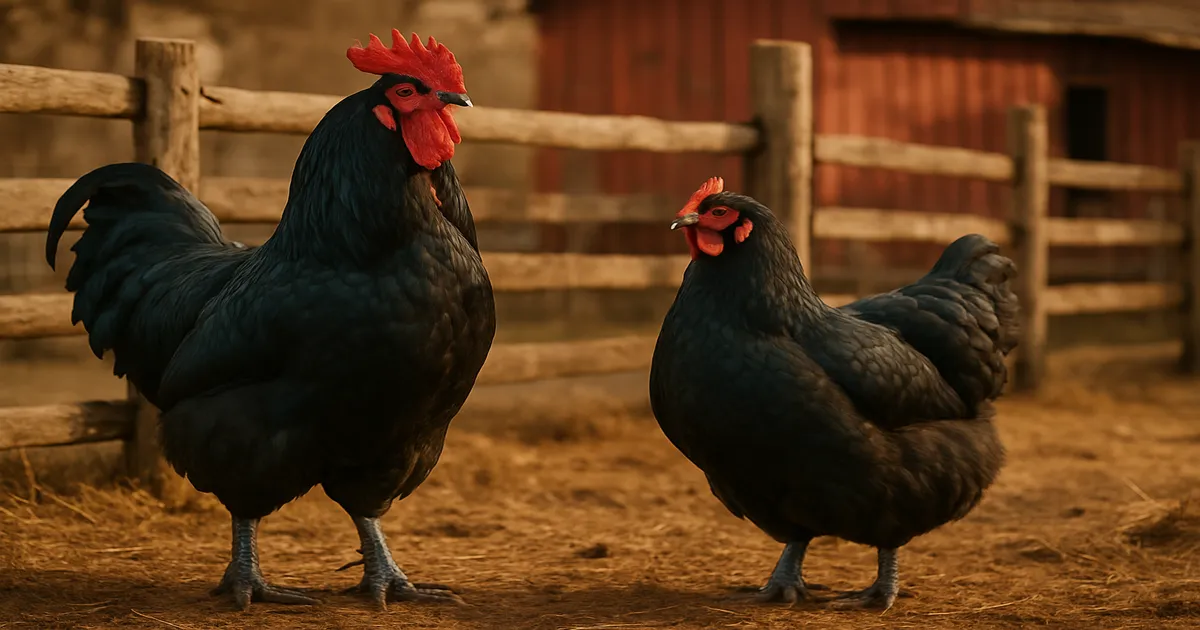
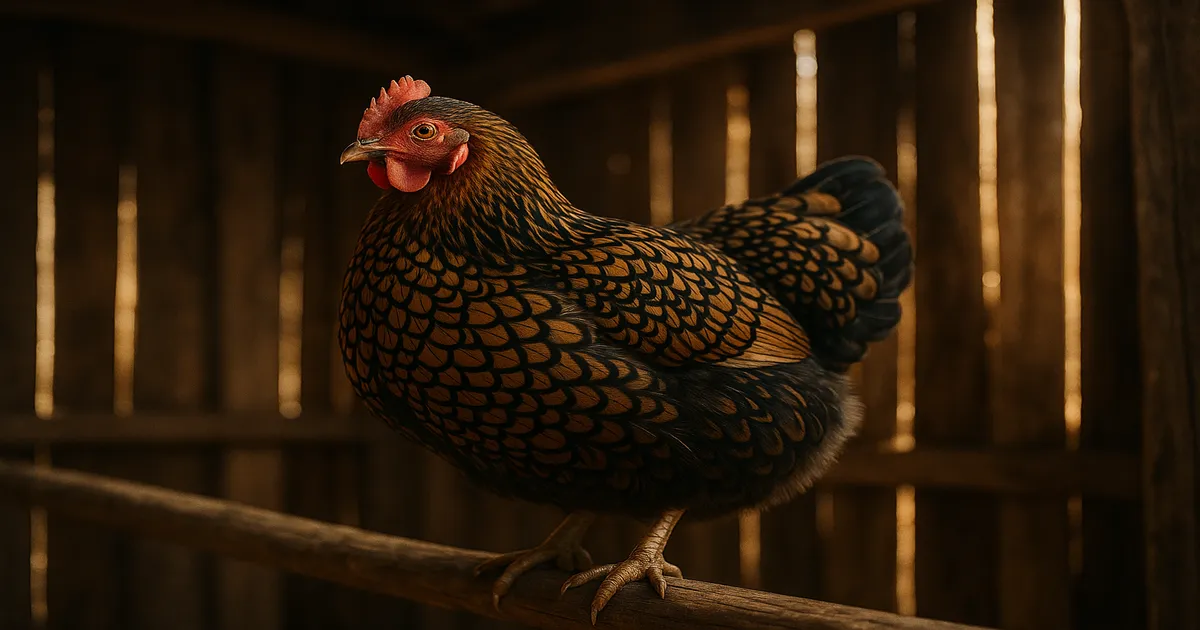
Rhode Island Reds have a distinctive brick-shaped body with a broad back, deep chest, and rectangular profile. Plumage ranges from rich mahogany to dark brick-red, with black tail feathers that carry a greenish sheen in sunlight. Yellow shanks, reddish-bay eyes, and bright red combs and wattles round out the look. Hens weigh around 6.5 lbs (2.9 kg); roosters reach 8.5 lbs (3.9 kg).
Single Comb vs. Rose Comb
The Single Comb variety is by far the most common — five upright points, classic look, easy to find. The Rose Comb lies flat against the head and is significantly more cold-hardy, making it the smarter choice in regions with harsh winters. Single Comb birds are more susceptible to frostbite on comb tips when temperatures drop below freezing.
Temperament and Flock Dynamics
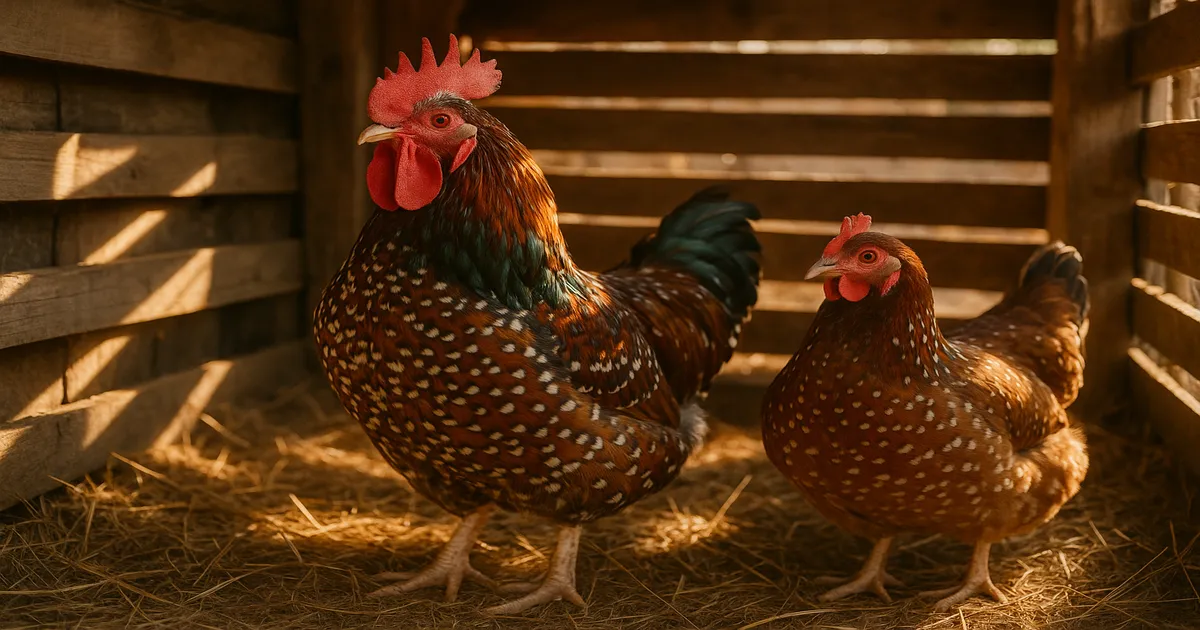
Rhode Island Reds are confident, curious birds that tend to rank high in the pecking order. Heritage lines are generally more docile; production hens can be assertive — even bossy — with smaller or more timid breeds like Silkies or Polish. Roosters can be territorial, but consistent handling from the chick stage makes a real difference in adult temperament.
Hens are vocal around laying time (the “egg song” is enthusiastic), but they’re not excessive noise-makers. They’re excellent foragers and genuinely thrive when given space to roam.
How to Raise Rhode Island Red Chickens: Chicks to Adults
Brooder Setup and Temperature Schedule
Start chicks at 95°F (35°C) in the first week, then drop the temperature by 5°F each week until it matches the ambient outdoor temperature. A radiant brooder plate is safer than a heat lamp — no fire risk, and chicks self-regulate by moving toward or away from the heat source. Use a brooder plate sized for your flock, such as the Brinsea EcoGlow Safety 600.
Line the brooder floor with pine shavings — not cedar, whose aromatic oils are harsh on young respiratory tissue. Use a chick waterer with marbles in the tray to prevent drowning.
Medicated vs. Unmedicated Chick Starter
Medicated chick starter contains Amprolium, which suppresses coccidiosis while chicks build immunity. It’s a sensible choice for most backyard flocks, especially if chicks will have early access to outdoor soil. Unmedicated starter is appropriate if your chicks received a live coccidiosis vaccine at the hatchery — Amprolium would interfere with that vaccine. When in doubt, ask your hatchery what they recommend.
Socializing Chicks for a Friendlier Adult Bird
Handle chicks daily, gently, starting in the first week. Talk to them, let them perch on your hand, and move slowly around the brooder. This is especially important with cockerels — a rooster handled consistently as a chick is dramatically calmer than one that wasn’t. Ten minutes a day makes a real difference.
Transitioning Chicks Outdoors
Chicks are typically fully feathered by 6–8 weeks and ready for outdoor housing when nighttime temperatures stay above 50°F (10°C). Introduce them to the outdoors gradually with short supervised sessions before moving them out full-time. If you’re integrating them with an existing flock, keep them separated by a wire partition for two to three weeks so the birds can see each other without direct contact — it reduces fighting significantly.
Coop and Housing Setup
Space Requirements
Rhode Island Reds are active birds and don’t do well when crowded. Minimum space requirements:
- Indoor coop: 4 sq ft per bird (6 sq ft is better for confined flocks)
- Outdoor run: 10 sq ft per bird minimum; 15–20 sq ft is strongly recommended
- Free-range: 250+ sq ft per bird when pasture rotating
Overcrowding leads to feather pecking, vent pecking, and stress-related drops in egg production. Give them room.
Roost Bars, Nesting Boxes, and Ventilation
Use 2×4 lumber laid flat (wide side up) for roost bars — the broad surface lets birds settle their breast feathers over their feet in cold weather, preventing frostbite. Place roosts 18–24 inches off the ground and avoid anything above 4 feet, since Rhode Island Reds are heavy birds and hard landings cause foot injuries. Allow 8–10 inches of roost space per bird.
One nesting box per 3–4 hens is the right ratio. Size each box at 14×14 inches and mount them 12–18 inches off the floor, always lower than the roost bars. If boxes sit higher than roosts, hens will sleep in them and you’ll end up with soiled eggs every morning.
Ventilation matters more than insulation. Moisture and ammonia buildup cause far more health problems than cold air ever will. Aim for 1 square foot of ventilation per 10 square feet of floor space, placed high on the walls near the roofline. Keep upper vents open year-round; close lower windows in winter to prevent drafts directly on roosting birds. If you smell ammonia when you walk in, ventilation is inadequate — levels above 25 ppm damage respiratory tissue.
Cold-Weather Shelter
Healthy adult Rhode Island Reds handle temperatures down to 0°F (-18°C) without supplemental heat. A well-insulated coop with six to eight birds generates meaningful body heat on its own. The goal of insulation is to moderate temperature swings, not to create a heated space. Sealed, unventilated coops cause condensation that leads to frostbite and respiratory illness — the cold air itself is rarely the problem.
Only add supplemental heat below 0°F (-18°C) or for sick birds. If you do add heat, use a flat-panel radiant heater rather than a heat lamp to reduce fire risk.
Predator-Proofing
Chicken wire keeps chickens in — it does not keep predators out. Use ½-inch hardware cloth on all openings, windows, and run walls. Extend an apron of hardware cloth 12–18 inches horizontally along the ground outside the run to stop diggers. Use carabiner clips or two-step latches on doors; raccoons figure out simple hook-and-eye latches faster than you’d expect. An automatic coop door that closes at dusk is one of the best investments you can make — look for a timer-based or light-sensing model like the ChickenGuard Extreme.
Feeding Rhode Island Reds at Every Life Stage
Feed Types and Protein Requirements by Age
| Life Stage | Feed Type | Protein % |
|---|---|---|
| Chicks 0–8 weeks | Chick Starter | 18–20% |
| Pullets 8–18 weeks | Grower or All-Flock | 16–18% |
| Laying hens 18+ weeks | Layer Feed | 15–17% |
| Molting hens | High-Protein or All-Flock + supplement | 18–20% |
Pellets produce the least waste and are the most practical choice for most backyard flocks. Target 16–17% protein for laying hens — too low and egg production and feather quality suffer; too high puts unnecessary strain on the kidneys. Plan on roughly ¼ lb (4 oz) of feed per hen per day.
Calcium, Grit, and Water
A laying hen needs 4–5 grams of calcium per day to produce a properly shelled egg. Offer crushed oyster shell free-choice in a separate container so hens can take what they need. Never mix oyster shell into chick or grower feed — excess calcium damages developing kidneys.
Confined birds also need insoluble granite grit offered free-choice. Don’t confuse it with oyster shell — they serve completely different purposes. Use #2 chick grit for birds under 8 weeks, #3 hen grit for adults.
A laying hen drinks 1–2 cups (250–500 ml) of water per day, and that doubles in hot weather. Scrub waterers weekly with a dilute bleach solution (1 tablespoon per gallon of water), rinsing thoroughly. In winter, use a heated waterer base to prevent freezing — cold water significantly reduces egg production.
Treats and Foods to Avoid
Keep treats to 10% or less of the daily diet. Good options include mealworms (especially during molt), leafy greens, pumpkin seeds, berries, and watermelon in summer. Scratch grains are a treat, not a feed — a small handful per bird in the evening is fine.
Avoid entirely: avocado (persin is toxic to poultry), raw dried beans (toxic lectins), chocolate, salty processed foods, and anything moldy.
Egg Production: What to Expect
Laying Timeline and Seasonal Patterns
Production pullets typically lay their first egg at 18–20 weeks. Heritage pullets take a bit longer — usually 20–24 weeks. Three signs a pullet is getting close: she’ll squat when you approach, her comb and wattles will redden and enlarge, and she’ll start investigating nesting boxes with serious intent.
Peak production runs through years one to three, with a gradual decline beginning around year four. Spring and early summer are the most productive months, when natural daylight exceeds 14 hours. In fall, expect a slowdown as hens go through their annual molt.
Rhode Island Reds are better winter layers than most breeds. Without supplemental light, they’ll often continue at 2–4 eggs per week through mild winters. To maintain near-peak production year-round, add supplemental lighting to bring total daily light to 14–16 hours. Use a timer set to add light in the early morning rather than the evening, so hens aren’t left in sudden darkness on the roost. A 40–60 watt equivalent LED is plenty.
Managing the Annual Molt
Molt typically hits in fall, starting around year one or two. Egg production drops 50–100% while hens redirect protein to regrowing feathers. Switch to a high-protein feed (18–20%) during this period — mealworms make an excellent supplement. Most hens complete the molt and resume laying within 8–12 weeks.
Broodiness
Production strains have had broodiness largely bred out of them. Heritage birds occasionally go broody, but Rhode Island Reds are not reliable setters. To break a broody hen, place her in a wire-bottomed cage with food and water for 3–5 days — airflow under her cools the breast and resets the hormonal cycle. For hatching eggs, Buff Orpingtons or Silkies are better choices.
Common Health Problems and Prevention
Marek’s Disease
Marek’s disease is a highly contagious herpesvirus that spreads through feather dander and can persist in the environment for years. Symptoms in birds two to five months old include progressive leg or wing paralysis, gray iris, tumors, and sudden death. There is no cure. Vaccinate all chicks at hatch — most hatcheries do this automatically, but confirm when ordering. The vaccine prevents tumor formation but doesn’t stop infection, so biosecurity still matters.
Coccidiosis
Coccidiosis is most dangerous in chicks three to six weeks old. Watch for bloody or watery diarrhea, lethargy, ruffled feathers, and a pale comb. Treat immediately with Amprolium (Corid) added to drinking water — follow label dosing instructions for your flock size and severity. Medicated chick starter provides a good safety net during the brooder stage. Keep the brooder dry and clean; wet bedding is the primary risk factor.
Mites and Lice
Check your birds weekly — lift wings and inspect around the vent area. Northern Fowl Mites live on the bird; Red Roost Mites hide in cracks during the day and feed at night. Signs of infestation include feather damage, restlessness, pale combs from anemia, and scabs near the vent.
Treat with permethrin dust or spray applied to birds and the coop. Keep cats away during and after application — permethrin is highly toxic to them. Diatomaceous earth in nesting boxes and the dust bath area helps with prevention. Always provide a dust bath with dry dirt, sand, and wood ash; it’s the chickens’ primary defense against external parasites.
Bumblefoot
Bumblefoot is a Staphylococcus aureus infection that enters through small cuts on the footpad. The telltale sign is a black scab on the bottom of the foot, often with swelling and lameness. Roosts that are too high, too narrow, or made of rough lumber are common culprits.
Mild cases (small scab, minimal swelling) can often be managed at home: soak the foot in warm Epsom salt water, apply betadine, and wrap with a clean bandage. Check the roost setup to prevent recurrence. Severe cases — deep tissue involvement, significant swelling, or a bird that won’t bear weight — require a vet.
Biosecurity Basics
Quarantine all new birds for 30 days before introducing them to your existing flock. Don’t share equipment between flocks without cleaning and disinfecting first. Limit visitors to the coop, and change footwear or use boot covers if you’ve been around other poultry. Simple habits, but they’re the most effective disease prevention tools you have.
Frequently Asked Questions
How many eggs do Rhode Island Reds lay per year? Production strains average 260–300 eggs per year (5–6 per week). Heritage birds lay 200–250 annually. Peak production runs through years one to three, with a gradual decline after that.
Are Rhode Island Reds good for beginners? Yes — they’re one of the best beginner breeds available. They’re hardy, adaptable, easy to feed, and forgiving of minor management mistakes. Their confident temperament also makes them straightforward to handle once socialized as chicks.
Can Rhode Island Reds handle cold winters? Healthy adults handle temperatures down to 0°F (-18°C) without supplemental heat. The Rose Comb variety is more cold-hardy than the Single Comb because the flat comb is less prone to frostbite. Good ventilation and dry bedding matter far more than a heated coop.
How long do Rhode Island Reds live? Most Rhode Island Reds live 5–8 years. Egg production declines significantly after year three or four, but many keepers maintain older hens as part of the flock for their personality and occasional eggs.
Do Rhode Island Red roosters get aggressive? They can be. Roosters that weren’t handled regularly as chicks are more likely to become territorial with people. Consistent, calm handling from week one dramatically reduces aggression. If a rooster remains aggressive despite socialization, rehoming is the safest option — especially if children are involved.