Quick Answer: Egg laying hens cost anywhere from $3–$5 for a day-old chick to $25–$150+ for a point-of-lay pullet ready to produce eggs within weeks. The price depends on the bird’s age, breed, and where you buy her. Budget an additional $500–$3,500 to get your setup ready — the hens themselves are rarely the biggest expense.
Figuring out how much egg laying hens cost sounds simple until you realize the purchase price is just the beginning. Age, breed rarity, and your local market all swing the number dramatically, and startup costs can easily dwarf what you paid for the birds themselves. This guide breaks down every tier — from day-old chicks to retired layers — so you can make a smart buying decision and go in with eyes open.
How Much Do Egg Laying Hens Cost? Prices by Age and Type
| Stage | Age | Typical Price Range |
|---|---|---|
| Day-old chicks | 0–1 week | $3–$25+ per bird |
| Started pullets | 6–16 weeks | $15–$100+ per bird |
| Point-of-lay pullets | 16–22 weeks | $25–$150+ per bird |
| Laying hens (active) | 1–2 years | $20–$75 per bird |
| Retired hens | 3+ years | Free–$10 per bird |
Three things move the needle most: age, breed rarity, and source. Older birds cost more because someone else has already fed them for months. Rare or specialty breeds — Ameraucana, Cream Legbar, Olive Egger — command premium prices because supply is limited. Buying from a reputable breeder versus a feed store clearance bin reflects a real difference in health assurance and breed accuracy.
Egg Laying Hen Prices by Age
Day-Old Chicks ($3–$25+): Cheapest Upfront, Most Work
Day-old chicks are the most affordable entry point, but they come with a catch: you’ll need a brooder, a heat source, and about five months of patience before you see your first egg. Common sexed pullet chicks — Rhode Island Reds, Barred Rocks, Buff Orpingtons — typically run $4–$10 each from a hatchery. Specialty breeds like Ameraucana or Cream Legbar can hit $15–$25+ per chick.
Most online hatcheries require minimum orders of 3–25 chicks for shipping, since the birds need each other’s warmth in transit. Local feed stores like Tractor Supply usually sell in smaller quantities for $4–$8 each, but selection is limited and availability is seasonal — typically February through May. Chicks also carry the highest mortality risk of any age tier, so factor that into your math.
Started Pullets ($15–$100+): Skip the Brooder Phase
Started pullets are 6–16 weeks old — past the fragile chick stage but not yet laying. You skip the brooder setup and the highest-risk weeks, which is why you pay more. Common breeds run $15–$35 each; rare or specialty breeds can hit $40–$100+. This is a solid middle-ground option if you want to avoid brooding but aren’t in a rush for eggs.
Point-of-Lay Pullets ($25–$150+): Fastest Path to Eggs
Point-of-lay (POL) pullets are 16–22 weeks old and approaching their first egg. They’re the most expensive birds per head, but they deliver the fastest return on investment. Common production breeds like ISA Browns or Golden Comets run $25–$60; specialty breeds can exceed $150.
One important caveat: “point of lay” is used loosely by some sellers. A bird sold as POL might actually be 12 weeks old, or a breed that doesn’t lay until 26 weeks. Always ask for the hatch date and confirm the breed’s typical laying onset before you hand over any money.
Laying Hens 1–2 Years Old ($20–$75): Verified Producers
A hen in her first or second year is at peak production. If a seller can document her laying history, that’s genuinely valuable. Prices range from $20–$75 depending on breed and production record. The main risk is age verification — a hen entering year three produces significantly fewer eggs, and it’s difficult to tell the difference just by looking.
Retired Hens 3+ Years (Free–$10): Proceed With Caution
These birds are often free or nearly free, and sometimes that’s exactly what they’re worth in terms of egg production. Commercial flocks are typically culled at 12–18 months; backyard hens can live 5–8 years but lay far less after year two. If you’re adding a retired hen to an existing flock for companionship or pest control, fine. If you’re expecting a steady supply of eggs, look elsewhere.
Best Egg Laying Breeds and What They Cost
High-Production Breeds: ISA Brown, Golden Comet, White Leghorn
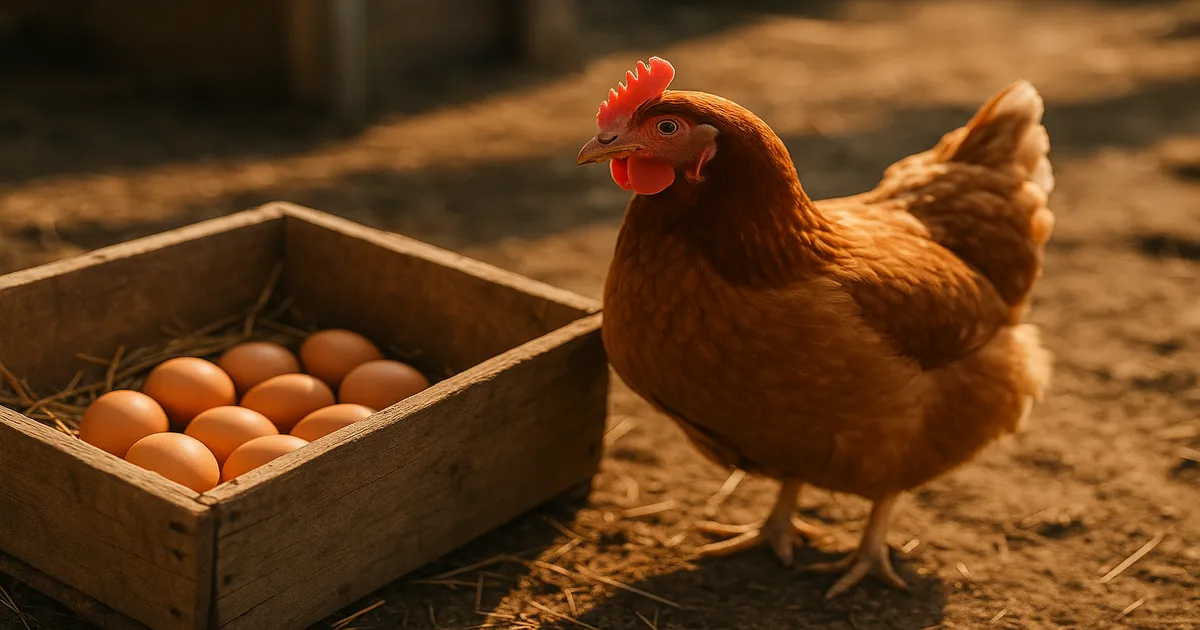
These are the workhorses of the egg world. ISA Browns and Golden Comets are hybrid production breeds that lay 5–7 eggs per week (280–320 per year) and are among the cheapest birds to buy — $4–$10 as chicks, $25–$50 as POL pullets. White Leghorns match that production rate and are similarly priced, though their large single combs make them more vulnerable to frostbite in cold climates.
The trade-off: hybrids have shorter productive lifespans (2–3 years of strong laying versus 4–5 for heritage breeds) and are more prone to reproductive issues as they age.
Hardy All-Rounders: Rhode Island Red, Australorp, Plymouth Rock
These heritage breeds lay 4–6 eggs per week (200–280 per year) and handle cold weather well. They cost a bit more as chicks ($5–$12 sexed) and are excellent choices for northern climates where hardiness matters as much as output. The Black Australorp holds the world record for egg production — 364 eggs in 365 days set during official Australian trials — and is one of the gentlest breeds you’ll find.
Friendly Dual-Purpose Options: Buff Orpington, Sussex
Buff Orpingtons and Sussex hens are beloved for their calm, docile temperaments, making them great for families with children. They lay 3–5 eggs per week (150–250 per year) — respectable, but not the most efficient layers. Buff Orpingtons are notably prone to broodiness, meaning a hen may stop laying for 6–8 weeks at a stretch while she sits on a nest. That’s weeks of feed with no egg output. Chick prices run $5–$12; POL pullets $30–$60.
Colorful Egg Layers: Easter Egger and Ameraucana
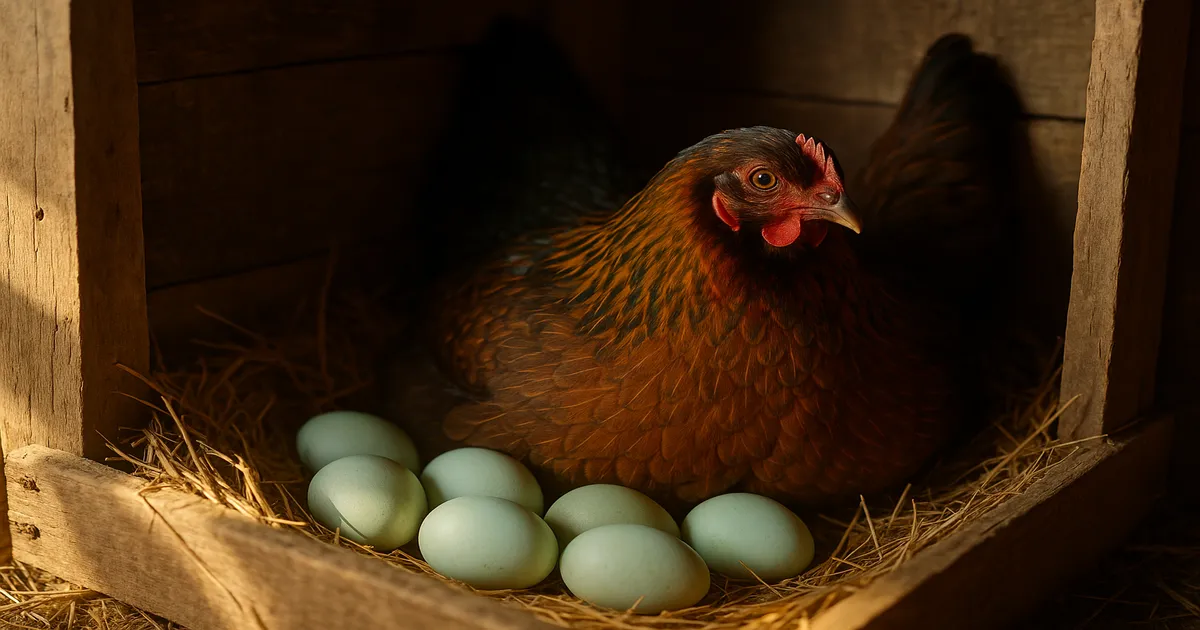
Easter Eggers and true Ameraucanas lay blue or green eggs — a genuine novelty that commands premium prices. True Ameraucana chicks from a reputable breeder run $10–$25+; Easter Eggers are cheaper at $4–$8 but are mixed-breed birds and egg color can vary from blue-green to olive to occasionally brown. Production is moderate at 3–5 eggs per week (150–220 per year).
Note on “Ameraucana” vs. “Araucana” vs. “Easter Egger”: Many hatcheries and feed stores sell Easter Eggers labeled as Ameraucanas. True Ameraucanas are a recognized breed with specific color varieties. If breed purity matters to you, buy from a breeder who can provide documentation.
Breed Price Comparison
| Breed | Eggs/Week | Eggs/Year | Egg Color | Chick Price | POL Price |
|---|---|---|---|---|---|
| ISA Brown | 5–7 | 280–320 | Brown | $4–$8 | $25–$50 |
| Golden Comet | 5–6 | 250–300 | Brown | $4–$8 | $25–$50 |
| White Leghorn | 5–7 | 280–320 | White | $4–$8 | $20–$45 |
| Rhode Island Red | 4–6 | 200–280 | Brown | $5–$10 | $25–$55 |
| Black Australorp | 4–6 | 200–280 | Brown | $5–$10 | $25–$55 |
| Plymouth Rock | 4–5 | 200–260 | Brown | $5–$10 | $25–$55 |
| Sussex | 4–5 | 200–250 | Brown/Tinted | $5–$10 | $30–$60 |
| Buff Orpington | 3–5 | 150–200 | Brown | $5–$12 | $30–$60 |
| Easter Egger | 3–5 | 150–220 | Blue/Green/Pink | $4–$8 | $25–$50 |
| Ameraucana | 3–4 | 150–200 | Blue | $10–$25+ | $50–$150+ |
Where to Buy Egg Laying Hens
Online Hatcheries: Widest Selection
Reputable online hatcheries — Meyer Hatchery, Murray McMurray, Cackle Hatchery, Hoover’s Hatchery, and My Pet Chicken — offer the widest breed selection and ship vaccinated, sexed chicks nationwide. Marek’s disease vaccination is typically included or available for a small upcharge. The downside is you’re buying chicks, not started pullets, and shipping adds stress to young birds.
Local Feed Stores: Convenient but Limited
Feed stores are great for small quantities and impulse buyers. Selection is usually limited to 3–5 popular breeds, availability runs February–May, and vaccination status is often unknown. That said, you can pick your birds in person and skip shipping stress entirely.
Local Breeders and Classifieds: Best for Pullets and Rare Breeds
Craigslist, Facebook Marketplace, and local poultry clubs are your best sources for started pullets, POL pullets, and rare breeds. Always ask: How old is the bird? What is the exact breed? Has she been vaccinated for Marek’s disease? Has she started laying yet? A good local breeder lets you see the flock’s living conditions, ask questions face to face, and often get birds already acclimated to your climate.
Poultry Swaps and Auctions: Bargains With Biosecurity Risks
You can find deals at poultry swaps and auctions, but biosecurity risk is real. Birds from unknown flocks can carry Marek’s disease, respiratory illness, or external parasites. If you buy from a swap, quarantine new birds for at least 30 days before introducing them to your existing flock.
4-H and FFA Students: An Underrated Source
4-H and FFA students often raise quality, well-handled birds and sell them at fair prices in spring and summer. The birds are usually vaccinated, the student can tell you exactly how old they are, and you’re supporting a young farmer. Watch for listings on local community boards and social media groups.
True Startup Costs: Beyond the Hens
Coop: Your Biggest Variable
The coop is almost always the biggest line item in your startup budget. Cheap prefab coops ($300–$800) are tempting but frequently undersized and poorly ventilated — a “4-hen coop” from a big-box store often holds two comfortably. The minimum space requirement is 4 sq ft per bird inside the coop and 10 sq ft per bird in the run, with more space strongly recommended for larger breeds or cold climates where birds spend more time indoors.
- Cheap prefab: $300–$800 — often needs immediate upgrades
- DIY build: $200–$600 in materials — best value if you’re handy
- Quality prefab or custom build: $800–$2,500+ — worth it if budget allows
A sturdy automatic coop door is one of the best investments you can make — it protects against predators and saves you from early-morning and late-evening trips to the coop every single day.
Run Fencing and Predator-Proofing
Budget $100–$400 for run fencing and hardware cloth. Use 1/2-inch hardware cloth — not standard chicken wire, which predators can tear through or reach through — on all openings. Bury an apron 12 inches out from the run perimeter to stop diggers. Your run needs 10 sq ft per bird at minimum; 20–30 sq ft per bird is much better for flock health and reduces feather-pecking from overcrowding.
Feeders, Waterers, and Bedding
Plan on $50–$150 for a good feeder, waterer, and initial bedding. Pine shavings work well for the deep litter method; straw is fine for nesting boxes. If you’re in a cold climate, a heated waterer is worth every penny — frozen water is one of the most common and easily preventable winter problems.
Brooder Setup for Chicks
If you’re starting with chicks, add $50–$150 for a brooder setup: a heat plate or lamp, a small feeder and waterer, and a cardboard or plastic tub. Chicks need 95°F (35°C) for the first week, dropping 5°F each week until they’re fully feathered at around 6 weeks. A radiant heat plate is safer than a heat lamp and does a better job mimicking a mother hen.
Total Startup Cost Estimate for a 6-Hen Flock
| Item | Low End | High End |
|---|---|---|
| 6 hens (POL pullets, common breed) | $150 | $360 |
| Coop | $200 | $2,500 |
| Run fencing and hardware cloth | $100 | $400 |
| Feeders, waterers, bedding | $50 | $150 |
| Brooder setup (chicks only) | $50 | $150 |
| First bag of feed | $20 | $35 |
| Total estimated range | $570 | $3,595 |
Ongoing Annual Costs
Feed: The Biggest Recurring Expense
A standard laying hen eats about 1/4 lb (roughly 1/2 cup) of layer feed per day. Layer feed should contain 16–18% protein and is formulated with added calcium to support eggshell production. At $20–$30 per 50-lb bag, that works out to $40–$80 per hen per year in feed alone. For a 6-hen flock, expect $240–$480 annually just for feed. Hens with access to pasture can reduce feed consumption by 10–30%, which adds up meaningfully over time.
Supplements: Grit and Oyster Shell
Offer coarse granite grit and oyster shell free-choice in separate dishes year-round. Grit helps hens grind up food in their gizzard; oyster shell provides the extra calcium needed for strong eggshells — especially important for high-production breeds. Hens self-regulate both. Combined, expect to spend roughly $10–$20 per year for a small flock. Bedding adds another $20–$50 annually using the deep litter method.
Routine Health Supplies
Budget $20–$50 per year for basics: a broad-spectrum dewormer, wound spray, mite and lice treatment, and a general first-aid kit. Most healthy flocks from reputable sources don’t rack up large vet bills, but it pays to be prepared.
What Does It Cost Per Dozen Eggs?
Adding it all up, expect $80–$150 per hen per year in ongoing costs. For a productive hen laying 250 eggs annually (about 20 dozen), that works out to roughly $4–$7 per dozen — more expensive than store-bought eggs. But that’s not really the point for most backyard keepers. The value is in knowing exactly what your hens eat, the quality and freshness of the eggs, and the experience of keeping them.
What to Realistically Expect From Your Hens
When Do Hens Start Laying?
- Hybrids (ISA Brown, Golden Comet): 16–18 weeks
- Standard breeds (Rhode Island Red, Leghorn, Australorp): 18–22 weeks
- Heavier/dual-purpose breeds (Buff Orpington, Plymouth Rock): 20–26 weeks
- Specialty breeds (Ameraucana, Cream Legbar): 24–30+ weeks
Molting, Winter Slowdowns, and Supplemental Light
Spring is peak production season. As days shorten in fall, most hens slow down significantly, and many stop laying once daylight drops below 12 hours. Adding supplemental light to achieve 14–16 total hours per day keeps hens productive through winter. A simple timer and LED bulb in the coop is all it takes — you don’t need a lot of light, just enough to simulate a longer day.
Every fall, hens also go through their annual molt, dropping old feathers and regrowing new ones. This takes 4–12 weeks and halts egg production completely. It’s normal, but it’s worth knowing before you’re surprised by an empty nest box in October.
How Long Do Hens Lay Productively?
Hens lay best in their first two years. After that, production drops roughly 10–20% per year. A hybrid like an ISA Brown may be largely done by year three; a heritage Rhode Island Red might still lay respectably at four or five years old. Staggering the ages of your birds keeps production more consistent year-round.
Money-Saving Tips for New Flock Owners
Match your breed to your climate. Cold-hardy breeds like Plymouth Rocks, Australorps, and Rhode Island Reds thrive in northern winters without supplemental heat. Breeds with large single combs (White Leghorn) need more protection from frostbite. Getting this right from the start avoids costly workarounds later.
Build or upgrade your coop rather than buying cheap prefabs. A $400 prefab that needs $300 in upgrades costs more than a $600 DIY build done right the first time. Invest in ventilation, hardware cloth, and predator-proof latches from day one.
Buy chicks in spring. Spring chicks raised on the natural light cycle will start laying in late summer or fall, maximizing first-year production. Chicks bought in fall may not lay until the following spring.
Give hens pasture access when possible. Even a small, rotated pasture area lets hens forage for insects, greens, and grit naturally. Combined with the deep litter method in the coop, you can meaningfully cut your annual feed bill.
Prevent health problems before they start. Confirm Marek’s disease vaccination when you buy, quarantine all new birds for 30 days before introducing them to your flock, and keep the coop clean and well-ventilated. Prevention is far cheaper than treatment.
Frequently Asked Questions
How much do egg laying hens cost at Tractor Supply? Day-old chicks at Tractor Supply typically run $4–$8 each during the spring chick season (February–May). Selection is limited to a handful of popular breeds, and vaccination status varies by store. They don’t usually sell started pullets or POL birds.
Is it cheaper to buy chicks or pullets? Chicks cost less upfront ($3–$10 each versus $25–$150+ for POL pullets), but you’ll spend more time and money raising them to laying age — brooder equipment, extra feed, and 4–5 months of waiting. Pullets cost more per bird but get you to eggs faster with less effort. Which is cheaper overall depends on your time, setup, and how you value convenience.
How many hens do I need for a dozen eggs a week? A high-production hen lays roughly 5–6 eggs per week in her prime. Three to four hens will reliably produce a dozen eggs per week during peak season. Keep in mind that production drops in winter and during the annual molt, so four to six hens gives you a comfortable buffer.
What is the cheapest egg laying hen to buy and keep? ISA Browns and Golden Comets are consistently the cheapest to buy ($4–$10 as chicks) and among the most feed-efficient layers, producing 280–320 eggs per year. Their main downside is a shorter productive lifespan compared to heritage breeds.
Do I need a rooster for hens to lay eggs? No. Hens lay eggs without a rooster — the eggs just won’t be fertilized. You only need a rooster if you want to hatch chicks. Many municipalities that allow backyard hens specifically prohibit roosters due to noise, so check your local ordinances before adding one.