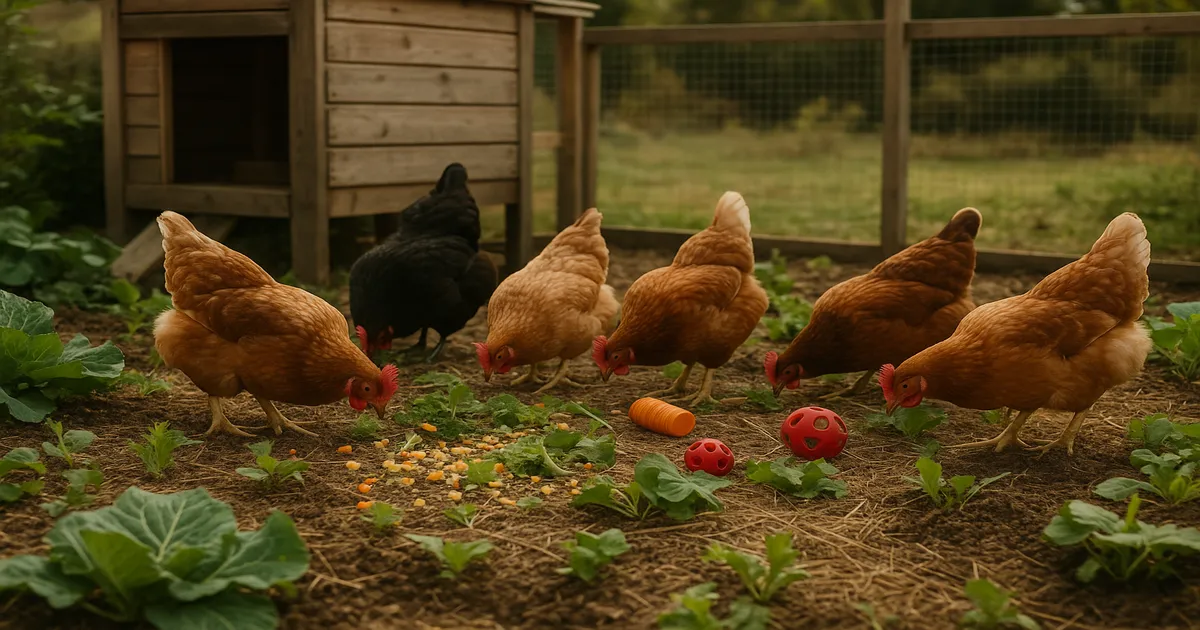
Quick Answer: Boredom in backyard chickens is a real welfare problem that leads to feather pecking, egg eating, bullying, and reduced egg production — sometimes cutting flock output by 10–25%. The fastest fixes are giving birds adequate space, adding foraging opportunities, hanging treat “piñatas,” providing a proper dust bath, and rotating novel objects in the run.
Figuring out how to keep chickens from getting bored isn’t just about keeping your flock happy — it’s about keeping them healthy and productive. Bored birds are stressed birds, and chronic stress suppresses immunity, invites parasites, and turns your peaceful flock into a pecking war zone. The good news: most enrichment strategies cost next to nothing and take minutes to implement.
How to Tell If Your Chickens Are Bored
Feather Pecking and Cannibalism
The most obvious red flag is feather pecking — especially targeting vent feathers, back feathers, and the base of the tail. What starts as mild pecking can escalate quickly once blood is drawn, since chickens are instinctively attracted to the color red. Overcrowded flocks kept below 4 sq ft per bird indoors show significantly more feather-pecking incidents than properly spaced flocks.
Egg Eating and Excessive Noise
Egg eating often starts accidentally — a hen steps on a thin-shelled egg, tastes it, and develops a habit. Boredom accelerates this, since birds with nothing to do are more likely to investigate (and destroy) eggs in the nest box. Excessive squawking and constant loud calling are also signs your flock needs more to do.
Pacing, Bullying, and Aggression
Repetitive pacing along fence lines is a textbook boredom behavior. You’ll also see lower-ranking birds getting chased, pecked, or excluded from feeders and water — not because of normal pecking-order dynamics, but because higher-ranking birds have excess energy with nowhere to direct it. Chronically bored flocks also show higher rates of respiratory disease, since elevated cortisol suppresses immune function over time.
Breed Matters: Which Chickens Get Bored Most Easily
High-Energy Breeds That Need the Most Stimulation
Some breeds are wired for wide-open spaces and get visibly frustrated in confinement. These are your highest-risk birds for boredom-related problems:
- Leghorn — active, flighty, poor confinement tolerance
- Easter Egger — curious and intelligent; gets destructive when under-stimulated
- Ancona — extremely active, needs room and mental engagement
- Hamburg — alert and nervous; one of the worst breeds for small runs
- Welsummer — natural foragers who do poorly without space to roam
If you keep any of these birds, enrichment isn’t optional — it’s essential.
Moderate-Activity Breeds
Rhode Island Reds, Plymouth Rocks, Sussex, Australorps, and Wyandottes fall in the middle. They’re curious and active enough to benefit significantly from enrichment, but they handle a standard setup reasonably well as long as space requirements are met.
Calm Breeds Best Suited to Smaller Spaces
Buff Orpingtons, Brahmas, Cochins, Silkies, and Jersey Giants are your most forgiving breeds in tighter setups. They’re docile, lower-energy, and far less prone to feather pecking. That said, even calm breeds still need dust bath access and basic enrichment.
Managing Mixed Flocks
Mixing active breeds like Leghorns with calm breeds like Silkies is a recipe for trouble. The high-energy birds will peck the docile ones — not out of malice, but out of boredom and frustration. If you have a mixed flock, prioritize enrichment for the whole group, provide multiple feeding stations, and give calmer birds places to escape and hide.
Coop and Run Setup: The Foundation of Boredom Prevention
How Much Space Do Chickens Really Need?
Space is the single biggest factor in boredom prevention. The minimums:
- Indoor coop: 4 sq ft per standard bird (absolute minimum); 6–8 sq ft recommended for active breeds
- Outdoor run: 10 sq ft per bird minimum; 15–20 sq ft for high-energy breeds
- Free-range: Ideal — free-ranging birds walk 1–2 miles per day and perform hundreds of natural foraging behaviors
More space is almost always the cheapest long-term fix for a problem flock.
Roost Bar Design
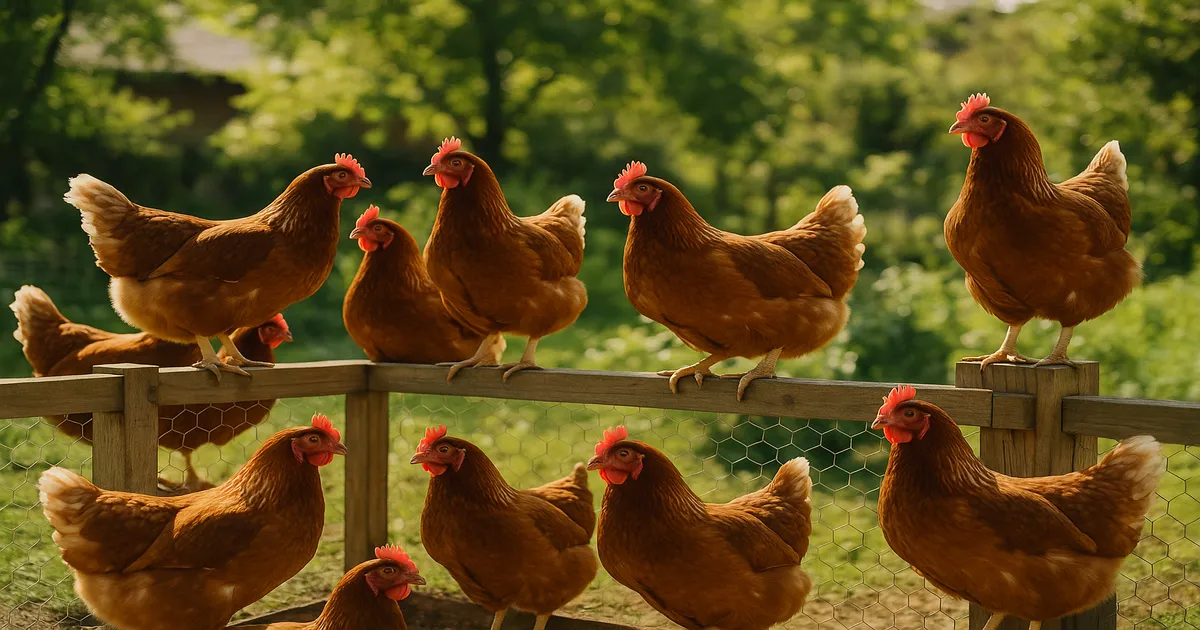
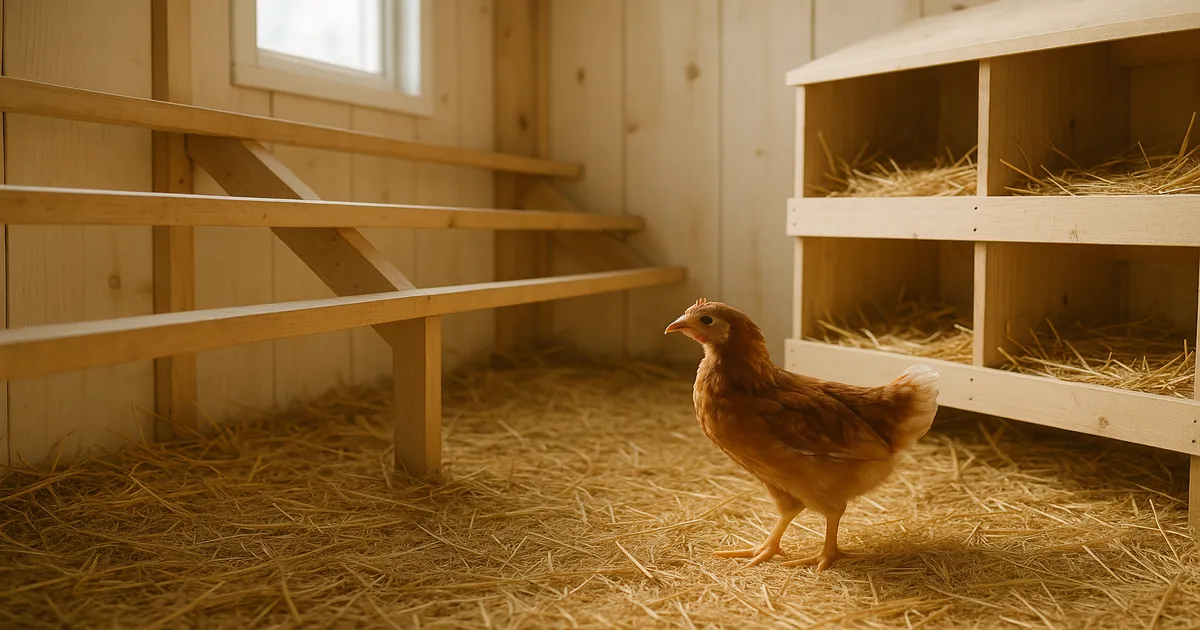
Use flat 2×4 boards with the wide side up — they let birds cover their feet in cold weather and are easier on legs than round dowels. Allow 8–10 inches of linear roost space per standard bird, position bars 18–36 inches off the floor, and keep them at least 10–12 inches from the wall so birds can balance comfortably.
Nesting Boxes and Ventilation
Aim for one nesting box per 4–5 hens. Boxes should be 12×12 inches for standard breeds, positioned 12–18 inches off the floor (lower than roost bars), and filled with 3–4 inches of straw or pine shavings. Hens that can’t access nesting boxes due to crowding or bullying become stressed and may start floor-laying or eating eggs.
On ventilation: ammonia above 25 ppm causes respiratory irritation and compounds stress-related behaviors. You can’t always smell it yourself before it’s affecting your birds. Aim for at least 1 sq ft of ventilation per 10 sq ft of coop floor, positioned high on walls so fumes escape without creating drafts at bird level.
Foraging and Feeding Enrichment: How to Keep Chickens from Getting Bored at Mealtime
Scatter Feeding and Deep Litter
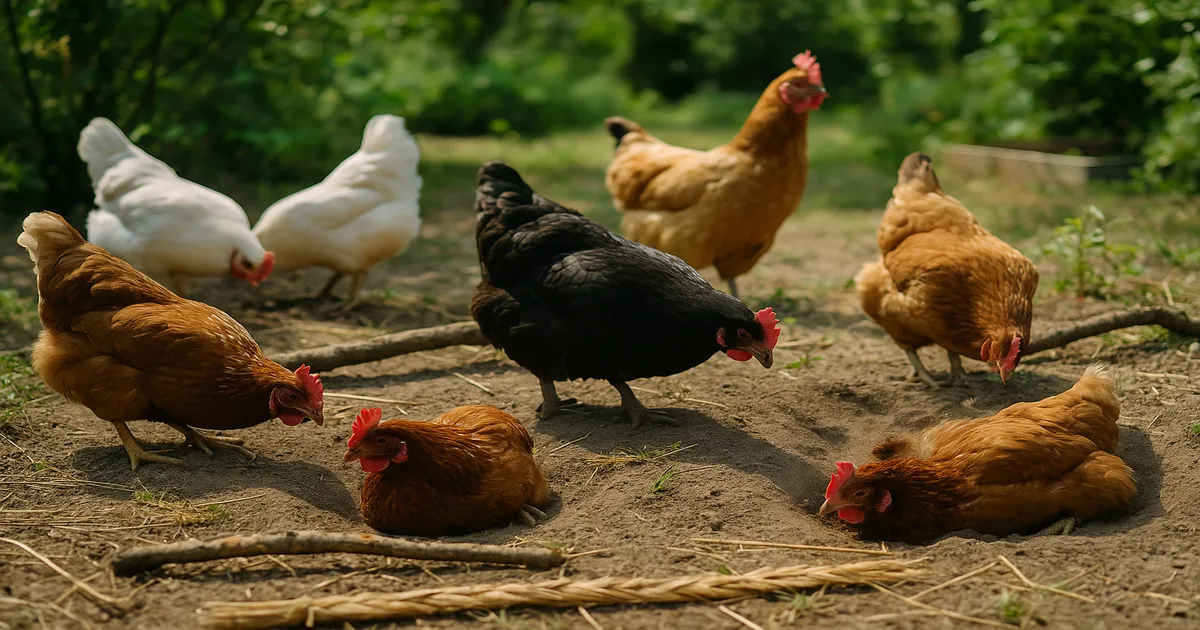
Instead of dumping feed into a trough, scatter scratch grains into deep litter or grass. This triggers 30–60 minutes of natural foraging behavior per feeding — birds scratch, peck, and hunt, which is exactly what they’re designed to do. Using a quality pine shaving bedding gives birds something to work through all day, not just at feeding time.
Fermented Feed
Fermenting your layer feed increases nutrient bioavailability and produces a wet mash that takes significantly longer to eat than pellets. Birds tend to consume about 15–20% less by volume, which means lower feed costs alongside better gut health. It’s one of the highest-value enrichment upgrades you can make with zero equipment cost.
The Chicken Piñata and Other Hanging Treats
Hang a whole cabbage or head of lettuce at head height using baling twine — your birds will spend an hour batting it around and pecking at it. Other excellent hanging options include half a watermelon (especially in summer), a pumpkin cut in half, or a mesh treat feeder stuffed with leafy greens. (Ware Manufacturing Chicken Veggie Ball) The motion and the challenge keep birds engaged far longer than a treat simply tossed on the ground.
Best Treats for Enrichment (and the 10% Rule)
A standard hen eats about 113 grams (¼ lb) of feed per day, so treats should stay under roughly 11 grams — about 10% of total diet. Best enrichment-friendly options:
- Dried mealworms — high protein; limit to 1 tablespoon per bird per day to avoid displacing balanced layer feed
- Scratch grains — low in nutrition but an excellent foraging trigger; scatter, don’t pile
- Sunflower seeds — great in winter for extra calories; use sparingly in summer
- Watermelon, cucumber, pumpkin — hydrating, nutritious, and keeps birds busy
Never offer avocado (toxic), onions (causes hemolytic anemia), chocolate, raw beans, green potato skins, or anything moldy. These aren’t just low-value treats — several are genuinely dangerous.
Enrichment Activities and DIY Boredom Busters
Dust Baths: A Behavioral Necessity
A dust bath isn’t a luxury — it’s a hardwired behavioral need and your number-one natural parasite prevention tool. Birds without access are far more likely to develop heavy mite loads. Aim for:
- Size: Minimum 12×12 inches per bird; bigger is always better
- Depth: 4–6 inches
- Fill: Dry dirt, wood ash, food-grade diatomaceous earth, or a mix of all three
If your run stays wet, build a covered dust bath area or use a large rubber tub filled with dry material inside the coop. A purpose-built option like the RentACoop Chicken Dust Bath Box keeps the material contained and dry.
Puzzle Feeders and Treat Dispensers
Puzzle feeders are especially effective for intelligent breeds like Easter Eggers and Leghorns. Birds have to roll, peck, and manipulate the feeder to release food — it’s slow, engaging, and mimics natural foraging. A treat ball like the Lixit Chicken Toy Treat Ball works well, and so does a simple PVC pipe with holes drilled in it and filled with scratch grains.
Novel Objects and Exploration Zones
Chickens are curious — new objects in the run hold their attention for days. Try logs and stumps for jumping and perching, low platforms at different heights to create vertical space, hanging CDs or mirrors, or even xylophone toys designed for parrots. Rotate objects every week or two. Novelty is the key; the same log in the same spot loses its appeal fast.
Safe Free-Range Time
Even 30–60 minutes of supervised free-range time per day makes a measurable difference in boredom behaviors. If full free-ranging isn’t safe due to predators, a chicken tractor moved daily gives birds fresh ground to explore without the risk. The Omlet Eglu Cube is a well-built option that’s easy to relocate.
Seasonal Boredom Management
Winter: Peak Boredom Season
Winter is when enrichment matters most. Days are short, ground is frozen, and birds spend far more time confined. Scatter feed in deep litter multiple times a day, hang treat piñatas inside the coop, and add extra perches and platforms. A flock left to stand around in a bare winter coop will find its own entertainment — and you won’t like what it chooses.
Egg production drops significantly when daylight falls below 14 hours. A 9-watt LED bulb on a timer set to extend morning light (not evening — abrupt darkness can trap birds off roosts) up to 14–16 hours total helps maintain routine and production. Increase light gradually at 15 minutes per week to avoid stressing the birds’ systems.
Molt Season: Extra Enrichment When Birds Are Irritable
Molt typically hits in fall, halts laying for 6–12 weeks, and leaves birds uncomfortable and short-tempered. Boost protein to 18–20% to support feather regrowth, offer extra mealworms and sunflower seeds, and give birds more space and distraction to reduce pecking at each other’s pin feathers.
Summer: Hydration and Shade
Above 90°F (32°C), water intake roughly doubles — keep waterers full and add electrolytes during heat waves. For enrichment, freeze watermelon chunks, berries, or peas in a block of ice and let birds peck it apart. Make sure the run has adequate shade; heat-stressed birds are irritable and more likely to fight.
Treating Boredom-Related Health Problems
Feather Pecking Wounds
Once a bird is pecked to the point of bleeding, the wound becomes a target for the rest of the flock and an entry point for bacteria. Treat wounds immediately with a blue-colored antiseptic spray to discourage further pecking — chickens are less attracted to blue than red. Vetericyn Plus Poultry Care Spray is a reliable option. Isolate severely injured birds until fully healed.
Bumblefoot from Pacing on Hard Surfaces
Birds that pace on wire floors or concrete develop abrasions on their foot pads that allow Staphylococcus bacteria to enter — the result is bumblefoot, a painful and stubborn infection. Treat by soaking the foot in warm Epsom salt water (1 cup per gallon) for 10–15 minutes, gently cleaning the wound, applying an antiseptic, and bandaging. Prevent it by providing soft bedding, avoiding wire floors, and reducing pacing behavior through enrichment.
Frequently Asked Questions
What are the signs that chickens are bored?
The clearest signs are feather pecking (especially back and vent feathers), egg eating, repetitive pacing along fence lines, excessive loud squawking, and bullying of lower-ranking birds. You may also notice birds standing around listlessly rather than scratching and foraging. Any of these behaviors should prompt an immediate look at space, enrichment, and flock density.
How do I stop chickens from feather pecking out of boredom?
Start by checking space — flocks below 4 sq ft per bird indoors are at high risk. Then add foraging enrichment: scatter feed in deep litter, hang a cabbage piñata, and provide a proper dust bath. For active breeds like Leghorns or Easter Eggers, puzzle feeders and free-range time make a significant difference. Treat any open wounds immediately with a blue antiseptic spray to prevent escalation.
What can I put in a chicken run to keep chickens entertained?
The most effective additions are a covered dust bath, hanging treat dispensers (cabbage, watermelon, mesh bags of greens), logs and stumps for perching, low platforms at different heights, and a puzzle feeder or treat ball. Rotate objects regularly — the same setup loses its appeal within a week or two. Even a pile of leaves or a fresh patch of dirt keeps birds busy for hours.
Which chicken breeds are most prone to boredom in small spaces?
Leghorns, Hamburgs, Anconas, Easter Eggers, and Welsummers are the highest-risk breeds — active, intelligent, and poorly suited to confinement. If you keep these birds in a smaller setup, enrichment is non-negotiable. Buff Orpingtons, Brahmas, Cochins, and Silkies are much more forgiving in tighter spaces, though they still benefit from enrichment.
Do chickens need enrichment in winter?
Absolutely — winter is when enrichment matters most. Birds are confined longer, days are short, and there’s nothing to forage outside. Scatter feed in deep litter multiple times daily, hang treat piñatas inside the coop, add extra perches, and use a timer-controlled LED bulb to maintain 14–16 hours of light. Without active intervention, winter confinement reliably produces feather pecking and bullying.