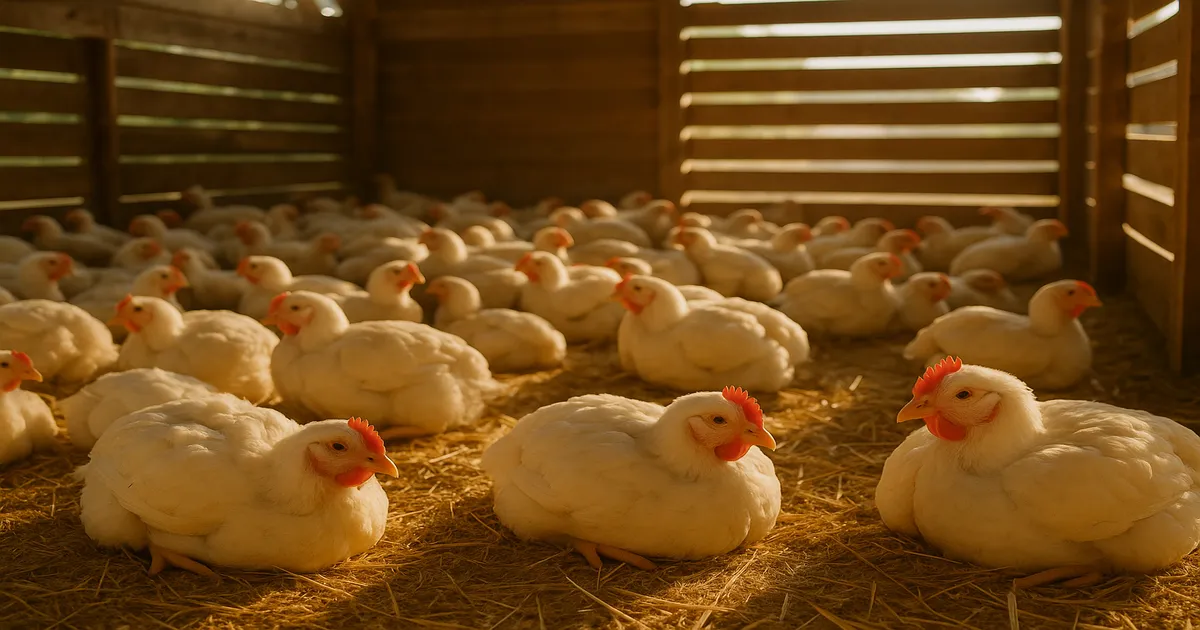
Quick Answer: Yes, you can raise broiler chickens for profit at small farm scale — but success depends on choosing the right breed, controlling feed costs, and selling direct-to-consumer rather than wholesale. Cornish Cross reach market weight in just 6–8 weeks with a feed conversion ratio (FCR) of 1.8–2.0:1, making them the most efficient option for most small producers. Expect net profits of $3–$8 per bird depending on your system, pricing, and how well you manage the biggest cost driver: feed.
Learning how to raise broiler chickens for profit is fundamentally different from keeping laying hens. There are no eggs to count, no long production cycles to plan around — just a tight 6–10 week window where feed management, housing quality, and your sales channel determine whether you come out ahead. Get those three things right, and broilers can be one of the most efficient ways to generate income from a small farm.
Can You Raise Broiler Chickens for Profit?
What Makes Broilers Different From Laying Hens
Broilers are purpose-bred for one thing: rapid muscle growth. A Cornish Cross chick hatched on Monday can be a 5–6 lb bird ready for processing in just 6–8 weeks. That’s a completely different production model than waiting 18–20 weeks for a pullet to lay her first egg.
The trade-off is that broilers are metabolically intense. They eat constantly, produce large amounts of ammonia and moisture, and are far more sensitive to heat and poor air quality than laying hens. Your housing and management systems need to reflect that from day one.
Realistic Profit Expectations at Small Farm Scale
Feed represents 65–75% of your total production cost, so every decision you make — breed choice, feed quality, litter management — ultimately flows back to that number. At current bulk feed prices, a Cornish Cross bird costs roughly $4.50–$7.20 in feed alone to reach market weight.
Selling direct-to-consumer is the single biggest profit lever available to small producers. Wholesale pricing rarely covers costs at small scale. Sell at a farmers market or farm gate at $5–$8/lb for pasture-raised birds, and a net profit of $5–$8 per bird is achievable. Sell to a restaurant distributor at $2.50/lb, and you’ll likely lose money.
Best Broiler Chicken Breeds for Profit
Cornish Cross: The Industry Standard for Maximum Efficiency
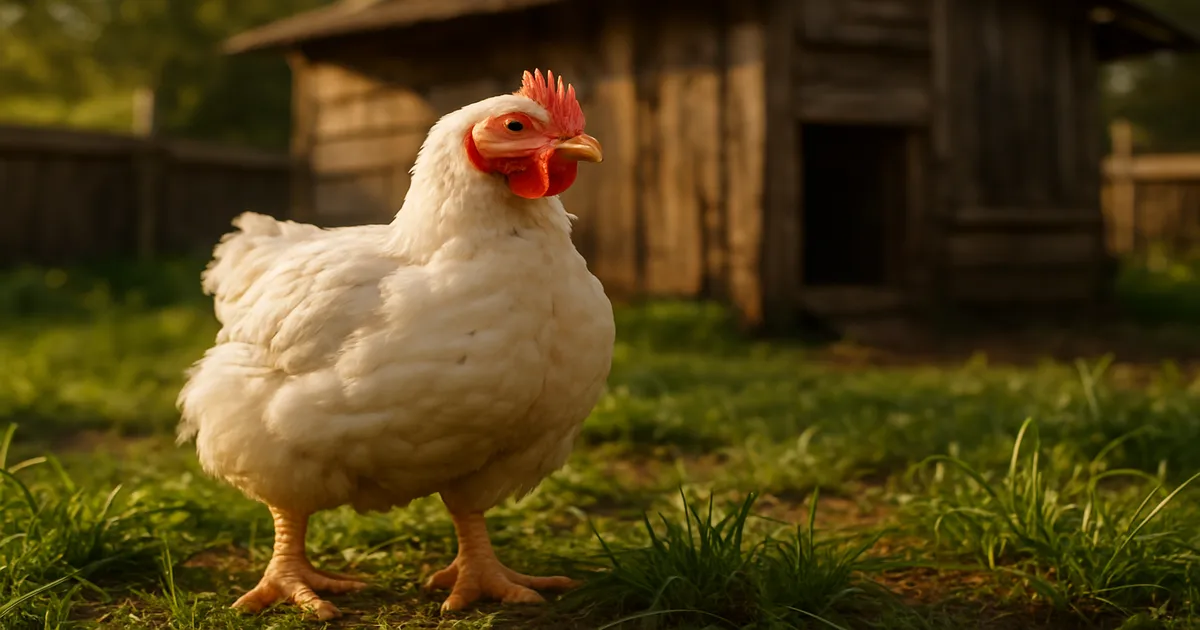
The Cornish Cross — a hybrid of the White Cornish and White Plymouth Rock — is the dominant commercial broiler for good reason. Its FCR of 1.8–2.0:1 means you’re spending less on feed per pound of gain than any other breed. Birds reach 5–6 lbs in 6–8 weeks, and the broad-breasted carcass is exactly what most customers expect.
The catch: Cornish Cross cannot reproduce true-to-type. They’re a proprietary F1 hybrid, so you must purchase new chicks every cycle from a hatchery. Plan on $3–$6 per chick.
Freedom Rangers: The Pasture-Raised Premium Option
Freedom Rangers — and similar strains like Red Rangers and Black Rangers — take 9–11 weeks to reach market weight and carry an FCR of 2.5–3.0:1. Less efficient than Cornish Cross, yes, but they’re active foragers that genuinely thrive in pasture-based systems. The firmer, more flavorful meat commands premium pricing at farmers markets, often $6–$9/lb, which more than compensates for the higher feed cost. If you’re marketing pasture-raised or slow-grown chicken, Freedom Rangers are a natural fit.
Heritage Breeds: When Do They Make Financial Sense?
Breeds like Delaware and Buckeye take 16–24 weeks to reach market weight with FCRs of 3.5–4.5:1. Feed cost per bird can run $8.75–$12.60 — before chick cost, bedding, or processing. They only pencil out if you’re selling at artisan price points of $10–$14/lb to a customer base that specifically seeks those breeds.
Rhode Island Reds and Barred Plymouth Rocks fall into the same category. Great dual-purpose birds, but not competitive as commercial broilers unless you’ve built the premium market to support them.
Breed Comparison: FCR, Growth Rate, and Profit Potential
| Breed | Weeks to Market | FCR | Feed Cost Per Bird | Price Point |
|---|---|---|---|---|
| Cornish Cross | 6–8 weeks | 1.8–2.0:1 | $4.50–$5.60 | $3–$5/lb conventional; $5–$8/lb pasture |
| Freedom Ranger | 9–11 weeks | 2.5–3.0:1 | $6.25–$8.40 | $5–$9/lb pasture-raised |
| Delaware / Heritage | 16–24 weeks | 3.5–4.5:1 | $8.75–$12.60 | $10–$14/lb artisan/heritage |
Broiler Chicken Housing and Setup
Space Requirements by Age and System
Broilers need more space as they grow — and Cornish Cross grow fast. A practical rule of thumb:
- Weeks 1–3: 0.75–1.0 sq ft per bird in the brooder
- Weeks 3–6: 1.0–1.5 sq ft per bird
- Weeks 6–8 (finishing): 2.0 sq ft per bird minimum
Note that these are broiler-specific densities for short-cycle meat production in managed indoor or pasture-pen systems. They differ from the general backyard flock standard of 4 sq ft per bird inside and 10 sq ft in an outdoor run, which applies to laying hens kept long-term. Crowd broilers at the finish and you’ll pay for it in heat stress, leg problems, and carcass downgrades.
Conventional Indoor Housing for Cornish Cross
A dedicated broiler house doesn’t need to be elaborate. For 100-bird batches, a 10×20 ft (200 sq ft) structure works well. Cornish Cross don’t roost — they’re too heavy — so skip the roost bars entirely and focus your energy on ventilation and litter management instead.
Pasture Pens and Chicken Tractors for Freedom Rangers
The Joel Salatin-style pasture pen — typically 10×12 ft, housing 75–100 birds — is the workhorse of small-scale pastured broiler production. Move it daily onto fresh grass and you get natural pasture fertilization, reduced disease pressure, and the marketing story that justifies premium pricing. Aim for 500–1,000 birds per acre per season to avoid overgrazing and soil compaction.
Ventilation: The Most Critical Factor in Broiler Housing
Broilers produce staggering amounts of ammonia and moisture as they grow. Ammonia above 25 ppm damages respiratory tissue and suppresses immune function — and by the time you can smell it strongly, you’re already there. Target a minimum of 1 CFM (cubic feet per minute) per bird in mild weather, scaling up to 4–6 CFM per bird in hot conditions. Ridge vents combined with sidewall inlets work well for small houses; operations of 500+ birds should consider tunnel ventilation with dedicated exhaust fans.
Litter Management and Why It Directly Affects Your Profit
Start with 4–6 inches of pine shavings — never cedar, which releases aromatic compounds that irritate the respiratory tract. Target litter moisture between 25–35%. Wet litter causes footpad dermatitis, breast blisters, and respiratory disease, all of which reduce carcass value and drive up mortality. Stir litter every 2–3 days, add fresh material as needed, and do a full cleanout between every batch with at least a 2-week downtime for biosecurity.
Feeding Broiler Chickens to Maximise Growth and Profit
The Three Feed Phases: Starter, Grower, and Finisher
Matching feed protein to growth stage directly affects your FCR and your feed bill.
- Starter (Days 1–10): 22–24% crude protein, crumble form. Muscle development is most rapid here.
- Grower (Days 11–21): 20–22% crude protein, crumbles or small pellets. Consumption rises to roughly 2–3 oz per bird per day.
- Finisher (Day 22 to processing): 18–20% crude protein, pellets. Birds eat 4–8 oz per day in the final weeks. Switch to non-medicated finisher at least 5–7 days before processing to observe any required withdrawal periods.
How Much Feed Does a Broiler Chicken Eat?
A Cornish Cross bird consumes 15–18 lbs of total feed over its 6–8 week life to reach a 5–6 lb live weight. At bulk feed prices of $0.30–$0.40/lb, that’s $4.50–$7.20 in feed per bird. Ad libitum (free-choice) feeding is standard — Cornish Cross are bred to eat constantly, and restricting access stunts growth and worsens FCR.
Withdraw feed 8–12 hours before processing to empty the digestive tract and reduce contamination risk. Never withdraw water.
Understanding Feed Conversion Ratio (FCR)
FCR is the single most important number in broiler production. It tells you how many pounds of feed it takes to produce one pound of live weight. A Cornish Cross at 2.0:1 is dramatically more profitable than a heritage breed at 4.0:1 — even if you’re selling the heritage bird at twice the price. Track your FCR every batch. If it’s creeping above 2.2:1 on Cornish Cross, investigate feed waste, feeder height, or health issues before the next cycle.
Water Requirements and Drinker Setup
Broilers drink roughly twice their feed weight in water. By weeks 5–8, that’s approximately 1.5–2.0 cups (355–475 ml) per bird per day. Nipple drinkers are strongly recommended over open founts — they keep litter dry, which is essential for health and carcass quality. In summer, keep water cool (50–70°F / 10–21°C). Cold water is one of the cheapest and most effective tools for managing heat stress.
What Not to Feed Broilers
Treats and scraps should stay under 10% of total diet — anything more dilutes protein balance and hurts FCR. Safe options include watermelon, leafy greens, and small amounts of corn. Pasture forage can contribute 5–15% of nutritional intake in well-managed systems.
One firm rule: never feed layer pellets to broilers. Layer feed contains elevated calcium (3.5–4.5%) formulated for eggshell production. That level of calcium causes kidney damage and visceral gout in meat birds. Use a dedicated broiler feed at every stage.
Broiler Chicken Health: Preventing the Diseases That Kill Your Margin
Coccidiosis: The Biggest Killer in Weeks 2–5
Coccidiosis is caused by Eimeria parasites that destroy gut lining, and it hits hardest between weeks 2 and 5. Watch for bloody or watery diarrhea, lethargy, hunched posture, and sudden deaths. Amprolium (Corid) is the standard treatment — 1.5 tsp of the 9.6% liquid solution per gallon of water for 5–7 days as the sole water source in active outbreaks, or at half that rate as a preventive. Always follow label directions and consult your vet for severe cases. Medicated starter feed containing Amprolium is the simplest prevention strategy for most small operations. Dry litter and adequate space are your best non-chemical defenses.
Respiratory Disease and Ventilation Failures
Poor ventilation is the root cause of most respiratory disease in broiler flocks. High ammonia and moisture levels damage the respiratory epithelium, making birds susceptible to bacterial infections like Mycoplasma and E. coli. Fix ventilation first — most “respiratory disease” outbreaks on small farms are really ventilation failures in disguise.
Leg Problems in Fast-Growing Breeds
Cornish Cross grow so fast that their skeletal and cardiovascular systems struggle to keep up. Wet litter accelerates footpad problems; overcrowding limits movement. Keep litter dry, don’t push stocking density beyond 2 sq ft per bird at finishing, and avoid slippery surfaces in the brooder. Some producers restrict overnight feed access for Freedom Rangers to slow growth slightly and reduce leg issues.
Heat Stress: Managing Your Biggest Seasonal Risk
Cornish Cross are particularly vulnerable to heat stress in weeks 5–8, when body mass is high and feathering is complete. Mortality can spike rapidly above 85°F (29°C). Proven strategies include:
- Refreshing cold water multiple times per day
- Increasing ventilation to 4–6 CFM per bird
- Reducing stocking density in summer batches
- Feeding in the early morning and evening when temperatures are lowest
- Offering watermelon or frozen treats to encourage water intake
Mortality Rate Benchmarks
| Mortality Rate | Assessment |
|---|---|
| Under 3% | Excellent — your management is working |
| 3–5% | Acceptable for most small farm operations |
| 5–8% | Investigate housing, feed, and health protocols |
| Above 8% | Significant profit loss — identify the cause immediately |
Reducing mortality from 8% to 3% on a 500-bird batch at $5 net profit per bird adds $125 directly to your bottom line. Health management is profit management.
Production Costs and Profit Calculations
Full Cost Breakdown Per Bird
| Cost Item | Estimated Cost Per Bird |
|---|---|
| Day-old chick | $3.00–$6.00 |
| Feed (15–18 lbs at $0.30–$0.40/lb) | $4.50–$7.20 |
| Bedding (pine shavings, per bird share) | $0.25–$0.50 |
| Processing (mobile processor or DIY) | $3.00–$6.00 |
| Overhead (utilities, equipment amortized) | $0.50–$1.50 |
| Total estimated cost per bird | $11.25–$21.20 |
At a dressed weight of roughly 4–4.5 lbs and a sale price of $5–$8/lb, gross revenue per bird runs $20–$36. That leaves a net margin of $3–$8 per bird in a well-managed direct-sales operation.
Pricing Your Broilers
- Conventional/standard: $3–$5/lb
- Pasture-raised (direct-to-consumer): $5–$8/lb
- Heritage/artisan: $8–$12/lb
- Wholesale to restaurants or distributors: $2–$3/lb (rarely profitable at small scale)
The farmers market and farm-gate direct model is where small producers make money. Wholesale is a volume game that small farms almost never win.
Break-Even Analysis
| Batch Size | Total Cost (est.) | Break-Even Price/lb (4.5 lb dressed) | Net Profit at $6/lb |
|---|---|---|---|
| 50 birds | ~$750–$1,050 | ~$3.33–$4.67/lb | ~$300–$600 |
| 100 birds | ~$1,400–$2,000 | ~$3.11–$4.44/lb | ~$700–$1,300 |
| 500 birds | ~$6,500–$9,500 | ~$2.89–$4.22/lb | ~$3,500–$6,500 |
Larger batches spread fixed costs across more birds and improve your per-bird margin. But don’t scale faster than your management systems can handle — a disease event in a 500-bird batch is a much bigger problem than in a 50-bird batch.
Seasonal Management for Year-Round Profitability
Spring and Fall: Your Best Production Windows
Spring and fall are your most profitable batches. Mild temperatures mean lower brooding costs, minimal heat stress at finishing, and historically lower mortality. If you can only run a limited number of batches per year, prioritize March–May and September–November.
Summer Heat Management
Summer production is possible but demands active management. The combination of high ambient temperature and the metabolic heat generated by fast-growing Cornish Cross in weeks 5–8 is genuinely dangerous. Run smaller batches, increase ventilation capacity, and consider switching to Freedom Rangers — their leaner build and more active lifestyle makes them more heat-tolerant.
Winter Brooding and Cold-Weather Adjustments
Cold weather increases brooding costs but can improve market pricing, especially around Thanksgiving and Christmas. Insulate your broiler house to R-11 to R-19 in cold climates. Chicks need 95°F (35°C) at floor level in week 1, dropping by about 5°F (3°C) each week — in a poorly insulated building in January, that’s expensive to maintain.
Planning Your Annual Batch Schedule
A well-organized schedule can support 4–6 batches per year with Cornish Cross. Build in a minimum 2-week downtime between batches for full cleanout, drying, and biosecurity reset. Sample schedule:
| Batch | Chick Arrival | Processing | Notes |
|---|---|---|---|
| 1 | Early March | Mid-April | Spring — optimal conditions |
| 2 | Mid-May | Late June | Watch heat in finishing weeks |
| 3 | Early August | Mid-September | Reduce density; heat management critical |
| 4 | Early October | Mid-November | Thanksgiving market timing |
| 5 | Late November | Early January | Holiday pricing premium |
Frequently Asked Questions
How many broiler chickens do I need to raise to make a profit? Even 50 birds per batch can be profitable if you’re selling direct-to-consumer at $5–$8/lb. At that scale, expect $300–$600 net profit per batch after costs. The economics improve significantly at 100–200 birds, where fixed costs are spread across more birds without requiring major infrastructure upgrades.
How long does it take to raise broiler chickens for profit? Cornish Cross reach processing weight in 6–8 weeks. Add 1–2 weeks for brooder setup and 2 weeks of downtime between batches, and each production cycle runs about 10–12 weeks from chick arrival to sale. You can realistically complete 4–5 batches per year.
What is the best feed for broiler chickens? A three-phase program — 22–24% protein starter, 20–22% grower, 18–20% finisher — gives the best FCR and growth rate. Use medicated starter (containing Amprolium) unless your chicks are vaccinated for coccidiosis. Switch to non-medicated finisher at least 5–7 days before processing.
Do I need a license to sell broiler chickens? Rules vary by state and country. In the US, many states allow small producers to sell directly to consumers under “cottage food” or USDA exemptions (the 1,000-bird exemption is commonly cited, though limits differ by state). Check your state’s department of agriculture website before your first sale — processing and labeling requirements can catch new producers off guard.
Can I raise broiler chickens on pasture? Yes. Freedom Rangers and Red Rangers are specifically bred for pasture systems and perform well in daily-move chicken tractors. Cornish Cross can also be pastured, though their limited mobility means they benefit from smaller pens moved more frequently. Pasture-raised birds command premium prices that more than offset the slightly higher feed costs.