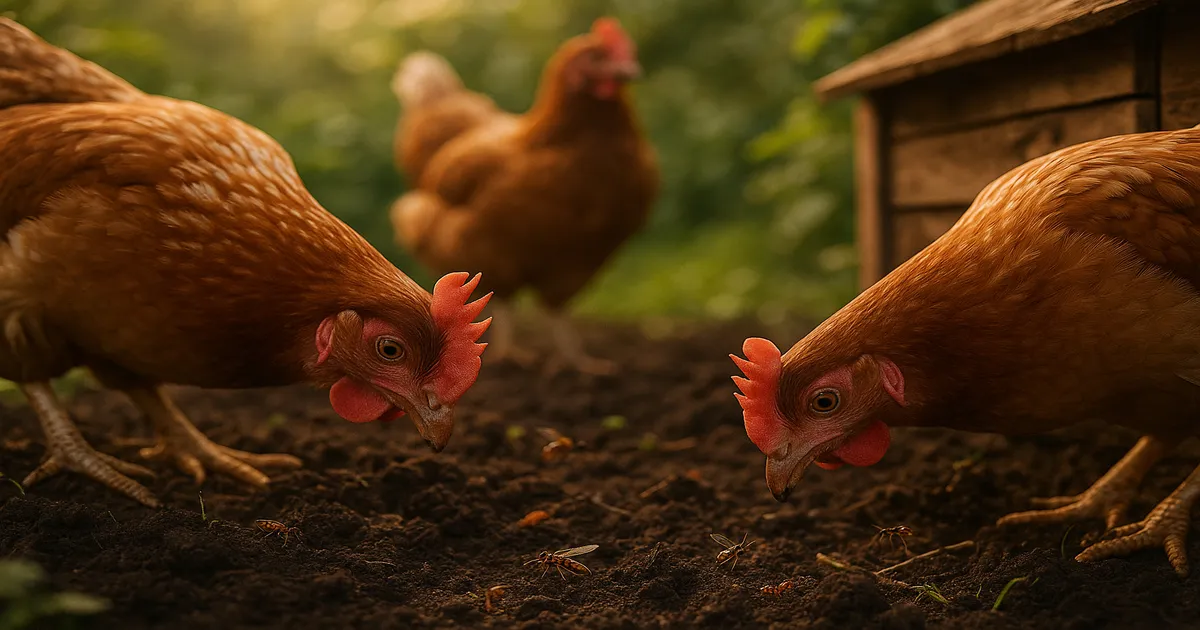
Quick Answer: Yes, chickens will eat fly predators. These tiny parasitic wasps — roughly 1–2mm in size — are placed in the same moist bedding and manure that chickens scratch through all day, making accidental consumption nearly inevitable. The good news is that with smart placement and a few simple tools, you can run a successful fly predator program alongside an active flock.
If you’ve ever wondered whether will chickens eat fly predators is a real concern, the short answer is: absolutely. Backyard keepers discover this the hard way every summer — they release a bag of beneficial wasps into the coop, their Rhode Island Reds or Leghorns get there first, and the fly problem continues uninterrupted. It’s one of the most common integrated pest management (IPM) mistakes in small-flock keeping, and it’s entirely preventable once you understand what’s happening.
What Are Fly Predators and How Do They Work?
Fly predators are commercially sold parasitic wasps, most commonly Spalangia cameroni, Muscidifurax zaraptor, and Muscidifurax raptorellus. They’re tiny — 1–2mm, roughly the size of a sesame seed — and completely harmless to humans, livestock, and chickens. They don’t sting, don’t bite, and won’t swarm. Most people never even notice them.
Their job is to find fly pupae buried in the top 1–2 inches of moist manure or bedding and lay their eggs inside them, killing the developing fly before it ever hatches. In warm conditions between 75–85°F (24–29°C), they complete their life cycle in about 3–4 weeks.
Instead of killing adult flies after they’ve already emerged and multiplied, fly predators break the cycle at the pupal stage. One parasitized pupa means one fewer fly — and potentially hundreds fewer flies down the line, since a single house fly can produce 500–1,000 offspring in its short life. This is why fly predators work best as a preventive tool rather than a quick fix. Consistent releases through fly season can dramatically reduce pressure over time, but they won’t eliminate an existing infestation overnight.
Where to Buy Fly Predators and Release Rates
Reputable suppliers include Spalding Labs, NaturesGoodGuys, and Arbico Organics.
A standard release rate is 500 fly predators per animal unit — roughly 10–15 chickens counts as one unit — released every 2–4 weeks throughout fly season. In hot, humid climates where fly pressure is intense, lean toward the shorter interval.
Will Chickens Eat Fly Predators? Understanding the Foraging Instinct
Why Chickens Target Them
Chickens have exceptional eyesight, including sharp monocular vision capable of detecting objects as small as 1mm. A tiny wasp in a pile of bran isn’t invisible to your flock — it’s a snack. Their eyes are tuned for exactly this kind of ground-level insect detection, and they act on it instantly.
Fly predators are shipped in a carrier medium — typically bran or fine wood chips — that keeps the pupae moist during transit. Chickens find this material interesting and palatable. They’re not specifically hunting the wasps; they’re doing what chickens always do, scratching and pecking at anything on the ground. The beneficial insects get consumed as collateral damage.
How Quickly Can Chickens Wipe Out a Release?
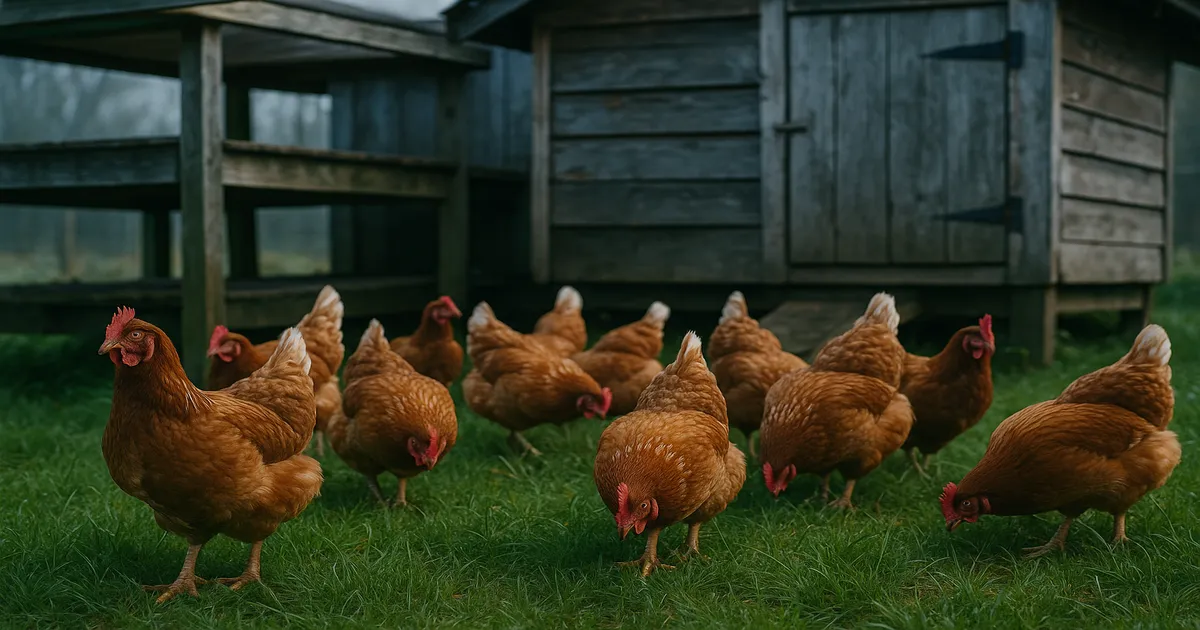
Faster than you’d expect. Keeper reports consistently describe a significant portion of a release being consumed within hours when fly predators are dropped into an accessible area. An active scratching breed like a Leghorn or Rhode Island Red can work through a release zone methodically and efficiently. This isn’t malicious — it’s just their nature. The only real solution is placement strategy, not hoping the chickens won’t notice.
Which Chicken Breeds Pose the Highest Risk to Fly Predators?
High-Risk Foraging Breeds
These breeds are relentless scratchers that will cover ground thoroughly:
- Leghorn — Highly active and alert; among the most efficient foragers in any flock
- Rhode Island Red — Aggressive scratchers that will turn bedding and manure with purpose
- Australorp — Calm and methodical, but thorough; they’ll work a patch of ground until it’s been fully investigated
Moderate-Risk Breeds
- Buff Orpington — Calmer temperament, but still scratches regularly
- Plymouth Rock (Barred Rock) — Active dual-purpose breed with consistent foraging behavior
- Marans — Curious and moderately active; not obsessive scratchers, but not passive either
Lower-Risk Breeds
Silkies stand out here. Their feathered feet make aggressive scratching less effective, and their generally calm nature means they’re less likely to tear through a release zone the way a Leghorn would. That said, no breed is truly safe — even a Silkie will peck at something interesting in the bedding. Breed selection alone won’t solve the problem, but knowing your flock’s foraging intensity helps you calibrate how much protection your releases will need.
How to Stop Chickens from Eating Fly Predators
Placement Strategies That Keep Fly Predators Safe
The single most important rule: never release fly predators directly into the coop or run where your chickens have access. Instead, target locations the flock can’t reach:
- Under dropping boards (more on those below)
- Exterior manure piles and compost heaps
- Around the perimeter of the run, outside the fence line
- Beneath the coop structure if it’s raised off the ground
Focus releases on the top 1–2 inches of moist manure — that’s where fly pupae concentrate, and where the predators will naturally seek them out.
Using Covered Release Stations
A simple DIY covered release station solves the accessibility problem neatly. Build a small box from 1/8-inch hardware cloth with a lid that allows emerging wasps to squeeze through the mesh but physically blocks chickens from reaching the carrier medium inside. Place the box directly on moist manure, and the wasps will emerge, disperse, and get to work without being intercepted.
This is the method that makes fly predators genuinely viable for chicken keepers. It’s inexpensive, easy to build, and it works.
Best Time of Day to Release
Release at dusk or early morning, when your flock is least active — either settling in for the night or just starting to stir. You get a window of several hours where the wasps can begin dispersing before the chickens are in full foraging mode. Pair this with covered stations and you’ve dramatically improved your odds.
Targeting Exterior Manure Piles and Compost Areas
Your compost heap and exterior manure pile are often the highest-value release targets because they accumulate significant fly-breeding material and are typically outside the run. These areas don’t require covered stations and should be a priority in every release cycle.
Coop and Run Design Tips That Support Fly Control
Manure Management as the Foundation
No fly control strategy — including fly predators — will work well in a poorly managed coop. Wet, poorly ventilated housing can generate thousands of flies per day during summer. The basics matter: remove or turn manure regularly, keep bedding as dry as possible, and don’t let wet spots accumulate in corners.
Deep Litter Method and Fly Pressure
The deep litter method, using a minimum of 6–8 inches of bedding material, supports beneficial microbial activity that can help suppress fly larvae when properly managed. The key word is properly — deep litter that gets too wet or isn’t turned regularly becomes a fly breeding site rather than a deterrent. Add carbon material (dry leaves, straw, or wood chips) whenever the litter starts to smell or clump.
Ventilation’s Role in Reducing Fly Breeding Sites
Moisture is the primary driver of fly breeding in the coop. Adequate ventilation — at minimum 1 sq ft of ventilation per 10 sq ft of coop floor space — removes the humidity that keeps bedding damp and fly pupae viable. If you can smell ammonia when you walk in, ventilation is insufficient. Position vents high on the walls near the eaves so moisture and ammonia escape without creating drafts at bird level.
Dropping Boards: An Underrated Fly Control Tool
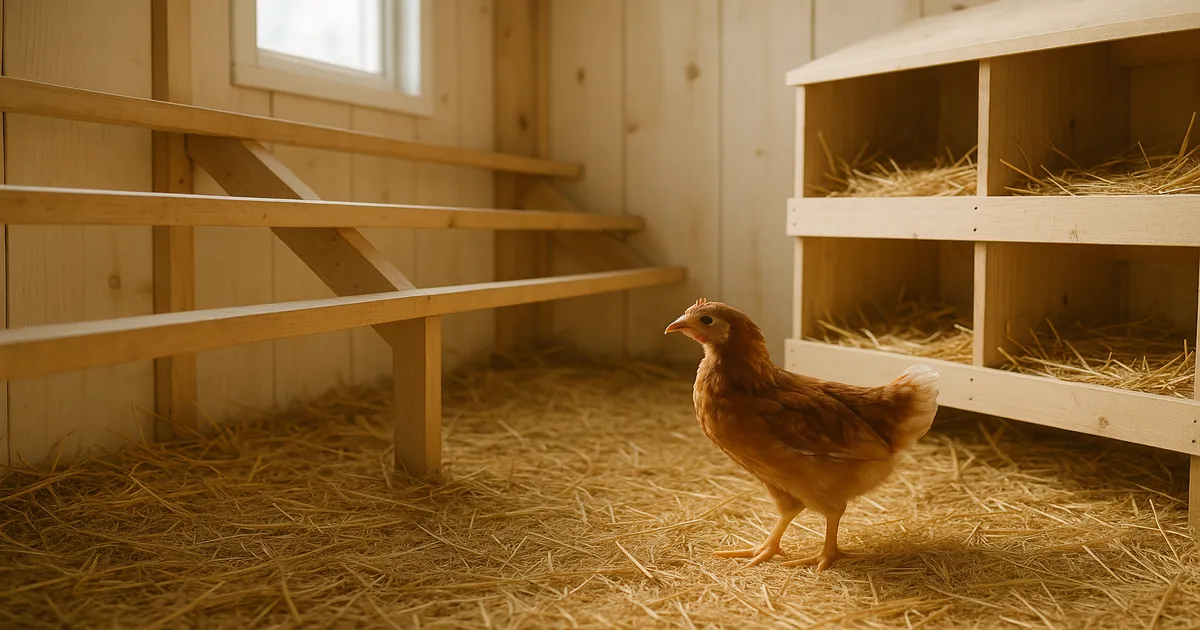
Chickens deposit approximately 70% of their daily droppings while roosting. A dropping board positioned under the roost bars catches the bulk of that manure in one concentrated, accessible location. This keeps the main coop floor much cleaner and drier, and it creates a defined zone where you can apply fly predators in a covered station — because the board is cleaned daily and the predator station sits beneath it, not on top.
If you’re not using dropping boards, adding them is one of the highest-return coop upgrades you can make for fly control. A sturdy plastic scraper makes daily cleaning fast and easy.
Combining Fly Predators with Other IPM Methods
Fly predators work best as part of a layered strategy. Combine them with:
- Fly traps and sticky strips to knock down adult fly populations
- Consistent manure removal on a schedule — at minimum weekly, more often in summer
- Dry bedding management to eliminate breeding sites
- Scented lures in hanging traps placed away from the coop
Flies are also a genuine biosecurity issue, not just a nuisance. House flies mechanically transmit Salmonella, E. coli, Campylobacter, and other pathogens between flocks. They land on manure, then on feeders, waterers, and eggs. Reducing fly populations directly reduces pathogen exposure for your birds and for you.
When Fly Predators Alone Are Not Enough
If you’re already dealing with a heavy infestation — clouds of flies, maggots visible in bedding — fly predators won’t resolve it quickly. They’re preventive by nature. Start with aggressive manure removal and adult fly control first, then bring in fly predators to maintain the reduced population going forward.
Frequently Asked Questions
Will chickens eat fly predators and get sick?
No. Fly predators (Spalangia and Muscidifurax species) are non-toxic and completely harmless to chickens. If a bird eats one, the only consequence is that the beneficial insect doesn’t get to do its job. They’re approved for use in certified organic production systems.
How do I stop my chickens from eating fly predators?
Focus on placement, not on changing your chickens’ behavior. Use covered release stations made from 1/8-inch hardware cloth, release at dusk or early morning, and target areas your flock can’t access — exterior manure piles, compost heaps, under dropping boards, and around the outside perimeter of the run. Releasing them in an open, accessible area and hoping for the best simply doesn’t work with an active flock.
Do fly predators actually work in a chicken coop?
Yes, when used correctly. The key factors are placement strategy and consistent re-release every 2–4 weeks throughout fly season. Keepers who release into inaccessible zones and maintain a regular schedule typically see meaningful reductions in fly pressure within a few weeks. Those who release directly into the coop and wonder why nothing changed are usually feeding their chickens very expensive snacks.
How often should I release fly predators for a backyard flock?
Every 2–4 weeks from late spring through early fall, when temperatures are consistently above 65°F (18°C) and flies are actively breeding. In hot, humid climates, release every 2 weeks. In milder conditions, every 3–4 weeks may be sufficient. Don’t stop after one release — fly predators have a short life cycle and need to be replenished regularly to maintain population pressure on fly pupae.
Can I use fly predators with free-range chickens?
Yes, but placement requires more thought. Free-range flocks may reach areas you’d normally consider safe. Focus releases on compost areas and exterior manure piles well away from the primary ranging zones, and use covered stations wherever possible. The perimeter of your property — away from where the flock spends most of its time — is often your best bet for reliable, undisturbed releases.