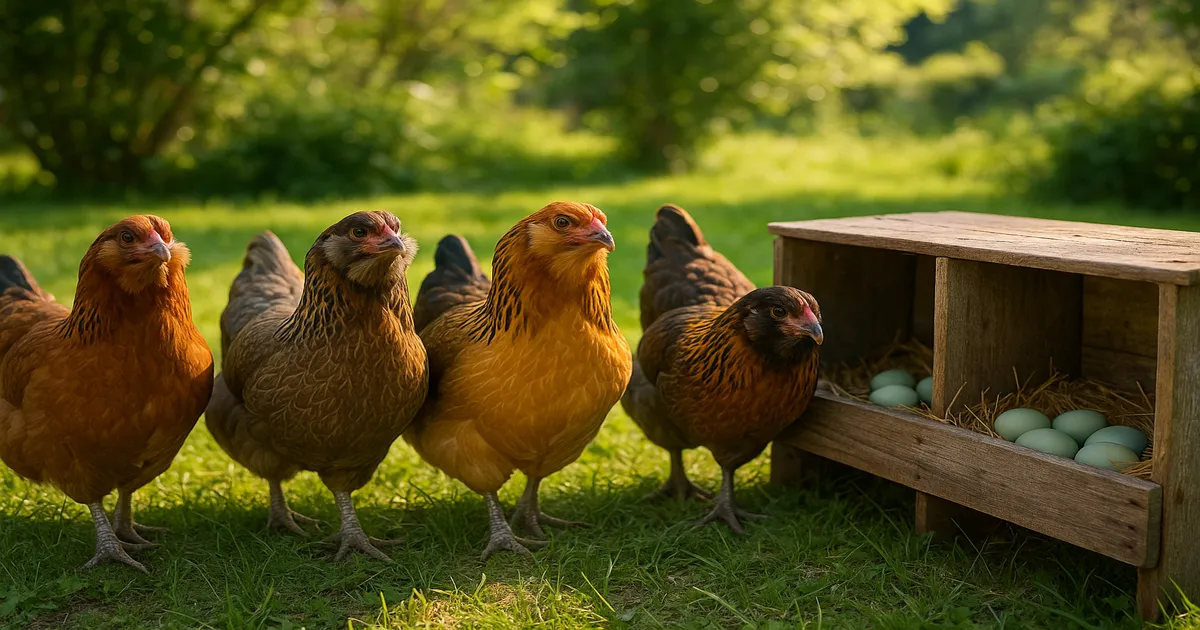
Quick Answer: Easter Eggers are not a recognized breed but a hybrid chicken carrying the blue egg gene, typically from Ameraucana or Araucana ancestry. They lay 150–200 colorful eggs per year in shades ranging from sky blue to sage green, are friendly and beginner-friendly, and cost just $3–$8 per chick — making them one of the most popular choices for backyard flocks.
If you’ve spent more than five minutes researching chicken breeds Easter Eggers, you’ve probably already hit the same wall of confusion: hatchery websites selling “Ameraucanas” that are actually Easter Eggers, contradictory information about egg colors, and wildly different-looking birds all sharing the same name. This guide cuts through the noise. You’ll get the straight facts on what Easter Eggers are, what to realistically expect from them, and how to keep them healthy and productive.
What Is an Easter Egger Chicken?
Easter Eggers are hybrid chickens that carry the O gene — the blue egg gene — inherited from Ameraucana or Araucana ancestry. Because they don’t breed true to a written standard, the American Poultry Association (APA) does not recognize them in its Standard of Perfection. They’re a type, not a breed, and that distinction matters when you’re shopping.
The appeal is straightforward: colorful eggs, friendly personalities, striking visual variety, and chick prices in the $3–$8 range. For most backyard keepers, they’re one of the best starter birds available.
Easter Egger vs. Ameraucana vs. Araucana
These three are constantly mixed up, but they’re quite different animals.
- Araucana: APA-recognized since 1976. Rumpless (no tail), tufted ears, lays blue eggs. Carries a lethal gene linked to tufting — breeding two tufted birds together results in significant chick mortality.
- Ameraucana: APA-recognized since 1984. Has a full tail, muffs, beard, and pea comb. Comes in specific recognized color varieties. Lays blue eggs only.
- Easter Egger: Not APA-recognized. Has Ameraucana or Araucana ancestry mixed with other breeds. Appearance and egg color vary widely. Lays blue, green, pink, or cream eggs.
Why Hatcheries Mislabel Easter Eggers
Most large hatcheries sell Easter Eggers under the labels “Ameraucana” or “Araucana” — sometimes deliberately, sometimes out of long-standing tradition. True Ameraucanas are only available from dedicated breeders and cost considerably more. If you’re paying $4 per chick from a hatchery catalog, you’re almost certainly getting an Easter Egger. That’s not a bad thing — just know what you’re buying before you expect show-quality birds or guaranteed blue eggs.
Easter Egger Appearance
The short answer: all over the place. No two Easter Eggers look exactly alike, which is part of their charm.
Size and Body Type
Standard Easter Eggers are medium-sized birds. Hens typically weigh 4–5 lbs and roosters 5–6 lbs. Bantam versions exist at roughly 1.5–2 lbs — a practical option if you’re tight on space or keeping a small urban flock.
Combs, Muffs, and Beards
Most Easter Eggers sport a pea comb inherited from their Ameraucana lineage — a low, three-ridged comb that’s excellent for cold climates because it has very little surface area to frostbite. Birds from single-comb crosses will occasionally have a standard single comb instead.
Many (though not all) Easter Eggers have fluffy muffs and beards — the puffy cheek feathering that gives them that perpetually surprised expression. Some carry the tufted gene from Araucana ancestry, producing small ear tufts. Unlike true Araucanas, Easter Eggers are not rumpless — they have a full tail.
Feather and Leg Color
Feather colors run the full spectrum: black, white, blue, splash, wheaten, buff, partridge, and everything in between. Leg color ranges from slate blue and gray to green, yellow, or willow depending on the individual’s genetics. Expect the unexpected — that’s part of the fun with this type.
Easter Egger Temperament
Easter Eggers have a well-earned reputation for being friendly, curious, and easy to handle. They’re not usually flighty or aggressive, and they adapt well to both free-ranging and confined runs. With consistent handling from chick age, many become genuinely affectionate birds that will squat for pets or follow you around the yard — the “lap chicken” description isn’t an exaggeration for well-socialized birds.
They tend to rank mid-to-low in the pecking order. If you’re mixing them with assertive breeds like Rhode Island Reds or Plymouth Rocks, watch for bullying around feeders and roost bars. Adequate space is your best tool for keeping the peace.
Easter Egger Egg Production: Colors, Output, and Timing
How Many Eggs Do Easter Egger Chickens Lay?
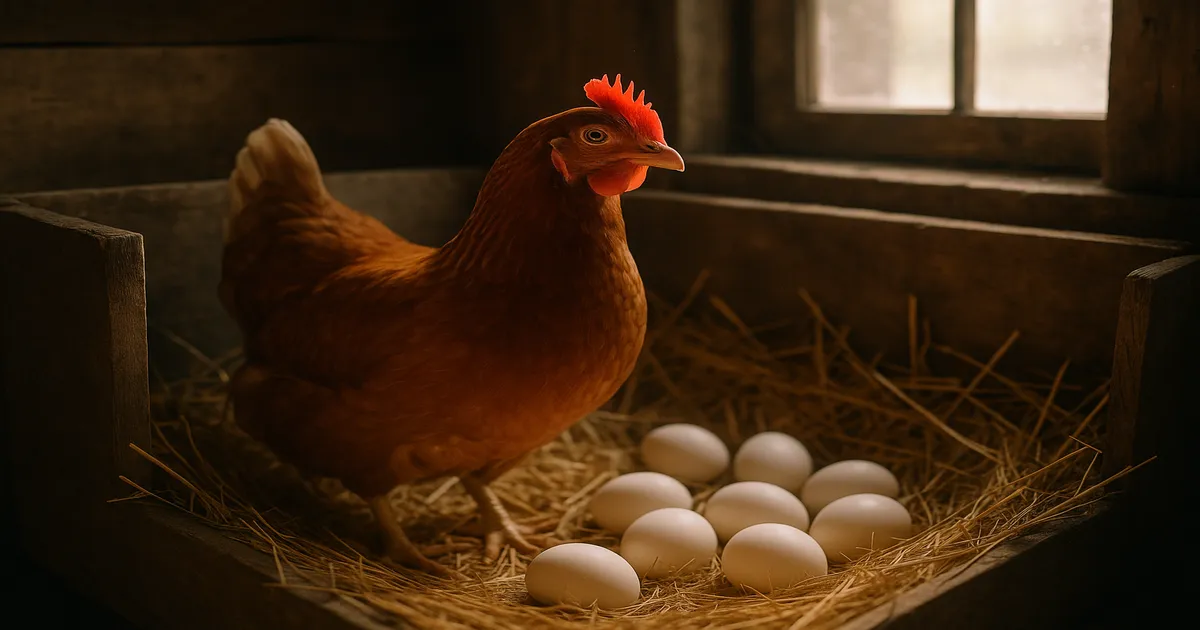
Expect roughly 150–200 eggs per year, or about 3–4 eggs per week at peak production. That’s solid mid-range output — not quite the machine-like production of a Leghorn, but better than many heritage breeds, and with far more interesting eggs. Production peaks in the first two years and declines by approximately 10–15% annually after that.
What Colors Are Easter Egger Eggs?
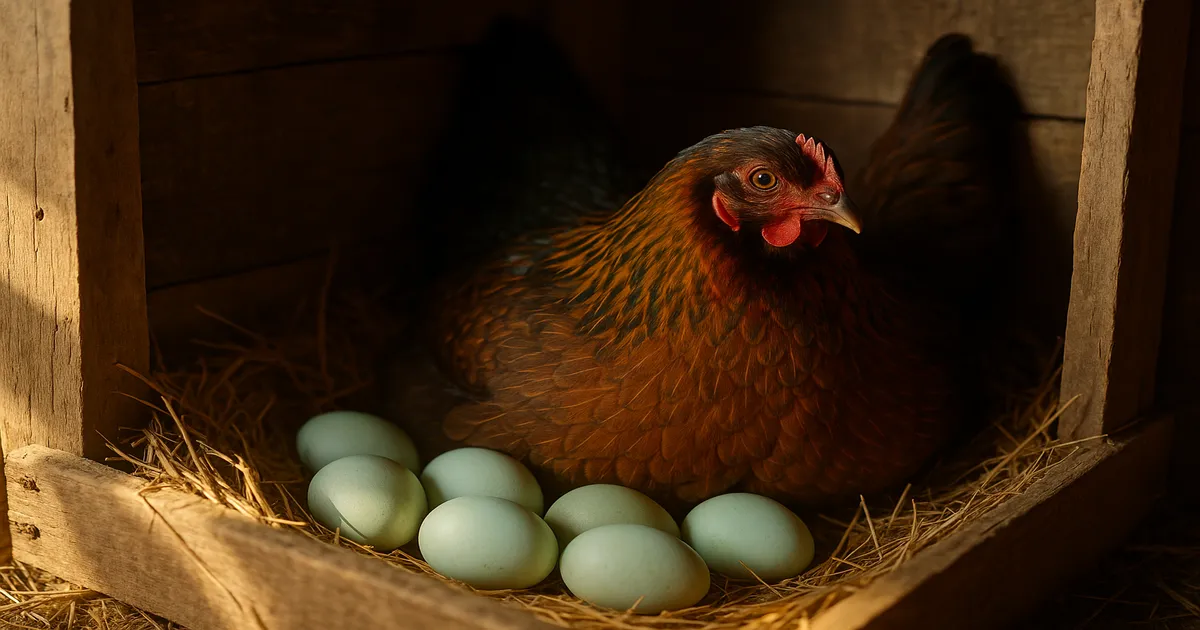
This is the whole show. Easter Egger eggs range from sky blue and turquoise to green, sage, pink, and cream. The exact color depends on which genes that particular hen carries — and here’s the key fact most beginners miss: each hen lays only one color her entire life. What she lays at 22 weeks is what she’ll lay at 4 years. The color doesn’t shift.
Unlike brown eggs, which are surface-coated, blue and green Easter Egger eggshells are pigmented all the way through. Crack one open and the inside of the shell matches the outside.
If you cross a blue egg layer with a dark brown egg layer like a Marans or Welsummer, you get an Olive Egger — a related hybrid that produces deep olive-green eggs.
When Do Easter Eggers Start Laying?
Most Easter Eggers begin laying at 18–22 weeks. Birds with heavier heritage genetics may take until 24–26 weeks. Late bloomers are common — don’t panic if yours is taking her time.
Broodiness and Seasonal Patterns
Easter Eggers are not particularly broody, which is a plus if you just want a steady egg supply. Like all chickens, they slow down or stop laying when daylight drops below about 14 hours per day. Supplemental lighting in the coop can maintain winter production. Also expect a 6–12 week pause during the fall molt (typically September through November) as birds redirect protein toward feather regrowth.
Coop and Housing for Easter Eggers
Space Requirements
- Indoor coop: Minimum 4 sq ft per bird; aim for 6–8 sq ft for confined flocks
- Outdoor run: Minimum 10 sq ft per bird; ideally 15–20 sq ft
- Free-range: At least 250 sq ft per bird for healthy foraging
Easter Eggers are active birds. Cramped conditions lead to boredom and feather-pecking, so err on the side of more space.
Roosts and Nesting Boxes
Give each bird 8–10 inches of roost bar space, with bars 18–36 inches off the ground and 1.5–2 inches in diameter. In cold climates, a flat 2×4 laid flat-side up lets birds sit on their own feet, which helps prevent frostbite on toes.
For nesting boxes, the standard ratio is 1 box per 3–4 hens, sized at 12×12×12 inches. Position boxes lower than roost bars — if they’re at the same height, hens will sleep in them and soil the eggs.
Ventilation and Temperature
Coops need at least 1 sq ft of ventilation per 10 sq ft of floor space, placed high on the walls or in the eaves so moisture and ammonia escape without drafts hitting roosting birds. If you smell ammonia when you walk in, fix ventilation before it causes respiratory damage.
Easter Eggers’ pea combs make them genuinely cold-hardy — they can handle temperatures as low as 0–10°F (-18 to -12°C) with dry, draft-free shelter. Supplemental heat is rarely needed in most U.S. climates. In summer, keep the coop below 95°F (35°C); heat stress begins around 85–90°F (29–32°C). An automatic coop door helps with ventilation management and keeps the flock secure at night without requiring you to be home at dusk.
Predator-Proofing
- Use ½-inch hardware cloth on all openings — standard chicken wire has gaps large enough for weasels and gives false confidence
- Install two-step latches or carabiner clips on doors; raccoons can open simple hook-and-eye hardware
- Bury a hardware cloth apron 12 inches outward from the coop base to stop digging predators like foxes and dogs
Feeding and Nutrition
Layer Feed
Transition to layer feed at 18 weeks (or when the first egg appears). Look for 15–18% crude protein and 3.5–4.5% calcium. Most birds eat about ¼ lb (110–120 grams) of feed per day — a bit more in cold weather when they’re burning extra calories to stay warm.
Calcium Supplementation
Offer oyster shell free-choice in a separate dish at all times. Laying hens self-regulate their intake. Don’t mix it into the main feed if roosters or non-laying birds share the feeder — excess calcium damages kidneys over time. Crushed eggshells baked at 250°F (121°C) for 20 minutes work just as well and cost nothing.
Molting: Boosting Protein
During the fall molt, temporarily switch to a higher-protein feed (18–20%) to support feather regrowth. You can also supplement with black soldier fly larvae (~40–45% protein), dried mealworms (~53% protein), or unsalted sunflower seeds (~26% protein). Keep all treats to no more than 10% of total daily diet to avoid displacing balanced nutrition.
Feeders, Waterers, and Grit
Any bird eating something other than commercial feed needs access to insoluble grit (granite or flint) to grind food in the gizzard. Free-ranging birds usually pick up enough naturally; confined birds should have it offered free-choice.
Keep feeders full at all times. A hanging poultry feeder or a treadle-style feeder minimizes waste and keeps rodents out. Refresh water daily — Easter Eggers drink about ½ pint (250 ml) per bird per day, doubling in hot weather. A nipple waterer system keeps water cleaner than open dishes and reduces daily maintenance.
Easter Egger Health: Common Issues and Prevention
Marek’s Disease
Marek’s is a herpesvirus that causes tumors and paralysis. Vaccinate chicks at day 1 — most hatcheries do this automatically, but confirm when ordering. The vaccine prevents tumor development but doesn’t prevent infection, which spreads through feather dander. Quarantine all new birds for 30 days before introducing them to your flock.
Coccidiosis
Most dangerous in chicks aged 3–6 weeks. Watch for bloody or watery droppings, lethargy, ruffled feathers, and failure to thrive. Treat with Amprolium (Corid) at 1.5 teaspoons of the liquid concentrate (or ½ teaspoon of the soluble powder) per gallon of water for 5–7 days in severe cases. Medicated chick starter contains amprolium as a preventive. Clean, dry bedding dramatically reduces oocyst load.
Mites and Lice
Inspect birds monthly by parting feathers at the vent area and under the wings. Symptoms include feather damage, pale combs from anemia, nighttime restlessness, and a drop in laying. Treat with permethrin-based poultry dust or spray. For prevention, provide a dry dust bath at least 12 inches deep filled with fine dirt, sand, and wood ash. Red mites hide in coop cracks during the day, so treat the coop itself — not just the birds.
Bumblefoot
Bumblefoot is a staph infection of the footpad, identifiable by a swollen foot with a dark scab at the center. Smooth roost bars and soft bedding are your best prevention. For mild cases: soak the foot in warm Epsom salt water (1 tablespoon per quart) for 10–15 minutes, clean the area, apply Vetericyn or plain Neosporin (no pain-relief additives), and bandage. Recheck every 2–3 days. Severe cases with deep infection should be evaluated by a vet.
Respiratory Infections
- Mycoplasma gallisepticum (MG): Rattling breath, nasal discharge, swollen sinuses. Treat with Tylosin or Oxytetracycline.
- Infectious Bronchitis: Gasping, sneezing, watery eyes, misshapen eggs. No cure — supportive care only. Vaccination available.
- Newcastle Disease: Neurological signs, respiratory distress, green diarrhea. This is a reportable disease — contact your state veterinarian immediately if you suspect it.
Vaccination Schedule Summary:
| Vaccine | Age | Method |
|---|---|---|
| Marek’s Disease | Day 1 | Subcutaneous injection (hatchery) |
| Infectious Bronchitis | 1–2 weeks | Eye drop or drinking water |
| Newcastle Disease | 2–4 weeks | Eye drop or drinking water |
| Fowl Pox (optional) | 8–12 weeks | Wing web stab |
Raising Easter Egger Chicks
Brooder Setup and Temperature
Start with at least ½ sq ft per chick for the first two weeks, expanding to 1 sq ft per chick by week 4. A large plastic storage tote or stock tank works well for small batches. Line the bottom with 2–3 inches of pine shavings — avoid newspaper, which is too slippery for developing legs.
Temperature schedule:
- Week 1: 95°F (35°C) directly under the heat source
- Week 2: 90°F (32°C)
- Week 3: 85°F (29°C)
- Continue dropping 5°F per week until you reach ambient outdoor temperature
A radiant heat plate (Brinsea EcoGlow Safety 600) is safer and more energy-efficient than a heat lamp and eliminates fire risk — a worthwhile upgrade for any brooder setup.
Feeding Chicks
Feed chick starter at 18–20% protein for the first 18 weeks. If you offer anything other than starter — even a blade of grass — provide chick-grade grit alongside it. Fresh water at all times, refreshed daily. Confirm Marek’s vaccination at day 1 when you place your hatchery order.
Moving Chicks Outside
Easter Egger chicks are typically ready to move outside at 6–8 weeks, once fully feathered. Spend a week or two hardening them off first — setting the brooder near a window or placing chicks outside in a secure pen on warm days helps them acclimate gradually. When introducing them to an established flock, a see-through divider for the first week before full integration significantly reduces fighting.
Frequently Asked Questions About Chicken Breeds Easter Eggers
What color eggs do Easter Egger chickens lay?
Easter Eggers lay eggs in a range of colors including sky blue, turquoise, green, sage, pink, and cream. The exact color depends on the individual hen’s genetics, and each hen lays only one color her entire life — it won’t change. The shell color is pigmented throughout the shell, not just on the surface like brown eggs.
Are Easter Eggers the same as Ameraucanas?
No. Ameraucanas are a true APA-recognized breed that breeds true to a written standard and lays only blue eggs. Easter Eggers are hybrids with Ameraucana or Araucana ancestry mixed with other breeds — they don’t meet the Ameraucana standard and can lay blue, green, pink, or cream eggs. Many hatcheries mislabel Easter Eggers as Ameraucanas, so if you paid hatchery prices, you almost certainly have Easter Eggers.
How many eggs per year do Easter Eggers lay?
Easter Eggers lay approximately 150–200 eggs per year, or 3–4 eggs per week at peak production. Output is best in the first two years and declines gradually after that. Winter daylight reduction and the annual fall molt will pause or slow laying temporarily.
Are Easter Egger chickens cold-hardy?
Yes — Easter Eggers are quite cold-hardy, largely because most carry a pea comb, which has minimal surface area and rarely suffers frostbite. They can handle temperatures as low as 0–10°F (-18 to -12°C) with proper shelter, dry conditions, and good ventilation. Supplemental heat is rarely necessary in most U.S. climates.
Can Easter Eggers live with other chicken breeds?
Yes, Easter Eggers generally get along well in mixed flocks. They tend to sit mid-to-low in the pecking order, so pair them with similarly calm breeds like Buff Orpingtons, Sussex, or Wyandottes rather than highly dominant breeds if possible. Adequate space and multiple feeding stations go a long way toward preventing conflict.