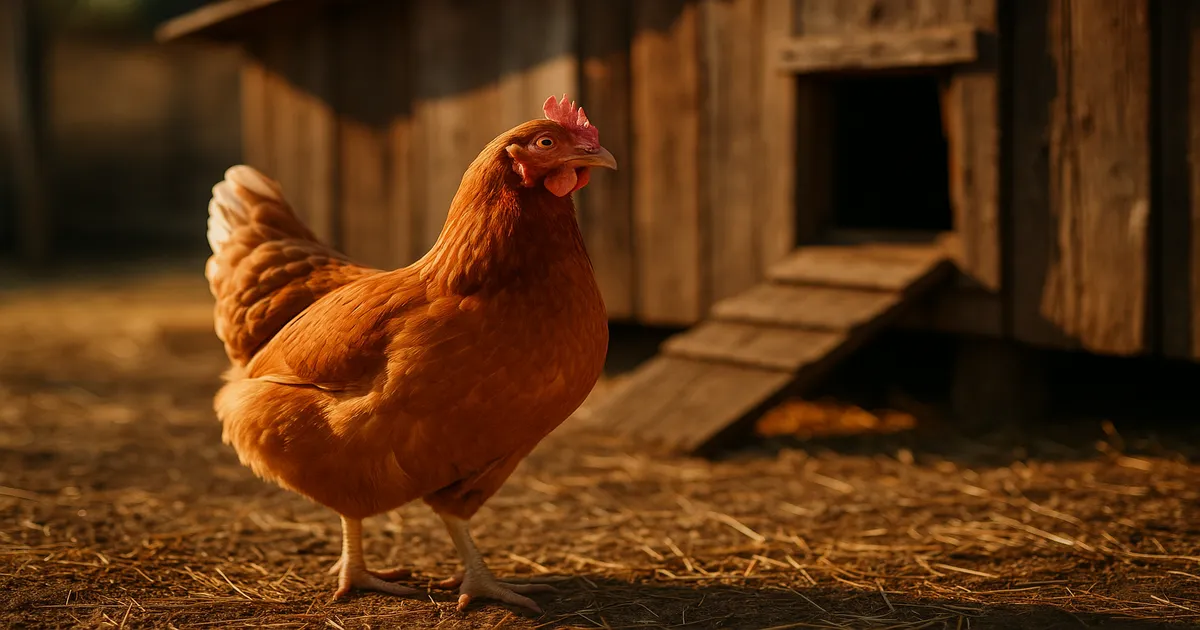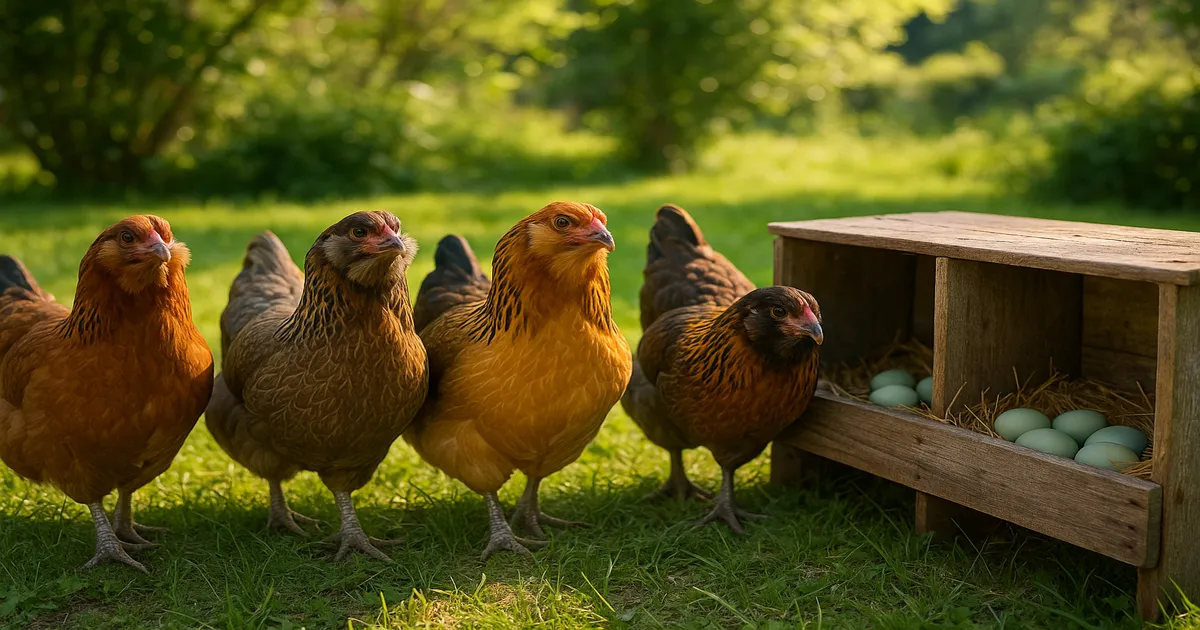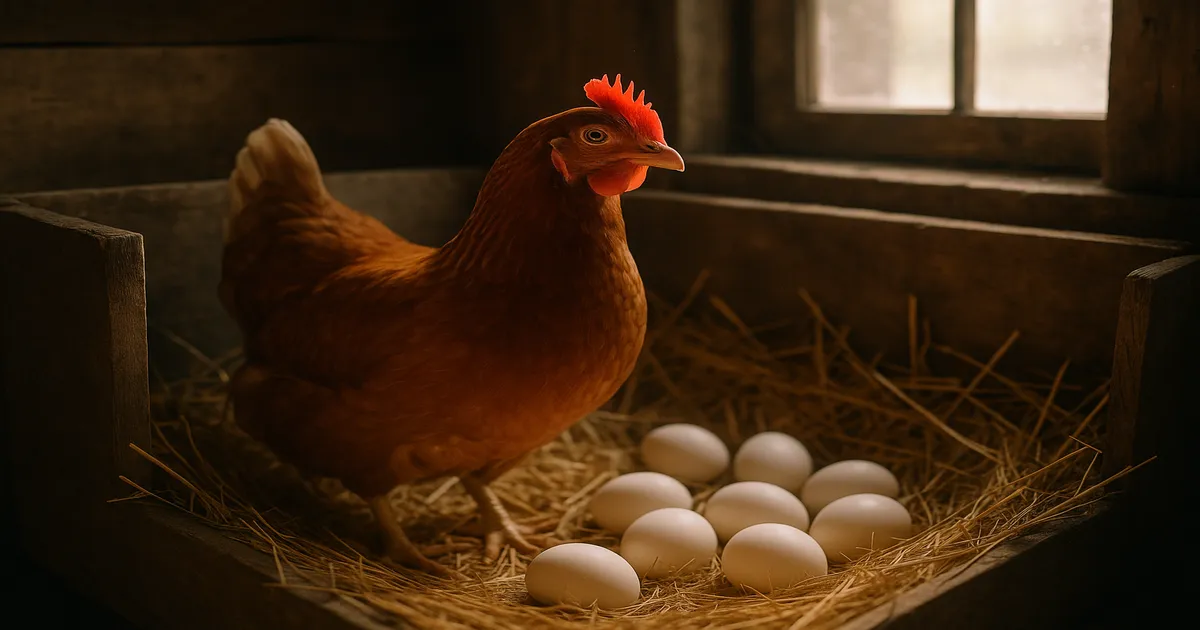
Quick Answer: The ISA Brown is a proprietary hybrid sex-link chicken developed in France in 1978, purpose-built for extraordinary egg production. Expect 300–320 eggs per year, a docile personality that’s perfect for beginners, and pullets laying as early as 16 weeks. Just know going in that this isn’t a heritage breed — it’s a commercial powerhouse with a shorter productive lifespan to match.
ISA Brown Chickens at a Glance
What Is an ISA Brown Chicken?
The ISA Brown is one of the most popular chicken breeds for backyard keepers who want serious egg production without a complicated temperament. “ISA” stands for Institut de Sélection Animale, the French company that developed this hybrid in 1978 specifically for commercial laying operations. Today the breed is owned and licensed by Hendrix Genetics, which means the pullets you pick up at Tractor Supply or a licensed hatchery are the genuine article — but you can’t replicate them at home.
One thing worth stating upfront: the ISA Brown is not a recognized breed under the American Poultry Association’s Standard of Perfection. It’s an F1 hybrid — more akin to a high-performance tool than a traditional breed. That’s not a knock. It just sets the right expectations.
Key Facts
| Feature | Details |
|---|---|
| Origin | France, 1978 (Institut de Sélection Animale) |
| Type | Proprietary F1 hybrid sex-link |
| Egg Color | Brown (medium to dark) |
| Egg Count | 300–320 eggs per year |
| Weekly Output | 5–6 eggs per week at peak |
| Hen Weight | 4.5–5.5 lbs (2.0–2.5 kg) |
| Lay Onset | 16–18 weeks |
| Temperament | Docile, calm, people-oriented |
| Broodiness | Extremely rare |
| APA Recognized | No |
Breed Background and Origin
Who Created the ISA Brown and Why?
The ISA Brown was engineered from the ground up for one purpose: produce as many eggs as possible, as efficiently as possible, in a commercial environment. The Institut de Sélection Animale achieved that goal spectacularly. By the time Hendrix Genetics acquired the line, the ISA Brown had become one of the most widely used laying hens on the planet.
That commercial DNA is worth keeping in mind. These birds were optimized for a production cycle, not a decade-long backyard life — and that shapes everything from their laying lifespan to their health risks later on.
Parent Breeds and the Sex-Link Advantage
The exact parent cross is a closely guarded trade secret, but the widely accepted theory is that ISA Browns result from Rhode Island Red males crossed over Rhode Island White females, with possible White Leghorn influence in the background. What makes this cross so useful is that it produces sex-linked chicks — you can tell males from females at hatch by feather color alone. Females hatch chestnut-brown; males are predominantly white or cream.
This is why hatcheries can sell “all pullet” ISA Brown chicks with high accuracy. It’s a genuinely elegant piece of breeding science, and it saves backyard keepers from the headache of straight-run guesswork.
Why You Can’t Breed True ISA Browns at Home
If you hatch eggs from your ISA Brown hens, the chicks will not be ISA Browns. F1 hybrids don’t breed true — offspring revert toward the parent stock and lose the hybrid vigor that makes ISA Browns such exceptional layers. For practical purposes, that means sourcing new pullets from a licensed hatchery each time rather than maintaining a self-sustaining flock.
Temperament and Personality
How Friendly Are ISA Brown Chickens?
ISA Browns are genuinely one of the friendliest laying breeds you can keep. They’re calm, curious, and people-oriented in a way that goes beyond mere tolerance — many keepers describe their hens following them around the yard like dogs. With regular handling from a young age, they become remarkably tame and easy to catch, which matters more than you’d think when you need to do a health check.
They’re also non-flighty, which makes coop management far less stressful. A hen that doesn’t panic when you reach for her is a hen whose problems you’ll actually catch early.
Are ISA Browns Good for Families and Beginners?
Absolutely. Low aggression, easy handling, and a forgiving temperament make ISA Browns a top pick for first-time keepers and households with children. They adapt well to confinement without developing the feather-pecking or neurotic behaviors that can emerge in more high-strung breeds under the same conditions. Compare that to Rhode Island Reds or Welsummers, which can be assertive and occasionally aggressive — ISA Browns sit firmly at the opposite end of that spectrum.
Within a mixed flock, they’re low-drama. They establish a pecking order without excessive conflict and don’t typically bully smaller breeds. Their near-total absence of broodiness — deliberately bred out to protect laying consistency — also means you won’t deal with a hen going “broody aggressive” and guarding a nest box for weeks at a time.
Egg Production: What to Expect
Annual Output, Egg Size, and Shell Quality
ISA Browns regularly produce 300–320 eggs per year under good conditions — roughly 5–6 eggs per week at peak, representing a lay rate of around 90–95%. For comparison, a solid heritage breed like a Plymouth Rock or Australorp might give you 250–280 eggs per year. Impressive, but noticeably less.
Eggs are brown, consistently large to extra-large, and grade well. Shell quality is strong in the first couple of years. As hens age and their calcium metabolism is taxed by years of high production, shells can thin. Keeping oyster shell available free-choice throughout a hen’s life helps delay this.
When Do ISA Browns Start Laying?
Pullets typically begin laying at 16–18 weeks, and some precocious individuals start as early as 15 weeks in warm months with good light. Most heritage breeds don’t hit their stride until 18–24 weeks, so ISA Browns give you a meaningful head start on your first egg.
Do ISA Browns Lay in Winter?
Like all chickens, ISA Browns respond to photoperiod. When daylight drops below roughly 14 hours, production naturally slows. Adding supplemental lighting to maintain 16 hours of light per day keeps them laying through winter with minimal drop-off. A simple timer-controlled LED poultry light makes this easy to manage.
First-year pullets often lay straight through their first winter without any supplemental light at all. It’s in years two and three that a lighting setup becomes more important.
How Long Do ISA Browns Lay Productively?
Peak production runs from around 18 weeks through age 2–3. After that, expect a meaningful decline — roughly 200–250 eggs per year by year three, tapering further from there. By years 4–5, output is significantly reduced compared to year one.
This is the main trade-off of the ISA Brown’s productivity. The intense biological demand of laying 300+ eggs annually takes a real toll. From around age 3–4, these hens face elevated risk of reproductive issues — egg yolk peritonitis, internal laying, and ovarian cancer are all more common in high-production hybrids than in heritage breeds. Many backyard keepers keep their ISA Browns as pets long after production fades, and given the temperament, that’s an easy decision to make.
Coop and Housing Requirements
Space, Roosts, and Nesting Boxes
The hard minimum is 4 sq ft per bird inside the coop, but 6–8 sq ft per bird is where you’ll see healthier, less-stressed hens. For the outdoor run, plan on at least 10 sq ft per bird — ideally 15–20 sq ft if you’re keeping them confined rather than free-ranging. ISA Browns handle confinement better than most breeds, but crowding is one of the fastest ways to trigger health and behavioral problems regardless of breed.
For roost bars, allow 8–12 inches of linear space per hen at a height of 18–24 inches off the floor. A 2×4 laid flat side up is ideal in cold climates — hens can settle down and cover their feet with their breast feathers, which helps prevent frostbite. Keep bars at least 12 inches from the wall and space multiple bars 12–18 inches apart horizontally.
One nesting box per 3–4 hens is sufficient. Standard dimensions are 12×12 inches minimum; 14×14 inches is more comfortable. Position boxes lower than the roost bars to discourage hens from sleeping in them overnight, which leads to dirty eggs. Line each box with 3–4 inches of pine shavings or straw.
Ventilation, Temperature, and Predator-Proofing
Ventilation matters more than insulation — moisture and ammonia buildup cause far more health problems than cold temperatures ever will. Aim for 1 sq ft of ventilation per 10 sq ft of floor space, placed high on the walls or in the eaves so warm, moist air can escape without creating drafts at bird level.
ISA Browns tolerate temperatures down to 0–10°F (-18 to -12°C) with proper shelter, though production will slow. The ideal laying range is 65–75°F (18–24°C). Resist the urge to add a heat lamp unless temperatures drop below 0°F (-18°C) — heat lamps are a leading cause of coop fires, and hens that rely on artificial heat become less cold-hardy over time. In summer, cross-ventilation becomes essential once temperatures push above 95°F (35°C).
Predator-proof your setup with ½-inch hardware cloth (not chicken wire), a dig-proof apron or solid floor, and latches that require two steps to open. An automatic coop door adds a reliable layer of protection if you can’t always close up at dusk.
Feeding and Nutrition
Layer Feed, Protein, and Daily Intake
Switch from chick starter/grower to layer feed at 16–18 weeks, right as your pullets approach laying age. Look for a feed with 15–18% crude protein — 16% is the standard and works well for ISA Browns. Pellets are preferable to crumbles for adult hens; there’s less waste and they’re easier to manage. Each hen eats roughly 110–120 grams (about ¼ lb) per day, so a flock of six goes through about 1.5 lbs of feed daily.
Calcium, Grit, and the Difference Between Them
High-producing hens need 4–5 grams of calcium per day to maintain shell quality. Layer feed covers most of this, but ISA Browns benefit from free-choice oyster shell offered in a separate container — they’ll self-regulate and take what they need. Signs you’re falling short: thin shells, soft shells, or hens eating their own eggs.
Grit and oyster shell are often confused, but they serve completely different functions. Insoluble grit (granite or flint) stays in the gizzard and physically grinds food — it’s a mechanical digestion tool. Oyster shell dissolves and provides calcium for eggshell formation. Free-ranging hens pick up natural grit; confined hens need it offered separately. Never substitute one for the other.
Treats, Scraps, and Foods to Avoid
Keep treats to 10% of total diet or less. Good options include leafy greens, watermelon, berries, mealworms, and cooked squash. During molt, bump protein with dried mealworms or black soldier fly larvae to support feather regrowth.
Strictly avoid: avocado (persin is toxic), raw dried beans (toxic lectins), chocolate, onions in large quantities, green potato skins (solanine), moldy food, and heavily salted processed scraps.
Water Needs and Winter Watering
Each hen drinks 0.5–1 pint (250–500 ml) of water per day, more in hot weather. Even a few hours without water can trigger a laying pause. In freezing climates, a heated waterer is non-negotiable — a frozen waterer in the morning means a production dip you’ll feel for days.
Health, Common Diseases, and Preventive Care
Marek’s Disease
Confirm that your hatchery vaccinates for Marek’s disease at hatch — most reputable ones do, but always ask. This highly contagious herpesvirus spreads through feather dander and causes leg paralysis, wing drooping, gray iris, and tumors. There is no treatment. Vaccination at day one is the only protection, and it must happen at the hatchery — you can’t administer it effectively later.
Coccidiosis
Caused by Eimeria protozoa in the soil, coccidiosis is most dangerous in chicks aged 3–6 weeks. Watch for bloody or watery diarrhea, lethargy, hunched posture, and a pale comb. Treat with Amprolium (Corid) at the label-recommended dose — typically 1.5 teaspoons of the liquid concentrate (or ½ teaspoon of the soluble powder) per gallon of water as the sole water source for 5–7 days. Medicated chick starter helps prevent it; gradual exposure to outdoor soil builds natural immunity over time.
Mites and Lice
Do a monthly inspection under the wings and around the vent area — that’s where Northern Fowl Mites congregate. Red Poultry Mites are sneakier; they hide in coop crevices during the day and feed on birds at night, so check with a flashlight after dark. Treat birds with permethrin dust or spray approved for poultry use, and treat the entire coop — not just the hens — for red mites. Diatomaceous earth in dust bathing areas adds a preventive layer.
Bumblefoot
Bumblefoot is a Staphylococcus aureus infection of the foot pad, usually triggered by a small cut or abrasion from rough roosts or hard landings. The telltale sign is a black scab on the bottom of the foot, often with swelling and lameness. For mild cases, soak the foot in warm Epsom salt water, apply Vetericyn wound spray, and bandage. Smooth roost bars and clean, dry bedding are your best prevention. Severe cases warrant a vet visit.
Respiratory Infections
Mycoplasma gallisepticum (MG) and Infectious Bronchitis are the two most common respiratory threats. Watch for rattling breathing, nasal discharge, swollen sinuses, and a drop in egg production. Neither has a straightforward cure — biosecurity is your best defense. Quarantine new birds for 30 days before introducing them to your flock, and limit outside visitors to the coop area.
Reproductive Health in High-Production Hens
This one is specific to high-production hybrids like the ISA Brown. From around age 3–4, these hens face meaningfully elevated risk of egg yolk peritonitis, internal laying, and ovarian cancer — a known biological cost of their productivity. Watch for a swollen, fluid-filled abdomen (“water belly”), lethargy, and a penguin-like stance. A vet visit is warranted if you notice these signs. Some cases are manageable with supportive care; others are not.
Frequently Asked Questions About ISA Brown Chicken Breeds
How many eggs per year does an ISA Brown lay?
ISA Browns produce 300–320 eggs per year under good conditions — roughly 5–6 eggs per week at peak. Production is strongest through the first two years, then declines to around 200–250 eggs per year by year three and continues to taper after that.
Are ISA Brown chickens good for beginners?
Yes — they’re one of the best choices available. ISA Browns are exceptionally docile, tolerate handling well, and adapt to confinement without developing problem behaviors. Their early laying onset means new keepers see results quickly, and their near-zero broodiness keeps flock management simple.
What is the difference between an ISA Brown and a Rhode Island Red?
The ISA Brown is a proprietary F1 hybrid, likely descended in part from Rhode Island Red genetics, but it’s a fundamentally different bird. Rhode Island Reds are an APA-recognized heritage breed that lays around 200–280 eggs per year, can be assertive in temperament, and breeds true. ISA Browns lay more eggs (300–320/year), are calmer and more people-friendly, but cannot be replicated through home breeding.
How long do ISA Browns lay productively?
ISA Browns lay productively for roughly 2–3 years, with the first year being peak production. Many live to 5–8 years, but egg output drops significantly after year three. From around age 3–4, they carry higher risk for reproductive health issues due to the biological demands of sustained high production.
Can you breed ISA Browns and get the same offspring?
No. ISA Browns are a first-generation (F1) hybrid and don’t breed true. Hatching eggs from your ISA Brown hens produces chicks that revert toward the parent stock — they’ll lose the hybrid vigor, consistent coloring, and elite egg production that define the breed. To get true ISA Browns, source new pullets from a licensed hatchery each generation.