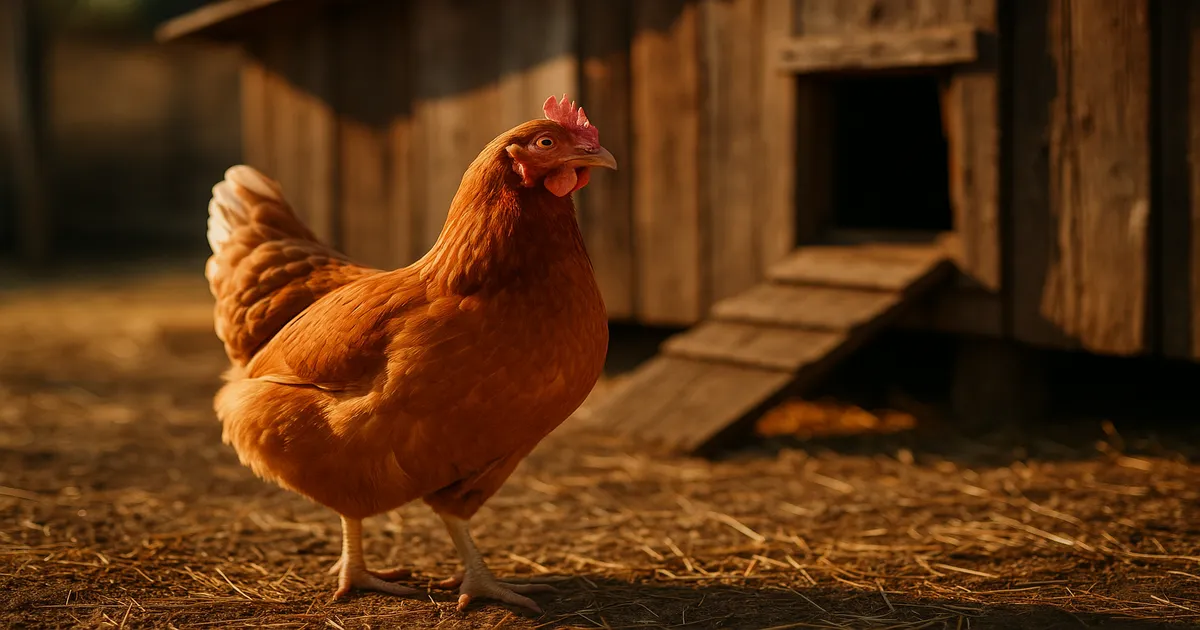
Quick Answer: The Cinnamon Queen is a sex-link hybrid chicken bred for exceptional egg production — expect 250–320 brown eggs per year, with hens starting to lay as early as 16–18 weeks. They’re calm, beginner-friendly, and easy to sex at hatch by color, making Cinnamon Queen chicken breeds one of the most practical choices for backyard flocks.
Cinnamon Queen Chicken: Quick Overview
What Is a Cinnamon Queen Chicken?
The Cinnamon Queen is a production hybrid, not a purebred. It’s the result of crossing a Rhode Island Red rooster with a Rhode Island White hen. Because it’s a first-generation cross, it doesn’t appear in the American Standard of Perfection — but what it lacks in show-ring credentials, it more than makes up for in the nest box.
You’ll sometimes see Cinnamon Queens listed under other names: Golden Buff, Gold Sex-Link, or Red Sex-Link, depending on the hatchery. These birds perform almost identically, though slight genetic variation exists between lines.
Key Stats at a Glance
| Trait | Detail |
|---|---|
| Egg production | 250–320 per year (up to 330 under optimal conditions) |
| Eggs per week | 5–6 at peak |
| Egg color | Light tan to medium brown, Large to Extra-Large |
| Laying onset | 16–18 weeks |
| Hen weight | 5–6 lbs (2.3–2.7 kg) |
| Temperament | Calm, docile, people-friendly |
| Broodiness | Rarely goes broody |
| Cold hardiness | Moderate — single comb is frostbite-prone |
Breed Background and Origins
What Makes a Cinnamon Queen a Sex-Link Hybrid?
“Sex-link” means the chicks’ sex is visible at hatch based on feather color — no vent sexing required. Female Cinnamon Queen chicks hatch reddish-brown; males hatch white or pale yellow. For backyard keepers who want only laying hens, that’s a genuine practical advantage. It saves money and spares you the heartache of accidentally raising a rooster.
One important caveat: the color difference only works in the first generation. You can’t breed two Cinnamon Queens together and get reliably color-sexable offspring. They don’t breed true.
Parent Breeds: Rhode Island Red and Rhode Island White
The standard Cinnamon Queen cross uses a Rhode Island Red rooster over a Rhode Island White hen. Both parent breeds bring solid egg production and calm dispositions to the table, which is why their offspring inherit both traits so reliably. Some hatcheries substitute a Silver Laced Wyandotte as the female parent, producing a bird that’s functionally similar but may look slightly different.
Cinnamon Queen vs. Gold Sex-Link vs. Red Sex-Link
Honestly, not much separates them — at least not in practice. These are all trade names used by different hatcheries for sex-link hybrids with similar parentage. A Gold Sex-Link from one hatchery and a Cinnamon Queen from another will likely perform almost identically in your backyard. Any differences come down to hatchery-specific breeding lines rather than meaningful distinctions in temperament or production.
Appearance and Physical Characteristics
Hen Plumage and Body Type
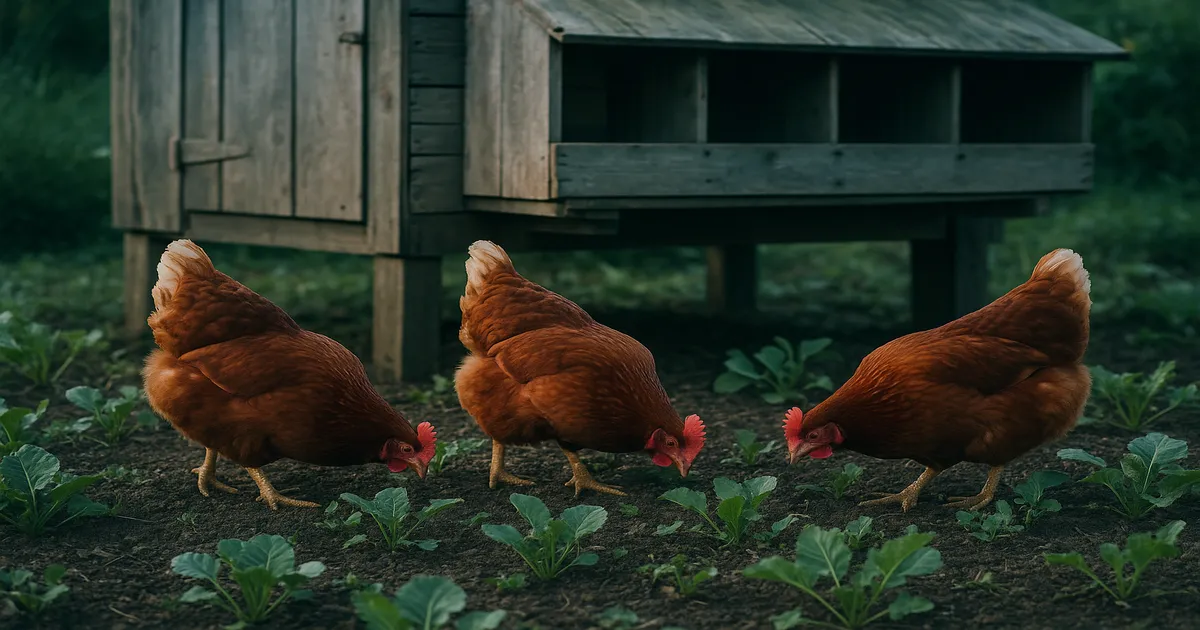
Cinnamon Queen hens wear warm reddish-brown plumage — think a lighter, slightly more golden version of a Rhode Island Red. Many show white or cream-colored feathers at the tail and wing tips, a nice visual marker that distinguishes them from their parent breeds. They’re solidly built, broad-backed birds: production-oriented rather than ornamental.
Hens weigh 5–6 lbs, putting them squarely in the medium-sized category.
Rooster Appearance and Visual Sexing at Hatch
Roosters from the sex-link cross are predominantly white with occasional reddish flecking and weigh 7–8 lbs at maturity. At hatch, the color contrast — reddish chick vs. pale yellow or white chick — is what makes visual sexing reliable. Most backyard keepers will never raise a Cinnamon Queen rooster intentionally, but knowing what to look for is useful if you’re ever hatching eggs from related stock.
Comb, Legs, and Other Physical Traits
- Comb: Single, medium-sized, red — attractive but vulnerable to frostbite in wet or drafty winter conditions
- Wattles: Red, moderately sized
- Legs: Yellow, clean (unfeathered)
- Eyes: Reddish-bay
The overall silhouette reads “production hen” — nothing flashy, everything functional.
Egg Production: What to Expect
How Many Eggs Does a Cinnamon Queen Lay Per Year?
At peak production in years one and two, a healthy Cinnamon Queen lays 250–320 eggs per year — roughly 5–6 per week. Under optimal conditions (good nutrition, consistent lighting, low stress), some hatchery lines push that toward 330. For context, that’s competitive with the best laying breeds available to backyard keepers.
Egg Size and Shell Color
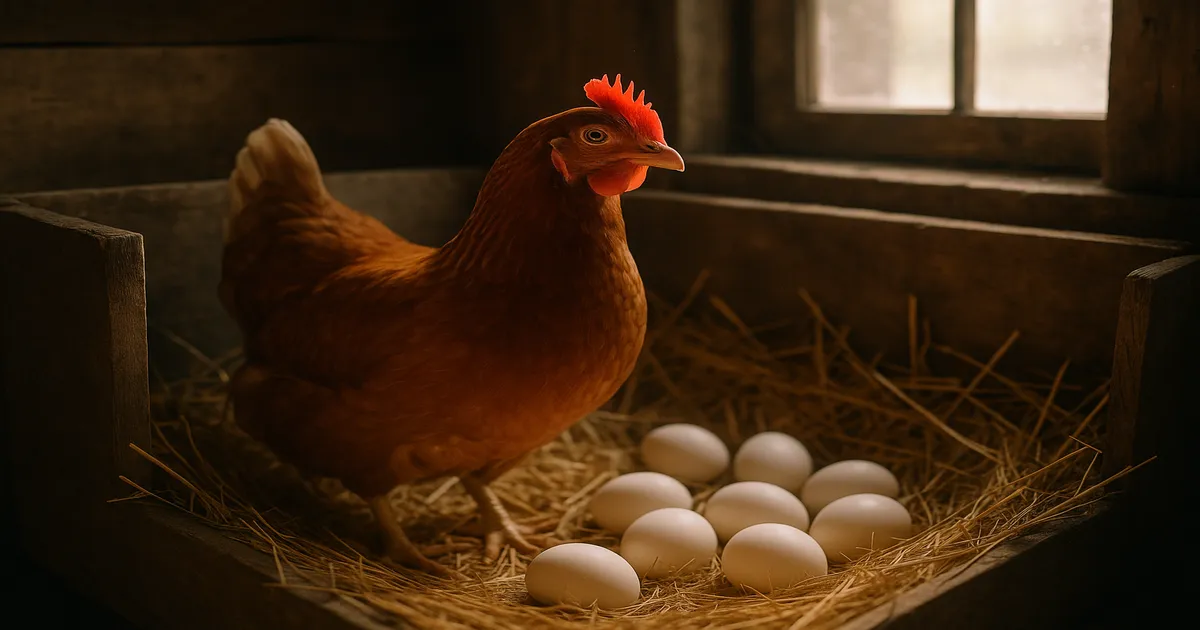
Eggs are brown, ranging from light tan to a medium warm brown. Don’t expect the deep chocolate of a Marans — these are classic brown eggs, Large to Extra-Large, typically weighing 56–70 grams. Shells are thick and well-formed, a direct result of production breeding.
When Do Cinnamon Queens Start Laying?
Most Cinnamon Queens lay their first egg at 16–18 weeks, noticeably earlier than many purebred breeds that don’t kick in until 20–24 weeks. Full production ramps up over the following 4–6 weeks. If you’re transitioning from chick starter to layer feed, the timing lines up perfectly.
How Egg Production Changes with Age
Production is strong through years one and two, then begins to taper. By year three, expect a 20–30% drop. By year four, most hens settle into around 150–180 eggs per year — still respectable, but far below their early peak.
Seasonal slowdowns are normal too. When daylight drops below 14 hours per day — typically fall through early spring in most of North America — production slows or pauses. A simple timer-controlled bulb in the coop can extend production through winter. Annual molting also pauses laying for 6–12 weeks, usually in fall.
Do Cinnamon Queens Go Broody?
Almost never. The broody instinct has been largely selected out through generations of production breeding. That’s great news for your egg count — a broody hen stops laying — but it does mean you can’t rely on a Cinnamon Queen to hatch and raise chicks. If flock renewal matters to you, plan to order new pullets each season or keep a broody breed like a Buff Orpington as a surrogate.
Temperament and Flock Compatibility
Are Cinnamon Queens Good for Beginners and Families?
They’re one of the best starter breeds available. Cinnamon Queens are consistently calm, curious, and genuinely people-friendly. They tolerate handling well, which makes them ideal for families with children or first-time chicken keepers. They’re active foragers who love run access, but they’re not flighty or difficult to manage.
How Do Cinnamon Queens Behave in a Mixed Flock?
Their docility is mostly an asset, but it does carry one downside: they can end up at the bottom of the pecking order when housed with more assertive breeds. Easter Eggers, Dominiques, and other bold personalities may bully them if space is tight. A few practical tips:
- Pair Cinnamon Queens with similarly calm breeds — Buff Orpingtons, Sussex, and Plymouth Rocks are all good matches
- Ensure adequate space (10+ sq ft per bird in the run reduces competition significantly)
- Introduce new birds gradually using a partition so flocks can see each other before mixing
- Provide multiple feed and water stations to prevent resource guarding
Coop and Housing Requirements
How Much Space Does a Cinnamon Queen Need?
The minimum is 4 sq ft per bird inside the coop, but 6 sq ft is better for an active, social breed. For the run, aim for 10–20 sq ft per bird. A flock of six hens needs at least a 24 sq ft coop (a 4×6 ft footprint works) and a 60–120 sq ft run. Overcrowding is one of the fastest ways to trigger feather pecking and disease — don’t cut corners here.
Roost Bars and Nesting Boxes
Give each hen 8–10 linear inches of roost space. A 2×4 laid flat is ideal — the wide surface lets hens cover their feet with their breast feathers on cold nights, which goes a long way toward preventing frostbite. Position roost bars 2–4 feet off the ground and at least 18 inches apart if you’re using multiple tiers.
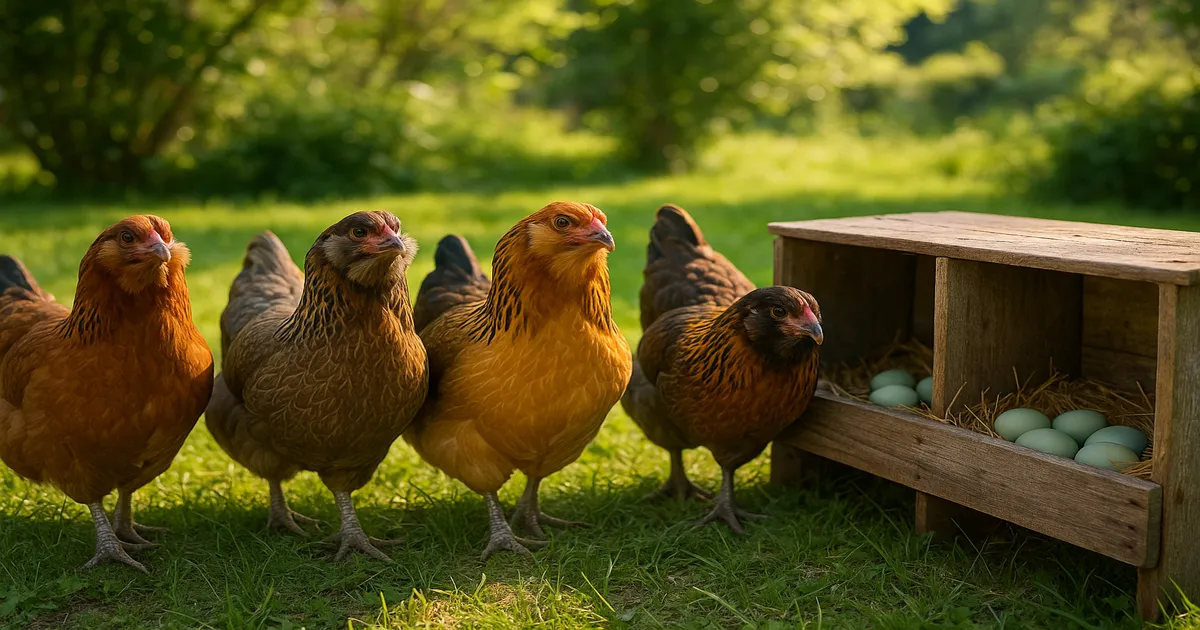
For nesting boxes, one box per 3–4 hens is the standard. Six hens need at least two boxes, each 12×12×12 inches, filled with 3–4 inches of pine shavings or straw. Always position boxes lower than the roost bars — hens will sleep in the boxes if given the chance, and that means dirty eggs.
Ventilation and Frostbite Prevention
Ammonia from droppings causes respiratory damage at concentrations as low as 25 ppm, and it builds up faster than most people expect. Provide 1 sq ft of ventilation per 10 sq ft of coop floor space, positioned near the roofline so moisture and ammonia escape without creating cold drafts at bird level.
Cinnamon Queens handle cold reasonably well, but their single combs are vulnerable to frostbite below 32°F (0°C), especially in wet or drafty conditions. A well-insulated coop with six hens can stay 10–20°F warmer than outside air through body heat alone. If you need supplemental heat, a flat-panel radiant heater is far safer than a heat lamp . Heat lamps in a coop full of dry bedding and feathers are a serious fire risk.
Predator-Proofing
Standard chicken wire is not enough — raccoon hands fit through it easily. Use ½-inch hardware cloth on all openings: windows, vents, and run walls. Bury it 12 inches deep around the run perimeter, or bend it outward in a 12–18 inch apron along the ground to stop diggers.
Every door and gate needs a two-step latch or carabiner clip. Raccoons can open simple hook-and-eye hardware without much effort. An automatic coop door adds another layer of protection at dusk and dawn, when predator pressure is highest .
Feeding and Nutrition
Choosing the Right Layer Feed
Switch from chick starter to layer feed at 16–18 weeks, which conveniently aligns with when Cinnamon Queens begin laying. Look for a feed with 15–18% crude protein. Pellets produce less waste; crumbles work well for younger or smaller birds. Plan on roughly ¼ lb (110–120 grams) per hen per day — a bit more in cold weather when hens burn extra calories for warmth.
One firm rule: don’t feed layer feed to chicks under 16 weeks. The high calcium content can damage developing kidneys.
Calcium Supplementation
Laying hens need 4–5 grams of calcium per day to produce strong shells. Most layer feeds come close to that, but it’s worth offering crushed oyster shell free-choice in a separate container . Hens self-regulate and take more when they need it. Alternatively, bake clean eggshells at 250°F for 30 minutes, crush them, and offer those instead — same calcium, zero cost.
Boosting Protein During Molt
Feathers are roughly 85% protein, so molting hens need more of it. Temporarily bump protein to 20–22% by switching to a flock raiser or all-flock feed and adding high-protein treats like dried mealworms , black soldier fly larvae, or scrambled eggs. Once feathers are back, return to standard layer feed.
Treats, Scraps, and Foods to Avoid
Keep treats to 10% or less of the daily diet — more than that dilutes the nutritional balance of their feed.
Good treats: leafy greens, watermelon, berries, cooked squash, corn in moderation
Never feed: avocado (the compound persin is toxic to chickens), chocolate, onions, raw beans, salty processed foods, or anything moldy
Grit and Water
Free-ranging hens pick up grit naturally, but confined hens need insoluble grit (granite or flint) offered free-choice so their gizzards can grind feed properly. Don’t confuse grit with oyster shell — they serve completely different functions.
Fresh water must be available at all times. A laying hen drinks 0.5–1 pint (250–500 ml) per day under normal conditions, and roughly double that in summer heat above 85°F (29°C). In winter, a heated waterer prevents freezing and keeps production from dropping due to dehydration .
Health and Preventive Care
Marek’s Disease
Marek’s is a highly contagious herpesvirus that causes paralysis, tumors, and death. Most hatcheries vaccinate Cinnamon Queen chicks before shipping — confirm this when you order. There’s no cure, so vaccination at hatch is your only real protection. Be aware that vaccinated birds can still carry and shed the virus, and it can persist in coop dust and dander for months to years.
Coccidiosis
Coccidiosis is most dangerous in chicks aged 3–6 weeks. Watch for bloody or watery droppings, lethargy, hunched posture, and a pale comb. Treat with Amprolium (Corid) — 1.5 teaspoons of the 9.6% liquid solution per gallon of water for 5–7 days. Medicated chick starter contains a preventive dose of Amprolium, which is why many keepers use it for the first several weeks. Clean, dry bedding is your best ongoing prevention.
Mites and Lice
Check under wings and around the vent monthly for tiny moving specks or egg clusters at feather bases. A heavy infestation causes feather damage, pale combs from blood loss, and a noticeable drop in laying. Treat with 0.25% permethrin dust or spray on birds and coop surfaces, and repeat in 7–10 days to break the life cycle. Quarantine any new birds for 30 days before introducing them to your flock.
Bumblefoot
Bumblefoot is a staph infection that enters through a cut or abrasion on the foot pad — often caused by rough roost bars, wire flooring, or hard landings from excessive height. You’ll see a swollen foot pad with a black scab on the bottom. For mild cases, soak the foot in warm Epsom salt water (1 tablespoon per quart), apply antibiotic ointment, and bandage. Sand any rough edges on your roost bars and avoid wire mesh floors to prevent recurrence.
Respiratory Infections
Rattling breathing, nasal discharge, swollen sinuses, and a sudden drop in egg production all point to a respiratory issue. Mycoplasma gallisepticum (MG) responds to antibiotics like Tylosin or Oxytetracycline; viral causes like Infectious Bronchitis require supportive care and strict biosecurity instead. Quarantine new birds for at least 30 days, and never share equipment between flocks.
Reproductive Health in High-Production Hybrids
Cinnamon Queens lay so prolifically that they carry an elevated risk of reproductive disorders compared to lower-production breeds.
Egg binding — when a hen can’t pass an egg — is a genuine emergency. Signs include straining, lethargy, and tail pumping. A warm bath and calcium supplementation may help. If the egg isn’t passed within a couple of hours, contact a vet.
Prolapsed vent (when internal tissue is pushed out during laying) is another risk tied to intense laying schedules. Isolate the hen immediately, keep the tissue moist, and seek veterinary guidance. Good nutrition, appropriate body weight, and avoiding conditions that push production beyond what the bird can sustain are your best prevention.
Frequently Asked Questions About Cinnamon Queen Chicken Breeds
How many eggs per year does a Cinnamon Queen chicken lay?
A healthy Cinnamon Queen lays 250–320 eggs per year during peak production in her first two years, working out to 5–6 eggs per week. Some hatchery lines reach up to 330 annually under optimal conditions. Production declines gradually after year two, settling around 150–180 eggs per year by year four.
What is the difference between a Cinnamon Queen and a Red Sex-Link chicken?
The terms are often used interchangeably, and in practice the birds are nearly identical. Both are red sex-link hybrids produced by crossing a Rhode Island Red rooster with a white-feathered hen, and both are color-sexable at hatch. The difference is mostly marketing — “Cinnamon Queen” is a trade name used by specific hatcheries, while “Red Sex-Link” is a more generic industry term. Expect similar egg production and temperament from either.
At what age do Cinnamon Queen chickens start laying eggs?
Cinnamon Queens typically begin laying at 16–18 weeks, earlier than most purebred breeds that start at 20–24 weeks. Full production ramps up over the following 4–6 weeks. This early onset is one of the breed’s most practical advantages for backyard keepers who want eggs sooner rather than later.
Are Cinnamon Queen chickens good for beginners?
Yes — they’re one of the best beginner choices available. Cinnamon Queens are calm, docile, and genuinely people-friendly. They tolerate handling well, they’re not flighty, and their egg production is hard to beat. If you’re new to keeping chickens, Cinnamon Queen chicken breeds are a reliable place to start.
Do Cinnamon Queen chickens do well in cold climates?
They handle cold reasonably well overall, but their single combs are vulnerable to frostbite below 32°F (0°C). Good coop insulation, a flat roost bar that lets hens cover their feet, and proper ventilation (to control moisture without creating drafts) will get most flocks through a northern winter without issues. Applying a thin layer of petroleum jelly to the comb during extreme cold snaps can also help prevent frostbite.