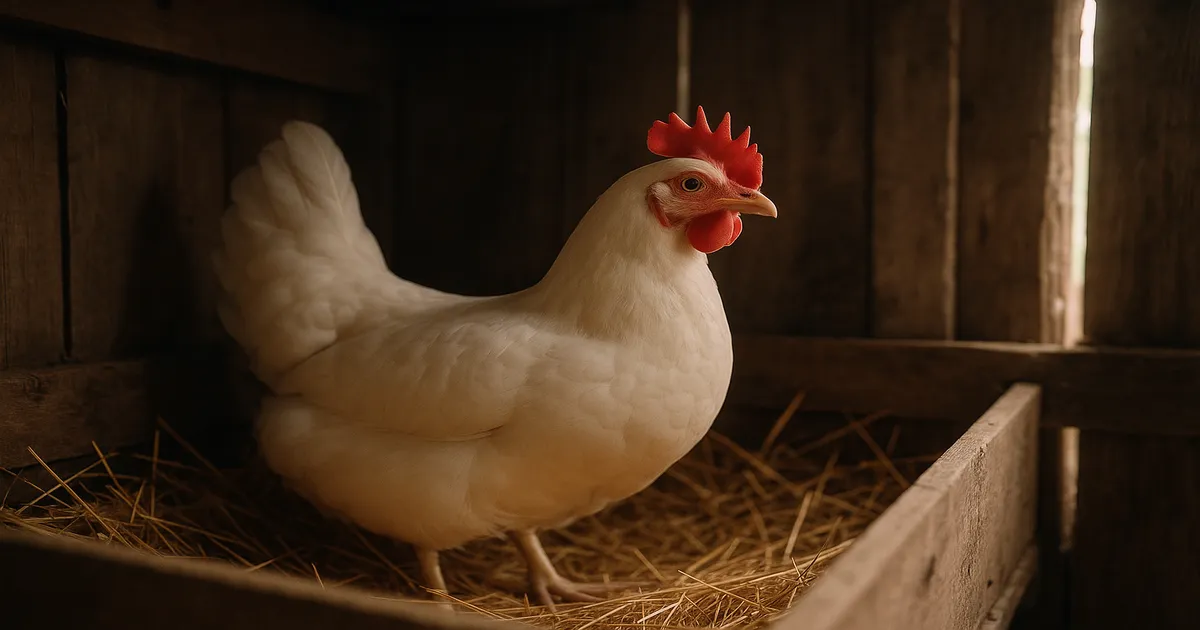
Quick Answer: Leghorns are one of the least broody chicken breeds in existence — many keepers go years without ever seeing a Leghorn hen go broody. This is a direct result of centuries of selective breeding for egg production. It means Leghorns lay consistently but won’t hatch eggs naturally. If you want chicks, you’ll need an incubator or a broody breed kept alongside them.
Do Leghorns not brood very much? Almost never. The breed’s non-broody nature isn’t a quirk — it’s the defining result of generations of deliberate selection that made the Leghorn the world’s premier egg-laying breed. Understanding why helps you manage your flock more effectively and set realistic expectations from day one.
Do Leghorns Go Broody? The Short Answer
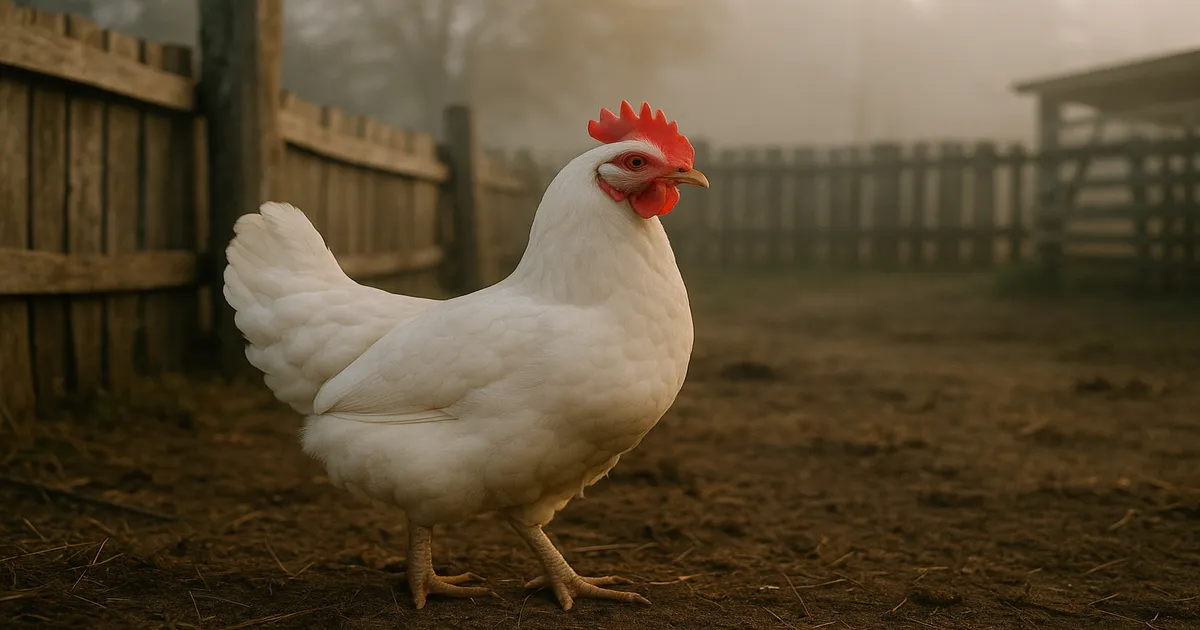
Leghorns go broody so rarely that it’s essentially a non-event for most keepers. Commercial White Leghorn strains have had the broody instinct nearly eliminated through selective breeding. Heritage and exhibition lines are slightly more likely to show the behavior, but even then it’s typically brief and easy to break.
Why This Matters for Your Flock
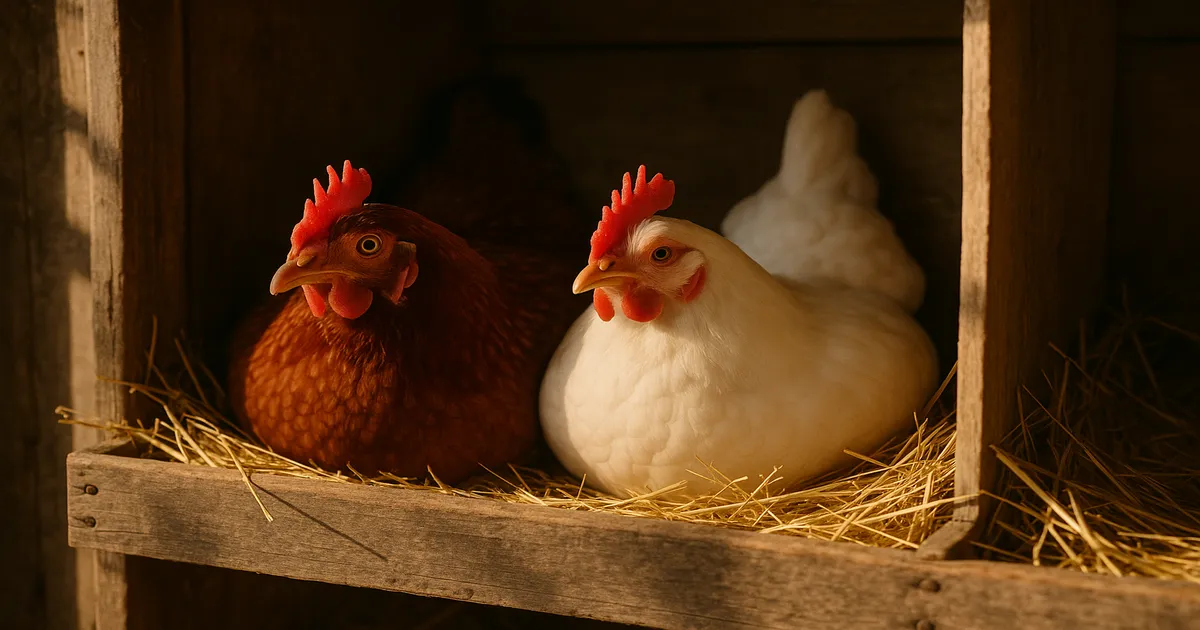
A broody hen stops laying entirely — sometimes for three weeks or more. That’s exactly why the egg industry worked so hard to breed the instinct out of Leghorns. For you as a keeper, this means consistent eggs through spring and summer without unexpected laying pauses. The trade-off is that your Leghorns won’t hatch eggs for you, so natural chick-rearing requires a different plan.
Why Leghorns Were Bred to Avoid Broodiness
Origins in Italy and the American Egg Industry
The Leghorn breed traces back to Livorno, Italy — “Leghorn” being the old English name for the city. Birds were imported to the United States around 1828, and the American Poultry Association recognized the breed in 1874. What followed was one of the most intensive selective breeding programs in poultry history, driven entirely by commercial egg production demands.
How Selective Breeding Eliminated the Broody Instinct
Broodiness is hormonally driven. A surge in prolactin causes a hen to stop laying and start sitting. Breeders selecting for maximum egg output had zero tolerance for hens that stopped laying for weeks at a time, so birds that showed any broody tendency were simply not kept as breeders. Over generations, the result is a breed whose hormonal response to accumulated eggs in a nest is essentially absent.
Commercial vs. Heritage Leghorn Strains
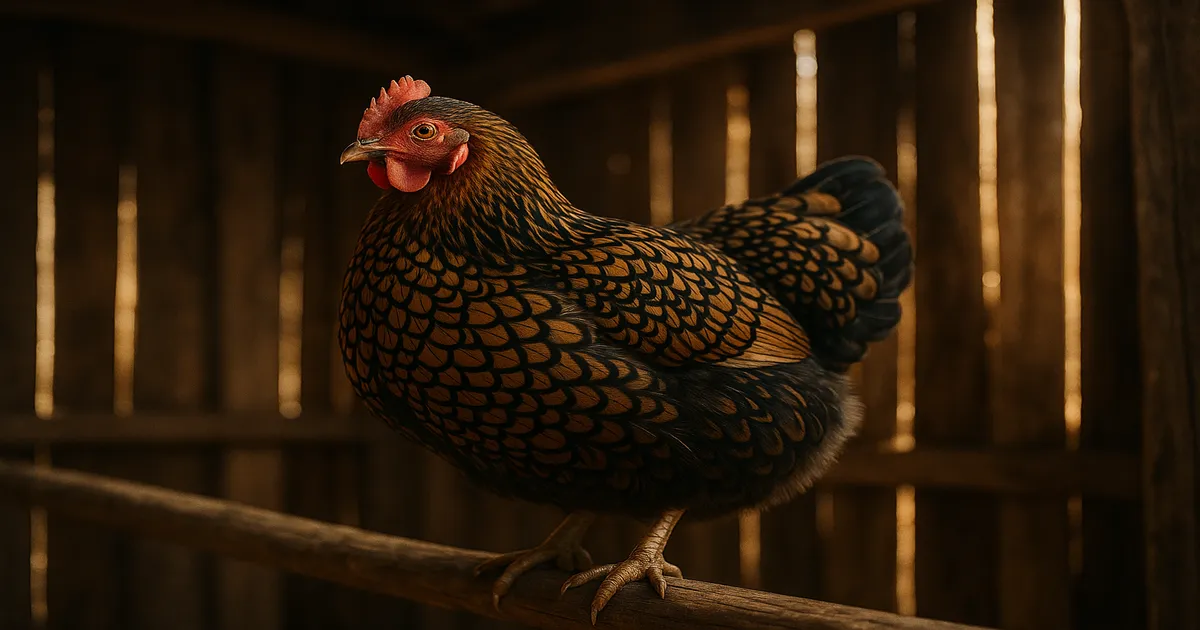
Modern commercial White Leghorns are the most non-broody of all Leghorn strains. Heritage and exhibition lines — particularly Brown Leghorns and other color varieties — occasionally show mild broody behavior, but it’s short-lived compared to genuinely broody breeds like Silkies or Buff Orpingtons. If you’re sourcing Leghorns from a production-focused hatchery, expect almost zero broodiness.
The Science Behind Why Leghorns Don’t Brood Much
What Triggers Broodiness in Chickens
In most breeds, a combination of factors — day length, nest availability, accumulated eggs, and hormonal state — can trigger a prolactin surge that puts a hen into broody mode. Her body temperature rises, she flattens herself over the nest, and she stops ovulating. It’s a powerful biological drive in breeds that retain it.
How the Prolactin Response Is Suppressed in Leghorns
In Leghorns, that prolactin response has been selectively suppressed to the point where most hens simply don’t experience it. Their drive to lay an egg and walk away is dominant. They’re not ignoring their eggs — they’re genuinely not receiving the hormonal signal to sit on them.
When a Leghorn Might Go Broody
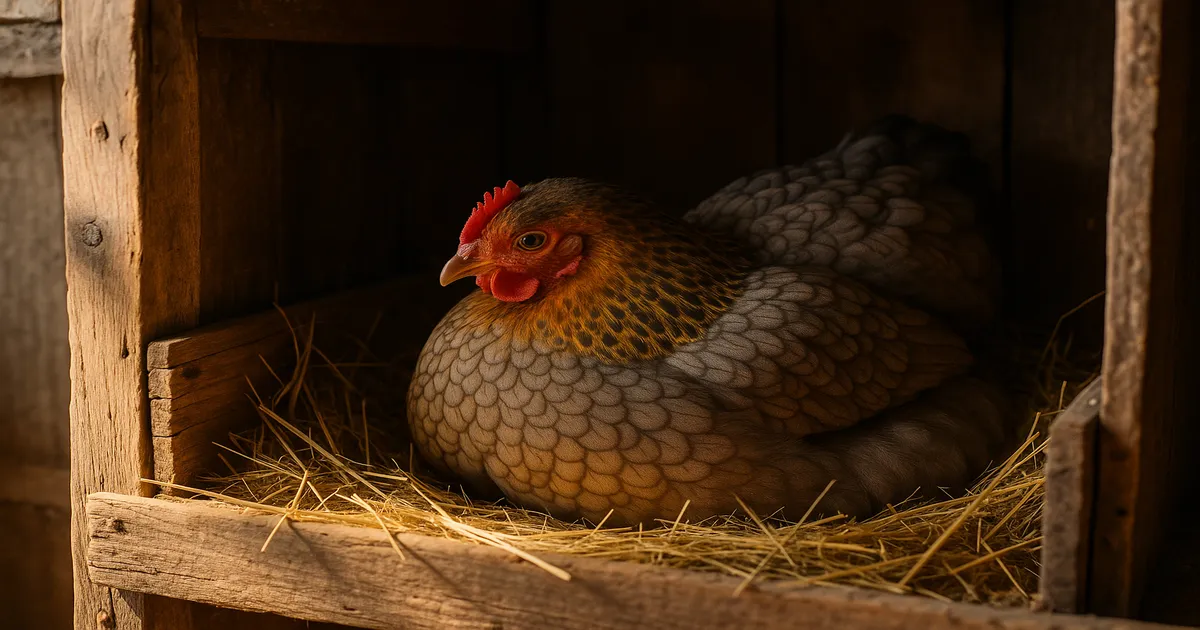
It does happen occasionally, especially in heritage lines. If your Leghorn does go broody, the fix is straightforward: place her in a wire-bottomed “broody breaker” cage with good airflow underneath for two to four days. The cooling effect on her breast disrupts the prolactin cycle, and she’ll typically return to laying within a week.
What Non-Broodiness Means for Egg Production
Leghorn Egg Output: Numbers and Expectations
Leghorns produce 280–320 large, white eggs per year under good management — roughly five to six per week. Compare that to a Buff Orpington at 175–200 eggs per year, and you start to see why the absence of broody pauses matters so much. A Leghorn that never goes broody simply never loses those three-week production windows.
Egg Size, Color, and Shell Quality
Leghorn eggs are large to extra-large, bright white, and consistently well-shelled. Their calcium metabolism is highly efficient, which contributes to strong shells even at peak production rates. First-year pullets may start with smaller eggs for the first four to six weeks, but they quickly reach full size.
When Leghorns Start Laying and Seasonal Changes
Leghorns are early maturers, with pullets often starting to lay at 16–18 weeks — two to four weeks ahead of heavier dual-purpose breeds. The main production disruptors you’ll encounter aren’t broodiness; they’re the annual molt (a six- to twelve-week pause, typically in the bird’s second fall onward) and reduced winter daylight. Supplemental lighting to maintain 14–16 hours of light per day keeps production steady through winter. A simple plug-in coop light on a timer does the job reliably.
How to Hatch Chicks Without a Broody Leghorn
Using an Incubator
An incubator is the most reliable way to hatch Leghorn eggs. You’re looking for a stable temperature of 99–100°F (37–38°C) with humidity around 50–55% during incubation, rising to 65–70% for the final three days (lockdown). Eggs need to be turned at least three times daily — an automatic turner handles this for you and removes a lot of the guesswork. A forced-air incubator with a built-in turner is worth the investment if you plan to hatch more than once a year. (Brinsea Ovation 28 EX)
Best Broody Breeds to Pair With Leghorns
If you want natural hatching capability alongside your Leghorns’ egg output, keep one or two broody-prone hens in the flock. Three breeds that work well are:
- Silkies — famously dedicated setters that will hatch almost anything, year-round
- Buff Orpingtons — calm, reliable broodies who are also decent layers
- Brahmas — large, gentle, and consistently willing to go broody
A single Silkie can set a clutch of eight to ten eggs and raise the chicks with minimal input from you.
Integrating Leghorn Chicks Into an Existing Flock
Whether chicks are incubator-hatched or hen-raised, integration takes patience. Keep new chicks separate but visible to the flock for at least two to three weeks before direct contact. A wire divider in the run works well for this. Leghorns are competitive at feeders, so make sure younger birds have their own feeding stations during the transition period.
Leghorn Temperament and Management
Active, Flighty, and Independent
Leghorns are alert, energetic, and easily startled — the opposite of a lap chicken. They’ll clear a standard fence without much effort, startle at sudden movements, and prefer to keep their distance from humans unless handled consistently from a young age. Roosters can be assertive and occasionally aggressive, which is worth keeping in mind if young children are around.
Confined vs. Free-Range Settings
Leghorns thrive when they have space to move. Free-ranging suits them well — they’re excellent foragers and will cover a lot of ground. In confined setups, they need generous space to avoid stress, feather-picking, and reduced laying. Aim for at least 4 sq ft per bird inside the coop and 10 sq ft per bird in the run as a minimum, though more is always better for this active breed. A cramped run makes a Leghorn anxious in ways that show up directly in your egg basket.
Housing and Care Tips for Leghorns
Roost Height and Coop Setup
Leghorns are strong fliers and prefer to roost high. Provide roost bars at three to five feet off the ground with eight to ten linear inches of space per bird. A bar diameter of 1.5–2 inches is ideal for foot health. Nest boxes should be lower than the roost bars to discourage hens from sleeping in them.
Frostbite Risk on Large Single Combs
The Leghorn’s large, floppy single comb is beautiful in summer and a liability in winter. In cold climates, the tips of the comb are highly susceptible to frostbite when temperatures drop below 20°F (-7°C). A few practical steps help:
- Apply plain petroleum jelly to combs before cold nights as a moisture barrier
- Choose the Rose Comb Leghorn variety if you’re in a northern climate — the compact comb dramatically reduces frostbite risk
- Keep the coop well-insulated and draft-free, but maintain good ventilation to prevent moisture buildup
Feeding a High-Output Layer Breed
Leghorns are efficient eaters, consuming roughly ¼ lb (110–115 g) of feed per hen per day — less than heavier breeds. Feed a 16–18% protein layer pellet and offer free-choice oyster shell in a separate container at all times so hens can self-regulate their calcium intake. Treats are fine, but keep them under 10% of the daily diet. Excess treats dilute protein and calcium intake, and you’ll see the results as thinner shells.
Grit is essential if your birds eat anything beyond commercial feed. Confined birds need it offered free-choice; free-range birds usually pick up enough naturally from the ground.
A good hanging feeder keeps feed off the ground and reduces waste — important with a breed that eats efficiently and doesn’t need to be subsidizing the local sparrow population.
Frequently Asked Questions About Leghorn Broodiness
Do Leghorns not brood very much compared to other breeds?
Correct — Leghorns are among the least broody breeds you can keep. Commercial White Leghorn hens rarely if ever go broody. Heritage strains may show brief broody behavior occasionally, but it’s far less persistent than in breeds like Silkies, Cochins, or Buff Orpingtons.
Which breeds are the least broody overall?
Leghorns top the list, followed by other Mediterranean breeds such as Anconas and Minorcas. Production Reds and sex-link hybrids are also bred for low broodiness. As a general rule, the lighter and more production-focused the breed, the less likely it is to go broody.
How do I hatch eggs if my Leghorns won’t go broody?
Your two best options are an incubator or a broody hen of another breed. Silkies are the gold standard for natural hatching and will reliably set eggs year-round. Incubators give you full control over temperature and humidity and are a worthwhile investment if you plan to hatch regularly.
How do you break a broody Leghorn hen?
Place her in a wire-bottomed cage elevated off the ground so air can circulate under her breast. Keep her there for two to four days with food and water but no nesting material. The drop in breast temperature disrupts the prolactin cycle, and she’ll typically snap out of it quickly — often faster than truly broody breeds.
Does non-broodiness mean Leghorns lay more eggs overall?
Yes, directly. A broody hen stops laying for the duration of her broody period — typically three weeks of sitting plus additional recovery time. A Leghorn that never goes broody never loses that production window. Combined with their naturally high output of 280–320 eggs per year, the absence of broody pauses is a significant reason Leghorns consistently outperform most other breeds on total annual egg count.