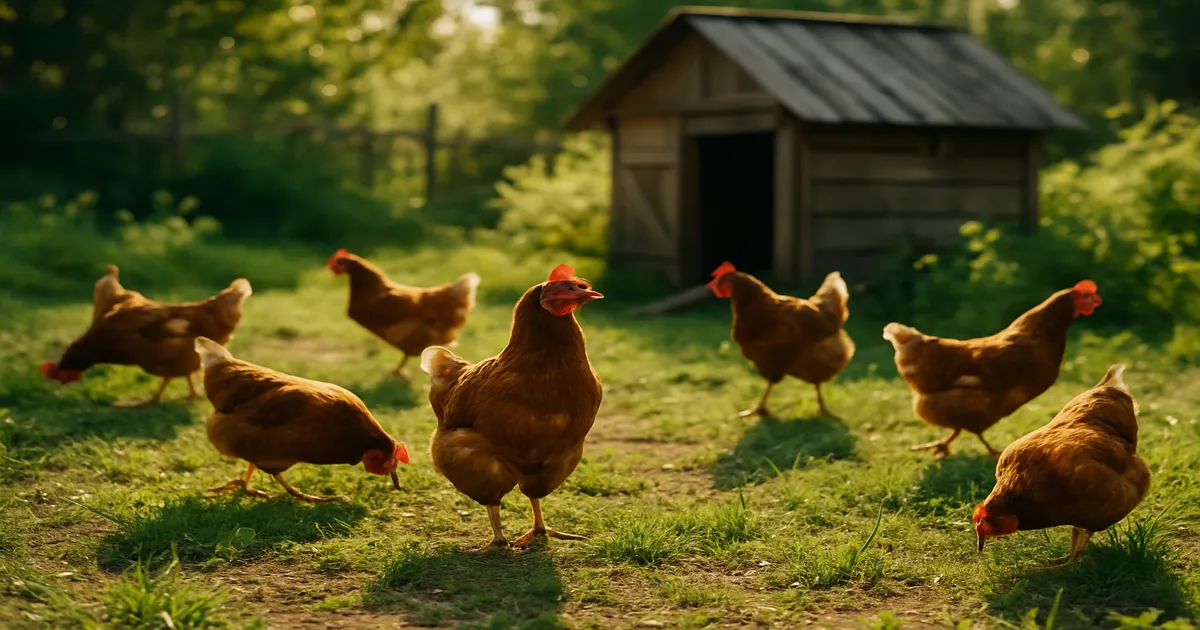
Quick Answer: The easiest way to grab a skittish hen is to wait until dusk when she’s roosting and naturally calmer, then use a slow two-handed scoop from below — one hand supporting her breast, the other securing her wings — and tuck her firmly under your arm. Never chase her. Chasing triggers a hard-wired prey response that makes every future catch harder.
So how do y’all grab and handle skittish hens without turning the whole coop into a feathery disaster? You’re not alone in asking. It’s one of the most common frustrations in backyard chicken keeping, and the good news is that with the right approach — and a little patience — even genuinely nervous hens can become manageable.
How to Grab a Skittish Hen Without the Chaos
The 30-Second Method That Actually Works
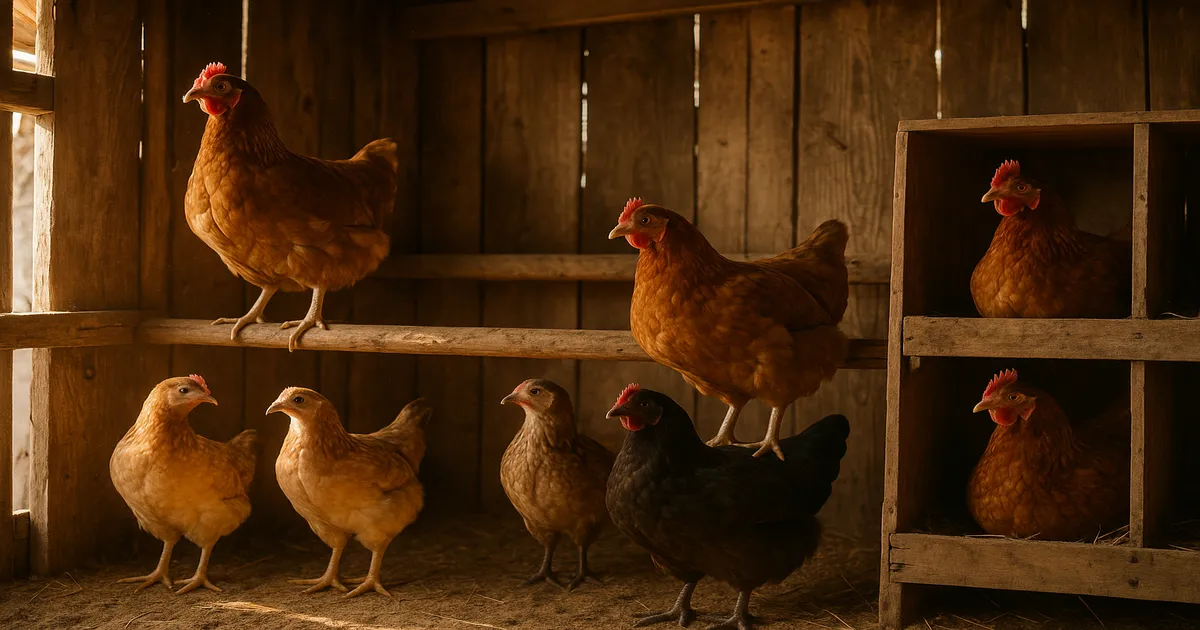
Wait until about 30 minutes after sunset. Head out to the coop with a headlamp on red-light mode if you have one. Your hens will be roosting and noticeably calmer than during the day — their night vision is poor, and they’re in a naturally lower-alert state.
Approach slowly and quietly. Place both hands under the hen from below: one hand cupped under her breast, the other gently pressing her wings against her body. Lift her smoothly, then tuck her under your arm like a football, head toward your elbow, body resting along your forearm. That’s it. No drama, no sprinting, no feathers everywhere.
Why Chasing Always Makes It Worse
Every time you chase a hen, you confirm her worst suspicion — that you are a predator. Chickens are prey animals, and their flight response is ancient and deeply wired. A single chase can raise her baseline anxiety for days. Repeat it enough times and you’ve essentially trained her to run from you on sight.
Why Your Hen Is Skittish in the First Place
It’s a Survival Instinct, Not a Personality Flaw
Don’t take it personally. A hen that explodes off the roost when you reach for her isn’t being difficult — she’s doing exactly what millions of years of evolution designed her to do. Chickens that hesitated around large moving objects didn’t survive long enough to pass on their genes. The ones that bolted did. Your hen inherited that instinct.
How Early Socialization Shapes Adult Behavior
The most critical window for taming is the first eight weeks of life. Chicks handled gently and regularly during this period grow into adults with a much shorter flight distance — that’s the gap they want between themselves and an approaching human before they bolt. Hatchery-raised birds, mail-order chicks, and rescue hens often missed that window entirely, which is why they can seem almost feral even after months in your care.
Other Triggers: Rough Handling, Predator Scares, Flock Size
Even a hen that started out calm can become skittish after a single bad experience. A predator attack, being grabbed roughly by a child, or getting chased around the run — any of these can reset her trust level significantly. Flock size matters too. Hens in large flocks of 20 or more birds tend to be harder to individually tame than those in small backyard flocks of 3–6. A protective rooster can also keep hens on high alert, making them harder to approach.
Know Your Breed: Flighty vs. Friendly Temperaments
Breeds Most Likely to Be Skittish
Some breeds are fighting genetics, not just a training gap. The Mediterranean breeds in particular were developed for survival and productivity, not lap-sitting.
- Leghorn — The most common flighty breed. Lightweight (4–5 lbs), high-strung, and capable of clearing a 6-foot fence. Excellent layers (280–320 white eggs per year), but don’t expect cuddles.
- Ancona — Active, alert, and jumpy. Treats skittishness as a full-time job. Lays white eggs.
- Egyptian Fayoumi — Arguably the most skittish breed you can keep. Many keepers report they never fully tame, even after years of patient effort. Lays small white to tinted eggs.
- Hamburg — Elegant and high-strung. Lays white eggs; not a family bird.
- Campine — Belgian origin; an active forager that’s very difficult to tame. Lays white eggs.
- Lakenvelder — Beautiful bird, notoriously flighty. Handle with low expectations.
- Catalana — Independent and wary; not interested in your company.
Naturally Calm Breeds Worth Knowing About
If handleability matters to you, these breeds are a much easier starting point:
- Buff Orpington — The gold standard for docile backyard hens. Big, fluffy, slow-moving, and genuinely friendly. Lays light brown eggs and handles cold weather well.
- Silkie — Tolerates handling exceptionally well. Frequently broody, calm, and often content to sit in your lap.
- Cochin — Large, calm, and almost comically relaxed about being held. Cold-hardy and lays brown eggs.
- Speckled Sussex — Curious and people-oriented; will often approach you first. Lays light brown eggs.
- Australorp — Calm, consistent layer (250–300 brown eggs per year), and handles confinement and handling well.
- Dominique — America’s oldest breed; gentle, cold-hardy, and adaptable. Lays brown eggs.
Individual Variation: Even Calm Breeds Have That One Wild Hen
No matter the breed, individual personalities vary. You can have a flock of Buff Orpingtons and still end up with one hen who acts like she’s never seen a human before. A single rough handling experience or a close call with a hawk can change even the most relaxed bird. Breed temperament sets the baseline — experience shapes the individual.
Step-by-Step Techniques for Grabbing and Handling Skittish Hens
The Dusk Advantage: Catching Hens on the Roost
This is your best tool for truly skittish birds. Wait until the flock has settled for the night, move calmly into the coop, and approach the roost bar slowly. Hens in low light are significantly less reactive — their night vision is poor and their flight response is dampened. Most will allow you to pick them up without a struggle.
The Low-and-Slow Approach for Daytime Handling
If you need to catch a hen during the day, your body language matters enormously.
- Crouch or squat down — standing upright over a chicken looks exactly like a predator about to strike.
- Move slowly and diagonally — don’t walk straight toward her. Approach from the side.
- Avoid direct eye contact — a fixed stare is a predator signal. Glance away occasionally.
- Let her settle — if she moves away, pause. Don’t follow immediately. Let her curiosity kick in.
The Correct Two-Handed Scoop and Football Hold
Never grab from above. That’s hawk behavior, and her instincts know it.
Bring both hands in from below and slightly to the side. One hand cups her breast from underneath; the other gently presses her wings against her body as you lift. Once she’s up, tuck her under your arm with her head pointing toward your elbow — her body resting along your forearm, your arm applying gentle, steady pressure. This football hold keeps her wings secured and her body supported, which is what actually calms her down.
Using a Hook, Net, or Corner Trap When Necessary
For hens that are genuinely wild — the ones that treat the run like a racetrack the moment you enter — tools help. A shepherd’s crook or poultry catching hook lets you snag a leg without chasing. A small landing net works too. The corner trap method is low-tech: use a piece of cardboard or a second person to slowly herd her into a corner, then crouch and scoop. Move slowly the whole time — the goal is to reduce her flight distance, not increase her panic.
Keeping Her Calm Once You Have Her
Once she’s in the football hold, cover her eyes gently with your hand or drape a small cloth over her head. Darkness triggers a calming response in chickens — it’s the same reason a dark nest box feels safe to her. Speak softly and steadily. Give her 30–60 seconds to stop struggling before you do whatever you need to do.
Treat Training: Your Most Powerful Taming Tool
Why Mealworms Work So Well
Dried or live mealworms are the single highest-value treat for most hens. Even a hen with significant fear of humans will often override that instinct for mealworms. Other high-value options include scrambled eggs, watermelon, corn kernels, and halved grapes. Keep treats to no more than 10% of her total daily diet — a hen eating mostly mealworms is a hen with nutritional problems, including the calcium deficiency that leads to soft-shelled eggs.
Open-Palm Feeding vs. Tossing Treats
This distinction matters more than most keepers realize. When you toss treats on the ground, you reward the hen for keeping her distance — she gets the food without approaching you, so her brain learns: stay away, treats appear anyway. When you offer from an open, flat palm, she has to come to you to get the reward. That’s the behavior you’re reinforcing.
A Daily Taming Routine That Actually Sticks
Consistency matters more than duration. Five minutes every day beats 30 minutes once a week.
- Go out at the same time each day — morning treat time works well.
- Sit or crouch at ground level before offering anything.
- Hold your palm flat with treats and wait. Don’t reach toward her.
- Once she’s eating from your hand reliably, begin touching her briefly before offering the treat — a light stroke, then the mealworm.
- Gradually work toward picking her up without the treat as a prerequisite.
Simply sitting in the run daily — not even trying to catch anyone — can dramatically reduce flock skittishness within two to three weeks. Your size is genuinely frightening to a prey animal. When you sit on the ground or a low stool, you stop looking like a threat and start looking like part of the landscape.
Coop and Run Design That Reduces Skittishness
Space, Stress, and Flighty Behavior
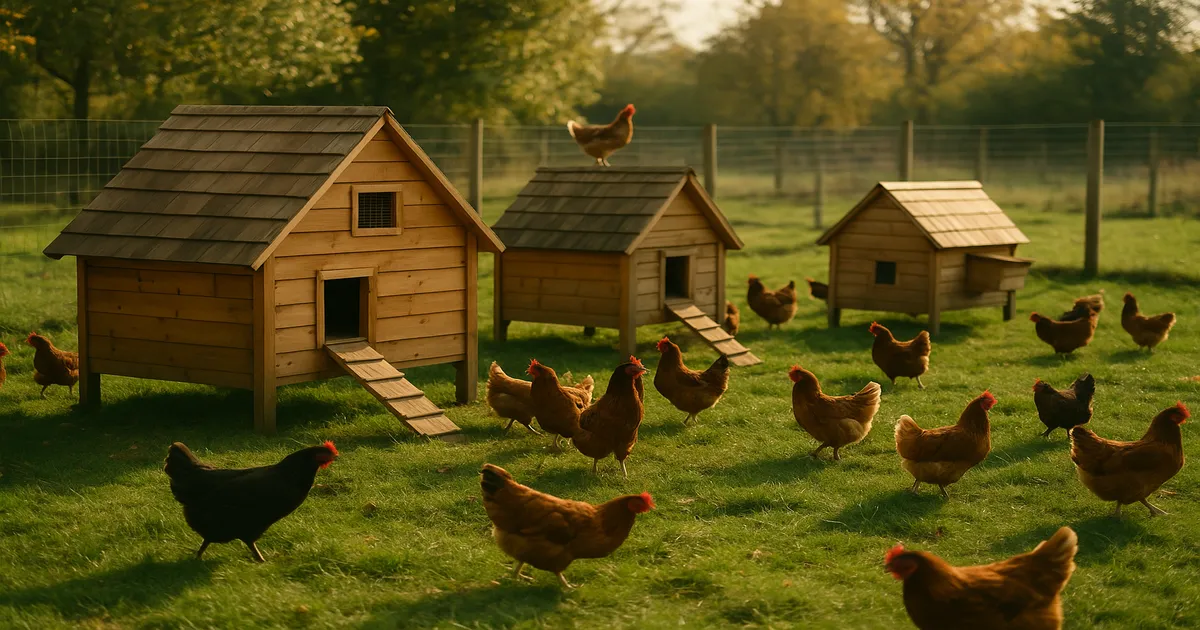
Overcrowding raises baseline stress across the whole flock, which means more aggression, more competition, and more reactive behavior toward humans. If your birds seem perpetually on edge, check your space before blaming temperament.
- Coop space: 4 sq ft per bird is the minimum; 6–8 sq ft per bird is where you’ll see noticeably calmer behavior.
- Run space: 10 sq ft per bird minimum; aim for 20–30 sq ft per bird if you’re keeping flighty Mediterranean breeds like Leghorns or Hamburgs.
- Free-range access — even part-time — measurably reduces stress behaviors in active breeds.
Nest Boxes, Roosts, and Hiding Spots
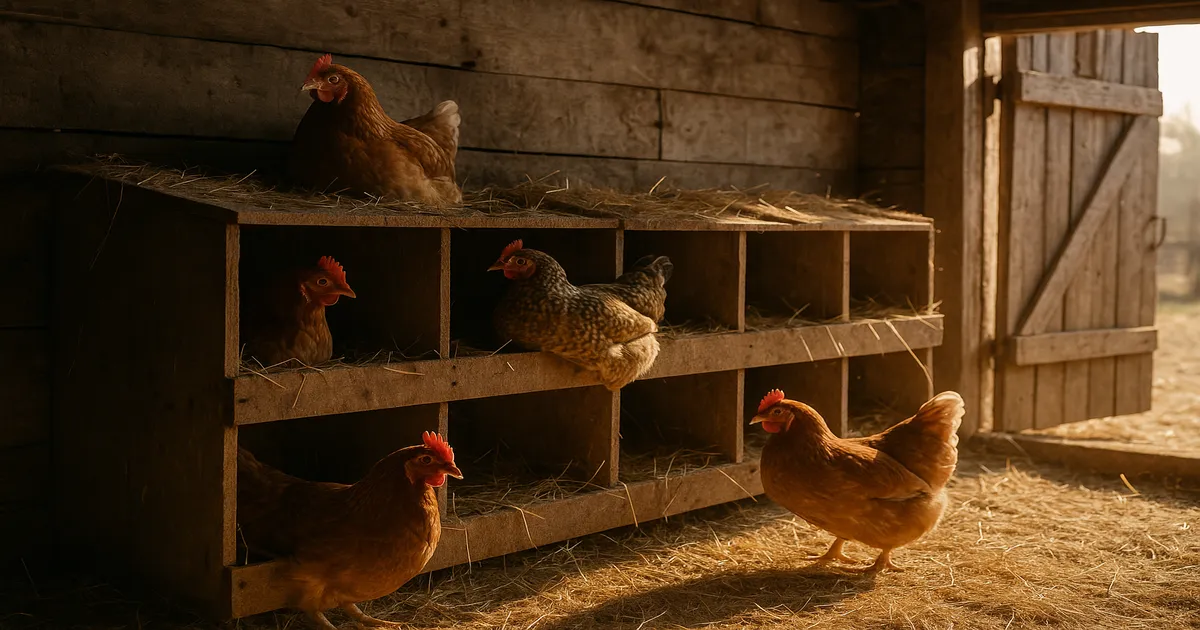
Curtained or covered nesting boxes give skittish hens a place to lay without feeling exposed. You can make curtains from burlap or old fabric strips — nothing fancy. Provide roost bars with 8–12 inches of space per bird, using flat 2×4 lumber laid flat rather than round dowels, which are harder on feet. Hiding spots in the run — a pile of brush, a low platform — also give nervous birds a place to decompress.
Predator-Proofing: A Safe Hen Is an Easier Hen
A hen that survived a predator attack is a different animal than she was before. That experience rewires her. The best thing you can do for long-term tamability is make sure your coop and run are genuinely secure: half-inch hardware cloth on all openings, a buried apron of 12 inches deep and 12 inches outward to stop diggers, and an automatic coop door (ChickenGuard Extreme) that closes reliably at dusk. A hen that feels safe is a hen you can actually work with.
How Stress Affects Egg Production
Every time you chase a hen or grab her roughly, her body releases cortisol. That stress hormone suppresses reproductive function — it’s the same mechanism that causes hens to stop laying during a heat wave or after a predator scare. It’s not attitude; it’s physiology.
A single stressful event can suppress laying for 3–7 days. For a high-producing Leghorn laying 5–6 eggs per week, that’s a meaningful loss. Multiply that across a flock you’re regularly stressing, and the numbers add up fast. Taming your hens isn’t just about convenience — it’s good for your egg basket.
| Breed | Eggs/Year | Egg Color | Temperament |
|---|---|---|---|
| Leghorn | 280–320 | White | Very flighty |
| Ancona | 220–260 | White | Flighty |
| Egyptian Fayoumi | 150–180 | White/Tinted | Extremely flighty |
| Hamburg | 150–200 | White | Flighty |
| Buff Orpington | 175–200 | Brown | Calm |
| Australorp | 250–300 | Brown | Calm |
Raising Hens That Are Easy to Handle From Day One
The Critical Socialization Window: Weeks 1–8
The first eight weeks of a chick’s life are when human contact has the most lasting impact. Start handling at day 3–5, once chicks are steady on their feet and eating well. Handle each chick for 10–15 minutes, two to three times daily. Let them perch on your hand voluntarily before you attempt to close your fingers around them. Talk softly and consistently — chicks imprint on voices and faces, and a familiar voice genuinely reduces their stress response.
Brooder Setup Choices That Build Confidence
Use a heat plate rather than a heat lamp if possible. (Brinsea EcoGlow Safety 600) Heat plates produce calmer chicks — they snuggle underneath as they would under a mother hen, rather than sitting under a harsh light with nowhere to hide. Follow this temperature schedule, but watch your chicks more than the thermometer:
| Week | Temperature |
|---|---|
| Week 1 | 95°F (35°C) |
| Week 2 | 90°F (32°C) |
| Week 3 | 85°F (29°C) |
| Week 4 | 80°F (27°C) |
| Week 5 | 75°F (24°C) |
| Week 6 | 70°F (21°C) |
| Week 7+ | Ambient (if above 65°F / 18°C) |
Panting and spreading out means too hot. Huddling together means too cold. Scattered evenly and active means just right.
What If You Missed the Window?
Adult hens that missed early socialization can still be tamed — it just takes longer. The treat-training protocol above is your primary tool. Expect weeks, not days. Some hens, Egyptian Fayoumis in particular, may never fully trust you no matter what you do, and that’s okay. The goal is manageable, not necessarily cuddly.
Frequently Asked Questions About Handling Skittish Hens
What is the easiest way to catch a chicken that runs away from you?
Wait until dusk and catch her on the roost. Hens roosting at night are calm, have poor night vision, and will usually allow you to pick them up without a struggle. If you must catch her during the day, slowly herd her into a corner of the run, crouch down to reduce your threat profile, and scoop from below.
Why does my hen scream and panic when I pick her up?
From her perspective, something large just grabbed her from above — which is exactly what a hawk does. Her screaming is a distress call, not a sign you’re hurting her. Switching to a below-the-body scoop, securing her wings immediately, and covering her eyes will reduce the panic significantly once she’s in your arms.
Can a skittish hen ever be fully tamed?
Most skittish hens can be significantly improved with consistent treat training and calm daily interaction — though “tamed” might mean tolerates handling rather than enjoys it. Hens that missed early socialization or have had frightening experiences will take longer. A few breeds, like the Egyptian Fayoumi, may never fully warm up to humans regardless of effort. Celebrate small wins.
Does chasing chickens make them harder to handle over time?
Yes, absolutely. Every chase reinforces the association between you and danger. Hens have good memories for negative experiences, and repeated chasing raises their baseline flight distance — meaning they’ll start running earlier and earlier at your approach. Switch to treat training and dusk catching as soon as possible, and give the flock a week or two to reset.
How long does it take to tame a skittish hen?
It depends on the hen’s history and breed, but most keepers see meaningful improvement within two to four weeks of daily, consistent treat training. Hens that were handled as chicks may respond in just a few days. Rescue hens or breeds with strong flighty genetics can take two to three months — and some may plateau at “tolerates you” rather than “trusts you.” That’s still a win.