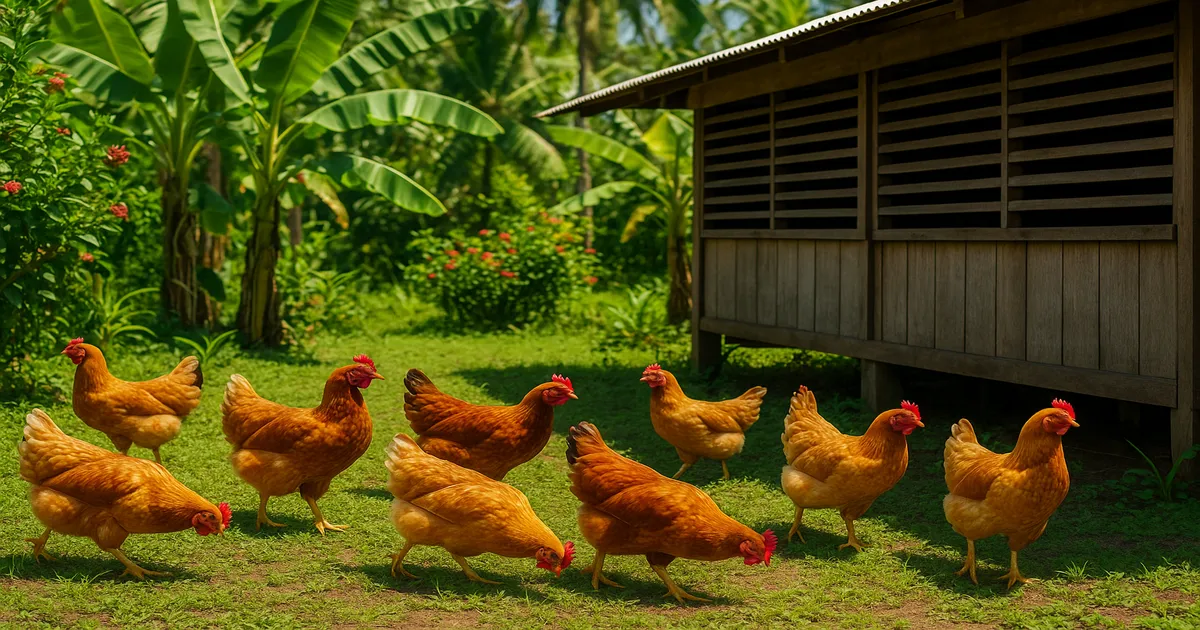
Quick Answer: Raising chickens in Jamaica means working with the tropics rather than against them — choose heat-tolerant breeds like local yard fowl or Leghorn, build open-air coops designed for airflow over insulation, and prepare seriously for hurricane season. Get those three things right and Jamaica’s warm climate is actually a fantastic environment for a productive backyard flock year-round.
If you’re researching how to raise chickens in Jamaica, here’s the good news: you’ve skipped one of the biggest headaches in temperate chicken keeping. No frozen waterers, no frostbitten combs, no dramatic winter drop in egg production. What you do need to manage — and manage well — is heat, humidity, and the annual threat of hurricanes. This guide covers breed selection, coop design, feeding, health care, and storm prep, all tailored to Jamaican conditions.
How to Raise Chickens in Jamaica: What Makes It Different
Climate Basics and Why They Change Everything
Jamaica’s temperatures run 75–95°F (24–35°C) year-round, and humidity is high across most of the island. That combination shifts your entire management focus. Where a keeper in Canada worries about keeping birds warm, you’re focused on keeping them cool, dry, and well-ventilated.
Free-range foraging is also far more productive here than in temperate climates. Birds can realistically offset 20–40% of their feed costs just by ranging over a decent-sized yard, thanks to Jamaica’s lush vegetation and year-round insect activity.
The wet season (May–November) doubles as hurricane season, which adds a structural and emergency-planning dimension that most chicken keeping guides simply don’t address.
Four Things That Matter Most
- Shade — birds need access to it during peak heat hours (10 AM–3 PM)
- Airflow — open-sided coops oriented to Jamaica’s northeast trade winds
- Heat-adapted breeds — local yard fowl, Leghorn, and Rhode Island Red all perform well
- Disease resistance — high humidity accelerates respiratory illness and parasites; breed choice and coop hygiene are your first line of defense
Best Chicken Breeds for Jamaica’s Tropical Climate
Local Creole Yard Fowl: The Top Choice for Beginners
Yard fowl are your best starting point. These mixed-breed birds have been free-ranging across Jamaica for centuries and are genuinely adapted to the island’s heat, humidity, and disease pressure. They’re alert, hardy, excellent foragers, and natural mothers — a broody yard fowl hen will hatch and raise a clutch without any help from you. Egg production is modest (roughly 100–180 per year), but reliability and resilience more than compensate.
Leghorn: Best Layer for Jamaica’s Lowlands
The White Leghorn is arguably the best commercial layer for Jamaica’s hot lowland parishes. Their lean build, large single comb, and light feathering all help dissipate heat efficiently. Expect 250–300 white eggs per year — the highest production of any breed on this list. They’re active and somewhat flighty, so they do best in larger runs or free-range setups rather than tight confinement.
One caveat: that large single comb can sunburn in intense tropical sun. A shaded run helps considerably.
Rhode Island Red: Reliable Dual-Purpose Breed
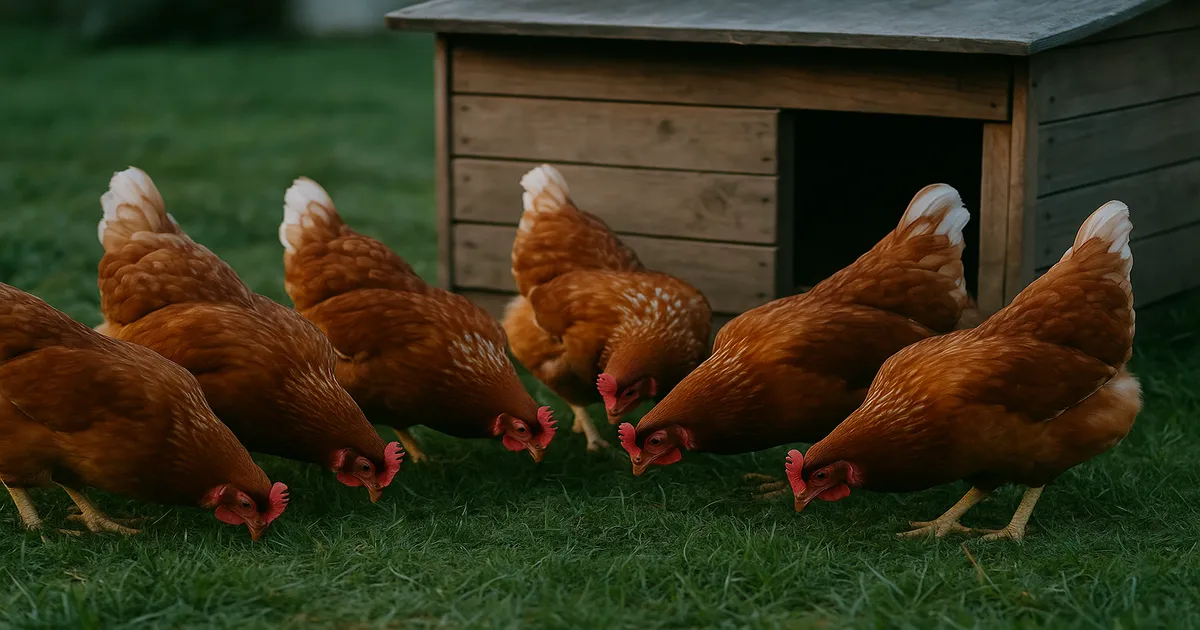
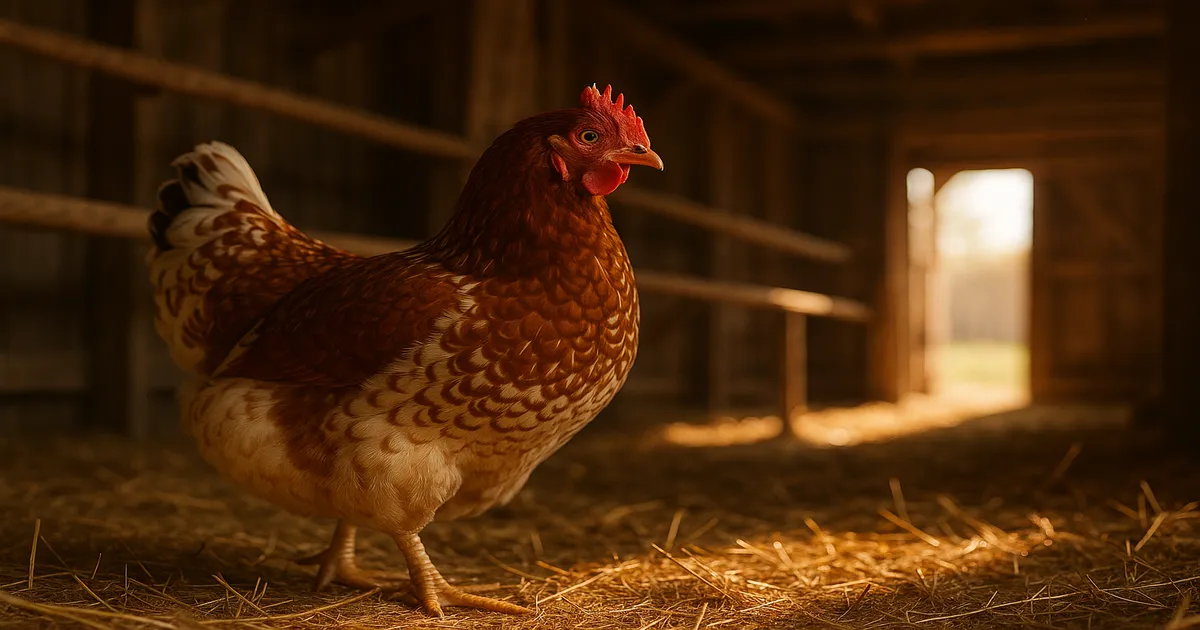
Rhode Island Reds are widely available in Jamaica and earn their popularity. They lay 200–260 brown eggs per year, handle heat reasonably well with adequate shade, and their calm temperament makes them easy to manage. They’re not as heat-tolerant as yard fowl or Leghorns, so don’t crowd them — extra outdoor run space matters here more than anywhere.
Plymouth Rock: Calm and Adaptable
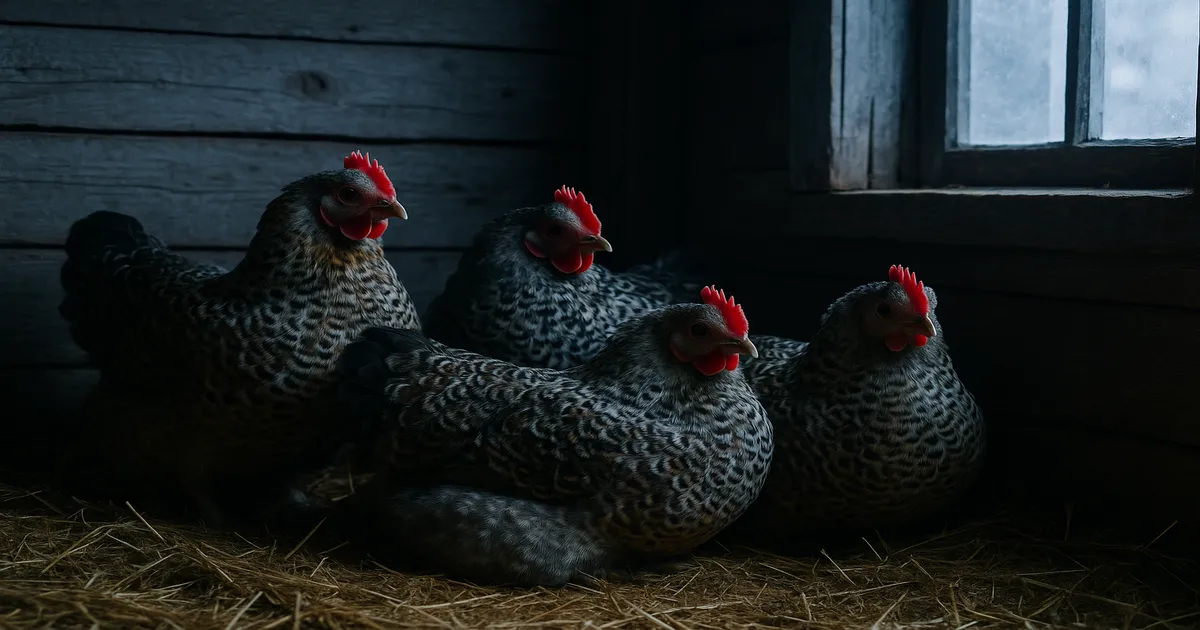
The Barred Plymouth Rock is a solid all-rounder: friendly, adaptable, and good for families with children. Expect around 180–220 brown eggs per year. They handle Jamaica’s climate well as long as shade and airflow are adequate, and their dual-purpose nature means surplus cockerels aren’t wasted.
Buff Orpington: Only for Cooler Highland Parishes
Buff Orpingtons are wonderful birds, but their heavy feathering makes them a poor fit for Jamaica’s hot lowlands. If you’re keeping chickens in the Blue Mountains or other elevated areas above 3,000 ft (914 m), they’re a viable option. Anywhere else, the heat stress risk is real and ongoing.
Breed Comparison Table for Jamaican Conditions
| Breed | Heat Tolerance | Eggs/Year | Egg Color | Beginner-Friendly | Best Region |
|---|---|---|---|---|---|
| Local Yard Fowl | Excellent | 100–180 | Mixed | Yes | All Jamaica |
| Leghorn | Excellent | 250–300 | White | Moderate | Lowlands |
| Rhode Island Red | Moderate | 200–260 | Brown | Yes | All Jamaica |
| Plymouth Rock | Moderate | 180–220 | Brown | Yes | All Jamaica |
| Buff Orpington | Poor–Moderate | 150–200 | Brown | Yes | Blue Mountains only |
Note: Cornish Cross broilers are excluded from backyard recommendations — their poor heat tolerance and need for intensive management make them unsuitable for Jamaican free-range systems.
Coop Design for Jamaica’s Hot and Humid Climate
Why Ventilation Comes Before Everything Else
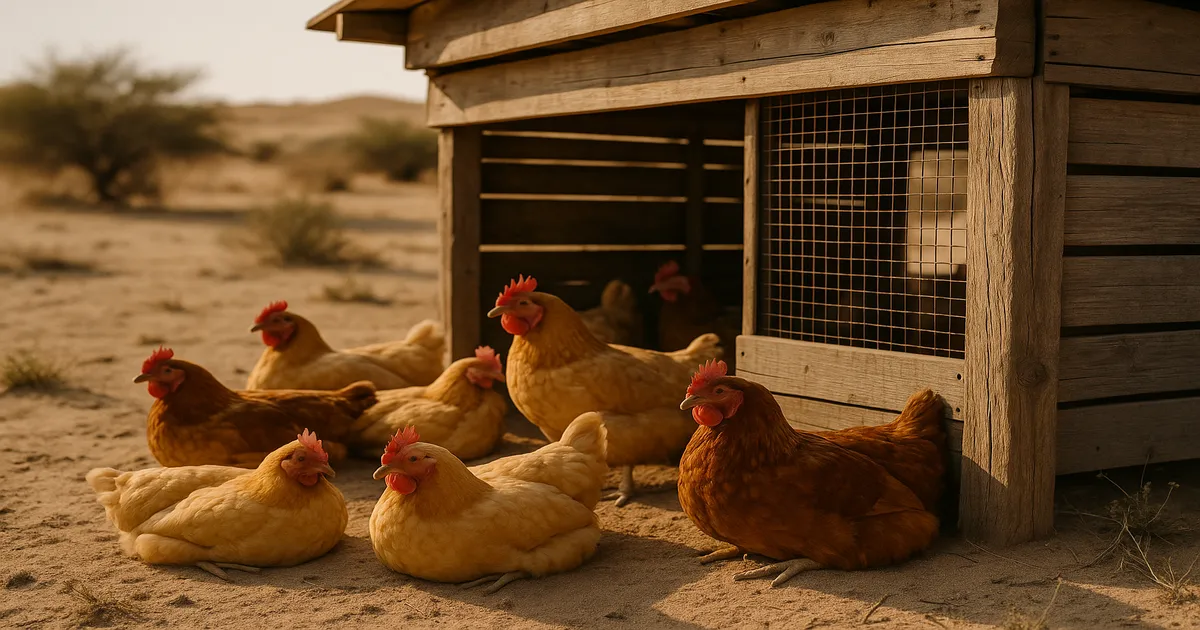
Everything you’ve read about insulating coops for winter? Ignore it. In Jamaica, your coop’s most important feature is airflow. Open-sided or slatted-wall construction — using hardware cloth or wooden slats on at least two to three sides — keeps air moving and temperatures manageable. Think of it less like a sealed shelter and more like a covered, predator-proof shade structure.
Aim for at least 1 sq ft of ventilation opening per 10 sq ft of floor space. In Jamaica’s climate, more is always better.
Siting, Orientation, and Natural Shade
Orient your coop to catch Jamaica’s prevailing northeast trade winds — this single decision makes a significant difference in interior temperature. Avoid low-lying spots where air stagnates and flooding is a risk during heavy rains. Positioning the coop near existing shade trees (breadfruit, mango, and ackee all work beautifully) can reduce ambient temperature by 10–15°F (5–8°C) without any additional cost.
Roofing Materials and Heat Reduction
Zinc (galvanized metal) roofing is common and affordable in Jamaica, but it absorbs and radiates heat intensely. Paint it white or silver to reflect sunlight, or add a secondary shade layer — a simple bamboo or shade cloth layer above the zinc makes a noticeable difference. Roof pitch should be at least 30–45 degrees to shed heavy tropical rainfall quickly, and wide overhangs of 2–3 ft (60–90 cm) block rain while keeping walls open for airflow. A ridge vent or open ridge construction lets hot air escape from the peak of the coop and is worth building in from the start.
Roost Bars, Nesting Boxes, and Flooring
- Roost bars: 8–10 inches (20–25 cm) of bar length per bird; 1.5–2 inch diameter; 18–24 inches off the ground
- Nesting boxes: 1 box per 4–5 hens; 12 × 12 × 12 inches minimum; positioned below roost height so hens don’t sleep in them
- Litter: dry rice straw, dry grass, or wood shavings — change weekly in Jamaica’s humidity to prevent mold and mites
A dirt floor with 4–6 inches of dry litter works well if drainage is good. Concrete is more hygienic and easier to disinfect, but it must be covered with litter to protect birds’ feet. Raise the coop floor 6–12 inches (15–30 cm) off the ground to improve airflow underneath and reduce moisture buildup during the wet season.
Space Requirements
- Indoor coop: 4 sq ft per bird minimum for standard breeds
- Outdoor run: 10 sq ft per bird minimum; 15–20 sq ft strongly recommended in Jamaica’s heat
- Free-range: the best option where predators allow — more space means less heat stress and healthier birds overall
A reliable automatic coop door is worth considering if you can’t always be home at dusk — predators are active year-round in Jamaica’s warm climate.
Hurricane Season Preparation for Chicken Keepers
Building a Hurricane-Resistant Coop
Jamaica’s hurricane season runs June through November, and this is one area where you cannot cut corners. Build your coop on concrete footings or anchor it with hurricane straps. Concrete block or solid wood frame construction is far more durable than lightweight materials. Avoid placing the coop in flood-prone areas.
Pre-Season Checklist (Before June 1)
- Inspect all structural connections, roofing, and walls for damage or weakness
- Repair loose panels, gaps, or deteriorating wood
- Clear debris and vegetation that could become projectiles
- Confirm drainage around the coop is functional
- Stock at least 3–5 days of feed and water in sealed, waterproof containers
When a hurricane warning is issued, secure your birds inside the coop early — don’t wait until the storm hits. A few large food-grade buckets with tight-fitting lids are all you need. It’s a small investment that protects months of work.
Feeding Chickens in Jamaica: Nutrition and Local Resources
Feed Types by Life Stage
| Life Stage | Feed Type | Protein % |
|---|---|---|
| Chicks 0–8 weeks | Chick Starter (medicated) | 20–22% |
| Pullets 8–18 weeks | Grower/Developer | 16–18% |
| Laying hens | Layer Feed | 15–18% |
| Molting birds | Developer/Molt Feed | 18–20% |
Layer mash is the most commonly available feed form in Jamaica and works well. Pellets are more efficient (less waste) but can be harder to source in rural parishes.
Hot-Weather Feeding Tips
A laying hen needs about 4–5 oz (113–142 g) of feed per day. In Jamaica’s heat, birds naturally eat less during the hottest part of the day, so feed during cooler periods: early morning (6–9 AM) and late afternoon (4–6 PM). This simple adjustment meaningfully improves intake and reduces heat stress at feeding time. A quality hanging feeder keeps feed dry and reduces waste, which matters more in a humid climate where spilled feed molds quickly.
Calcium, Grit, and Supplements
Offer crushed oyster shell free-choice in a separate container — don’t mix it into feed, as non-laying birds don’t need the extra calcium and excess can stress their kidneys. Crushed, baked eggshells are a free alternative: bake at 250°F (121°C) for 30 minutes, then crush before offering. Thin or soft-shelled eggs are your first sign that hens aren’t getting enough calcium.
Free-range birds in Jamaica generally find sufficient grit on their own. Confined birds need insoluble grit offered free-choice — #2 chick grit for young birds and #3 hen grit for adults.
Safe Treats and What to Avoid
Jamaica’s local produce makes for excellent chicken treats. Safe options include papaya (flesh and seeds), coconut, banana, breadfruit, sweet potato, cooked cassava, and corn in moderation. Keep treats to no more than 10% of total diet.
Avoid these entirely:
- Avocado — contains persin, which is toxic to chickens
- Raw or dried beans — contain hemagglutinin, toxic unless fully cooked
- Green potato skins — contain solanine
- Chocolate, onion, salty or processed foods, and moldy scraps of any kind
Papaya seeds deserve a special mention. They contain compounds that help control internal parasites and are a well-established traditional remedy in Jamaica. Feed 1–2 tablespoons of fresh seeds per bird weekly as a preventive measure. This doesn’t replace veterinary deworming when needed, but it’s a practical, low-cost addition to your routine.
Egg Production: What to Expect From Your Jamaican Flock
Jamaica’s consistent 12–13 hours of natural daylight supports steady laying year-round — you won’t see the dramatic cold-season shutdowns that temperate keepers dread. The dry season (December–April) is typically your best laying period: lower humidity, moderate temperatures, and minimal flock stress.
During the wet season, heat and humidity can reduce laying by 15–25% in less heat-adapted breeds. The fix is largely the same as your general heat management: maximize shade and ventilation, keep fresh water available at all times, and avoid overcrowding. Yard fowl and Leghorns handle this period best.
To push production closer to its peak, hens need 14–16 hours of light per day. Jamaica’s natural 12–13 hours is close but not quite enough. Adding 2–4 hours of artificial light in the early morning before dawn closes the gap. Use a 25-watt LED bulb per 100 sq ft of coop space on a timer — consistency matters more than brightness.
Hens also molt once per year — usually triggered by stress or nutritional changes — and stop laying for 6–12 weeks during that time. It’s normal, not a crisis.
Health, Disease Prevention, and Common Challenges
Heat Stress: Signs and Response
Know the signs: open-mouthed panting, wings held away from the body, lethargy, and loss of appetite. If you see these, act immediately — move the bird to shade and offer cool (not ice-cold) water with electrolytes added. (Sav-A-Chick Electrolyte & Vitamin Supplement) Prevention is far better than treatment: adequate shade, good ventilation, and fresh water available all day are non-negotiable in Jamaica’s climate.
Respiratory Illness and Fungal Infections
High humidity accelerates disease. Wet litter grows mold quickly, and mold spores cause respiratory illness. Ammonia from damp droppings compounds the problem. Keep litter dry, turn it regularly, and replace it promptly when it gets wet during the rainy season. Good ventilation isn’t just about temperature — it’s your primary defense against respiratory disease.
Parasites: Mites, Lice, and Internal Worms
Warm, humid conditions mean parasites are active year-round in Jamaica, not just seasonally as in colder climates. Check birds weekly for mites and lice (look under wings and around the vent), and provide a dust bathing area at all times. Diatomaceous earth mixed into the dust bath helps control external parasites. For internal worms, periodic fecal checks and deworming — in addition to the papaya seed routine — are good practice.
Core Vaccinations
Two vaccinations are essential for Jamaican flocks:
- Newcastle disease — a serious, highly contagious respiratory and neurological disease; vaccinate all birds
- Marek’s disease — a viral disease causing tumors and paralysis; chicks should be vaccinated at hatch
Consult a local veterinarian or the Veterinary Services Division of Jamaica’s Ministry of Agriculture for current vaccination schedules and product availability.
Biosecurity Basics
- Quarantine all new birds for at least 2–3 weeks before introducing them to your flock
- Limit visitor access to the chicken area — disease travels on boots and clothing
- Clean and disinfect feeders and waterers weekly
- Remove and compost droppings regularly
Frequently Asked Questions About How to Raise Chickens in Jamaica
What is the best chicken breed to raise in Jamaica?
Local Creole yard fowl are the best choice for most Jamaican backyard keepers, especially beginners. They’re heat-adapted, disease-resistant, excellent foragers, and require minimal inputs. If egg production is your priority, White Leghorns are the top layer for Jamaica’s lowland climate, producing 250–300 white eggs per year with excellent heat tolerance.
How do I keep chickens cool in Jamaica’s hot climate?
The most effective strategies are shade, airflow, and constant access to fresh water. Build an open-sided coop oriented to catch northeast trade winds, plant shade trees around the run, and make sure birds can get out of direct sun from 10 AM to 3 PM. Feeding during the cooler morning and late-afternoon hours also reduces heat stress significantly.
Do I need to vaccinate my chickens in Jamaica?
Yes. Newcastle disease and Marek’s disease vaccinations are both strongly recommended. Newcastle disease is particularly important in Jamaica given the density of backyard flocks and the risk of transmission between neighboring properties. Contact the Veterinary Services Division of Jamaica’s Ministry of Agriculture for guidance on local product availability and schedules.
How do I protect my chickens during hurricane season?
Build your coop on concrete footings or anchor it with hurricane straps using solid wood or concrete block construction. Before June 1 each year, inspect the structure for weaknesses and stock 3–5 days of feed and water in sealed containers. When a warning is issued, secure your birds inside the coop early and don’t open it until conditions are safe.
Can I raise chickens in Jamaica without buying commercial feed?
You can reduce your feed bill significantly, but eliminating commercial feed entirely is difficult if you want consistent egg production. Free-range birds on a well-vegetated property can source 20–40% of their nutrition through foraging. Local supplements like papaya, breadfruit, sweet potato, and cooked cassava help, but a quality layer feed remains the most reliable way to meet protein and calcium requirements.